An Automatic Gear Mechanism changes gear ratios without requiring the driver to select each gear manually. In a conventional automatic transmission, a torque converter helps transfer engine power, while planetary gearsets provide different ratios. Clutches and brakes hold or connect parts of these gearsets. A hydraulic system, guided by electronic controls in many modern vehicles, coordinates those changes.
The result feels simple from the driver’s seat. Select Drive, press the accelerator, and the transmission responds to vehicle speed, engine load, and other signals. The details are less simple. Sensors, fluid pressure, and control software must work together, and a delay or jolt can point to several different causes. A simple gear diagram can help explain these relationships, though real-world operation also depends on factors such as temperature and maintenance. Not every automatic uses the same design: continuously variable transmissions and dual-clutch systems operate differently from traditional automatics. That distinction matters.
This introduction explores the mechanism’s main parts and how they work together. It also considers why shifts may feel smooth, rough, or delayed, without treating one symptom as a definite diagnosis. A transmission is easy to take for granted—until it behaves oddly. Not magic, exactly. Designs vary by vehicle and model year, so check the manufacturer’s manual for vehicle-specific guidance. Persistent problems should be inspected by a qualified technician. Understanding the basics makes the system less mysterious, though it does not replace hands-on diagnosis.
What Is an Automatic Gear Mechanism and How Does It Work?
Automatic Transmission Basics: Torque Converter, Pump, Clutches, and Gearsets
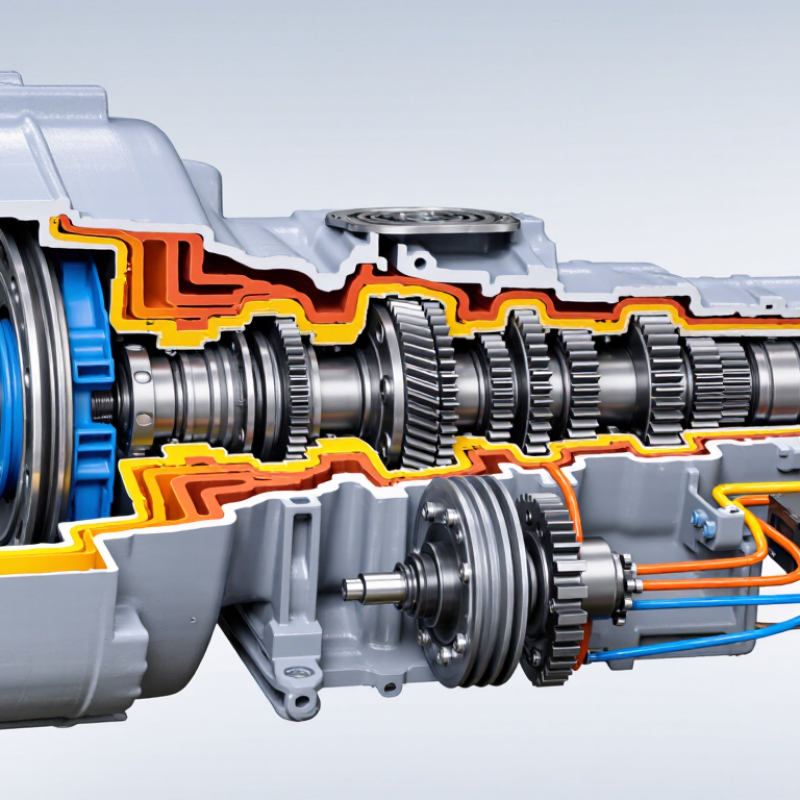
An automatic transmission changes gears without a clutch pedal. At the engine’s end, the torque converter uses transmission fluid to carry power to the gearbox. It can allow the engine to keep running while the vehicle is stopped. At cruising speed, a lockup clutch may reduce fluid slip. Small details matter.
A pump circulates fluid and creates the hydraulic pressure needed to operate the transmission. Valves direct that pressure to clutch packs, which connect or release rotating parts. Inside, planetary gearsets combine sun gears, planet gears, and ring gears to create different ratios. The result is smooth movement, though shifts may feel different as the fluid warms. This description covers common designs; actual layouts vary.
Tips: Check the fluid according to the vehicle’s service instructions. Note changes such as delayed engagement or unusually harsh shifts, but don’t diagnose from one symptom alone. Temperature, load, and maintenance history can all affect how a transmission behaves.
| Component | Main Parts or Design | How It Works | Role in Gear Changes |
|---|---|---|---|
| Automatic transmission | A system of fluid-driven, mechanical, and electronic components | Automatically varies the connection between the engine and wheels and selects suitable gear ratios as driving conditions change. | Coordinates power transfer and gear selection without requiring the driver to operate a clutch pedal or shift gears manually. |
| Torque converter | Impeller, turbine, stator, and transmission fluid | The engine-driven impeller moves fluid against the turbine, which transfers torque to the transmission. The stator redirects returning fluid to improve torque transfer at low vehicle speeds. | Allows the engine to keep running while the vehicle is stopped and provides fluid coupling when pulling away. Torque multiplication is most useful at low speeds. |
| Lock-up clutch | A friction clutch inside the torque converter | When operating conditions permit, it mechanically connects the converter’s input and output sides, reducing fluid-related slip. | Improves cruising efficiency and can reduce heat and engine speed. It releases or slips when needed for smooth operation. |
| Transmission pump | Typically an engine-driven hydraulic pump | Draws transmission fluid from the sump and supplies pressurized fluid to hydraulic circuits and lubrication passages. | Provides the hydraulic pressure needed to apply clutches and brakes and to operate other transmission controls. |
| Valve body and solenoids | Hydraulic passages, valves, and electrically controlled solenoids | Routes and regulates pressurized fluid. Solenoids adjust fluid flow in response to electronic control signals. | Controls when and how firmly friction elements engage, helping produce gear changes at appropriate times. |
| Clutch packs and brakes | Alternating friction and steel plates; some designs also use bands | Hydraulic pressure applies a clutch pack or brake to connect a rotating component to another component or hold it stationary. | Changes which parts of the gearset rotate together or are held, creating different forward ratios and reverse. |
| Planetary gearset | Sun gear, planet gears, planet carrier, and ring gear | Different combinations of driving, holding, and output members produce different gear ratios and directions of rotation. | Provides multiple ratios in a compact assembly. The selected ratio depends on which members are driven, held, or connected. |
| Transmission control module | Electronic controller using sensor inputs and programmed logic | Monitors information such as vehicle speed, engine load, and driver demand, then commands shift-related solenoids. | Determines shift timing and helps manage shift quality, converter lock-up, and other transmission functions. |
| Transmission fluid | Specialized fluid circulating through hydraulic passages and moving components | Transmits hydraulic force, lubricates parts, helps carry heat away, and supports friction-element operation. | Correct fluid level and specification are important for proper pressure, lubrication, cooling, and shift performance. |
| Typical shift sequence | Control signals, hydraulic pressure, friction elements, and gearset | The controller requests a shift; hydraulic circuits apply and release selected friction elements, changing the gearset’s operating arrangement. | The transmission changes its ratio to balance acceleration, engine speed, and driving conditions. Exact operation varies by transmission design. |
It changes gears without a clutch pedal. The driver can keep both hands on the wheel.
It uses transmission fluid to carry power to the gearbox. It also lets the engine keep running when the vehicle stops. Small details matter.
The pump circulates fluid and creates hydraulic pressure. That pressure helps operate clutch packs and other internal parts.
Sun, planet, and ring gears work together inside a compact assembly. Clutches and brakes hold or connect selected parts to change the ratio.
One clutch releases as another applies. Carefully timed pressure helps limit jolts or a flare in engine speed. The handoff can still feel imperfect.
It can monitor vehicle speed, engine load, throttle position, and fluid temperature. It then commands solenoids to direct hydraulic pressure.
Fluid temperature, condition, calibration, and wear can all affect shift behavior. More gears do not automatically mean smoother shifts.
Check the fluid as instructed in the vehicle’s service information. Note the symptom, but don’t diagnose from one clue alone. Pressure readings and fault data may help.
An Automatic Gear Mechanism changes a vehicle’s gear ratios without requiring the driver to shift manually. Its main parts include a torque converter, an oil pump, clutches, and planetary gearsets. At launch, the torque converter can multiply engine torque, with typical ratios reaching about 2:1, helping the vehicle move from a standstill. As speed increases, clutches engage different elements of the planetary gearsets. The sun, planet, and ring gears combine in different ways to create the ratios needed for acceleration and cruising.
In modern six- to ten-speed automatics, hydraulic pressure and electronically controlled solenoids, directed by the transmission control unit (TCU), manage clutch engagement and gear changes. This coordination helps make shifts smooth and responsive. At steady cruising speeds, a lockup clutch can connect the converter more directly, reducing internal slip and improving efficiency. Together, these systems adapt the transmission to changing driving conditions while keeping the engine operating effectively.

 Stepper Motor