In the world of automation and precision control, the importance of the right hardware cannot be overstated. "Geared Stepper Motors" offer significant advantages in terms of torque and control. Dr. Emily Tran, a leading expert in motion control systems, states, “The right geared stepper motor can make or break precision in any application.” This quote encapsulates the essence of choosing the ideal component for intricate tasks.
Geared stepper motors combine the benefits of stepping accuracy with gear reductions. They allow for smoother operation and enhanced torque output, making them invaluable in various applications, from robotics to CNC machines. However, not all geared stepper motors are created equal. The selection process can be daunting, influenced by factors such as torque requirements and step resolution. One experienced engineer highlights, "It's a fine balance between power and precision."
Reflecting on advancements in this technology, industry professionals often point out the need for continuous improvement. The challenges surrounding performance and reliability ensure that the field remains dynamic. The choice of a geared stepper motor impacts overall system effectiveness. It’s imperative to approach this decision with thorough research and a clear understanding of project requirements.
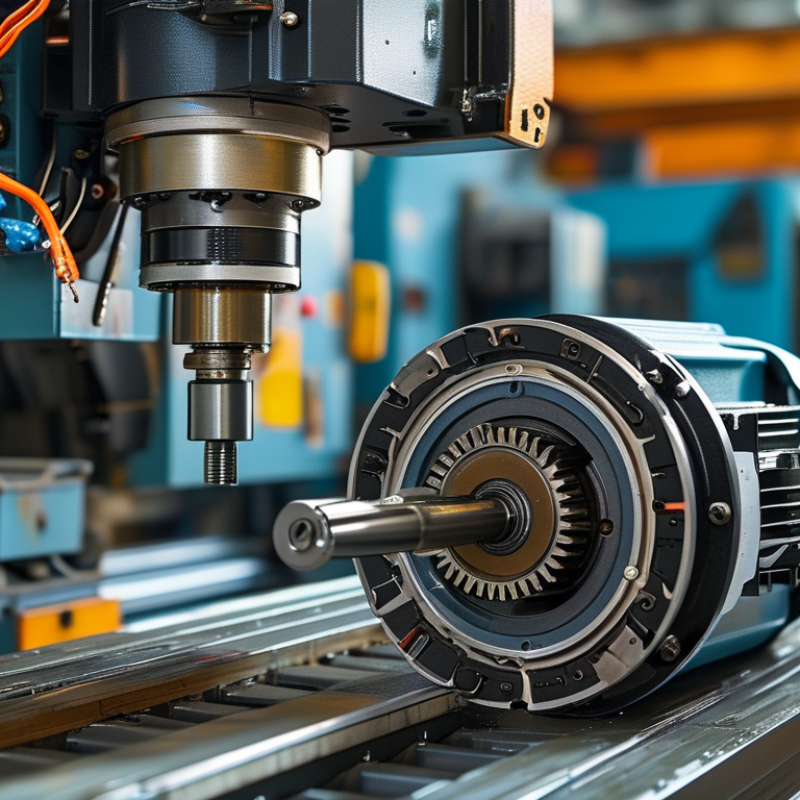
Best Geared Stepper Motor for Precision Control Solutions
When selecting a geared stepper motor for precision control, several factors come into play. These motors are engineered for high accuracy and repeatability. They utilize a gearing system that enhances control over movement. This is vital in applications where exact positioning is essential.
The gearing ratio significantly influences performance. A higher ratio typically leads to better torque, but can reduce speed. Conversely, a lower ratio provides quicker responses but less torque. This trade-off requires careful consideration based on your specific needs. It's important to understand the application demands. Each project may call for different specifications, making the selection process critical.
Additionally, the quality of materials used in the motor's construction affects durability and performance. Look for robust components that withstand wear and tear. Testing in real-world scenarios is crucial, as theoretical specifications may not reflect actual results. Regular assessments can help identify performance issues. This continuous evaluation ensures the motor operates within the desired parameters, allowing for adjustments as needed. Precision control solutions depend on recognizing these nuances, leading to more successful outcomes.
Best Geared Stepper Motor for Precision Control Solutions
| Motor Type |
Gear Ratio |
Holding Torque (Nm) |
Step Angle (degrees) |
Max Voltage (V) |
Max Current (A) |
| Hybrid Stepper |
5:1 |
0.45 |
1.8 |
24 |
1.2 |
| Permanent Magnet Stepper |
10:1 |
0.6 |
1.8 |
12 |
0.8 |
| Variable Reluctance Stepper |
200:1 |
0.3 |
1.8 |
30 |
1.0 |
| Bipolar Stepper |
12:1 |
0.7 |
1.8 |
20 |
1.5 |
Importance of Precision in Motion Control Applications
Precision is crucial in motion control applications. A small error in positioning can lead to significant issues. For instance, in robotic arms, inaccurate movements could damage components or hinder operational efficiency. Stepper motors provide a solution through their inherent ability to achieve precise positioning. This is vital in industries such as manufacturing and healthcare.
However, not all stepper motors perform equally. The choice of a geared stepper motor can enhance precision and torque. Various gearing options cater to different needs. Yet, it’s essential to weigh the trade-offs. Higher gear ratios may improve precision but could slow down response times. Flexibility in design must be balanced with speed requirements.
Moreover, ongoing advancements in technology push the boundaries of precision control. Improvements in feedback systems elevate performance. Yet, reliance on technology can lead to blind spots. It's essential to maintain a balance between automation and human oversight. Engineers must ensure that systems remain reliable, particularly in critical applications.
Key Specifications to Consider for Geared Stepper Motors
When selecting a geared stepper motor, several key specifications come into play. Torque is crucial; it determines how much load a motor can handle effectively. A high torque rating allows for better performance in heavy-duty applications. Additionally, step angle affects precision. A smaller step angle means finer control over positioning, which is essential in tasks requiring accuracy.
Another critical factor is speed. Different applications may require varying speeds. Understanding the speed-torque curve can aid in selecting the right motor for your specific needs. Additionally, consider the type of gearing. Planetary gears provide higher efficiency and compact designs, while spur gears are straightforward but may deliver less torque.
Tips: Always review the motor's thermal characteristics. Ensure it can withstand continuous use without overheating. Also, don't overlook the importance of compatibility with your existing systems. Inadequate coupling can lead to misalignment and reduced performance. Testing the motor in real-world scenarios can uncover potential issues that specifications alone might not reveal.
Best Geared Stepper Motor for Precision Control Solutions
This chart illustrates key specifications for geared stepper motors, highlighting important metrics that impact their performance in precision control applications.
Top Brands and Models of Geared Stepper Motors in 2023
In 2023, the demand for geared stepper motors has surged due to their precision and reliability in various applications. According to industry reports, the market size for stepper motors is projected to grow by over 6% annually. This growth reflects the increasing need for accurate control solutions in robotics, automation, and CNC machines. Professionals often prefer geared stepper motors for their ability to produce high torque at low speeds, making them ideal for applications requiring meticulous movements.
When examining the top brands and models, several factors stand out. Many geared stepper motors offer ratios from 3:1 to 100:1, allowing engineers flexibility in configuring systems. Tests show that a well-rated geared stepper motor can maintain its positioning accuracy within ±5% even under loads. However, some users report challenges with setup and tuning, which can lead to discrepancies in performance. Proper calibration is critical, as errors in initial settings can result in inconsistent outcomes.
Balancing torque and speed is another aspect warranting attention. While geared stepper motors excel in torque delivery, their speed may lag behind direct-drive alternatives. The fine line between torque and speed can make or break a project's success. As with any technology, continued innovation and refinement are necessary for fully realizing the potential of geared stepper motors in advanced control solutions.
Comparative Analysis of Torque and Speed Characteristics
When selecting a geared stepper motor for precision control, torque and speed characteristics play a critical role. Torque determines the motor’s ability to handle varying loads. According to recent studies, geared stepper motors exhibit a marked increase in torque output. In many configurations, torque can increase by up to 60% when using a gearbox. This boost is particularly vital in applications that require high precision, such as CNC machines and robotics.
Speed is another important factor. The rated speed of a stepper motor might be impressive, but under load, its performance can diminish significantly. Data shows that geared stepper motors can maintain a stable speed even under increased load. Hence, a gear ratio ranging between 5:1 to 10:1 can be optimal. This finding suggests that the correct gearing choice can enhance both torque and maintain consistent speed.
Tip: Always consider the application specifics when choosing a gear ratio. A higher ratio provides more torque but can reduce speed. Balancing both characteristics is essential for optimal performance. Another point to reflect on is the importance of proper heat management. If the motor runs too hot, it may affect efficiency and longevity. Regular monitoring of the motor's performance can help catch any potential issues early.
Future Trends in Geared Stepper Motor Technology for Precision Control
The landscape of geared stepper motor technology is evolving rapidly. With increasing demand for precision control in various industries, manufacturers are focusing on advancements that enhance performance.
According to a recent market report, the global stepper motor market size is projected to reach USD 2.09 billion by 2027, growing at a CAGR of 6.1%. This growth points to robust investment in R&D for geared stepper motors.
Emerging trends indicate a shift toward miniaturization and increased torque density. Engineers are leveraging new materials and smart manufacturing techniques. This innovation could improve efficiency, but there are challenges. For instance, ensuring reliability amid shrinking dimensions remains a hurdle. Additionally, the integration of digital control technologies is enabling finer motion control. However, this complexity may lead to a learning curve for some operators and designers.
Focusing on energy efficiency, many designs are now aimed at reducing power consumption while maintaining high performance. Some studies indicate that stepper motors can consume up to 70% less energy in optimized configurations. Balancing performance with energy savings is crucial. As the market evolves, continuous reflection on design choices will be necessary to ensure these advancements lead to improved user experiences.
FAQS
: Precision is crucial as small positioning errors can lead to significant operational issues.
Stepper motors allow for precise positioning, particularly important in manufacturing and healthcare.
Geared stepper motors enhance both precision and torque, catering to various application needs.
Higher gear ratios may improve precision but often slow down response times.
Advancements improve feedback systems, but reliance on technology can create blind spots.
Some users struggle with setup and tuning, which may lead to performance discrepancies.
Proper calibration is essential; initial errors can cause inconsistent outcomes in performance.
They excel in torque but may have slower speed compared to direct-drive alternatives.
Engineers must balance design flexibility with speed requirements to achieve success.
Yes, continual refinement is vital for maximizing the potential of geared stepper motors.
Conclusion
The "Best Geared Stepper Motor for Precision Control Solutions" explores the critical role of precision in motion control applications, emphasizing how geared stepper motors can enhance system performance. Key specifications, such as torque, speed, and accuracy, are essential considerations for selecting the right geared stepper motor to achieve optimal results in various applications.
The article also provides a comparative analysis of torque and speed characteristics across different models, highlighting their advantages and potential limitations. As technology evolves, future trends in geared stepper motors are anticipated to focus on improved efficiency, integration with advanced control systems, and enhanced performance capabilities, ensuring they continue to meet the demands of precision control applications.

 Stepper Motor