When selecting a motor for demanding applications, a High Torque Motor stands out for its unique capabilities. These motors are engineered to deliver significantly more torque than standard options. This makes them ideal for tasks that require persistent force, such as lifting heavy loads or powering machinery. A High Torque Motor can handle the stress of high inertia loads, ensuring efficient operation without stalling.
Experience shows that using a High Torque Motor reduces wear and tear. This can lead to lower maintenance costs in the long run. However, choosing the right motor is not always straightforward; factors like speed, size, and power specifications matter. One must consider the application needs thoroughly to avoid potential pitfalls.
Moreover, reliance on a High Torque Motor can raise efficiency in production lines. They enable smoother operations and better performance in dynamic environments. Despite their advantages, users sometimes overlook their specific requirements, which can lead to less optimal outcomes. Therefore, assessing the overall application is crucial to make informed decisions about using High Torque Motors.
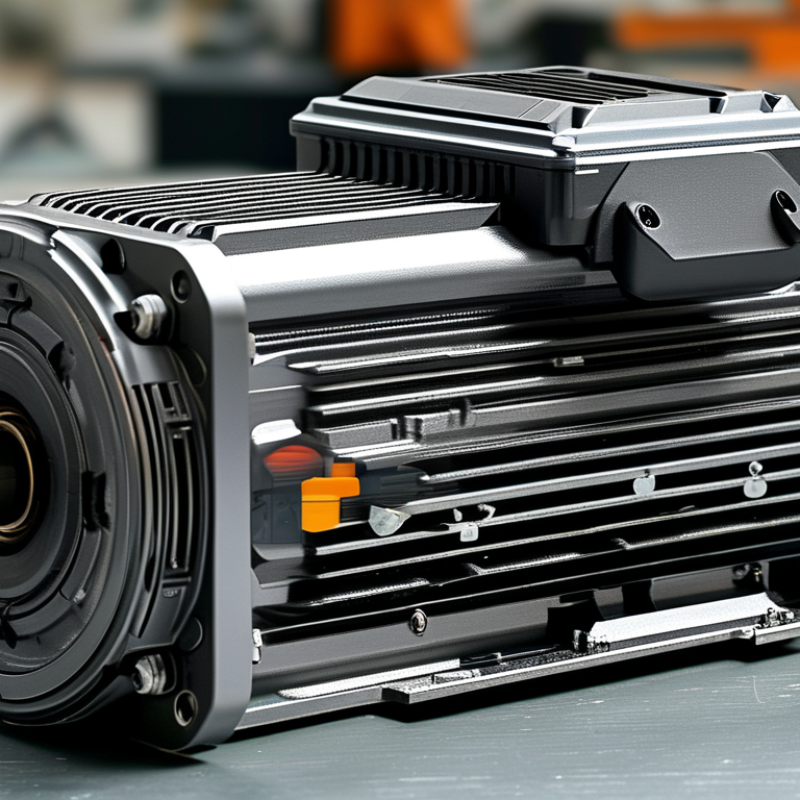
Understanding High Torque Motors: Definition and Functionality
High torque motors are engineered to provide superior force at low speeds. This unique characteristic makes them ideal for various applications, such as industrial machinery, automotive systems, and robotics. Understanding their functionality helps in making informed decisions about their use.
These motors generate substantial torque while maintaining efficiency. This efficiency reduces energy waste and prolongs motor life. High torque motors are essential for tasks that require strong startup or sustained power. For example, electric vehicles rely on these motors for quick acceleration and climbing steep inclines. Yet, not all applications benefit equally. It's crucial to assess the specific requirements before choosing a motor type.
Many industries rely on high torque motors, but they are not without challenges. Factors such as weight and heat dissipation can affect performance. High torque motors can become bulky and may need cooling systems. Users often overlook these issues, which can lead to operational inefficiencies. A thorough evaluation of needs ensures optimal performance and reliability.
Why Choose a High Torque Motor for Your Applications?
| Attribute |
Description |
Applications |
Benefits |
| Torque Rating |
The maximum rotational force the motor can deliver |
Industrial machinery, robotics |
Improved efficiency in high load applications |
| Speed Control |
Ability to maintain torque over a range of speeds |
Conveyor systems, elevators |
Greater adaptability for various tasks |
| Durability |
Designed for long operational life and minimal maintenance |
Mining equipment, agricultural machinery |
Reduced downtime and maintenance costs |
| Efficiency |
High power output with lower energy consumption |
Power tools, HVAC systems |
Lower operational costs |
| Size |
Compact design for high torque output relative to size |
Robotic arms, compact machines |
Space-saving and versatile integration |
Key Benefits of Using High Torque Motors in Various Applications
High torque motors are essential in various applications, offering distinct advantages. They provide increased power output, allowing machinery to perform heavy tasks efficiently. This is particularly beneficial in industries like manufacturing and automotive, where precision and power are crucial.
One notable benefit of high torque motors is their ability to start under load. This feature is vital for equipment such as cranes and conveyor belts, which often face heavy initial resistance. Additionally, high torque motors can maintain their performance even at low speeds, enhancing control in sensitive applications. However, their complexity can require careful planning and installation, which some users might overlook.
Another important aspect is energy efficiency. High torque motors can optimize energy usage while providing the necessary power. This can lead to cost savings in the long term. Yet, users must ensure they select the right specifications for their needs to avoid inefficiencies. The power and efficiency of high torque motors can significantly impact overall performance, making them a worthy consideration for various applications.
Benefits of High Torque Motors in Various Applications
Comparative Analysis: High Torque Motors vs. Standard Motors
High torque motors are increasingly favored in various applications due to their distinct advantages over standard motors. One central factor is their ability to handle heavy loads. High torque motors can provide significantly more power at low speeds, which is crucial for applications like conveyor systems and industrial machinery. According to a report by the International Electrotechnical Commission, high torque motors can achieve torque levels 30% higher than conventional types under similar conditions.
Another consideration is efficiency. While standard motors may be suitable for lighter tasks, they often fall short in efficiency when faced with demanding operations. A recent study revealed that high torque motors maintain optimal performance even under stress, leading to energy savings of up to 20%. This consistent performance can also extend the lifespan of the motor, reducing maintenance costs and downtime—a critical factor for many businesses.
However, high torque motors may not be the perfect solution for every application. They can be more expensive upfront. Engineers often need to assess whether the benefits outweigh the costs. Additionally, installation can be more complex, requiring specialized knowledge. Balancing these factors is essential to making an informed decision.
Application Areas: Where High Torque Motors Excel
High torque motors are essential in various industrial applications. They excel in environments that require precise control and consistent performance. One primary area is manufacturing, where high torque motors drive heavy machinery. They provide the necessary power to lift and move materials efficiently.
Another key area is robotics. High torque motors facilitate intricate movements, enabling robots to grasp and manipulate objects accurately. In a study by the International Federation of Robotics, 70% of manufacturers reported improved productivity through high torque motor applications. Mining also benefits from high torque motors. They help operate drilling and crushing equipment, ensuring operations run smoothly under heavy loads.
Tip: When selecting a high torque motor, consider its application environment. Ensure it meets the torque requirements and can handle the workload.
In the automotive sector, high torque motors are integral to electric and hybrid vehicles. They enhance performance by delivering greater acceleration and efficiency. However, it’s vital to recognize that not all high torque motors are created equal. Variability in specifications can lead to suboptimal performance if not matched correctly.
Tip: Always conduct a thorough analysis of the motor's specifications and compare them to the application demands for optimal results.
Factors to Consider When Selecting a High Torque Motor
When selecting a high torque motor, several factors must be considered. The application requirements play a critical role. Consider the load that the motor will be moving. If the load is heavy, a motor that delivers high torque is essential. This is especially true in industrial settings involving conveyor belts or heavy machinery. Here, the efficiency of energy use also matters. A motor that consumes less power while providing maximum torque can significantly reduce operational costs.
Cooling systems are another vital aspect. High torque motors can generate more heat due to their workload. This requires an effective cooling solution to ensure longevity. Pay attention to the installation space as well. Motors vary in size and form factor, so it’s crucial to choose one that fits the available space without compromising performance. Additionally, compatibility with existing systems should not be overlooked. A motor that integrates seamlessly is more reliable.
Lastly, durability should be a priority. Some high torque motors are built for demanding environments, while others may not withstand tough conditions. Assessing the environment where the motor will operate helps in making the right choice. Keep in mind that choosing the wrong motor can lead to inefficiency. Balancing these factors will lead to an optimal solution for your specific needs.
FAQS
: High torque motors are used in manufacturing, robotics, mining, and the automotive sector. They perform heavy tasks effectively.
It allows equipment like cranes and conveyor belts to function well despite heavy resistance during startup.
They optimize energy use, which can lead to long-term cost savings when selected correctly.
Always consider the specific application environment and the torque requirements. Proper matching is essential.
Yes, they maintain performance even at low speeds, which is crucial for sensitive applications needing precise control.
No, there are differences in specifications. Mismatching can lead to performance issues, so careful selection is necessary.
They enable robots to perform intricate movements, allowing precise manipulation of objects.
Users might overlook the complexity of installation and planning, which can lead to inefficiencies in operation.
Many manufacturers report improved productivity when using high torque motors, particularly in heavy-duty applications.
Analyzing specifications ensures that the motor meets application demands, avoiding suboptimal performance in operation.
Conclusion
High torque motors are specialized devices designed to provide a significant amount of rotational force, making them essential in applications that require high power and efficiency. Understanding their definition and functionality reveals their capability to perform under demanding conditions, setting them apart from standard motors. The key benefits of high torque motors include improved performance in heavy-load tasks, enhanced control in various settings, and increased operational lifespan.
In a comparative analysis, high torque motors demonstrate superior advantages over standard motors, particularly in challenging environments. They excel in a range of application areas, such as industrial machinery, robotics, and automotive systems, where the demand for torque and reliability is paramount. When selecting a high torque motor, it is crucial to consider factors such as load requirements, speed, and the specific operational environment to ensure optimal performance and efficiency.

 Stepper Motor