How to Choose the Best Compact Gear Motor for Your Needs?

Time:2026-06-22 Author:Isabella
0%

When it comes to selecting the ideal Compact Gear Motor, the task can feel overwhelming. The market offers numerous options, each designed for specific applications. Understanding key features can significantly enhance your decision-making process.

Compact Gear Motors are known for their efficiency and versatility. They can be found in various devices, from household appliances to industrial machinery. Considerations such as torque, speed, and size play crucial roles in finding a suitable motor. A motor that is too powerful may waste energy, while one that is underpowered might fail to meet your needs.

It's important to weigh the manufacturer's reputation as well. Not all Compact Gear Motors are created equal; low-quality motors can lead to frequent failures. However, navigating through brands and their claims requires careful scrutiny. It's vital to evaluate what has worked for others in similar situations. Doing so will strengthen your confidence in making a well-informed choice.
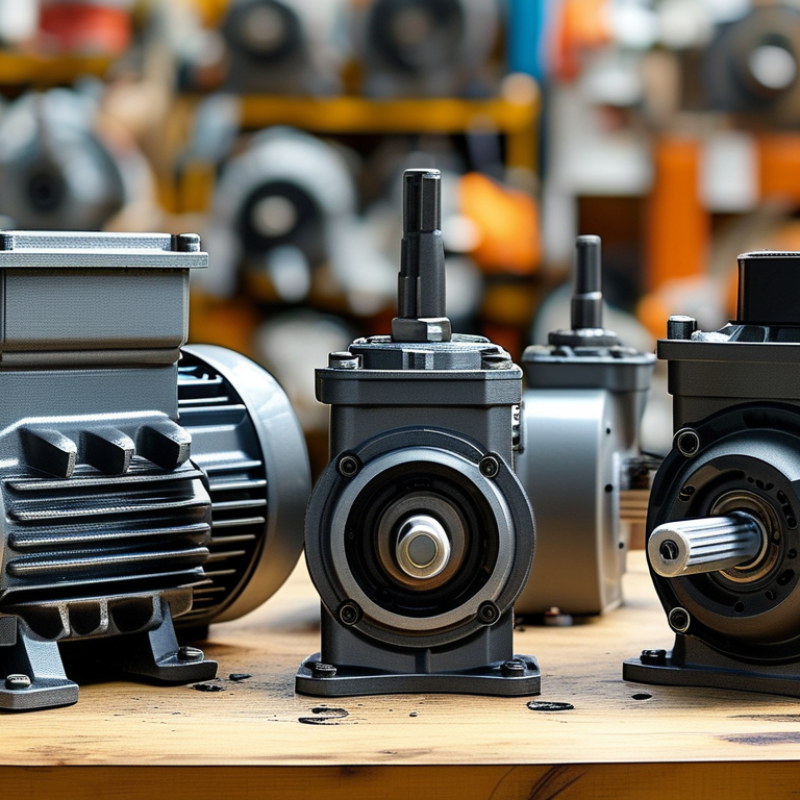
How to Choose the Best Compact Gear Motor for Your Needs?

Understanding Compact Gear Motors: Types and Applications

Compact gear motors are vital in various industries, powering everything from robotics to automotive applications. Understanding the types and applications of these motors can help you make an informed choice. There are three primary types: planetary, spur, and worm gear motors. Each type has unique characteristics that suit different applications. For instance, planetary gear motors offer high torque in a compact size, ideal for robotics. Spur gear motors are simpler and provide efficient performance in linear applications.

In recent studies, the compact gear motor market is expected to grow steadily. Reports estimate a CAGR of 6.5% over the next five years. This growth is driven by automation and the demand for compact machinery. The flexibility of compact gear motors makes them suitable for a variety of sectors, including consumer electronics, packaging, and medical devices. It's important to consider space limitations, torque requirements, and mounting configurations when selecting a motor.

While the benefits are clear, challenges persist. Some users find it difficult to balance size and power effectively. A poorly chosen gear motor can lead to inefficiency and potential equipment failures. Testing different types in practical applications provides valuable insights. Gathering feedback from real-world usage can enhance performance and reliability. Understanding these factors ensures better decision-making for your specific needs.

Key Factors to Consider When Selecting a Compact Gear Motor

Choosing the right compact gear motor can be challenging. Several key factors affect performance and suitability for your specific application. Understanding these factors enhances decision-making and ensures you invest wisely.

Motor torque is crucial. It defines how much load the motor can handle. Assess the load requirements of your application. A torque that meets your needs is vital. If the torque is too low, the motor may struggle. Consider gear reduction as well. Higher reduction allows for greater torque but may reduce speed.

Physical size matters, too. Compact motors save space but often have limitations. Match the motor’s dimensions to your design requirements. Make sure you check the mounting options available. Power efficiency should not be overlooked. An efficient motor conserves energy and may lead to cost savings. Always contemplate the operating environment. Factors like temperature and humidity can influence motor performance. Frequent recalibration may be necessary.

These considerations are essential for selecting a compact gear motor. Yet, every project presents unique challenges. Be prepared to iterate on your choice as prototypes are tested.

Evaluating Torque and Speed Requirements for Your Application

When selecting a compact gear motor, torque and speed are critical factors. Torque is the rotational force generated by the motor, while speed refers to how quickly the motor turns. A suitable gear motor must align with your specific application needs.

Industry reports indicate that most applications require a torque range between 0.5 Nm to 5 Nm for compact motors. For instance, robotics often demands higher torque. A high torque allows for efficient movement of heavier materials. Speed can also vary significantly, typically from 10 to 300 RPM, depending on the task.

It's vital to evaluate the load your gear motor will carry. Ensure that the torque rating exceeds the load's requirements to avoid overheating. Many motors perform well at peak torque but can struggle under constant loads. Additionally, consider the solution's efficiency. A motor with low energy consumption may offer long-term savings. Small changes in speed or torque settings can greatly impact performance. Always revisit your choices as project scopes can evolve over time, potentially leading to mismatched specifications.

Assessing Size and Weight Constraints for Compact Gear Motors

When selecting a compact gear motor, understanding size and weight constraints is critical. These factors significantly influence performance and functionality. Knowledge of application requirements helps narrow down options. Measuring the available space ensures a suitable fit for the motor. Consider the dimensions of the installation area during this process.

Weight is another crucial aspect. Lighter motors offer portability, while heavier ones may provide durability. An application that demands frequent movement needs a lightweight motor. In contrast, stationary applications can accommodate more weight. Exploring trade-offs between power and weight can be challenging. Some users find it difficult to balance these aspects.

Prototyping is an effective way to assess if a motor meets specific requirements. Testing different configurations helps identify the best solution. Documenting performance results can guide future decisions. Flexibility in design can lead to optimal choices. Analyzing success and failure in this area fosters growth and improvement. The pursuit of the ideal compact gear motor lies in careful consideration of these constraints.

How to Choose the Best Compact Gear Motor for Your Needs? - Assessing Size and Weight Constraints for Compact Gear Motors

Motor Type Size (mm) Weight (kg) Torque (Nm) Speed (RPM)
Geared DC Motor 50 x 50 1.2 2.5 100
Stepper Motor Gearbox 45 x 45 1.0 1.2 300
Brushless Motor 60 x 60 1.5 3.0 150
Planetary Gear Motor 40 x 40 1.1 2.0 200
AC Gear Motor 55 x 55 1.3 1.5 120

Reviewing Manufacturer Specifications and Reliability Ratings

When selecting a compact gear motor, manufacturer specifications and reliability ratings play crucial roles. A thorough review of these details can significantly impact your decision. Look into torque ratings, speed ranges, and dimensions. These specifications determine whether the motor suits your application. You want to ensure it meets your power needs while fitting within confined spaces.

Reliability ratings are equally important. Assess performance metrics like lifespan and failure rates. Check for user feedback and industry reports. They often reveal patterns that specifications may not indicate. However, be cautious. Some ratings can be influenced by marketing tactics. A high rating doesn't always guarantee performance in every environment. Real-world testing can reveal inconsistencies.

Consider competing options with slightly lower ratings but robust reviews. Sometimes, the most reliable motor isn't the top-rated one. It’s essential to strike a balance between specs and actual performance. Analyze past experiences and industry trends. This reflection can lead to better choices and avoid costly mistakes.

FAQS

: Why is motor torque important when selecting a compact gear motor?

: Motor torque determines how much load the motor can handle. It’s crucial for meeting application requirements.

How does gear reduction affect motor performance?

Higher gear reduction provides greater torque. However, it may also reduce the motor’s speed.

Does the physical size of the gear motor really matter?

Yes, compact motors save space but may have constraints. Ensure dimensions match your design needs.

What should I consider about power efficiency?

An efficient motor saves energy and can lead to cost savings. It's an important factor in the selection process.

How can environmental factors influence motor performance?

Temperature and humidity can affect how a motor runs. You may need to recalibrate frequently in challenging environments.

Why should I review manufacturer specifications?

Specifications indicate torque ratings, speed ranges, and dimensions. They help ensure the motor fits your application.

Are reliability ratings always trustworthy?

Not necessarily. Ratings may be influenced by marketing. Real-world testing often reveals performance inconsistencies.

Should I always choose the highest-rated motor?

No, sometimes reliable motors have lower ratings yet receive better reviews. Balance specifications with actual performance.

What role does user feedback play in selection?

User feedback provides insights not covered by specs. It can reveal performance patterns that help inform your choice.

What common mistakes should I avoid when selecting a motor?

Avoid solely relying on ratings. Reflect on past experiences and industry trends to make informed decisions.

Conclusion

When selecting the best Compact Gear Motor for your needs, it’s essential to understand the various types and applications of these motors. Compact gear motors are commonly used in diverse fields, making it crucial to evaluate their torque and speed requirements based on your specific application. Additionally, consider the size and weight constraints, as these factors will significantly impact the performance and integration of the motor in your design.

Moreover, reviewing manufacturer specifications and reliability ratings is vital for ensuring a durable and efficient Compact Gear Motor. By carefully assessing these key factors, you can make an informed decision that meets the operational demands of your project while ensuring optimal performance and longevity.

Isabella

Isabella

Isabella is a dedicated marketing professional with a sharp focus on driving brand growth and engagement through strategic content creation. With an extensive background in digital marketing, she combines her passion for storytelling with her keen understanding of industry trends to deliver......