Choosing the right metal bearing is essential for the performance of machinery. Metal bearings play a crucial role in reducing friction and supporting loads. They come in various shapes, sizes, and materials. Navigating this complexity can feel overwhelming.
When selecting a metal bearing, consider the specific operational environment. Factors like temperature, load, and speed can affect durability. Identifying the right metal type also matters. For instance, stainless steel offers corrosion resistance, while bronze provides excellent wear properties. But how do you know what’s best for your application?
Real-life scenarios often reveal challenges. Sometimes, what seems ideal turns out to be inadequate. Gaining insights from real users can bridge this gap. They often share their experiences with different bearings. This practical knowledge enriches decision-making. Ultimately, the goal is to find a metal bearing that balances performance and reliability.
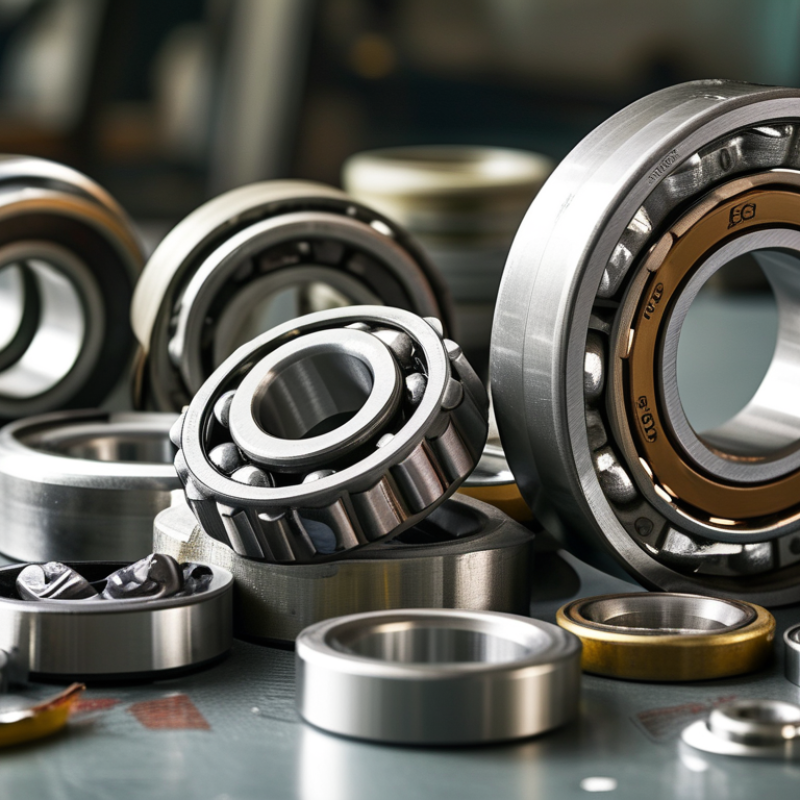
When selecting the right metal bearing, it's crucial to understand the various types available in the market. Each type of bearing serves a different purpose, based on load capacity, speed, and environment. Common types include ball bearings, roller bearings, and needle bearings. They each have unique features that affect their performance.
Ball bearings are versatile and suitable for most applications. They provide low friction and can handle both radial and axial loads. Roller bearings, on the other hand, can support heavier loads but may not be as fast. Needle bearings are great for tight spaces and are efficient at low speeds. Knowing the specific requirements of your machinery will guide your selection.
Tips: Always consider the material of the bearing, as it affects durability. Stainless steel bearings resist corrosion, while brass ones offer good heat resistance. Check lubrication needs. Some bearings come pre-lubricated, saving maintenance time. Reflect on environmental factors too, like temperature and humidity; these can impact performance significantly.
This chart illustrates the load capacity of various types of metal bearings available in the market, helping you to understand their performance characteristics.
When selecting metal bearings, it's vital to consider key factors. Load capacity is crucial. The bearing must handle the weight it will support. According to a report from the American Bearing Manufacturers Association, choosing the right load capacity can extend bearing life by up to 30%.
Material selection also matters. Different metals have unique properties affecting durability and resistance to wear. For example, stainless steel offers corrosion resistance, while bronze provides excellent wear resistance. Each option has trade-offs. Sometimes a less popular choice may yield better performance.
Tips: Always analyze the environment where the bearing will operate. Will it face high temperatures or corrosive substances? This impacts material choice significantly.
Keep lubrication needs in mind. Proper lubrication can prevent failure, enhancing overall efficiency. Regular maintenance is often overlooked but can drastically improve performance.
Balancing these factors is essential. Errors in selection can lead to costly repairs and downtime. Evaluating each aspect is a step toward reliability and efficiency in your application.
Selecting the right metal bearing requires a deep understanding of load capacity and performance needs. This understanding influences efficiency and longevity in various applications. Load capacity is crucial. It determines how much weight a bearing can support without failing. Each type of bearing has different specifications. For instance, some are designed for heavy loads, while others excel in high-speed applications.
Performance requirements involve more than just load limits. There are other factors at play, such as speed, temperature, and environmental conditions. A bearing may handle heavy weights but fail in extreme temperatures. This is where specific knowledge matters. Those who choose bearings should evaluate expected conditions and potential stresses.
Reflection is vital. Many users focus strictly on load capacity, neglecting other performance dimensions. This often leads to premature failure or suboptimal operation. Consideration of all elements ensures a suitable selection. Proper assessment can make a significant difference in operational efficiency and lifespan.
| Bearing Type | Load Capacity (kg) | Max Speed (rpm) | Operating Temperature (°C) | Material |
|---|---|---|---|---|
| Ball Bearing | 1500 | 6000 | -20 to 120 | Steel |
| Roller Bearing | 2000 | 4000 | -20 to 100 | Chromium Steel |
| Thrust Bearing | 3000 | 3000 | -10 to 80 | Brass |
| Composite Bearing | 1200 | 1500 | -40 to 120 | Plastic/Metal Alloy |
| Magnetic Bearing | Varies | 15000 | -20 to 80 | Magnetic Materials |
Selecting the right metal bearing requires careful consideration of operating conditions and environmental factors. Temperatures, loads, and speeds significantly influence bearing performance. Additionally, corrosive environments can lead to premature failure.
Evaluate the operational temperature range. Extreme heat can damage certain metals. For instance, steel may soften under high temperatures, while some alloys maintain integrity. Similarly, low temperatures may cause brittleness. Choose materials that can handle the temperature extremes of your application.
Consider the environment. Exposure to moisture, chemicals, or dust can affect bearing longevity. Stainless steel or specialized coatings may offer better resistance to corrosion. Assess operational loads, too; heavy loads can require stronger materials or designs.
Tips:
When selecting metal bearings, both cost and quality are paramount considerations. Data shows that low-cost bearings can save upfront expenses but may result in higher maintenance costs. A comprehensive study indicated that bearings with higher material quality can reduce wear and tear, leading to a decrease in replacement frequency. For example, investing in premium steel bearings may increase initial costs by around 20-30%. However, the long-term savings are often more substantial.
Additionally, the type of lubrication affects performance and lifespan. Bearings designed for specific environments, such as high-temperature or corrosive settings, tend to last longer. These materials may cost more but often provide better value over time. According to a report by the National Engineering Laboratory, approximately 40% of bearing failures are attributed to improper lubrication. This highlights the importance of choosing bearings that align with the operational environment to optimize value.
Many manufacturers struggle with balancing cost and quality effectively. A focus on immediate savings may lead to future complications. Choosing the right bearings requires careful analysis and consideration of long-term impact on operations. Understanding the trade-offs is crucial in making a well-informed decision.
: Key factors include load capacity, material selection, lubrication needs, and operating environment.
Load capacity indicates how much weight a bearing can support without risk of failure.
Different metals offer unique properties. For example, stainless steel resists corrosion, while bronze excels in wear resistance.
Neglecting lubrication can lead to failure and decreased efficiency. Regular maintenance is essential for optimal performance.
Focusing solely on load capacity can result in premature failure. Consider other performance dimensions too.
High temperatures or corrosive substances impact material choice. Understanding your operating conditions is crucial.
Evaluate load capacity, material properties, lubrication, and potential environmental stresses for a comprehensive choice.
Many users overlook performance requirements and resort solely to load capacity, leading to suboptimal operation.
A thorough evaluation of all factors can enhance operational efficiency and significantly extend bearing lifespan.
Not necessarily. Less common materials can sometimes offer better performance based on specific needs.
When selecting the right metal bearing for your needs, it's essential to understand the various types available in the market, each designed for specific applications. Factors such as load capacity, performance requirements, and operating conditions play a crucial role in determining the best choice for efficient operation. Evaluating the environmental aspects, such as temperature and the presence of contaminants, can also influence the selection process.
Moreover, comparing the cost and quality of different metal bearings is vital for ensuring value optimization. By balancing performance with budget considerations, you can maximize the longevity and effectiveness of the metal bearing in your projects. Comprehensive knowledge of these elements will enable you to make informed decisions that elevate overall performance and reliability in your applications.

Stepper Motor