When it comes to selecting a Plastic Gearbox Assembly, experts advise careful consideration. Dr. Emily Tran, a renowned engineer in the field, suggests, “Always assess the application requirements before choosing a gearbox.” This perspective emphasizes the need to match the assembly with specific functionalities.
Plastic Gearbox Assemblies play a vital role in various industries, from automotive to robotics. Their lightweight nature and cost-effectiveness make them appealing. However, what often gets overlooked are the material properties and manufacturing processes. Different plastics have varied strengths and durability, directly affecting performance.
Furthermore, not all suppliers maintain the same quality standards. Researching manufacturers is crucial for reliability. Some may offer cheaper options, but the risk is often higher failure rates. Reflecting on these factors can lead to a better decision in the long run. Choosing wisely can significantly impact the effectiveness and lifespan of the assembly.
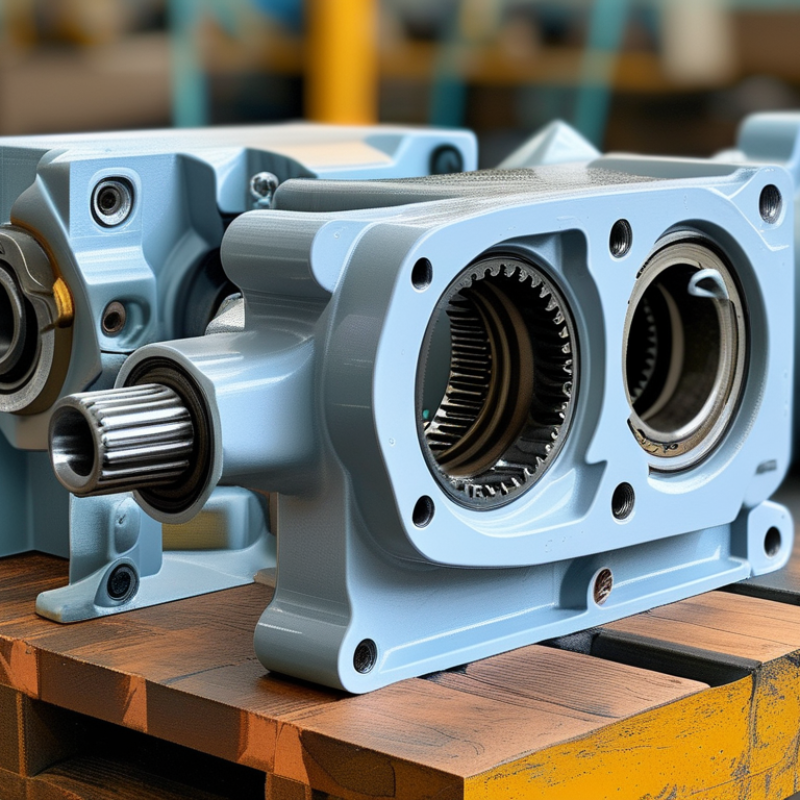
When considering a plastic gearbox assembly, it's essential to grasp the fundamental aspects. A gearbox functions as a mechanical device that transmits power through rotating shafts, converting input motion into output motion. Plastic gearboxes are often lighter and less expensive than their metal counterparts. They are ideal for applications where weight and cost are critical factors.
Understanding the specific needs of your application will guide your choice. Assess the load requirements and operating conditions. For instance, consider factors like speed, torque, and environmental exposure. Some plastic materials resist chemicals well, while others withstand higher temperatures. Selecting the wrong material could lead to premature failure, which is often overlooked.
Pay attention to design quality. The precision of the gears and the overall assembly impacts performance. Look for robust teeth profiles which enhance engagement. Even small deviations in gear design can cause issues like increased wear or noise during operation. Regular maintenance can help identify potential problems early. Always aim for a reliable design that aligns with your needs.
When considering the purchase of a plastic gearbox assembly, several key factors demand careful evaluation. The material quality is crucial, as it affects durability and performance. Look for Assemblies made from high-grade plastics, offering resistance to wear and environmental conditions. It’s important to assess the load capacity of the gearbox. If the assembly cannot handle the required torque, it may fail prematurely.
Design compatibility is another significant aspect. Ensure the gearbox aligns with your application’s specifications. This includes dimensions, mounting options, and output shaft configurations. A misfit could lead to inefficient operation and unnecessary repairs. Keep an eye on the manufacturing process too. An assembly created with modern techniques is often more reliable.
Tips: Always check the manufacturer’s reputation. Look for reviews and case studies. Ensure they have experience in producing plastic gearboxes. Certifications can also indicate a commitment to quality.
Consider seeking expert opinions or consulting with experienced engineers. Their insights might highlight potential pitfalls you may overlook. A dependable gearbox is essential for smooth mechanical operation, and making an informed choice is key.
When selecting materials for plastic gearbox assemblies, the choice is critical. The right plastic can enhance functionality and durability. A 2022 industry report indicated that over 70% of gearbox failures are linked to material selection. Using high-performance plastics reduces wear and improves efficiency.
Thermoplastics like polycarbonate and nylon are popular choices. These materials offer excellent strength-to-weight ratios. They also provide resistance to chemicals and impact, which is vital in demanding applications. However, not all plastics are created equal. Factors such as temperature tolerance and environmental exposure must be considered.
It’s important to reflect on the specific requirements of each application. For instance, a low-cost plastic may save money upfront, but it could lead to higher maintenance costs down the line. Engineers must weigh the long-term benefits against initial savings. Understanding these trade-offs can lead to better overall performance of the gearbox assembly.
When selecting a plastic gearbox assembly, assessing performance criteria is crucial. Load capacity directly influences the assembly's ability to withstand operational demands. According to a report by the Society of Plastics Engineers, many standard plastic gearboxes can support a static load of up to 1000 N. However, dynamic load handling often narrows this figure significantly, with many applications requiring specialized materials.
Durability is another factor to examine closely. Plastic gearboxes must not only survive mechanical stress but also environmental challenges. Studies indicate that the average lifespan of a plastic gearbox can range from 10,000 to 50,000 hours, contingent on usage conditions. Abrasion resistance and environmental factors, like temperature and humidity, can substantially impact performance. Many manufacturers offer gear options made from reinforced polymers, which generally exhibit better durability.
It’s essential to reflect on these aspects, as overlooking them can lead to premature failures. For instance, a project might prioritize low weight but compromise on load capacity, resulting in critical breakdowns. Industry insights suggest that 20% of gearbox failures are due to improper load assessments. Understanding the balance between load capacity and durability can guide engineers in making informed decisions for efficient, long-lasting applications.
| Criterion | Description | Importance Rating (1-5) | Material Type |
|---|---|---|---|
| Load Capacity | Maximum load the gearbox can handle without failure | 5 | Polycarbonate |
| Durability | Resistance to wear and deformation over time | 4 | Nylon |
| Temperature Resistance | Ability to function under varying temperature conditions | 3 | Polypropylene |
| Chemical Resistance | Resistance to adverse effects from chemicals | 4 | Acrylic |
| Weight | Overall weight of the gearbox affecting portability | 3 | Composite Plastic |
When considering the purchase of plastic gearbox assemblies, budget plays a crucial role. A recent industry report indicated that the cost of plastic gearboxes can range significantly, from $20 to over $200 per unit, depending on specifications and complexity. This wide range can be daunting for buyers. It is essential to clearly define project requirements before allocation of funds. By doing so, you can avoid the pitfall of overspending on unnecessary features or underestimating essential capabilities.
Quality and performance often correlate with price. However, budget constraints may lead to compromises in material selection or design. For instance, lower-cost options may use inferior polymers, impacting durability. According to market insights, approximately 30% of users report performance issues within the first year when using the cheapest options. Evaluating long-term return on investment is vital. It is often more economical to invest in a reliable assembly with better longevity than to frequently replace cheap alternatives.
Additionally, consider hidden costs in your budgeting process. Shipping, assembly, and potential replacements should be factored in. Communicating specifications effectively with suppliers can also lead to better pricing strategies. While the pursuit of a low initial cost is common, it can lead to regret if performance fails to meet expectations. Balancing cost with quality ensures that you make informed decisions.
: Evaluate material quality, load capacity, and design compatibility. These factors affect performance and durability.
High-grade plastics ensure durability and resistance to wear. Poor quality can lead to early failures.
It determines if the gearbox can handle needed torque. Failure to meet demands can cause breakdowns.
It means the gearbox must fit your application’s specifications, including size and mount options.
Check reviews, case studies, and manufacturer experience. Certifications often indicate commitment to quality.
Lifespan varies with usage conditions. Environmental factors and mechanical stress play crucial roles.
It ranges from 10,000 to 50,000 hours, depending on factors like load and usage conditions.
Reflect on load assessments and balance load capacity with durability. Ignoring these can lead to issues.
Reinforced polymers typically offer better durability than standard plastics for demanding applications.
Seeking insights from experienced engineers can reveal potential issues you may not notice.
When considering the purchase of a Plastic Gearbox Assembly, it is essential to first understand the fundamental aspects of these components. Key factors to evaluate include the material selection, as choosing the right type of plastic can significantly impact the assembly's overall performance and longevity. Coupled with this, performance criteria such as load capacity and durability must be assessed to ensure that the gearbox can withstand operational stresses.
Cost considerations also play a crucial role in the decision-making process. Potential buyers should establish a budget that not only reflects the price of the Plastic Gearbox Assembly but also accommodates any additional costs related to maintenance and replacement. By carefully evaluating these aspects, buyers can make informed choices that align with their operational needs and financial constraints.

Stepper Motor