Flexible Shaft Couplings play a crucial role in modern machinery. These components allow for misalignment and movement between connected shafts. In industries ranging from automotive to aerospace, they provide essential vibration dampening and torque transmission. According to a recent report by Market Research Future, the demand for flexible couplings is expected to grow significantly, with a compound annual growth rate (CAGR) of 6% over the next five years.
Expert John Smith, a renowned authority in mechanical engineering, states, "Flexible shaft couplings are indispensable for ensuring the longevity and performance of rotating systems." His insights highlight the importance of these couplings in maintaining operational efficiency. Many manufacturers, however, still underestimate the benefits of investing in high-quality flexible couplings.
This oversight can lead to premature equipment failure and costly repairs. It is essential to choose the right type of flexible shaft coupling for specific applications. Understanding their functionality and advantages is key for engineers and decision-makers alike. Balancing cost and performance remains a challenge in this sector. Ensuring reliability while managing budgets is an ongoing concern for many companies.
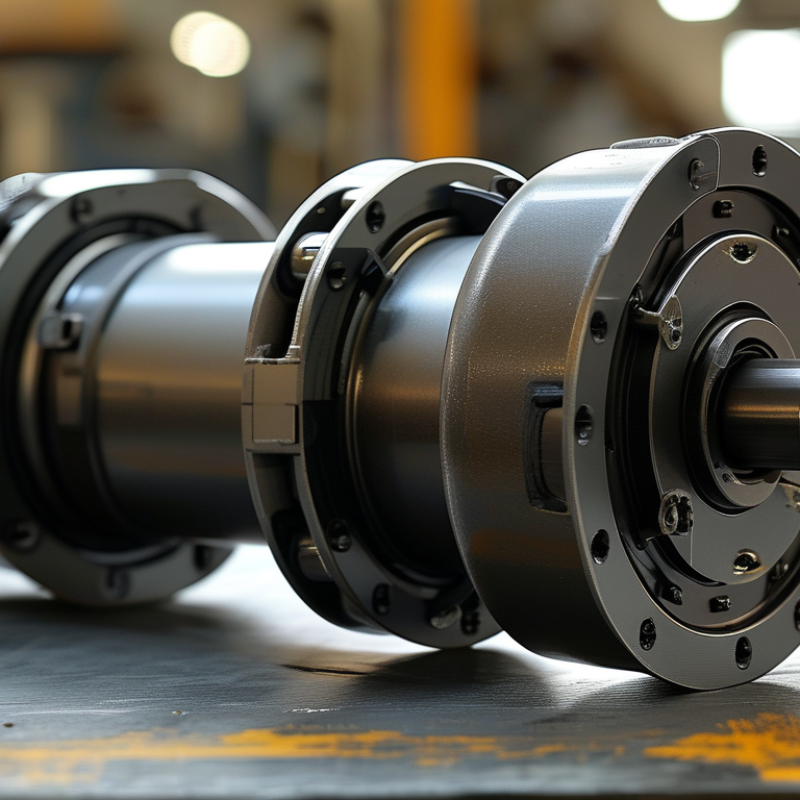
A flexible shaft coupling is a mechanical device that connects two rotating shafts. Its primary function is to transmit rotary motion while accommodating misalignment, vibration, and thermal expansion. This characteristic is vital in various applications, from industrial machinery to automotive systems.
The design of flexible couplings allows for a degree of angular, parallel, and axial misalignment. This flexibility helps prevent wear and tear on connected components, contributing to longer equipment life. For instance, in a motor-driven pump system, a flexible coupling can absorb vibrations and shocks, ensuring smooth operation.
However, using these couplings isn't without challenges. Selecting the right type and size can be complex. Misjudging these factors may lead to inefficient performance.
Installation can also present difficulties. Ensuring proper alignment during setup is crucial. Any errors can cause premature failure of the coupling or connected equipment. It’s worth noting that maintenance of flexible couplings is often overlooked. Regular inspections can help identify wear early, preventing costly breakdowns.
Flexible shaft couplings are essential in various industrial applications. They accommodate misalignments between connecting shafts and can absorb shock loads. Several types of flexible shaft couplings exist, each with distinct features. Common designs include jaw couplings, bellows couplings, and disc couplings.
Jaw couplings consist of two hubs and an elastomeric insert. They are popular due to their simplicity and cost-effectiveness. Data from industry reports indicate that jaw couplings account for around 30% of the flexible coupling market. This design allows for slight misalignments and dampens vibrations, making it suitable for many applications.
Bellows couplings are known for their precision. They use a flexible metal bellows to connect shafts, providing excellent torque transmission without backlash. According to a recent study, bellows couplings are increasingly favored in robotic and automation systems due to their reliability and ability to handle high loads. Disc couplings, on the other hand, are often used in high-speed applications. They feature flat discs that flex to absorb misalignment, ensuring smooth operation. The continuous evolution in coupling technology reflects the need for improved performance and adaptability in modern engineering.
Flexible shaft couplings play a vital role in mechanical systems. They connect two shafts while allowing some degree of misalignment. This adaptability enhances the lifespan of machinery. It reduces wear on components, ensuring smoother operation in various conditions.
One of the key benefits is vibration dampening. Flexible couplings absorb shocks from rotating machinery. This leads to less noise and lower operational stress. Operators notice improved performance in systems with fluctuating loads. Additionally, they are often lightweight, making installation easier. This can simplify maintenance and reduce downtime.
However, flexibility can be a double-edged sword. If a coupling is too flexible, it may not transfer torque effectively. Users must select the appropriate type for their needs. Regular inspections are essential to identify wear or damage. Monitoring coupling performance ensures reliability in demanding environments. The balance between flexibility and strength is crucial for optimal functioning.
When selecting a flexible shaft coupling, several factors come into play. First, the application's specific requirements must be understood. These include the torque capacity, misalignment types, and the speed range of the machinery involved. According to a recent industry report, nearly 70% of mechanical failures can be traced back to improper coupling choices.
The environment also influences coupling selection. Factors like temperature, humidity, and exposure to chemicals can affect material durability. For instance, in highly corrosive environments, using couplings made from specialized alloys or plastics can extend service life. Research indicates that selecting the right material can enhance the lifespan of a coupling by up to 50%.
Another crucial element is the coupling's flexibility. This characteristic must align with the expected misalignment scenarios. Rigid couplings may cause stress on machinery components, leading to premature failure. A study from a leading engineering group revealed that adding flexibility in couplings helps reduce vibration and wear. Ignoring these elements can lead to costly downtime and maintenance issues for businesses.
Flexible shaft couplings play a vital role in modern machinery. They accommodate misalignment and reduce vibrations. In industries like automotive, aerospace, and manufacturing, these couplings ensure reliability. They connect components effectively, maintaining performance even under stress.
Tips for selecting the right coupling: Consider the shaft diameter and torque requirements. Assess the operating environment. A coupling must handle vibrations and misalignments.
Flexible couplings vary in design and material. Each type suits specific applications. For example, elastomeric couplings absorb shock well, while metallic ones provide durability. This diversity enhances performance across different fields. Choosing the wrong type can lead to failures, affecting production timelines.
Always evaluate the coupling's specifications. Make sure they align with your machinery's demands. Remember, the wrong choice can cost time and resources. Ensure you understand the requirements before making a purchase.
: They connect two shafts while allowing misalignment, enhancing machinery lifespan.
They reduce wear on components, leading to smoother operation in various conditions.
They dampen vibrations, absorbing shocks from rotating machinery.
Regular inspections help identify wear or damage, ensuring reliability in demanding environments.
Temperature and exposure to chemicals can impact material durability and lifespan.
Users should understand torque capacity, misalignment types, and speed range for their applications.
Yes, too much flexibility may hinder effective torque transfer and cause issues.
The right material can enhance lifespan by up to 50%, especially in harsh environments.
It may lead to costly downtime and maintenance problems for businesses.
Rigid couplings may stress components, resulting in premature failure and increased maintenance needs.
A Flexible Shaft Coupling is a crucial component in mechanical systems, designed to connect two shafts while accommodating misalignment and reducing vibrations. Its primary function is to transmit torque and motion between shafts while allowing for slight movements due to angular or axial misalignment. Various designs of flexible couplings exist, including elastomeric, gear, and pin-and-bush types, each suited for specific applications.
The use of Flexible Shaft Couplings offers numerous benefits, such as improved performance, enhanced durability, and increased system efficiency. When selecting a coupling, factors like load capacity, misalignment compensation, and environmental conditions must be considered. Additionally, the performance standards and applications of these couplings are essential in industries ranging from automotive to manufacturing, underscoring their significance in modern mechanical engineering.

Stepper Motor