Selecting the right AC Gear Motor is vital for optimizing performance in various applications. According to a recent report by MarketsandMarkets, the global AC gear motor market is expected to reach $4.86 billion by 2026. This growth highlights the increasing demand for efficient and reliable motors across industries.
When choosing an AC Gear Motor, several factors come into play. You must consider torque, speed, and the specific application requirements. For instance, a motor that operates smoothly in one environment may not perform adequately in another. Inadequate selection can lead to inefficiencies and increased operational costs.
Understanding your application’s unique needs is crucial. Reliable data from the International Electrotechnical Commission shows that a mismatch in gear motor specifications can result in performance losses of up to 30%. Hence, taking the time to evaluate all parameters is not just important; it's essential for achieving operational success. Reflecting on your choices can lead to better decisions in the long run.
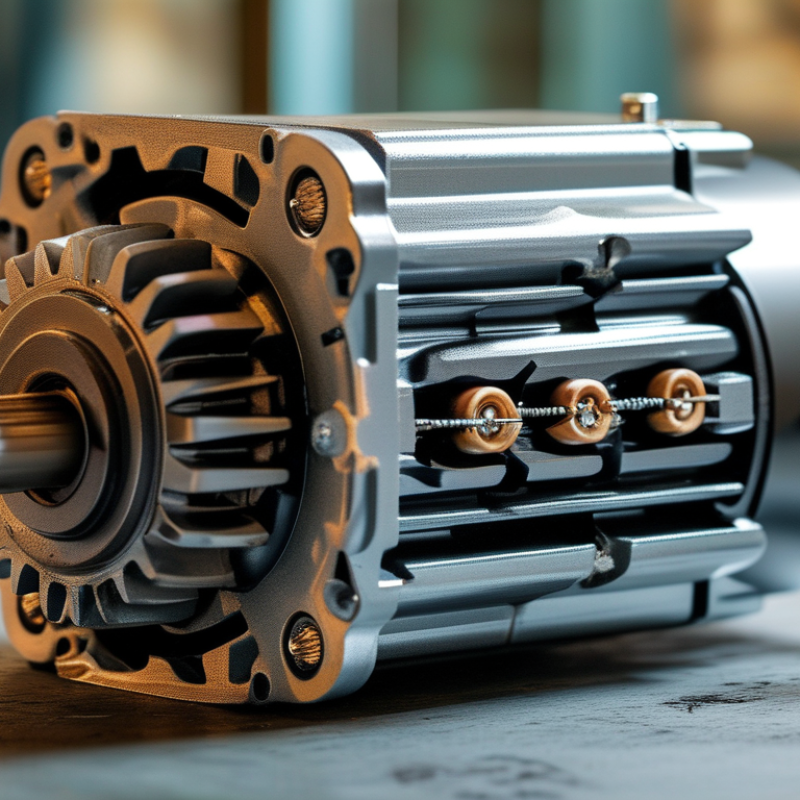
When choosing an AC gear motor, understanding the basics is crucial. AC gear motors combine an AC motor with a gear reducer. This combination offers improved torque and reduced speed. These features make them ideal for various applications, from conveyor systems to robotics.
Different specifications matter greatly. Horsepower, voltage, and phase differences can affect performance. It's important to assess the load requirements and how the motor will operate. Additional factors like temperature range and environment may influence your choice. A motor that works well in one setting might not be suitable in another.
Over-reliance on general guidelines can lead to mistakes. Each application is unique, necessitating a careful evaluation of specific needs. Testing a motor in real conditions can highlight potential issues. Users should be ready to adapt and reconsider their choices based on performance feedback. Understanding the unique characteristics of each motor is key to successful implementation.
When selecting an AC gear motor, identifying the requirements of your application is crucial. Start by assessing the load characteristics. How much weight will the motor need to move? Determine the torque needed to drive the load efficiently. A motor that is too small will struggle, while an oversized motor may waste energy.
Next, consider the speed requirements. Some applications demand high-speed rotation, while others require slow, controlled movements. This decision directly impacts the type of gear motor you choose. Also, think about the environment. Will your motor operate in a dusty or wet setting? These factors can influence durability and performance.
Power source is another critical aspect. Ensure the motor’s voltage matches your available supply. Also, you should reflect on control methods. Do you need variable speed? This might necessitate an electronic control system. When you have clarity on these aspects, selecting an effective gear motor becomes less daunting. However, it’s essential to revisit these requirements throughout the project, as initial assumptions may change.
When selecting an AC gear motor, evaluating gear ratios and torque needs is crucial. Gear ratios determine the speed and force output of the motor. A higher gear ratio means higher torque but lower speed, while a lower ratio results in increased speed with less torque. Recent industry reports indicate that 70% of motor failures arise from miscalculating torque requirements. This highlights the need for careful analysis.
Calculating your application’s torque needs involves identifying the load and the point of application. Understanding the mechanical load can help prevent issues. For instance, if a motor operates at 90% of its rated torque, its lifespan may be considerably diminished.
Tips: Always consider a safety factor. A common practice is to select a motor that offers at least 20% more torque than calculated. This cushion accommodates unforeseen changes in load or operational conditions. Additionally, prototype tests can provide real-world insights into performance.
While selecting gear ratios, consider the inertia of your load. An inappropriate gear ratio can lead to inefficiencies or overloading. It’s essential to reflect on the implications of your choices. What works today may not suit future needs.
Selecting the right voltage and power options is crucial for optimal performance. An AC gear motor operates on specific voltage levels. Common choices include 120V and 240V. Your choice largely depends on the application and available power sources.
When deciding, consider the current demand and load requirements. A mismatch may result in poor efficiency or even motor failure. Understand the power needs of your machinery. Excess voltage can lead to overheating, while insufficient power can cause sluggish performance.
Tips: Always consult technical specifications before making a decision. Analyze your energy consumption patterns. Installing a motor with the wrong voltage could lead to costly repairs.
Lastly, it’s essential to reflect on your application’s long-term needs. Flexibility in voltage options can enhance adaptability. Evaluate if the initial power setup will suffice as demands evolve. A well-chosen AC gear motor can save time and money in the future.
When selecting an AC gear motor, assessing quality and reliability is crucial. A study by the International Electrotechnical Commission reported that motor failures often result from poor design and inadequate materials. Therefore, it is vital to evaluate the construction quality of the gear motor. Look for motors with robust housing and high-quality bearings. These components improve efficiency and lifespan.
Reliability testing is another essential factor. According to a survey conducted by the Motors and Drives Technical Committee, 75% of industry professionals consider reliability as the top criterion when selecting a motor. Testing methodologies like accelerated life tests can reveal potential issues. Understanding the motor's operating environment also impacts its reliability. For example, exposure to moisture or extreme temperatures can decrease longevity.
Deciding on the right specifications is equally important. Knowing the torque requirements and speed ratings helps prevent underperformance. Some users overlook these details, leading to operational failures. Alternatively, consulting data sheets and performance curves can provide deeper insights. Balancing these elements can lead to better outcomes. Engaging with well-reviewed manufacturers also ensures a level of trust in the selection process.
C gear motor?
Specifications like horsepower and voltage affect performance. Assessing load requirements ensures proper motor operation.
A mismatch in voltage may lead to poor efficiency. Overvoltage can cause overheating; undervoltage may result in slow performance.
Assess the construction quality. Look for robust housing and high-quality bearings for better efficiency and lifespan.
Moisture and extreme temperatures can decrease longevity. Understanding the environment helps in selecting a suitable motor.
Testing reveals potential issues and performance feedback. It helps users adapt their choices and ensure suitability for specific needs.
Evaluate performance curves and data sheets. Knowing these details prevents underperformance and operational failures.
They're key for success. Overlooking important specs can lead to significant mistakes in your choice.
Consider future needs for voltage and power. Adapting to evolving demands can save time and costs down the road.
Choose well-reviewed manufacturers for trust. Engaging with them increases the chances of a successful selection process.
When selecting the best AC Gear Motor for your application, it is crucial to understand the fundamentals of these motors, including how they operate and their different configurations. Start by identifying the specific requirements of your application, such as speed, load, and operational environment. Evaluating gear ratios is essential, as this will directly impact the torque output needed for efficient performance.
Additionally, consider the voltage and power options available to ensure compatibility with your existing systems. It's also important to assess quality and reliability factors to minimize downtime and maintenance costs. By carefully analyzing these aspects, you can make an informed decision when choosing the most suitable AC Gear Motor for your needs, ensuring optimal functionality and longevity in your application.
Stepper Motor