The miniature gearbox industry in China is flourishing, driven by innovation and precision engineering. As of 2022, the market for miniature gearboxes is projected to reach over $1 billion. These components are vital in various applications, from robotics to medical devices.
Several suppliers have established themselves as leaders in this competitive landscape. Their success hinges on advanced manufacturing techniques and a commitment to quality. Notably, brands focusing on miniaturization are gaining traction, reflecting trends in automation and miniaturization across sectors.
However, not all suppliers maintain the same level of quality. Discrepancies in production standards can impact performance. As the demand for miniature gearboxes grows, potential buyers should carefully evaluate suppliers. Conducting thorough research is crucial to ensure reliability and optimal performance in applications.
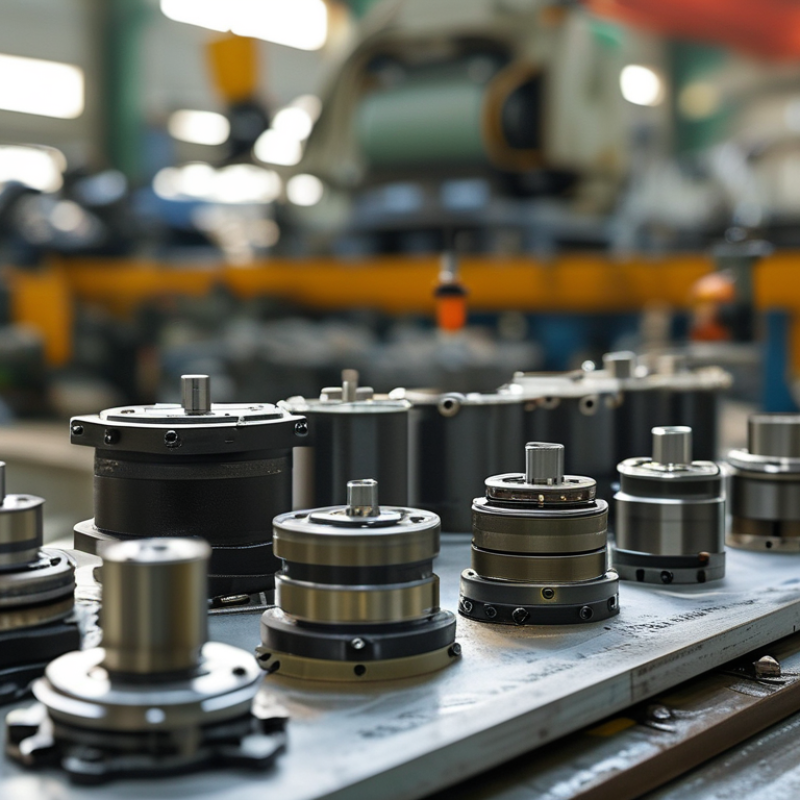
The miniature gearbox market in China has been experiencing rapid growth. This rise stems from an increasing demand in various industries, such as robotics, automotive, and consumer electronics. Miniature gearboxes are crucial for precise movement and control in machinery. Their compact size makes them ideal for applications where space is limited.
In recent years, advancements in technology have significantly improved efficiency and reliability. Manufacturers are focusing on enhancing the performance of their products to meet evolving industry standards. Despite the rapid development, challenges remain. Companies often struggle with quality control, which can affect the longevity of their gearboxes. Innovation is essential, but it must be balanced with sustainable practices.
Moreover, as more players enter the market, competition intensifies. Smaller manufacturers may find it difficult to compete with established companies. This dynamic can lead to price wars and compromises in quality. Understanding market trends and consumer needs is vital. Those who can adapt quickly will thrive in this ever-changing landscape.
When selecting a miniature gearbox supplier, certain key criteria become vital. Quality assurance is paramount. According to a report from the International Gearbox Manufacturers Association, 30% of gearbox failures stem from substandard manufacturing processes. Reliable suppliers should have rigorous testing protocols to ensure their products meet industry standards.
Cost is another important factor. However, lowest prices do not always mean the best value. A survey conducted by TechScope revealed that 45% of customers experienced higher long-term costs due to cheaper, low-quality gearboxes. Balancing price and performance ensures sustainability in procurement.
Supplier reputation is critical. Research shows that firms with ISO certifications tend to have a 20% lower failure rate. Additionally, feedback and case studies from previous clients can provide valuable insights into a supplier's reliability. Transparency in operations should be assessed, as unclear practices often lead to difficulties. Suppliers who embrace open communication will foster trust and collaboration.
When exploring the landscape of miniature gearbox suppliers in China, a careful analysis reveals several key players. The market is rich with options, yet selecting the right supplier requires diligence and understanding. An ideal supplier should combine advanced manufacturing techniques and reliable customer service. This balance is often rare, leading to some suppliers falling short on one or both fronts.
Many suppliers focus on producing various gear ratios and sizes. Others emphasize innovative designs to meet specific applications. However, a significant number lack quality control measures, resulting in inconsistency. Buyers should advocate for transparency in production processes. This ensures the chosen supplier adheres to high standards. Reviews and case studies can provide insight into their capabilities.
In some instances, communication issues arise. This can lead to misunderstandings and project delays. Evaluating a supplier’s responsiveness can save time. Additionally, the rising demand for precision in miniature applications places more pressure on suppliers. It’s critical to assess whether they can adapt to rapid changes in market needs. Potential customers should engage in thorough discussions before making commitments.
Miniature gearboxes are crucial in various industries, including robotics and automation. Recent advancements in technology are revolutionizing their production. The global miniature gearbox market is projected to reach $2.2 billion by 2028, driven by these innovations. Manufacturers are now using advanced materials like carbon fiber and lightweight alloys. These materials enhance strength while reducing weight, which is essential for precision applications.
Moreover, production techniques are evolving. The incorporation of 3D printing allows for more intricate designs. This technology reduces lead times significantly. Industry reports indicate that additive manufacturing could cut production costs by 30%. However, some challenges remain. Quality control can be a concern. Ensuring that new techniques produce consistent, reliable products is vital for market trust.
In addition, the shift toward automation in production is significant. Smart factories are now emerging in China. This trend enables greater flexibility and responsiveness in manufacturing processes. Despite these advancements, the industry must navigate issues like supply chain disruptions. Companies need robust strategies to ensure resilience. Embracing technological innovations is essential but requires continuous evaluation and adjustment.
The miniature gearbox industry in China is undergoing significant transformation. According to a report by MarketsandMarkets, the market is projected to reach USD 2.5 billion by 2025, with a compound annual growth rate (CAGR) of 7.5%. This growth is driven by advancements in automation and robotics. Small yet efficient gearboxes are crucial in applications ranging from medical devices to consumer electronics.
Current trends show a shift toward more energy-efficient designs. Manufacturers are focusing on minimizing energy loss within gear systems. Data from Frost & Sullivan highlights that about 40% of the energy in mechanical systems is wasted in conventional gearboxes. Innovative materials and coatings are being explored to enhance performance. For example, lightweight composites can reduce the overall weight of the gearboxes, increasing their efficiency in various applications.
Despite these advancements, challenges persist. Many suppliers face pressure to lower costs while maintaining quality. Additionally, the demand for customization complicates manufacturing processes. Some reports indicate a skills gap in the workforce trained for advanced manufacturing techniques. Companies need to address these issues to fully harness the potential of miniature gearboxes in the rapidly evolving technological landscape.
| Supplier Type | Production Capacity (units/month) | Annual Revenue (Million USD) | Export Markets | Industry Applications |
|---|---|---|---|---|
| High Precision Gearbox | 100,000 | 50 | North America, Europe, Asia | Robotics, Automation |
| Miniature Servo Gearbox | 80,000 | 30 | Asia, Latin America | Consumer Electronics, Medical Devices |
| DC Gear Motor | 120,000 | 45 | Global | Automotive, Robotics |
| Planetary Gearbox | 90,000 | 40 | Europe, Asia | Industrial Equipment, Telecommunications |
| Custom Gear Solutions | 70,000 | 25 | North America, Europe | Aerospace, Medical |
| Robotic Gearbox | 60,000 | 20 | Asia, North America | Robotics, Automation |
| Hypoid Gearbox | 50,000 | 15 | Europe, Asia | Machinery, Automotive |
| Worm Gear Drive | 40,000 | 10 | North America, Asia | Industrial Automation, Robotics |
| High Torque Gearbox | 30,000 | 12 | Global | Energy, Manufacturing |
| Compact Gearbox | 20,000 | 8 | North America, Europe | Consumer Products, Robotics |
: The robotics, automotive, and consumer electronics industries are driving growth in the miniature gearbox market.
They provide precise movement and control in machinery, making them essential for many applications.
Quality control issues can affect the longevity of gearboxes, creating hurdles for manufacturers in the market.
The lowest price may lead to higher long-term costs due to poor quality. Balance is key in decision-making.
A strong reputation, often indicated by ISO certifications, correlates with lower failure rates and greater reliability.
Advances like 3D printing and new materials are enhancing efficiency, but they also raise concerns about quality control.
Smart factories utilize automation for more responsive manufacturing but require careful management of supply chain risks.
Understanding trends and being flexible are crucial for survival in a competitive landscape.
Lightweight alloys and carbon fiber enhance strength while maintaining low weight, crucial for precision applications.
Clear communication can build trust and reduce difficulties in the supplier-client relationship.
The miniature gearbox market in China is rapidly evolving, driven by advancements in technology and increasing demand across various industries. This article explores the key criteria for selecting a reliable miniature gearbox supplier, emphasizing aspects such as quality, customization options, and delivery capabilities. It also provides a detailed analysis of the top 10 suppliers in the country, offering insights into their strengths and market offerings.
Furthermore, the article highlights significant technological innovations in miniature gearbox production, which are enhancing efficiency and performance. Looking ahead, the future trends in the miniature gearbox industry indicate a shift towards more compact and energy-efficient solutions, reflecting the growing emphasis on sustainability in manufacturing processes. As companies continue to seek effective transmission solutions, understanding these market dynamics becomes essential for making informed decisions in selecting miniature gearboxes.

Stepper Motor