Explore our highly-acclaimed CE-certified drive units and planetary gearboxes, engineered for subsea exploration, automated locks, water testers, and mechanical positioning control systems.
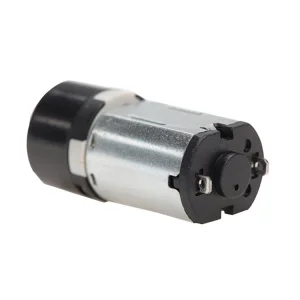
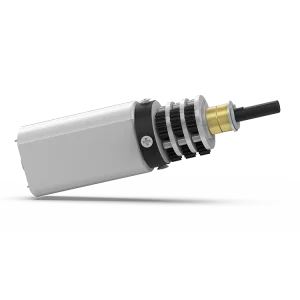
TQC Micromotor is a forward-thinking Chinese manufacturer redefining precision motion control in the micro-drive industry. We design and build high-efficiency micro DC and BLDC motors that power next-generation technologies worldwide.
Driven by our core philosophy—Top Quality & Customization—we combine advanced manufacturing tech with flexible engineering to provide global B2B clients with the transparency of a local partner and the cost benefits of a premier Chinese factory. Built to last. Engineered to fit.
A Technical Deep Dive into Modern Micro-Drive Architectures, Maritime Environmental Constraints, and Global Export Frameworks.
The modern marine sector is undergoing a profound paradigm shift. Historically dominated by massive, heavy-duty hydraulic machinery, contemporary marine engineering now prioritizes micro-automation, high torque density, and electro-mechanical precision. Marine gear systems are critical elements in this transformation. From automated water sampling buoys to the dynamic position control systems of autonomous subsea vessels (AUVs), low-noise, high-reliability micro gearboxes are the unsung heroes of oceanic technology.
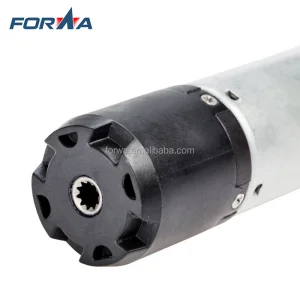
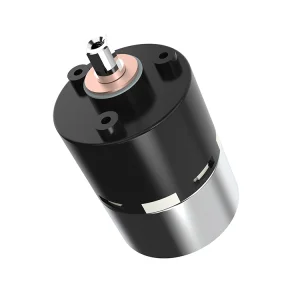
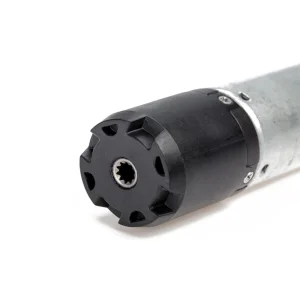
In maritime micro-drives, planetary gear systems have established themselves as the industry benchmark. Because marine applications present strict spatial constraints, traditional spur gear assemblies often fall short. Planetary gearboxes distribute loads across multiple planetary gears, facilitating unparalleled torque transmission in an extremely compact footprint. These systems are highly efficient, maintaining rotational accuracy (low backlash) under severe axial and radial loads, making them ideal for steering gear configurations, automated marine valve adjusters, and precision oceanic instrumentation.
Information Gain Concept: Unlike heavy industrial shipping gears, micro-marine actuators operate in highly confined micro-environments. The design must emphasize chemical resistivity (via advanced polymers like POM and Nylon) and electromagnetic compatibility (EMC) so as not to interfere with navigation electronics.
For international marine buyers, sourcing equipment without proper certification is a high-risk gamble. In the European Economic Area (EEA) and global markets, the **CE Marking** is not merely a bureaucratic formality; it is an indispensable indicator of mechanical safety, environmental compliance, and reliability. Under the European Union’s Machinery Directive 2006/42/EC and Electromagnetic Compatibility (EMC) Directive 2014/30/EU, marine gear systems must pass strict performance criteria to ensure safe and stable operation under continuous duty.
A certified marine gear system must demonstrate resilience against extreme humidity, temperature fluctuations, and chemical exposure. CE-certified products undergo rigorous testing regimes, including thermal shock tests, vibration endurance profiles, and salt mist ingress tests. This guarantees that whether a micro planetary gearbox is installed inside an automated toilet system on a luxury yacht or a water-tester sensor floating in the Atlantic, the gear teeth will not degrade prematurely, nor will the motors generate radio frequencies that compromise marine radar or communication channels.
China has evolved from a mass-producer of basic components into the epicenter of high-tech precision micro-drive engineering. The synergy of specialized industrial clusters, massive investment in CNC automation, and access to premium polymers (such as DuPont POM and custom Nylon blends) gives Chinese exporters like TQC Micromotor a distinctive competitive edge.
The manufacturing advantage is anchored in three key metrics:
Selecting the correct gear material is a critical engineering decision in marine design. Seawater, high humidity, and salt spray accelerate the degradation of standard carbon steels. Consequently, marine micro gear systems rely heavily on engineered plastics or premium non-ferrous alloys.
Polyoxymethylene (POM): Also known as acetal, POM is highly valued for its high stiffness, low friction, and exceptional dimensional stability. It exhibits negligible water absorption, meaning its mechanical properties remain constant even when fully submerged. This makes POM the go-to material for small-modulus spur gears and planetary gear stages in lightweight marine applications.
Nylon (Polyamide): Nylon offers superior impact resistance and vibration damping compared to POM. It absorbs mechanical shocks from waves and propeller vibrations effectively. However, because standard nylon has a higher water absorption rate, engineers frequently utilize glass-fiber reinforced Nylon composites to ensure dimensional stability in wet environments.
B2B procurement professionals sourcing marine gear systems from China must establish robust verification protocols to mitigate supply chain risks. Standard inspections must go beyond basic dimensional checking. To ensure E-E-A-T alignment, look for factories equipped with advanced verification instruments.
Essential quality control checkpoints include:
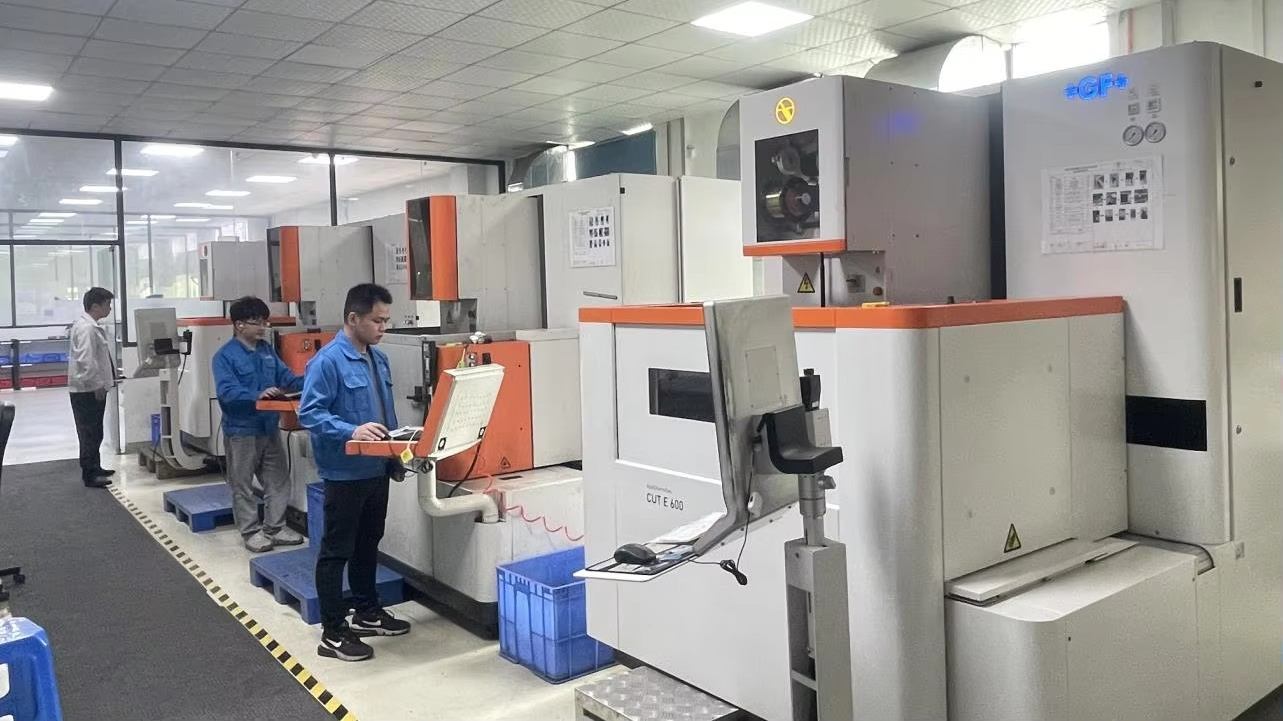
TQC Micromotor’s state-of-the-art manufacturing facility operates with surgical precision, incorporating advanced molding, CNC machining, slow wire cutting, and industry-grade metrology tools.
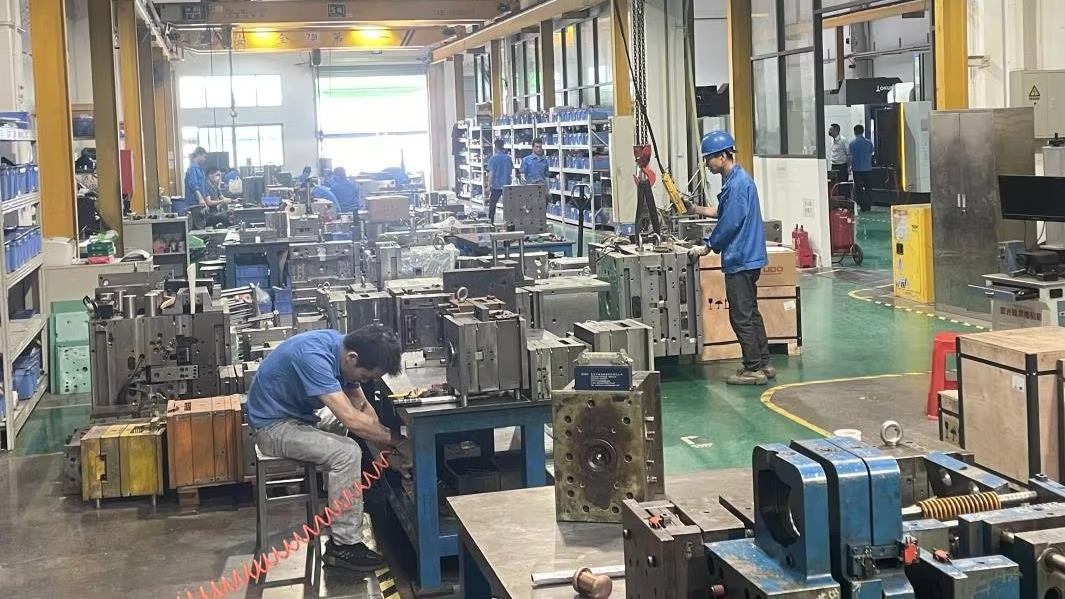
Ultra-precise tooling and machining of micro mechanical components to strict tolerances.
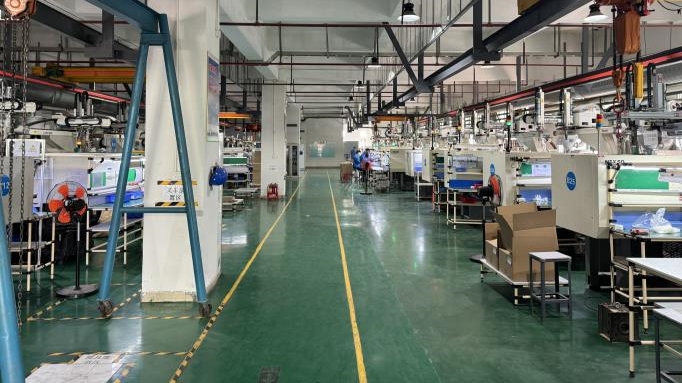
In-house creation of high-durability molds designed for microscopic planetary gear stages.
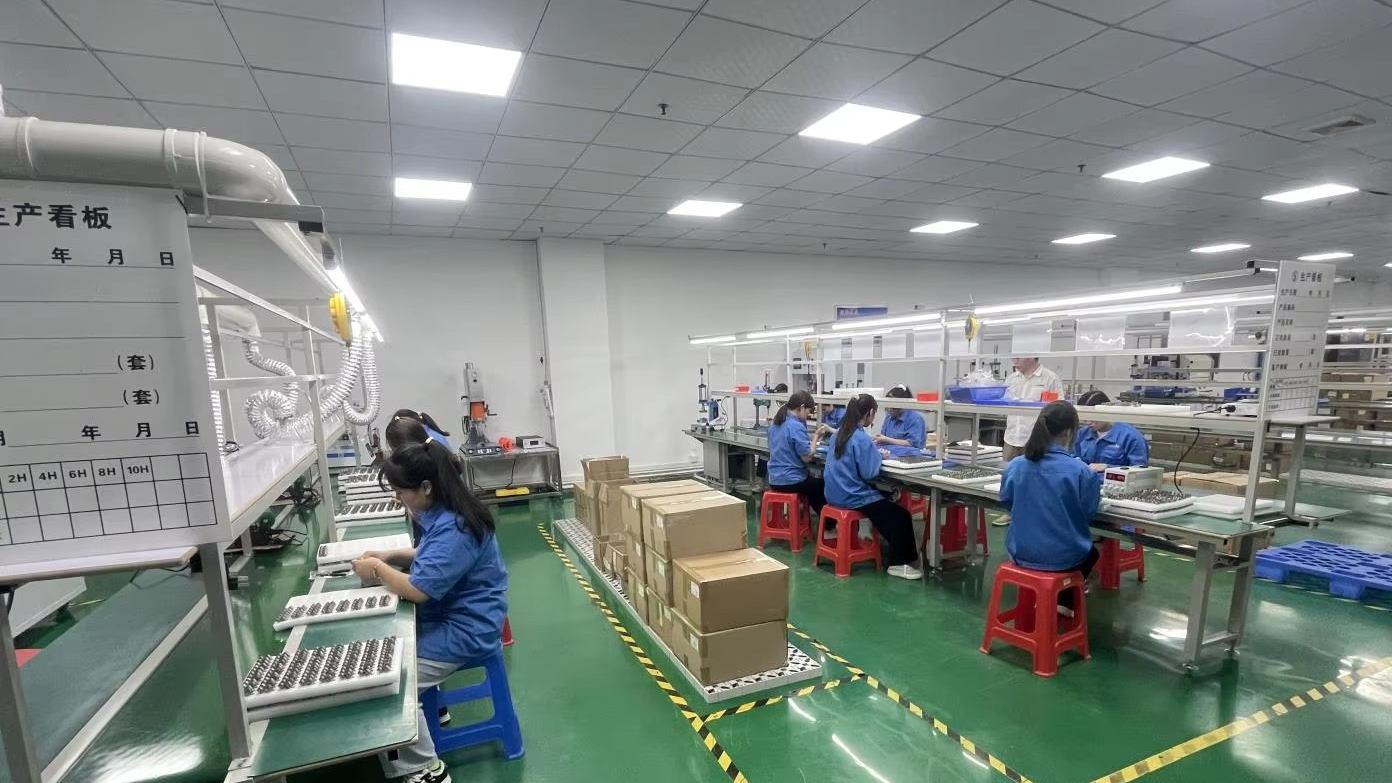
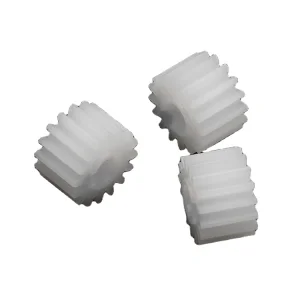
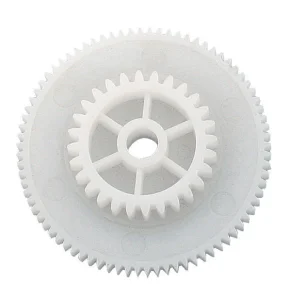
Precision fabrication of POM, Nylon, and ABS plastic gears using state-of-the-art thermal controls.
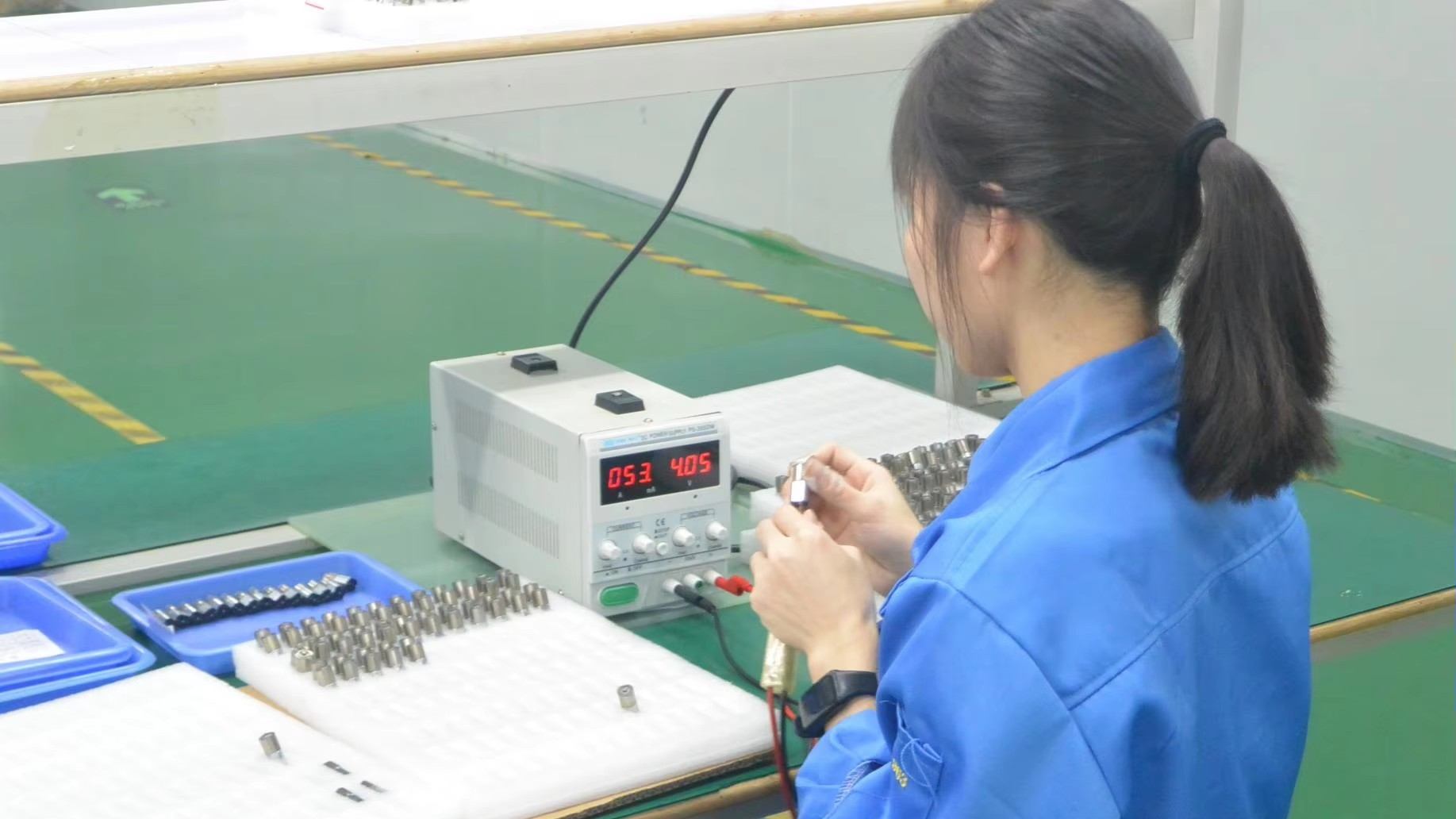
Dust-free assembly environment ensuring clean micro motor-gearbox integrations.
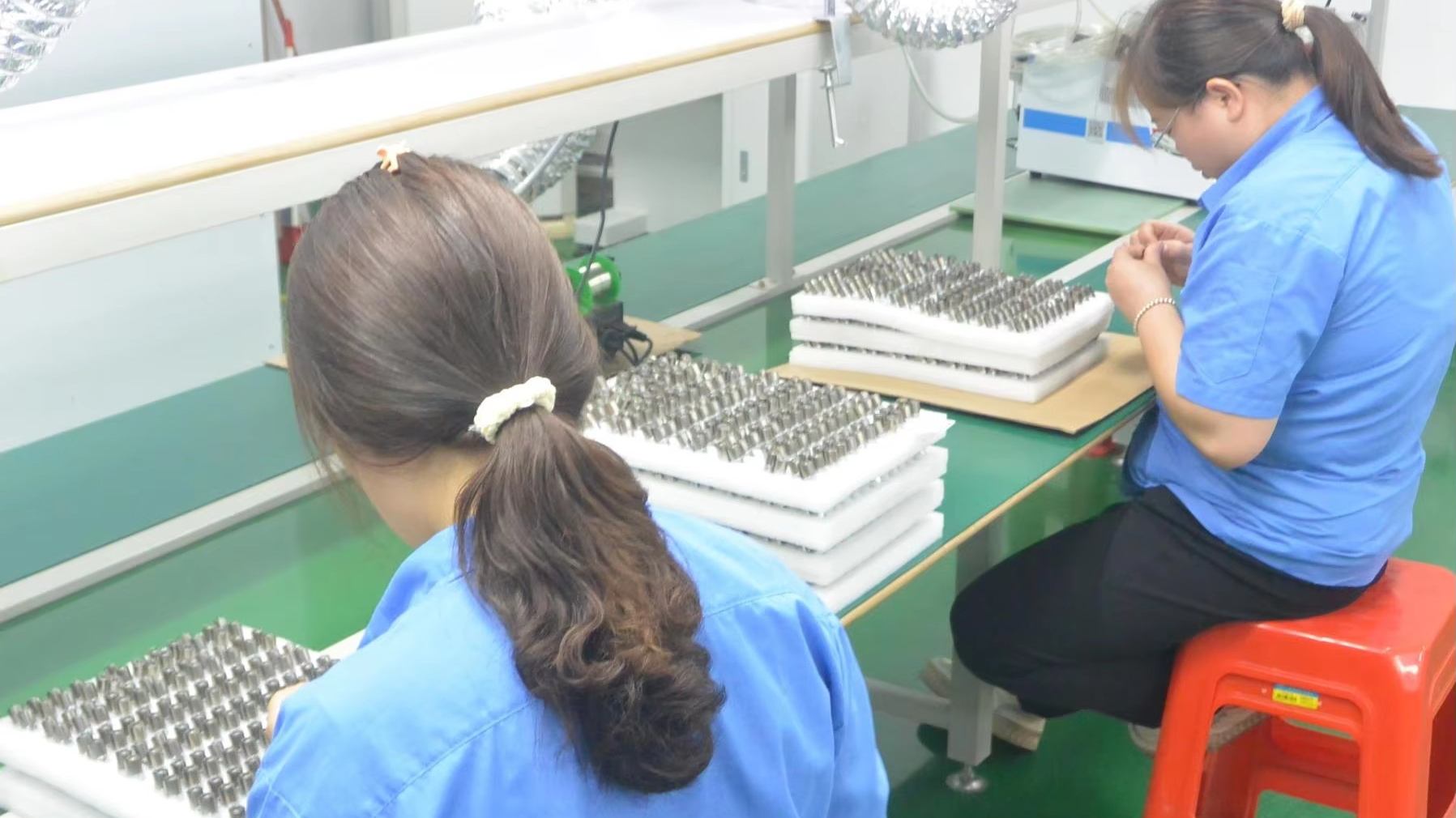
Rigorous static and dynamic quality analysis prior to bulk export packaging.
Protective, anti-static custom export packaging for safe long-distance global logistics.
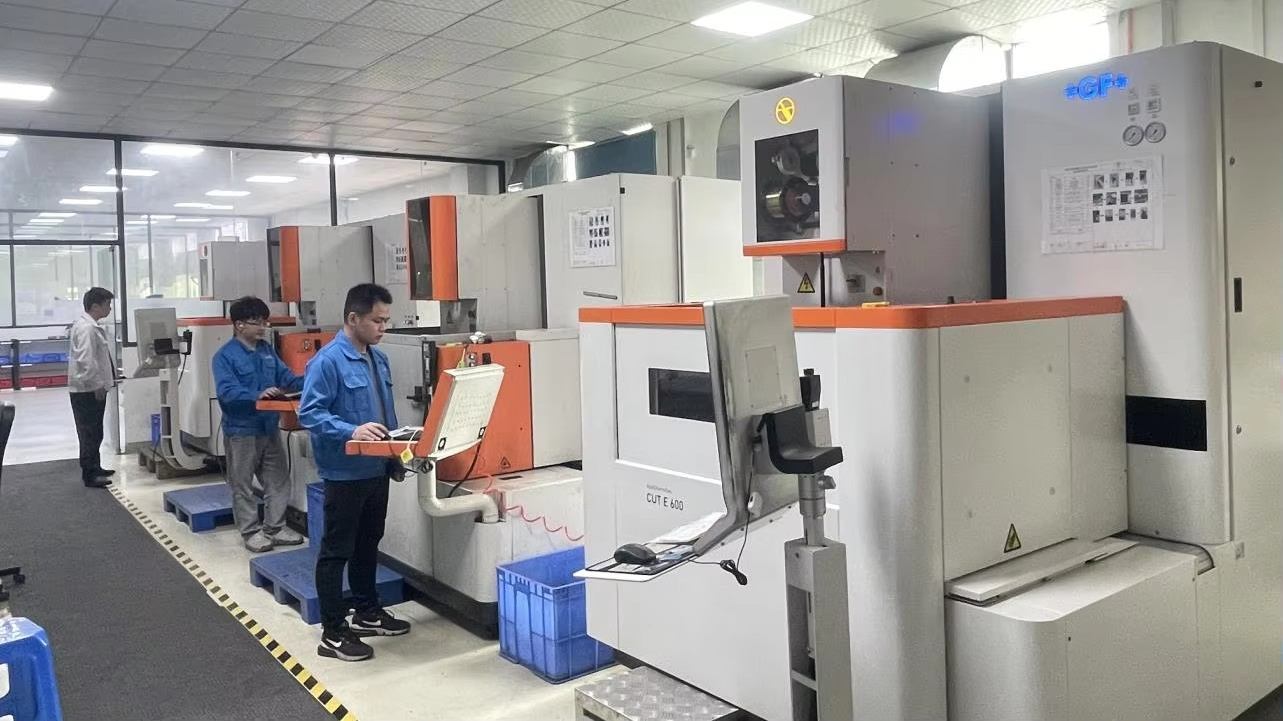
Ultra-precise EDM wire-cutting machine for shaping complex gear tooth profiles.
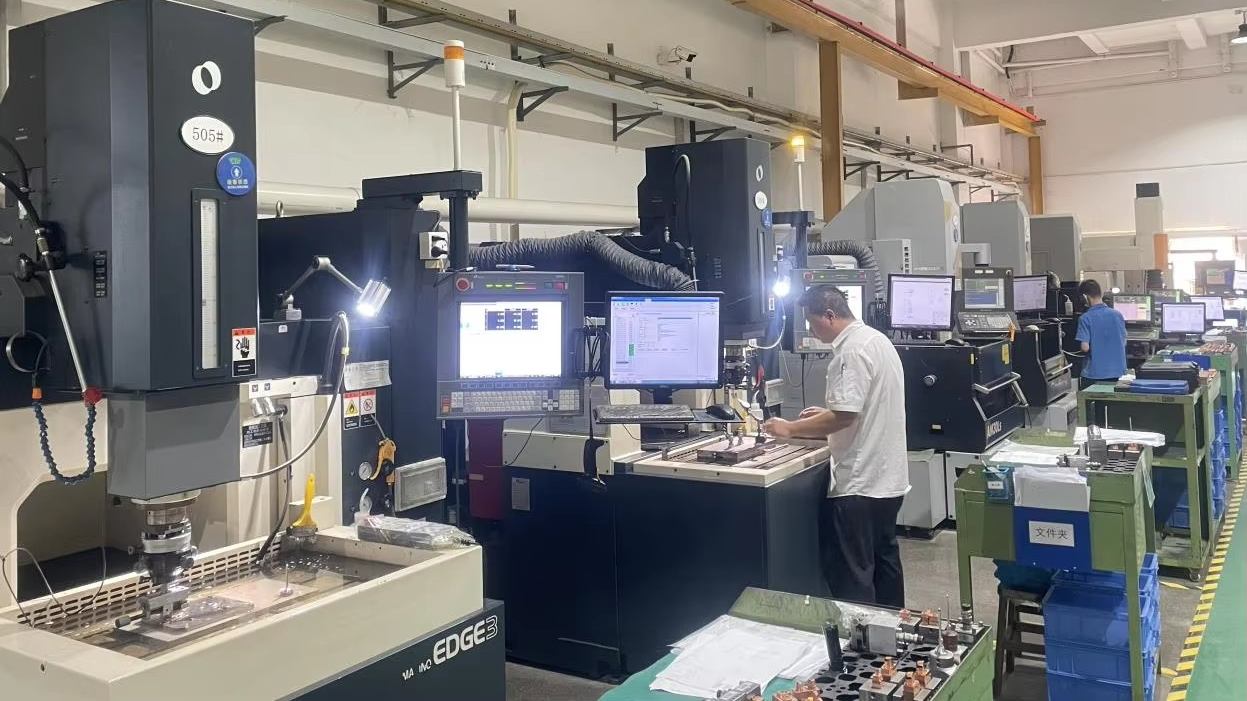
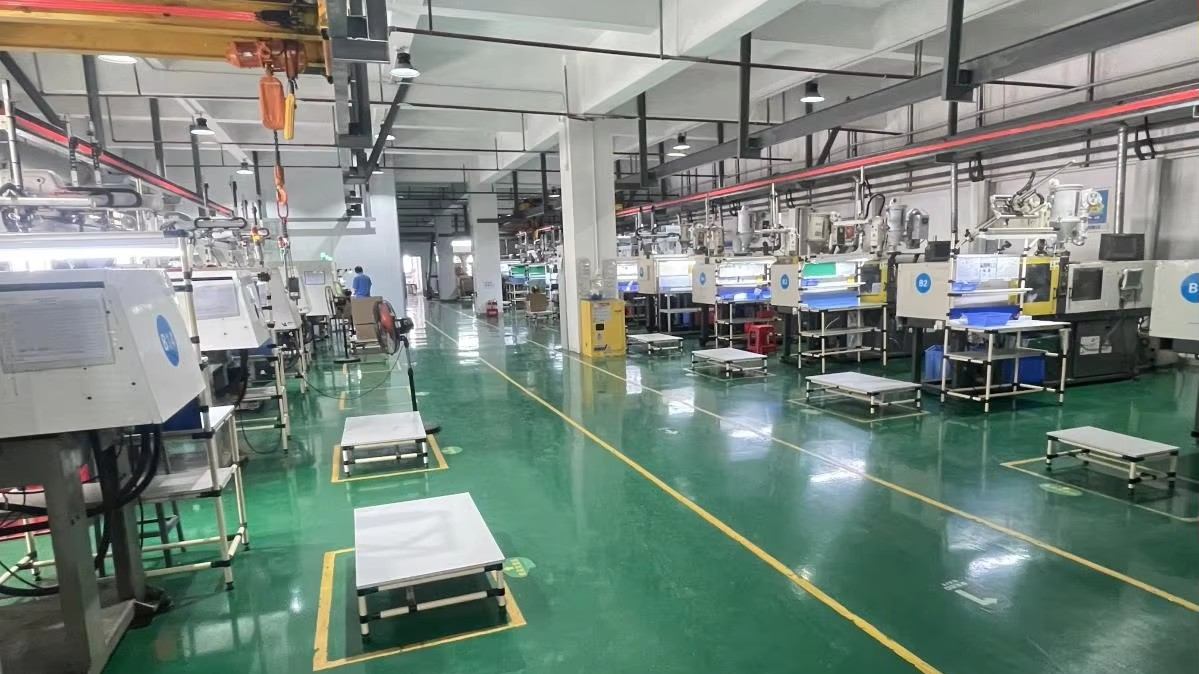
Heavy industrial injection center optimized for producing specialized polymers.
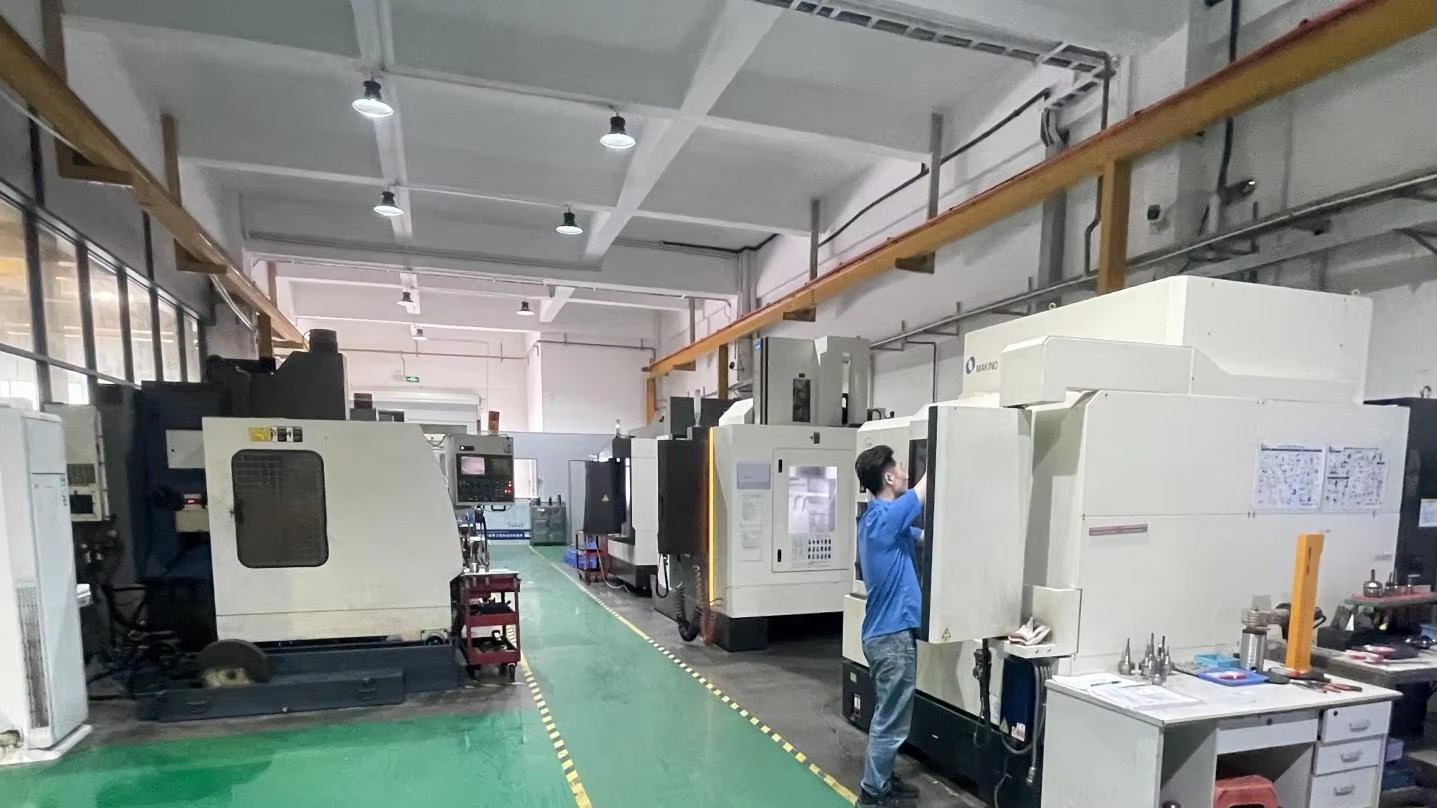
Electrical Discharge Machining center creating precise mold geometries.
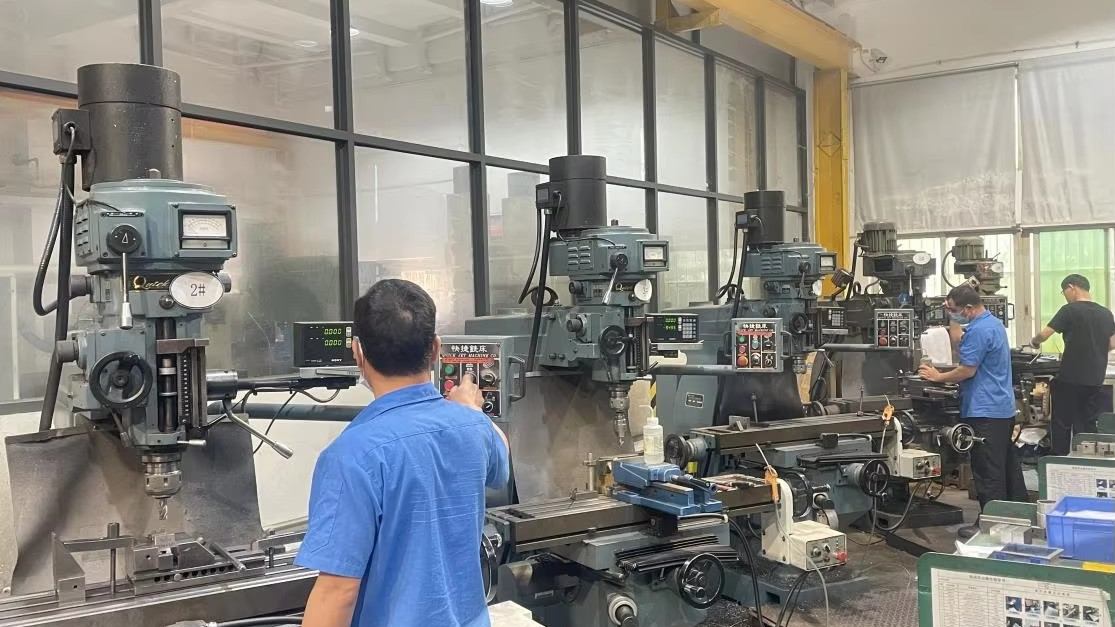
High-speed computerized numerical control machining for custom metal shafts and gears.
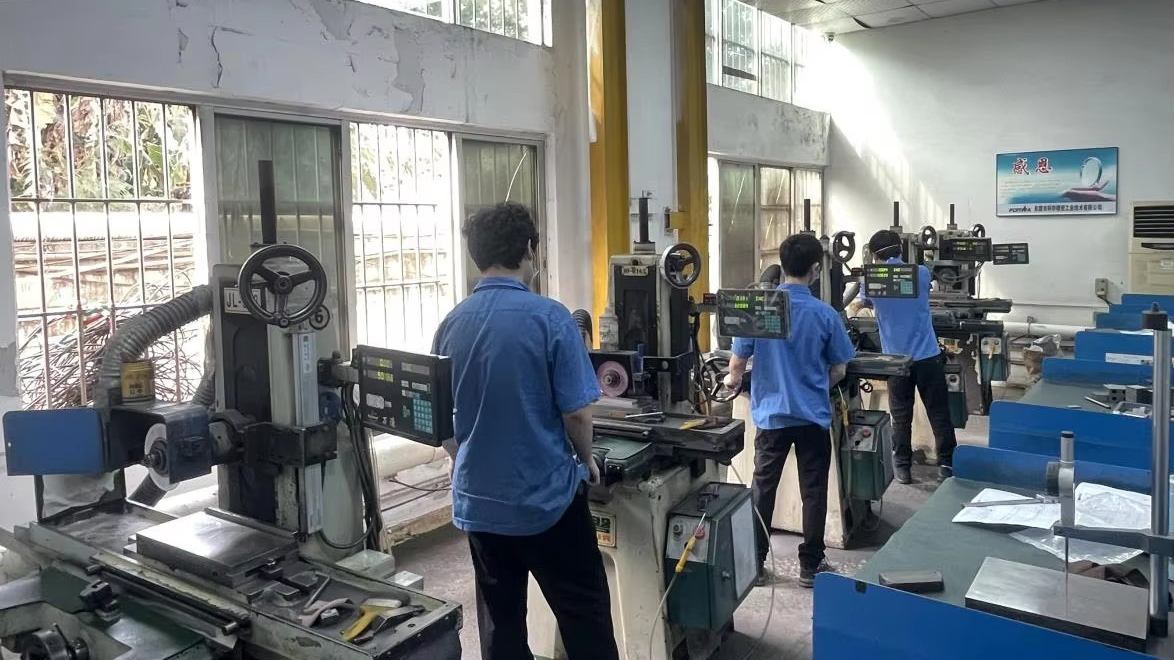
Versatile machine shop resources for rapid prototyping and frame production.
Precision grinding of gear contact faces for noise reduction and smooth rotation.
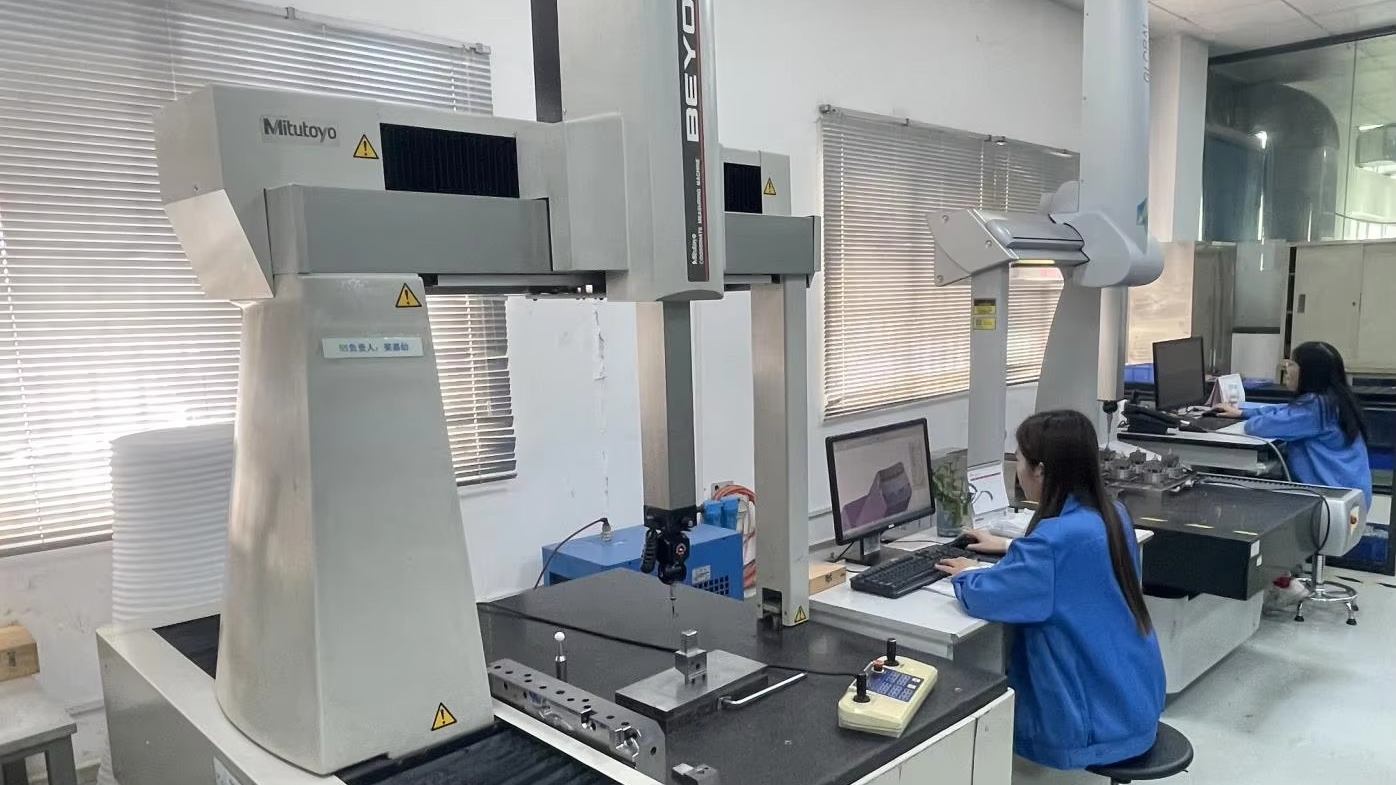
Automated 3D probe measuring to verify structural dimensional accuracy.
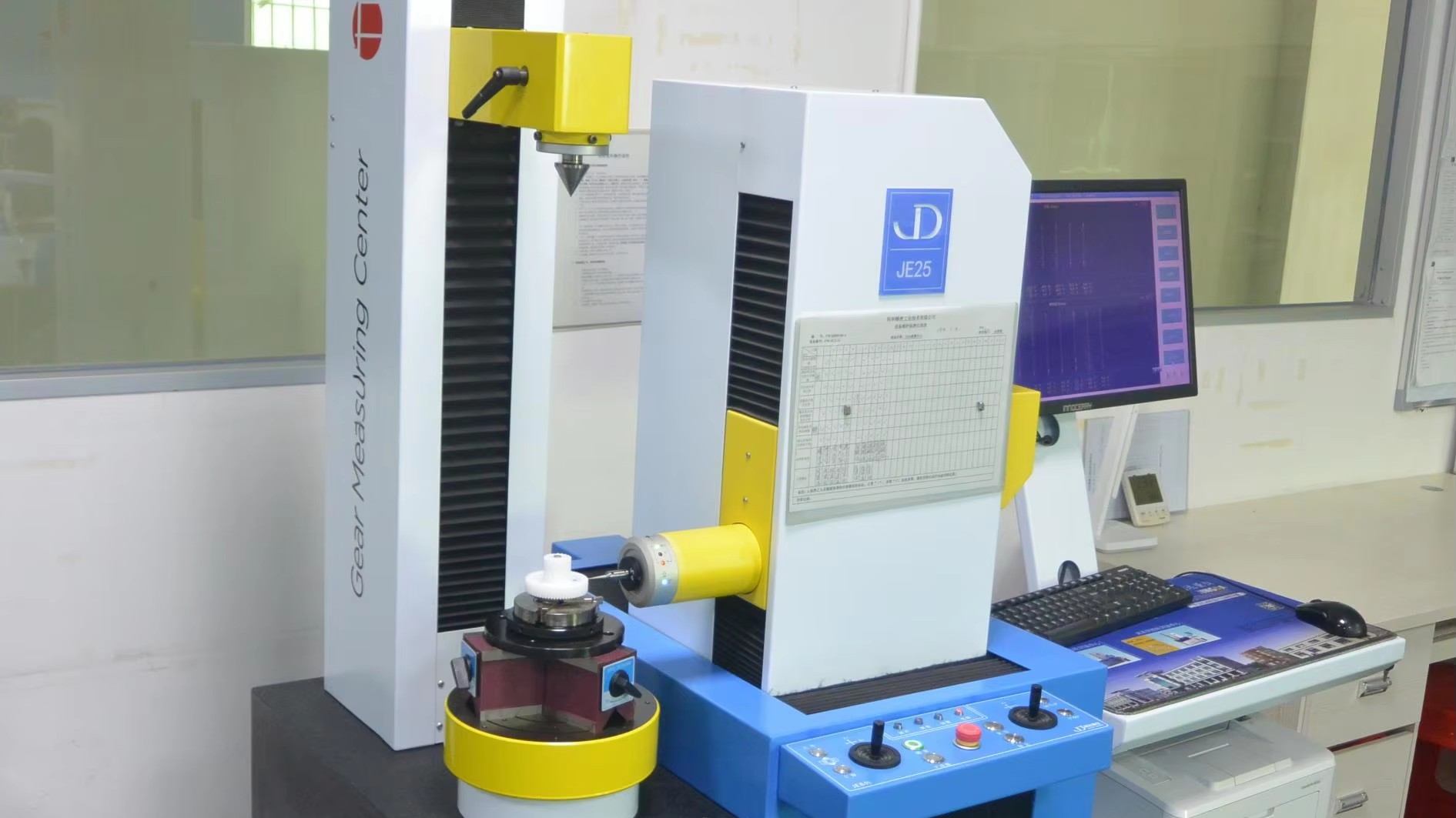
Specialized gear inspection equipment evaluating run-out and pitch errors.
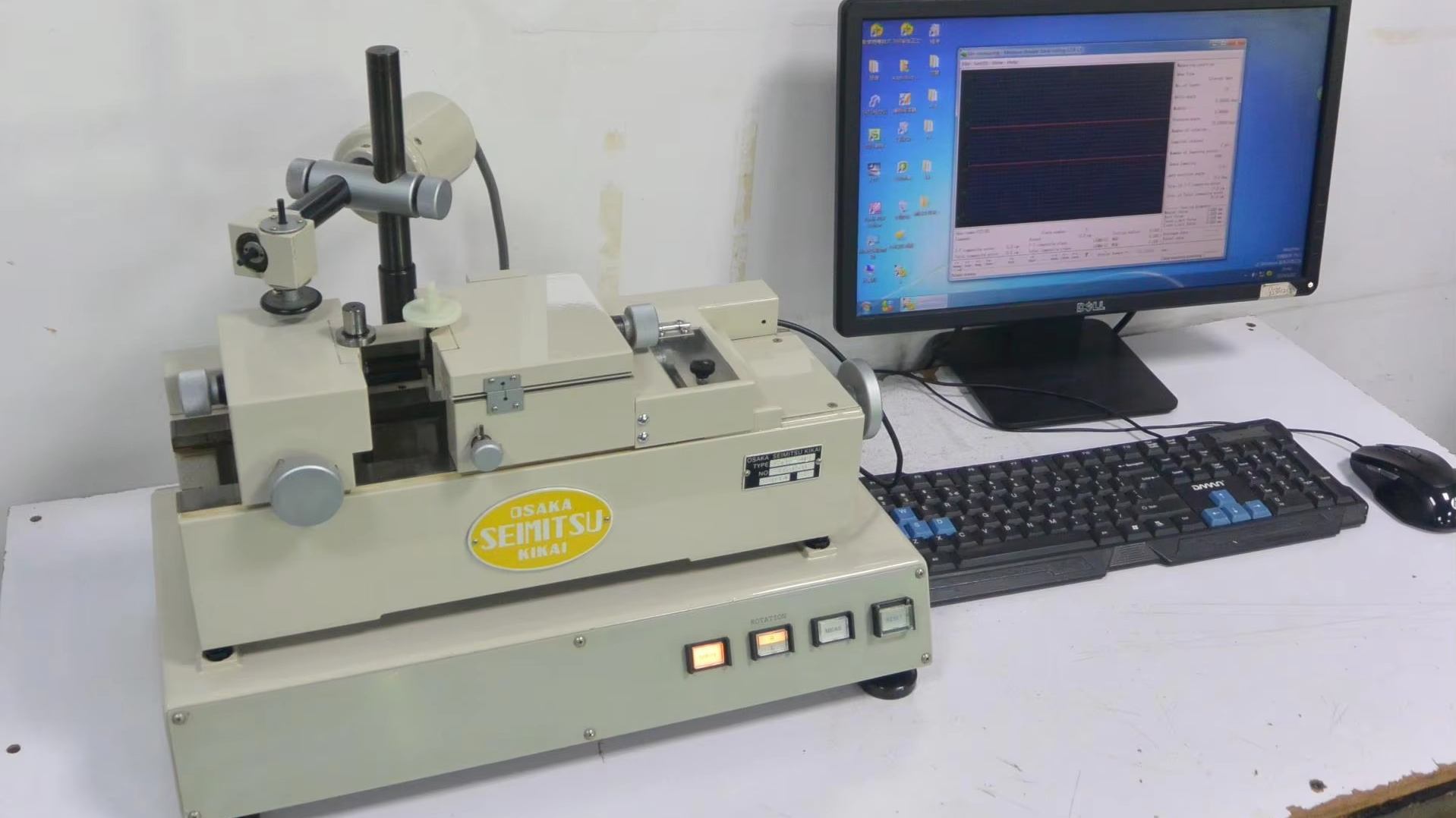
Dynamic friction and torque meshing verification tool for premium gear stages.
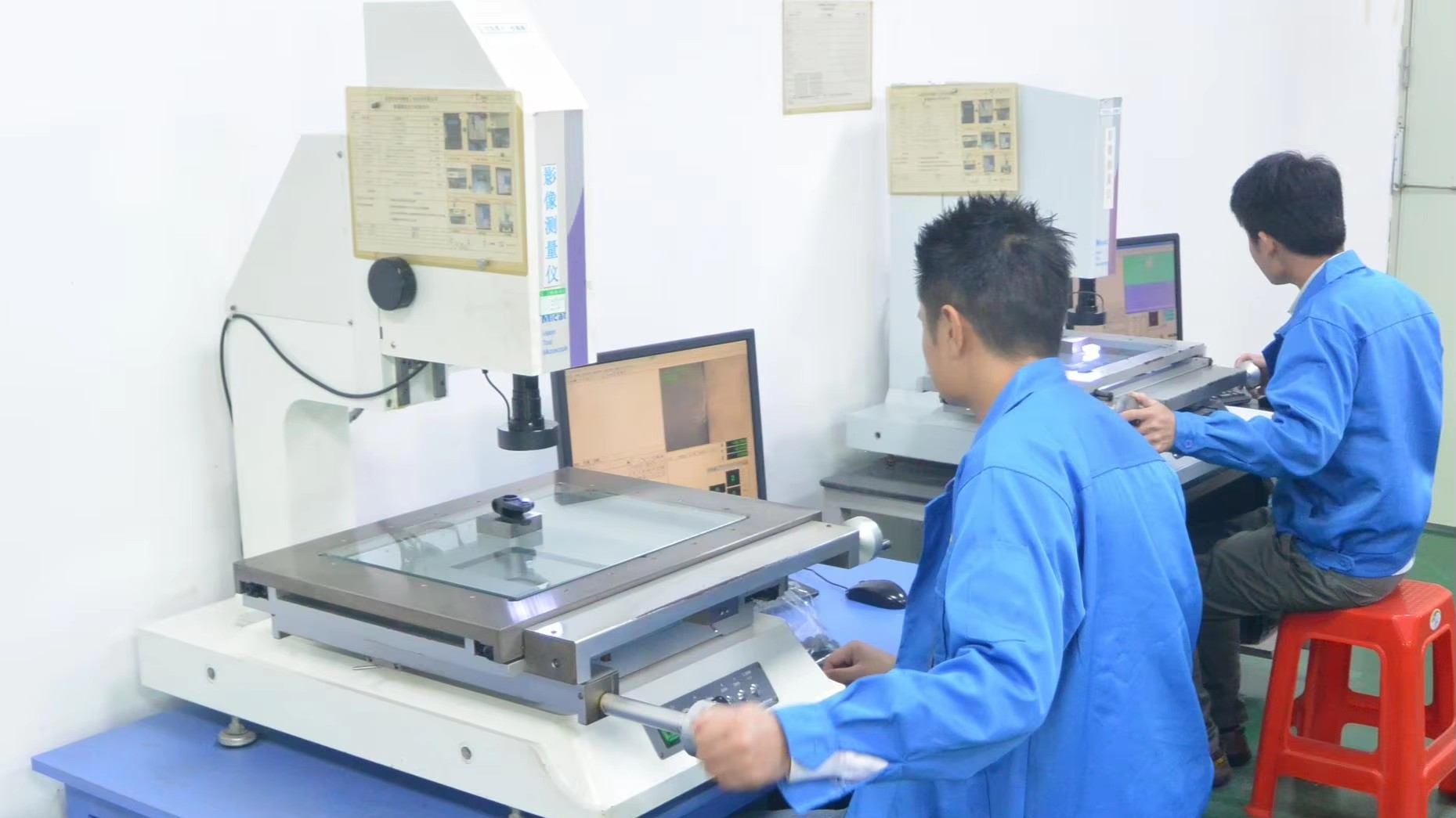
High-resolution optical magnification for checking tooth geometry and edges.
Micro gear systems find applications in specialized sub-systems where reliability under challenging conditions is critical.
Autonomous Marine Water Quality Testers: Deploying sensor arrays in bays, estuaries, or deep oceans requires automated sampling probes. These probes use 10mm DC planetary gearboxes to drive micro peristaltic pumps or lower sensors to specific depths. The drive must operate on battery power for months. This requires low motor power consumption, high gearbox efficiency, and minimal mechanical friction.
Subsea Robotics (ROVs & AUVs): Robotic arms, pan-and-tilt camera mounts, and steering thrusters in underwater vehicles rely on mini gearboxes. These gearboxes must withstand significant hydrostatic pressure, demanding specialized shaft seal configurations and custom synthetic grease that remains fluid in near-freezing ocean depths.
Automated Boat Sanitation & Comfort Systems: Luxury vessels feature automated, space-saving amenities like automated toilet seat systems and hidden retractable cabinetry. These devices require compact, low-noise gearboxes, such as 22mm planetary gear motors, to deliver high torque within compact cabin bulkheads without compromising passenger comfort.
The marine gear industry is moving toward **smart, sensored drive systems**. Integrating magnetic encoders directly onto the micro motor shaft allows real-world positioning feedback, enabling autopilot navigation systems to make micro-adjustments in real-time.
Additionally, the demand for **lightweight gear systems** is growing. Replacing heavy brass or steel components with glass-filled POM or composite nylon reduces the weight of drones and portable equipment, extending battery life and reducing shipping and handling costs for global exporters.
Read detailed, technical answers regarding CE certification, customization options, and micro gear applications.
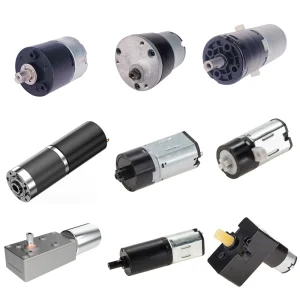
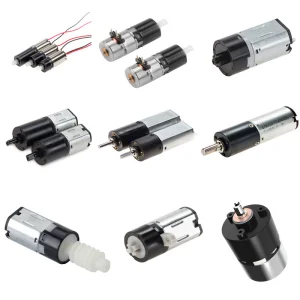
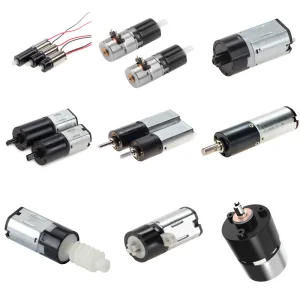
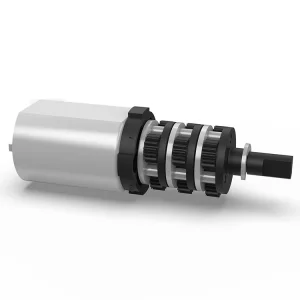
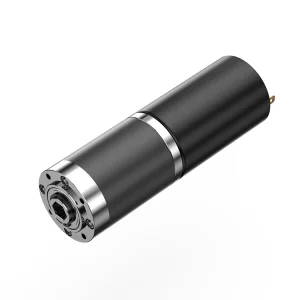
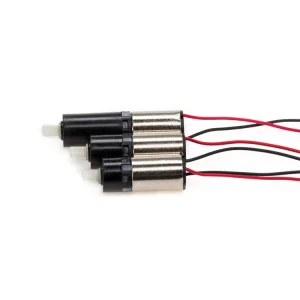
Browse our selection of heavy-torque planetary gear motors, ABS/Nylon gears, and custom assembly drives designed for marine and industrial applications.
 Stepper Motor