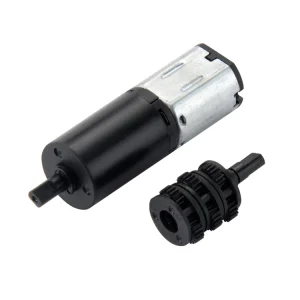
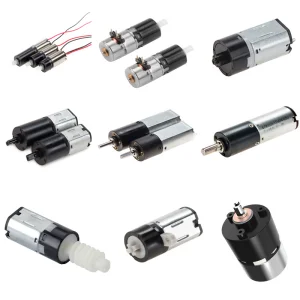
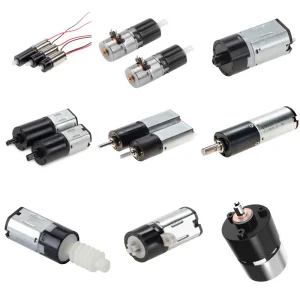
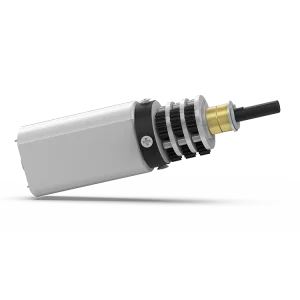
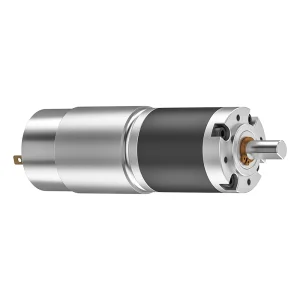
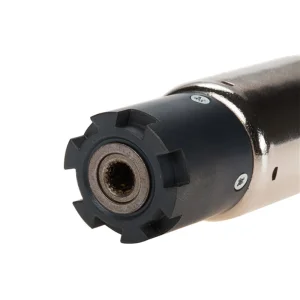
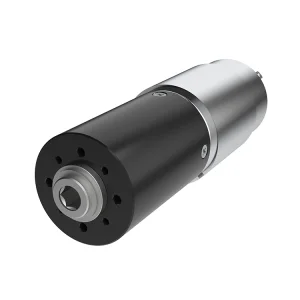
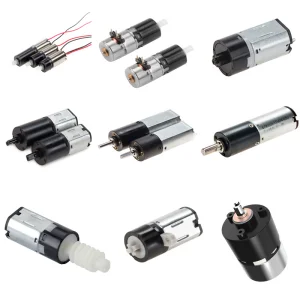
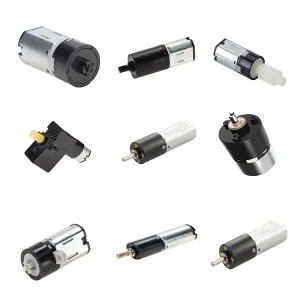
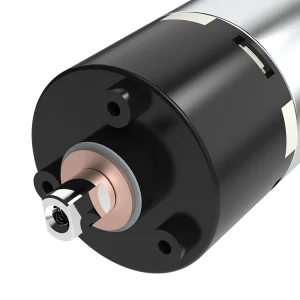
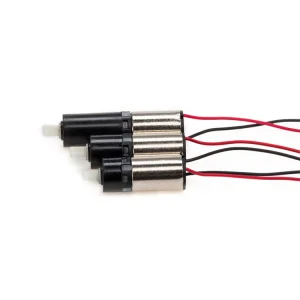
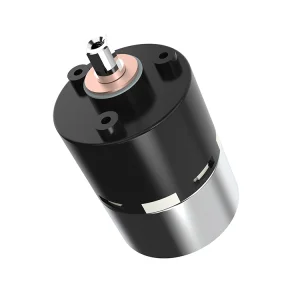
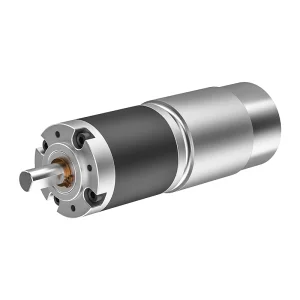
Explore our top-tier catalog of micro precision geared motors designed for high speed, stability, and minimized acoustic signatures.
TQC Micromotor is a forward-thinking Chinese manufacturer redefining precision motion control in the micro-drive industry. We design and build high-efficiency micro DC and BLDC motors that power next-generation technologies worldwide.
Driven by our core philosophy—Top Quality & Customization—we combine advanced manufacturing tech with flexible engineering to provide global B2B clients with the transparency of a local partner and the cost benefits of a premier Chinese factory. Built to last. Engineered to fit.
In the contemporary landscape of micro-electromechanical systems (MEMS) and precision engineering, the global demand for high speed gear motors has escalated rapidly. Driven by the expansion of automation, miniature medical instruments, aerospace robotics, and smart home ecosystems, engineering specifications have evolved past generic motor solutions. Today’s international buyers seek systems with maximized torque density, precise angular resolution, and minimal acoustic footprints.
Historically, manufacturers relied on oversized motors to satisfy high torque requirements, accepting the penalties of excess volume, weight, and thermal dissipation. Modern systems demand the opposite: highly efficient, high-speed input motors integrated with precise gear reduction systems (often micro-planetary or bevel structures) that fit into confined architectural cavities. This is particularly visible in consumer medical equipment, unmanned aerial vehicles (UAVs), and portable beauty tools like multi-functional curling irons.
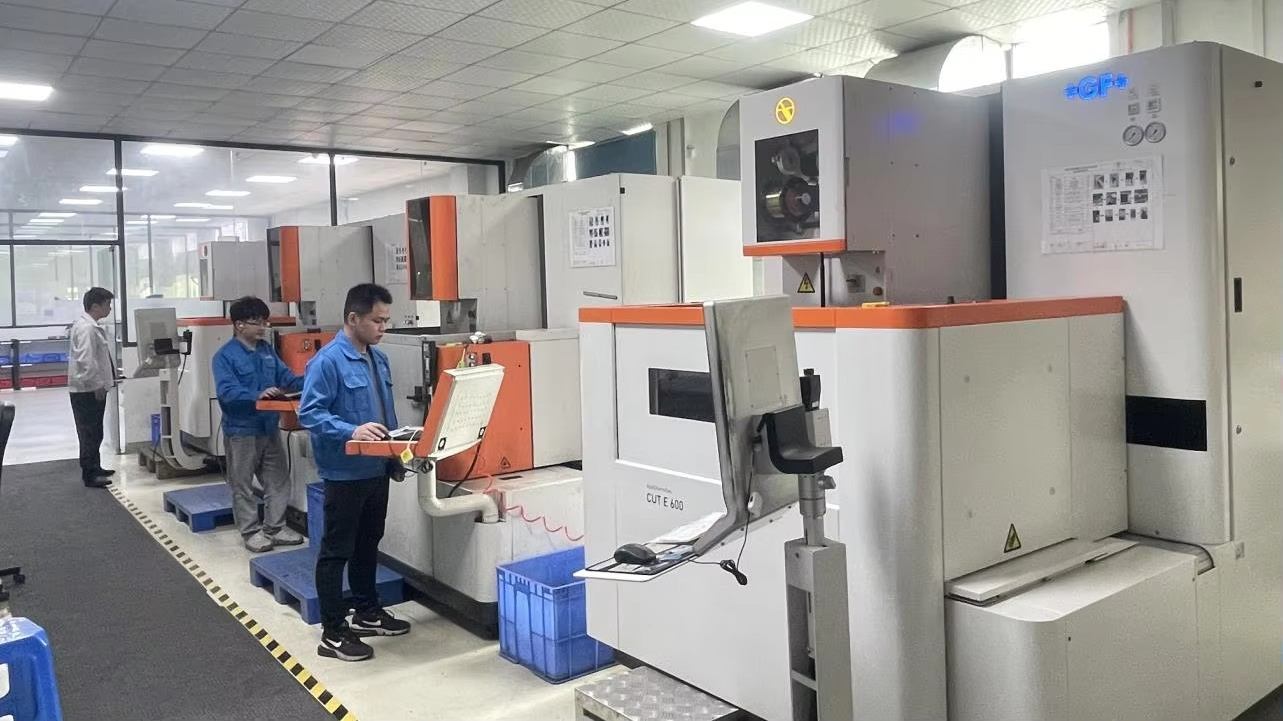
As standard labor rates rise worldwide, European and North American developers increasingly seek out top-tier Chinese manufacturing partners. The strategic imperative has transitioned from raw cost savings to engineering excellence. High-performing factories must possess advanced, integrated tooling facilities—such as CNC machining centers, slow wire electrical discharge machines (EDM), and high-precision plastic injection mold makers—to rapidly iterate, customize, and mass-produce gear assemblies with sub-micron tolerances.
A comprehensive examination of material selection, gear architecture, and thermal performance parameters.
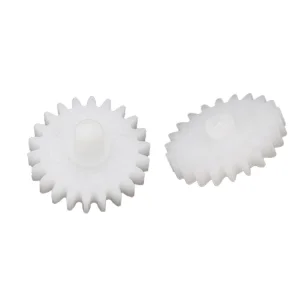
Utilizing high-performance engineering thermoplastics such as injection-molded ABS and Nylon (PA66/PA46). These configurations deliver excellent self-lubricating properties, drastic acoustic dampening, and reduced weight for printer feed systems and handheld consumer electronics.
For high-torque thresholds and demanding duty cycles, steel-alloy planetary gear sets are standard. Using precision EDM and milling, we construct wear-resistant gear tooth profiles that maintain structural integrity under persistent loads and high rpm environments.
Providing seamless integration of high-efficiency brushless DC (BLDC) motors and coreless brushed variants. These power plants ensure rapid acceleration profiles, optimized thermal dissipation, and long operational lifespans under continuous feedback control.
The selection of a gear motor design involves evaluating the trade-offs between torque capacity, acoustic limits, and mechanical efficiency. For instance, a micro planetary gearbox distributes load across multiple satellite gears, enabling substantial torque delivery within a highly compact footprint. Conversely, spur gear configurations minimize frictional losses, making them ideal for low-torque, highly efficient operations.
Our research and development program focuses on optimizing tooth geometry profiles and surface finishes. By applying advanced finite element analysis (FEA) to simulated gear engagement cycles, TQC engineers minimize transmission errors and backlash. These optimizations directly translate into quieter performance and higher torque output, meeting the strict requirements of modern consumer and industrial applications.
Examine our comprehensive manufacturing chain—from raw material processing and high-precision tooling to assembly and final testing.
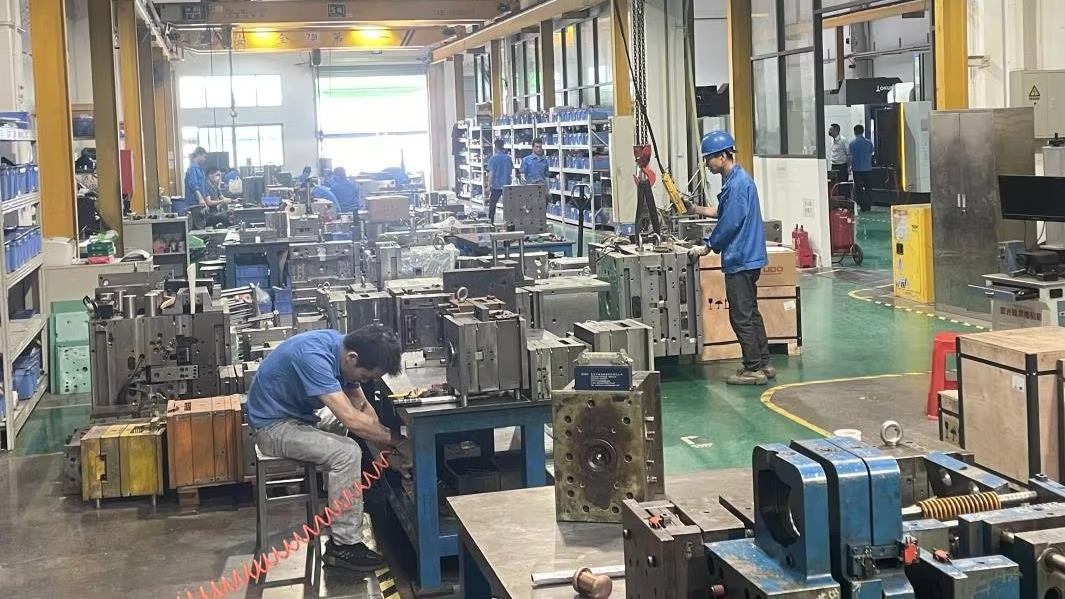
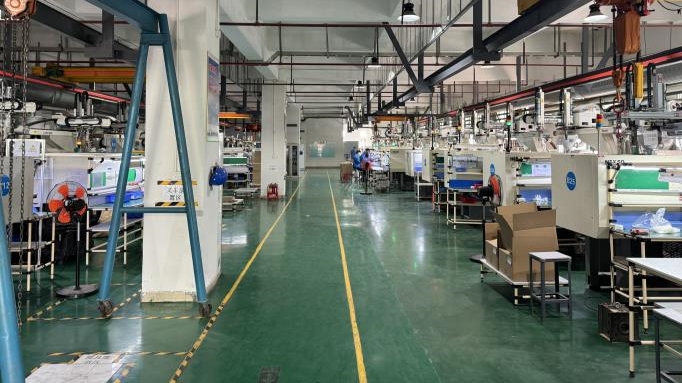
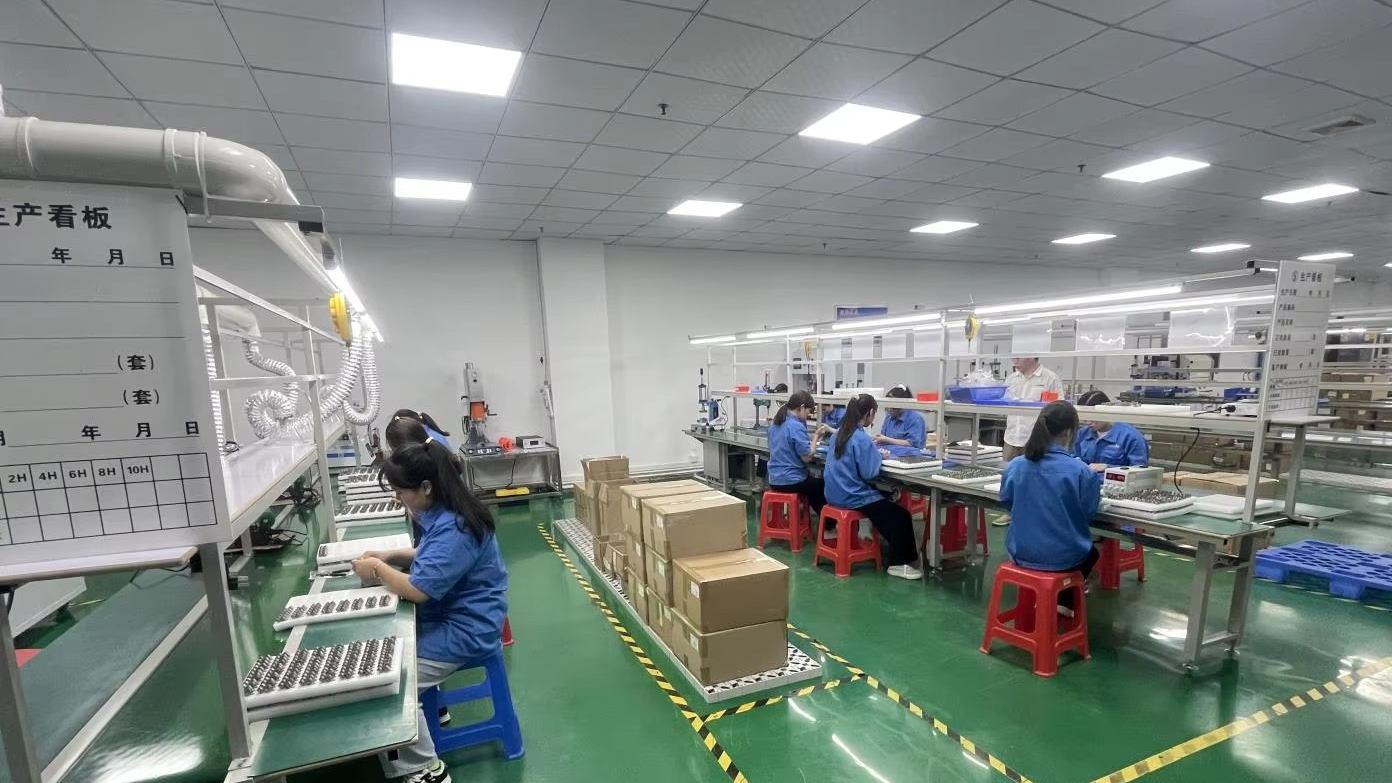
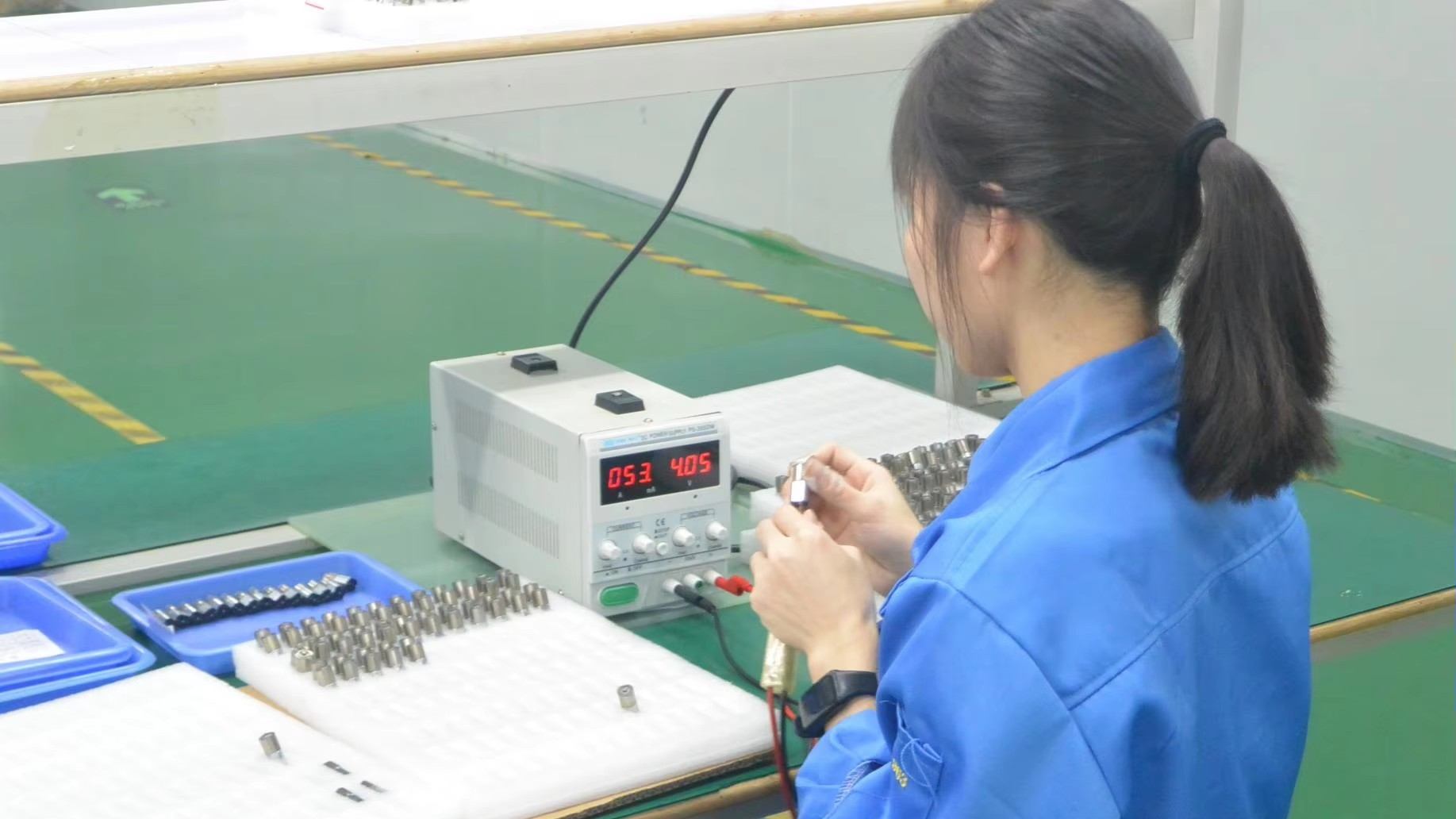
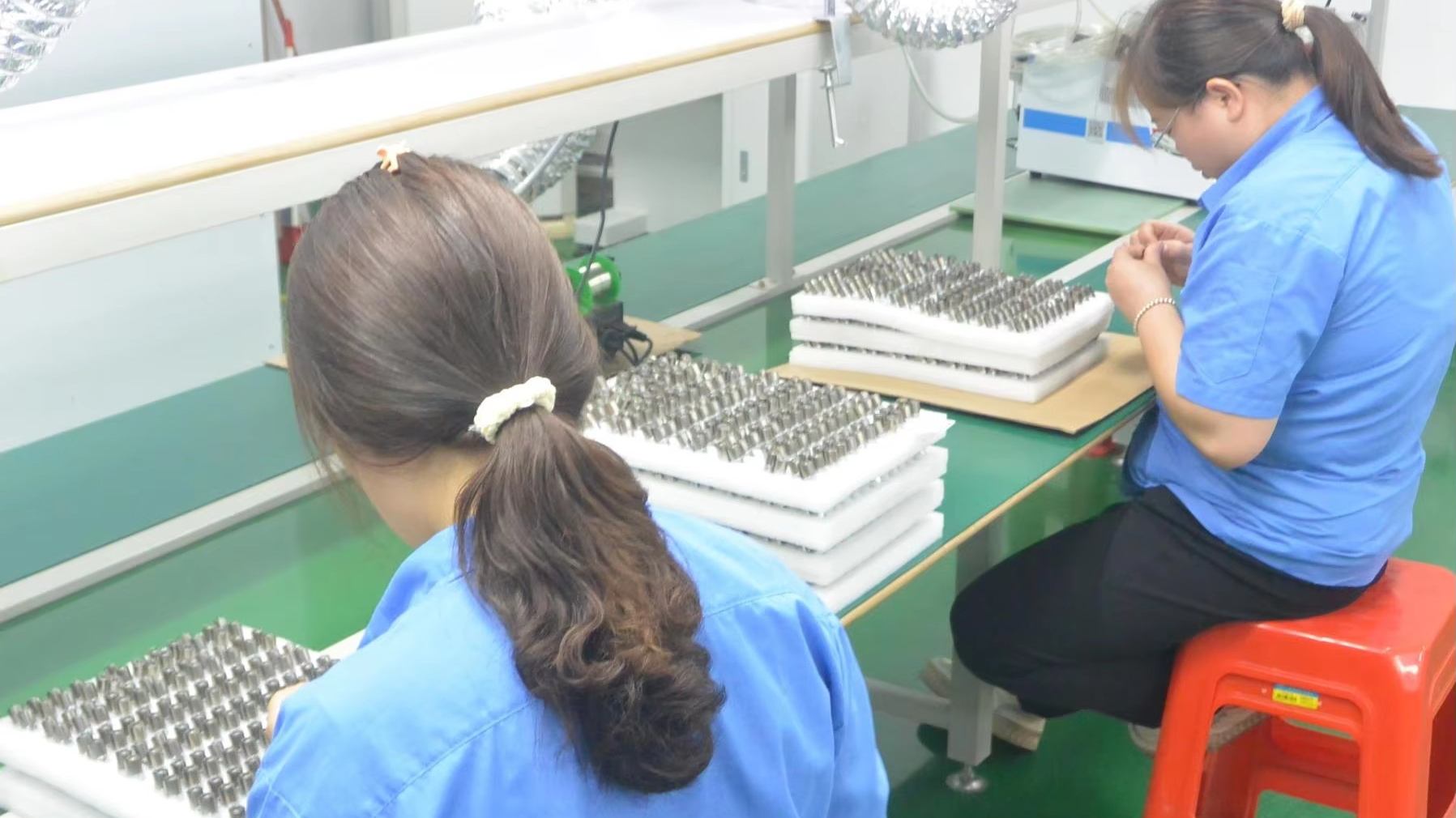
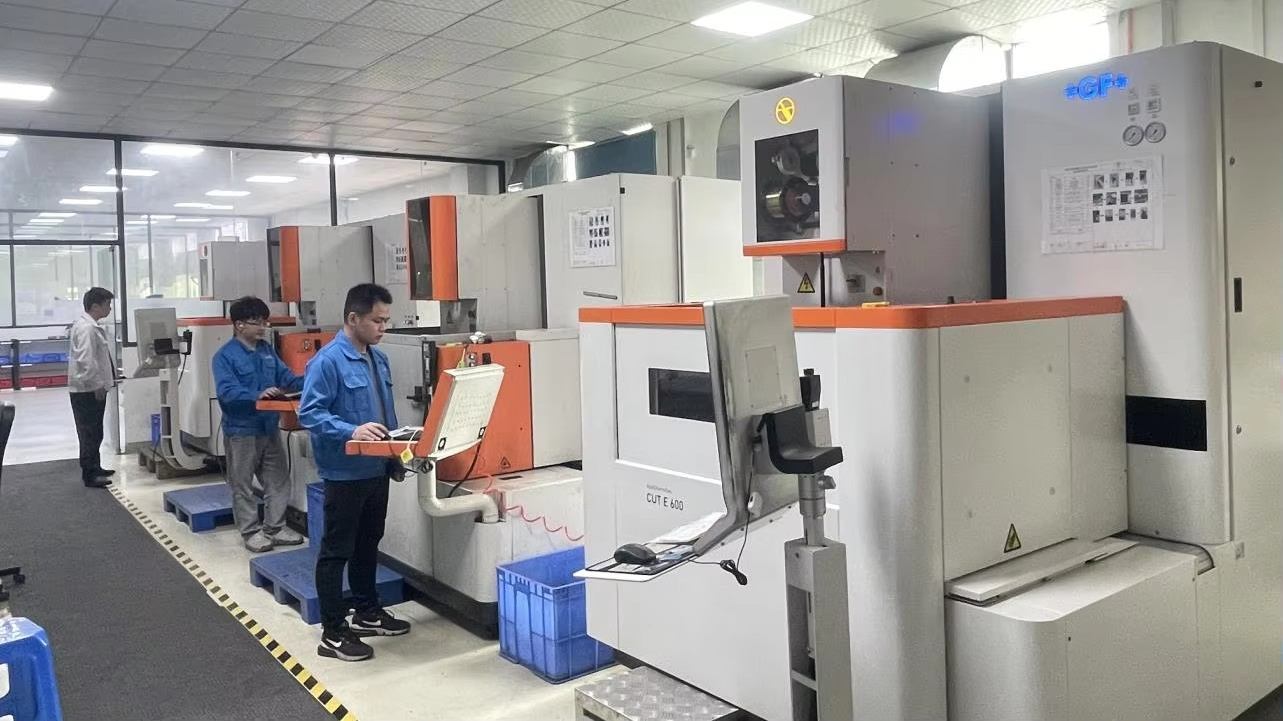
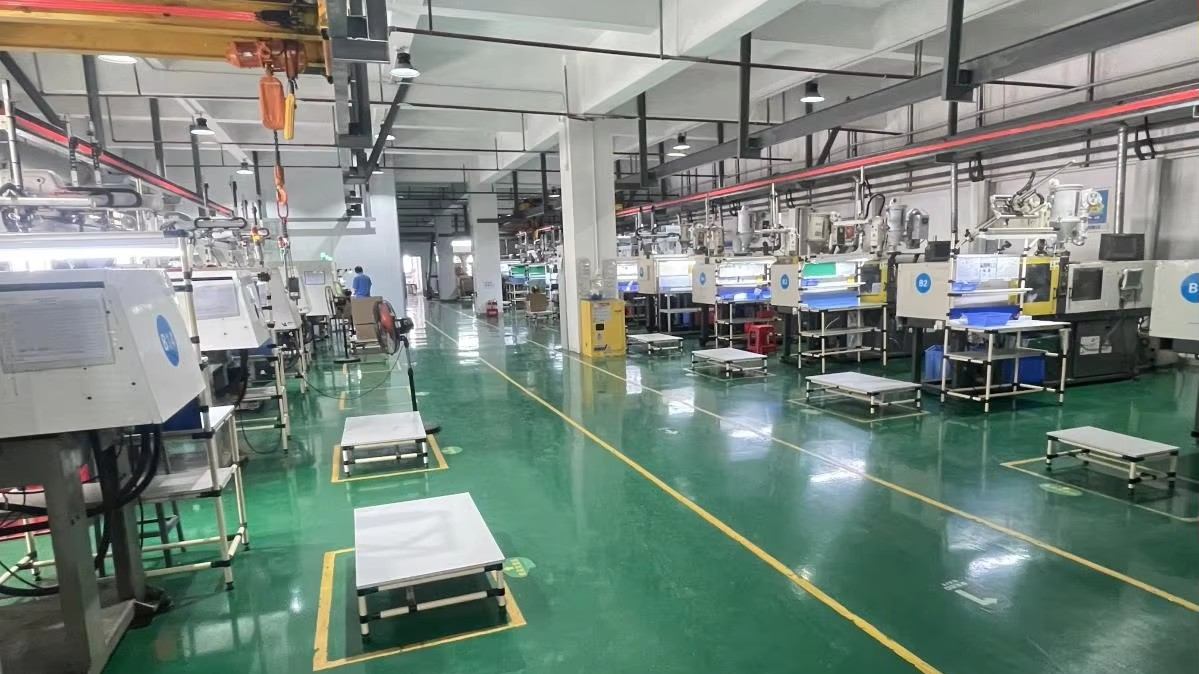
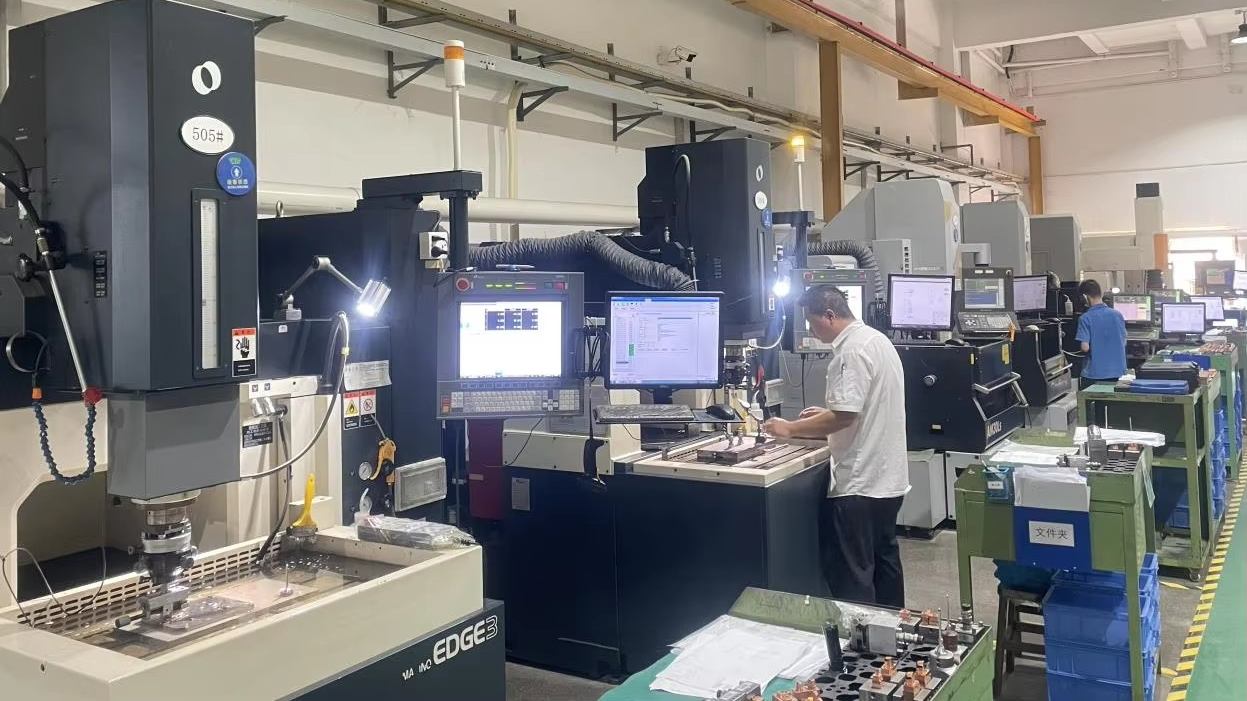
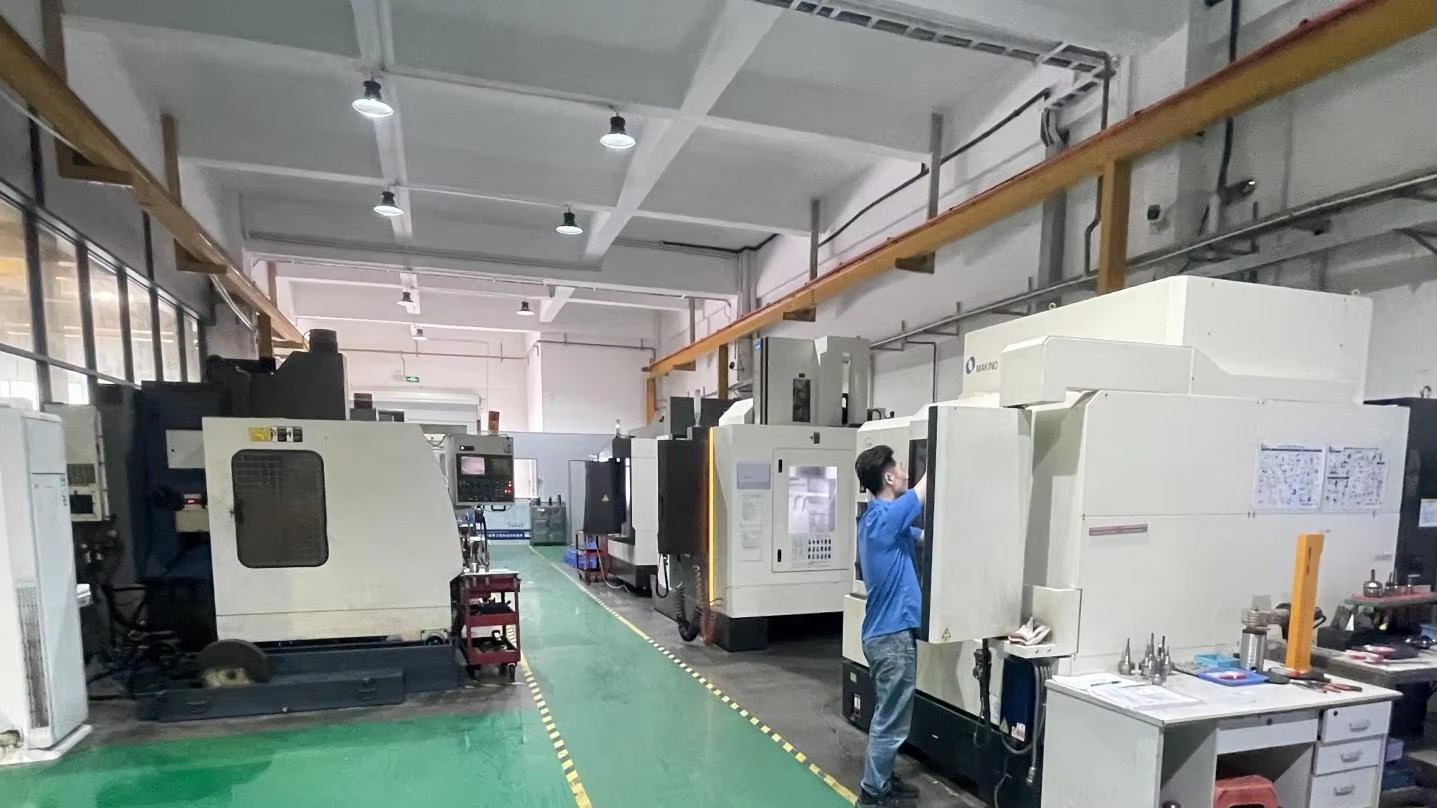
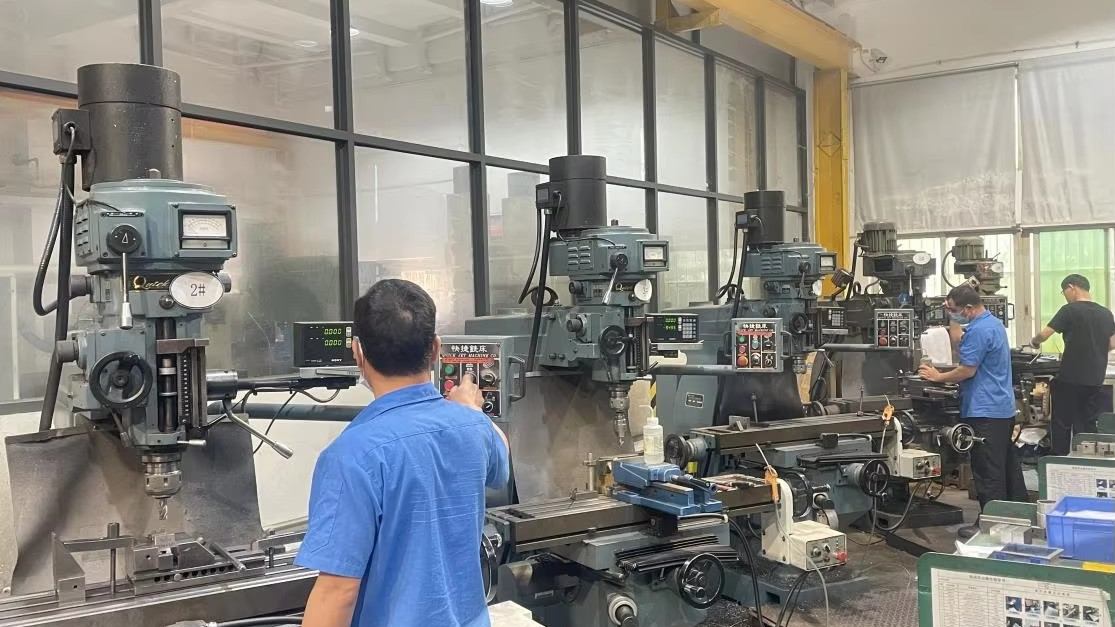
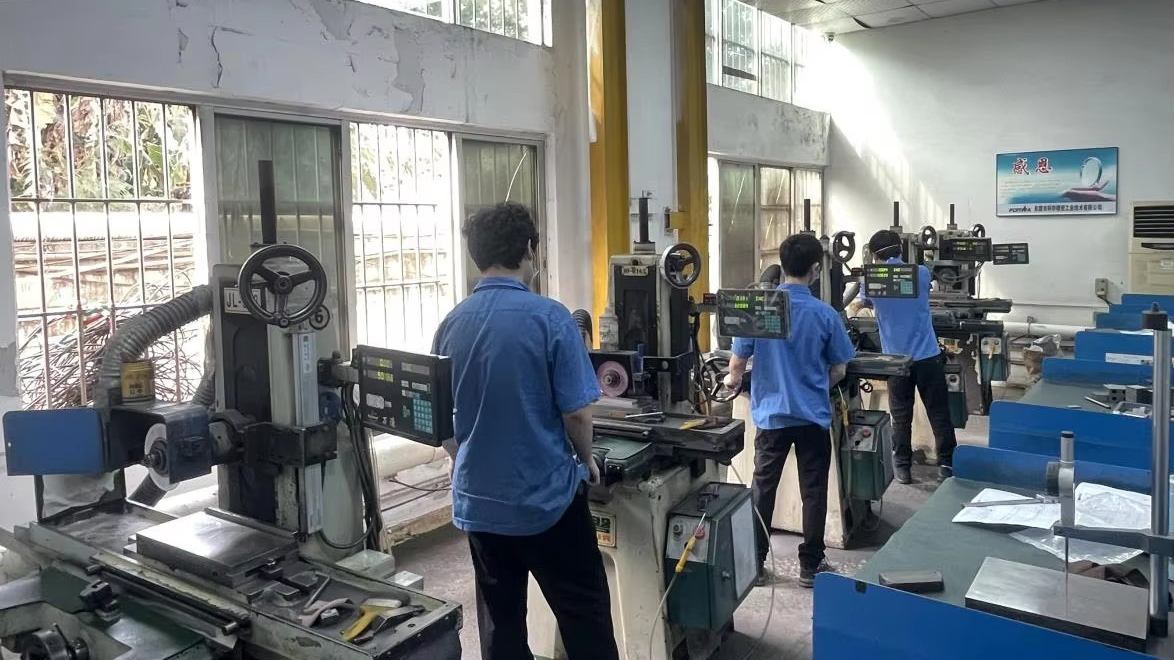
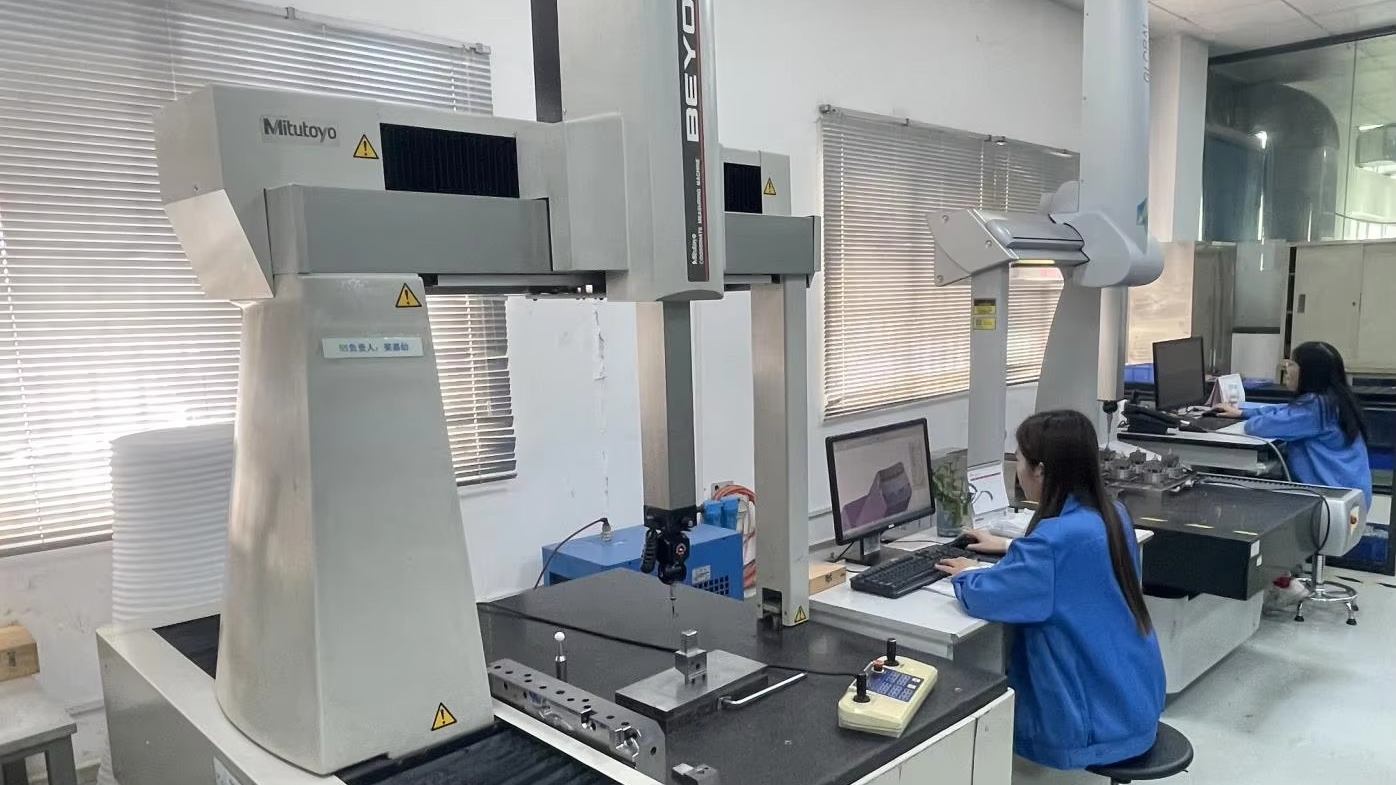
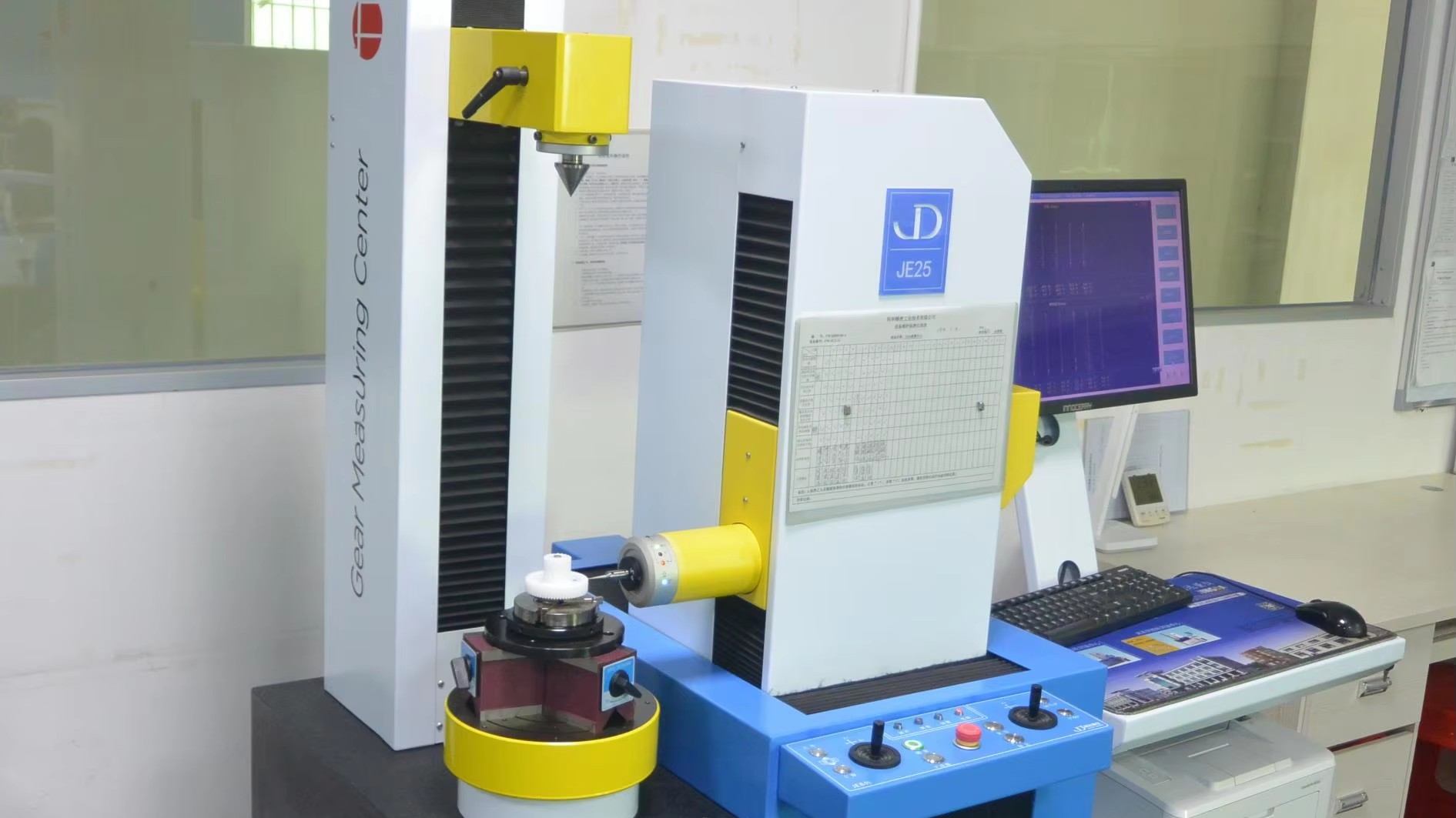
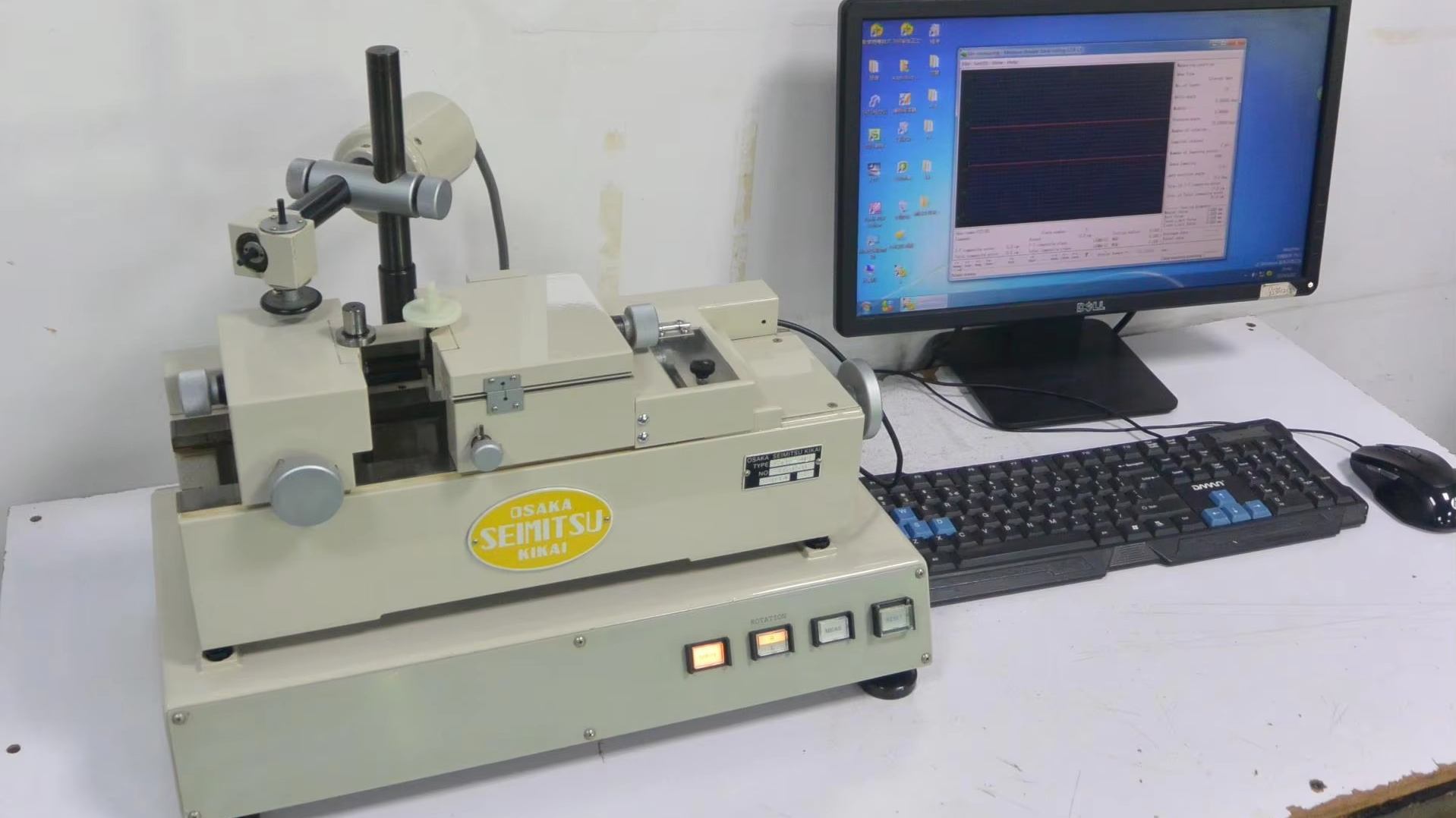
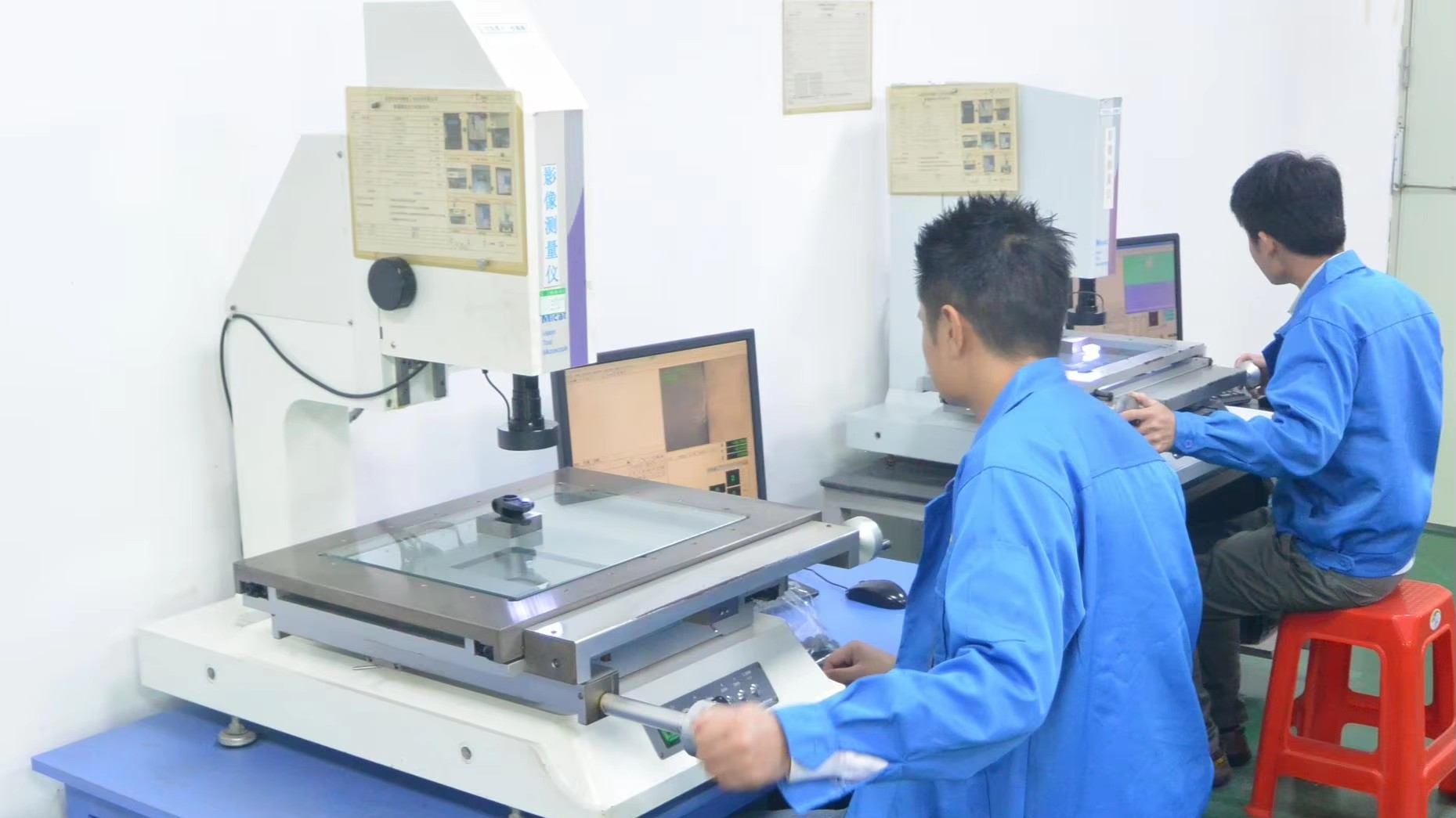
Providing custom micro-drive solutions across demanding consumer, commercial, and industrial markets.
Modern micro-drive integration is complex. At TQC, we address application-specific requirements across diverse operating environments:
| Diameter (mm) | Gearbox Type | Nominal Voltage | Target Application |
|---|---|---|---|
| 12mm | Planetary (Plastic/Metal) | 3V / 6V / 12V | Curling Irons, Mini Pumps |
| 16mm | Planetary Reduction | 5V / 12V | Smart Juicers, Robotics |
| 24mm | Planetary (High Torque) | 5V / 12V / 24V | Salad Mixers, Vending |
| 28mm | Planetary (Precision) | 12V / 24V | Automatic Door Handles |
| 36mm | Heavy-Duty Micro Planetary | 12V / 24V | Smart Meat Grinders, Desks |
Selecting a micro gear motor requires evaluating mechanical properties against electrical limits. Engineers must determine the balance between rotational speed and torque required by the payload. While DC motors operate most efficiently at high speeds (typically 2,000 to 8,000 rpm), real-world applications often need high torque at lower speeds. This is where the gear reduction system is critical.
Planetary gearboxes are highly effective for maximizing torque in limited spaces. The coaxial arrangement of the sun gear, planetary gears, and outer ring gear allows load-sharing across multiple contact points. This design reduces wear on individual teeth and increases overall efficiency. In contrast, spur gearboxes present a simpler, cost-effective design with minimal friction losses, making them well-suited for low-torque, highly efficient applications.
Material selection significantly impacts a gear motor's performance, acoustic signature, and operating life. High-performance polymers, including modified Polyoxymethylene (POM), Nylon (PA66), and ABS, are increasingly used in consumer electronics, automotive interiors, and office equipment. These materials provide self-lubricating properties, reduce weight, and damp high-frequency vibration, resulting in quieter operation.
However, when torque levels exceed the yield strength of engineering plastics, metal components become necessary. Sintered powder metals, brass, and machined steel alloys are typically selected for heavy-duty applications, such as commercial meat grinders or automotive window regulators. At TQC, we specialize in hybrid gear configurations, combining polymeric gears for the initial high-speed stages to reduce noise, with metal gears for the high-torque output stages to ensure long-term durability.
Acoustic performance is critical for modern consumer devices, including personal care tools and smart home devices. Minimizing gear noise requires precise manufacturing tolerances. Common sources of noise include misaligned gear shafts, high backlash, and surface roughness on gear teeth. We address these issues by manufacturing injection molds in-house using slow wire EDM machines to produce smooth tooth profiles. Additionally, using gear meshing instruments during testing helps verify alignment and reduce noise during operation.
Expert insights addressing key mechanical, electrical, and integration questions for engineering teams.
Explore our industrial range of micro stepper gearboxes and planetary reduction units engineered for long life and consistent torque.
 Stepper Motor