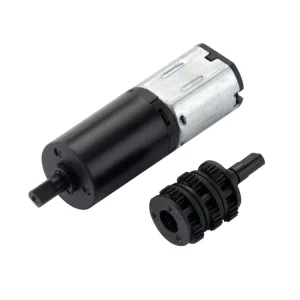
Engineered to deliver high torque, low noise, and minimal backlash for precision operations.
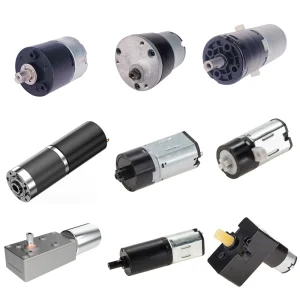
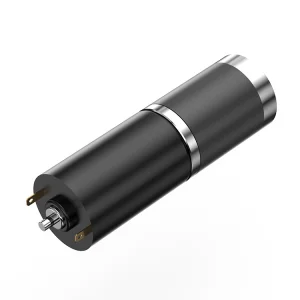
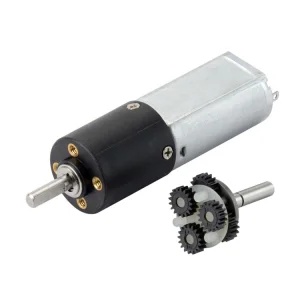
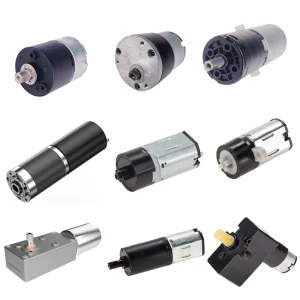
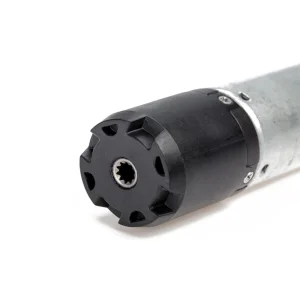
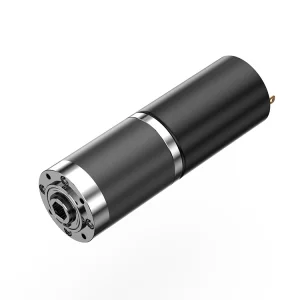
A comprehensive analysis of global industrial demand, polymer advancement, and high-precision micro-motion technologies.
In modern industrial automation, the demand for precise motion control has migrated from large-scale robotic arms down to microscopic actuation systems. A crucial determinant of efficiency in these sub-systems is backlash—the clearance or play between mating gear teeth when movement is reversed. In high-stakes applications such as surgical robotics, medical fluid regulation, and satellite positioning, even minor backlash can translate to failure, loss of calibration, or system instability.
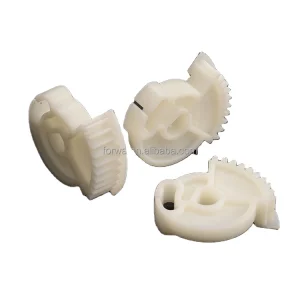
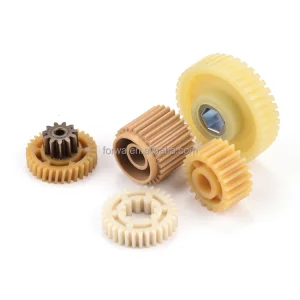
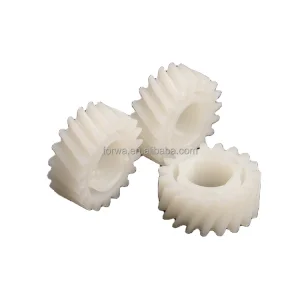
Globally, the industry is witnessing an exponential shift towards low backlash polymer and hybrid planetary gear systems. Historically, reducing backlash required expensive metal hobbing and custom hand-matching. Today, micro-injection molding using engineering plastics like POM (Polyoxymethylene), PA66, and carbon-fiber-filled Nylon allows for micro-gear profiles with clearances measured in mere arcminutes, dramatically decreasing production costs while keeping reliability high.
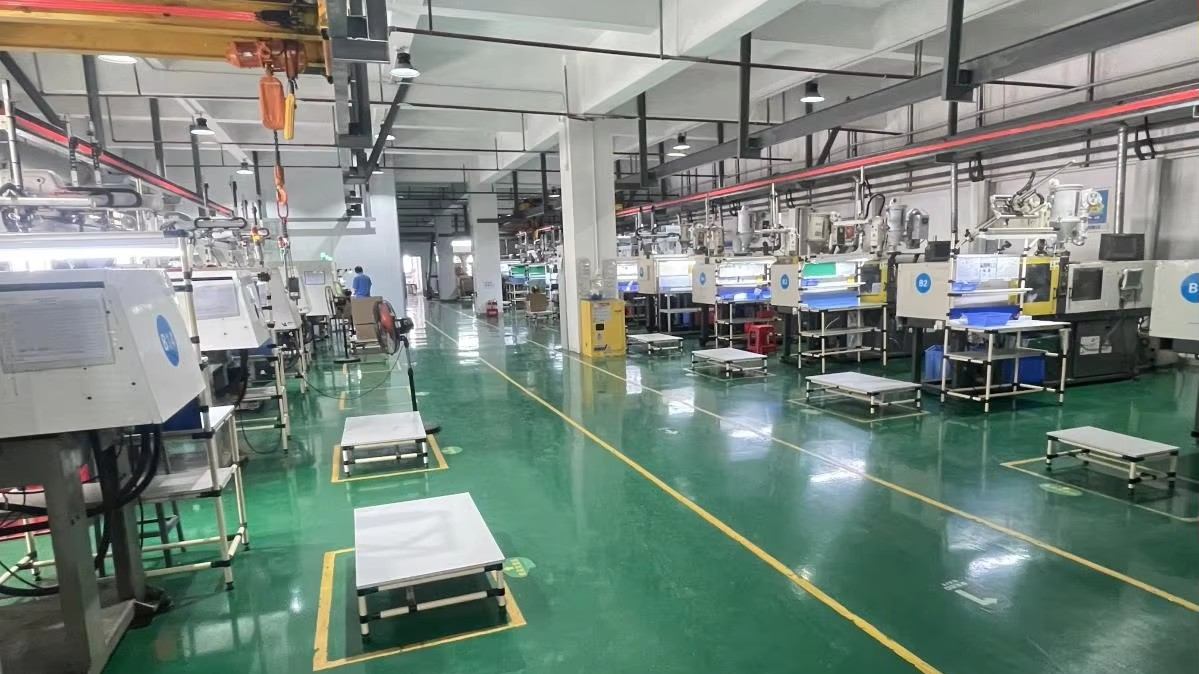
The manufacturing landscape for micro-gears has centered in China due to unique supply chain integration. The modern China-based micro-drive manufacturer is no longer just a contract supplier; factories like TQC Micromotor act as strategic co-engineering partners. By combining mold design, injection molding, metal machining, assembly, and coordinate metrology under a single roof, Chinese factories deliver unmatched agility.
This integration yields two core advantages for global B2B clients: drastic reduction in lead times for customized gear designs and consistent reliability maintained through integrated quality gates. The capacity to tailor raw material attributes—such as tensile strength, glass-fiber ratio, and lubricating additives—allows TQC to match target application dynamics precisely.
Combining advanced tooling, micro-injection molding, and rigorous metrology under one roof.
Small Motors. Massive Possibilities.
TQC Micromotor is a forward-thinking Chinese manufacturer redefining precision motion control in the micro-drive industry. We design and build high-efficiency micro DC and BLDC motors that power next-generation technologies worldwide.
Driven by our core philosophy—Top Quality & Customization—we combine advanced manufacturing tech with flexible engineering to provide global B2B clients with the transparency of a local partner and the cost benefits of a premier Chinese factory. Built to last. Engineered to fit.
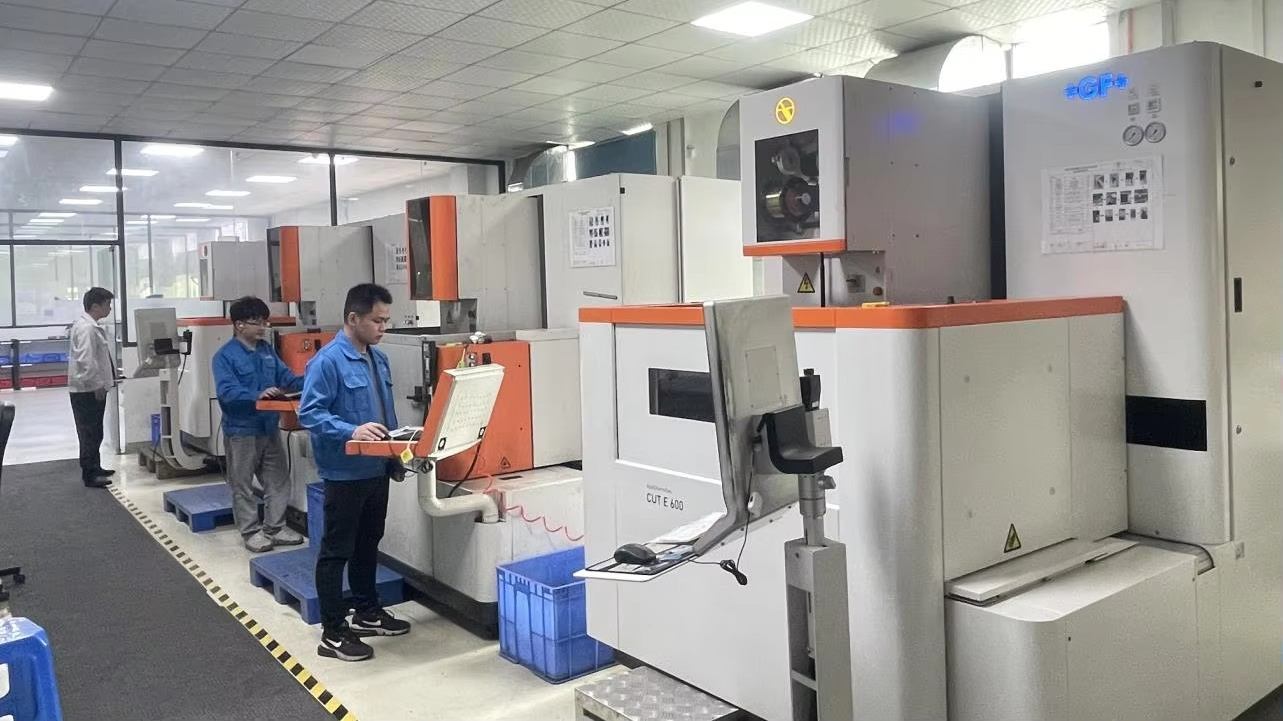
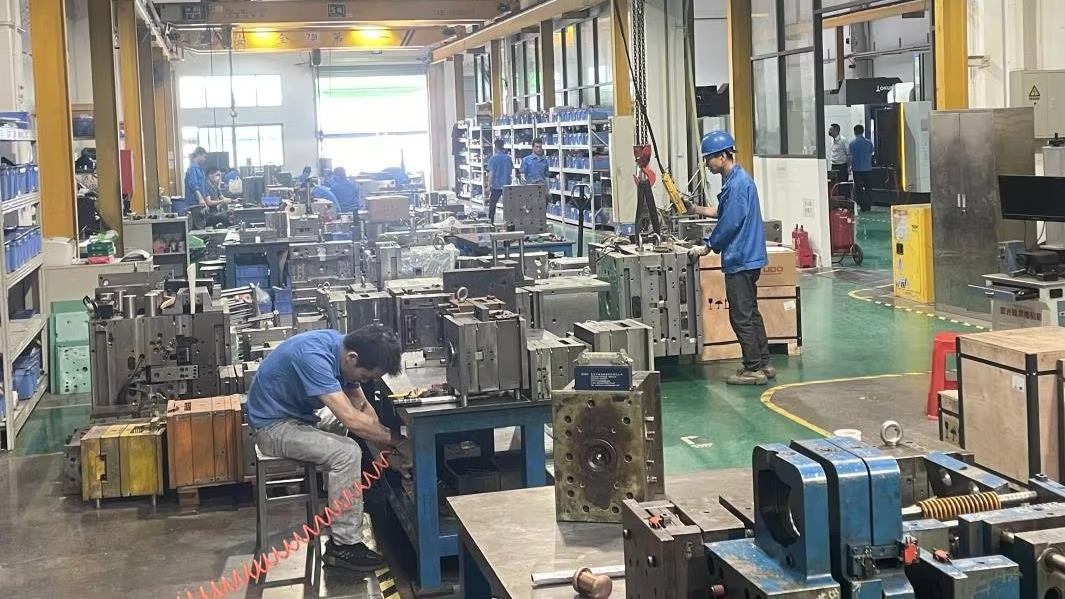
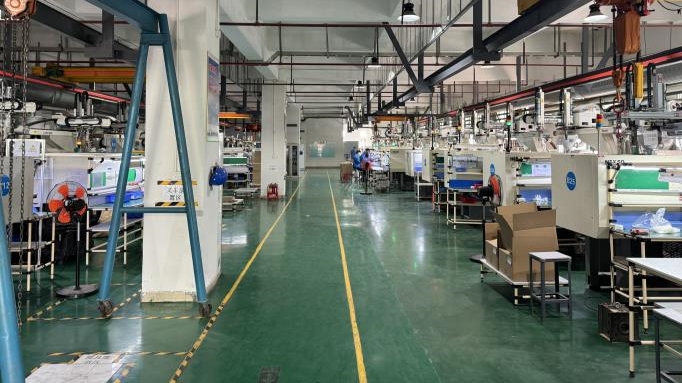
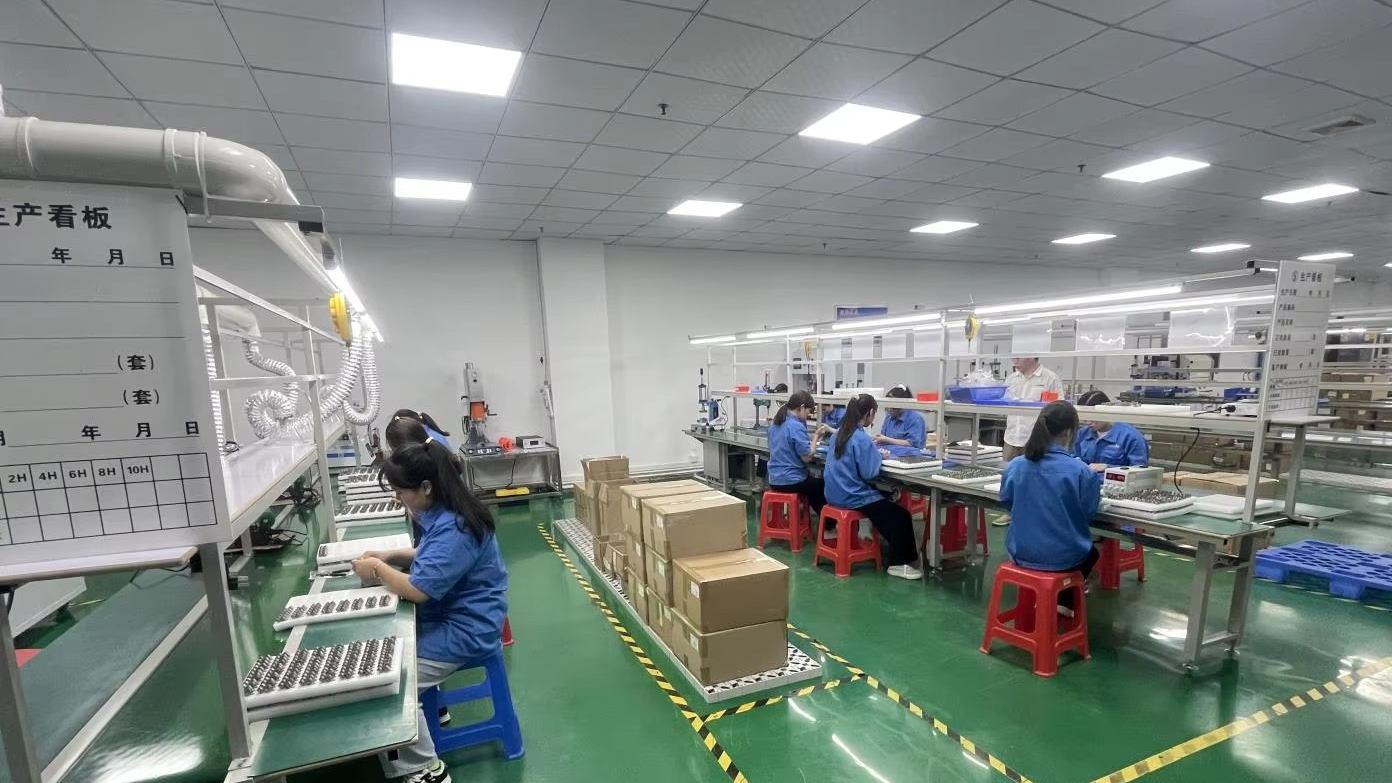
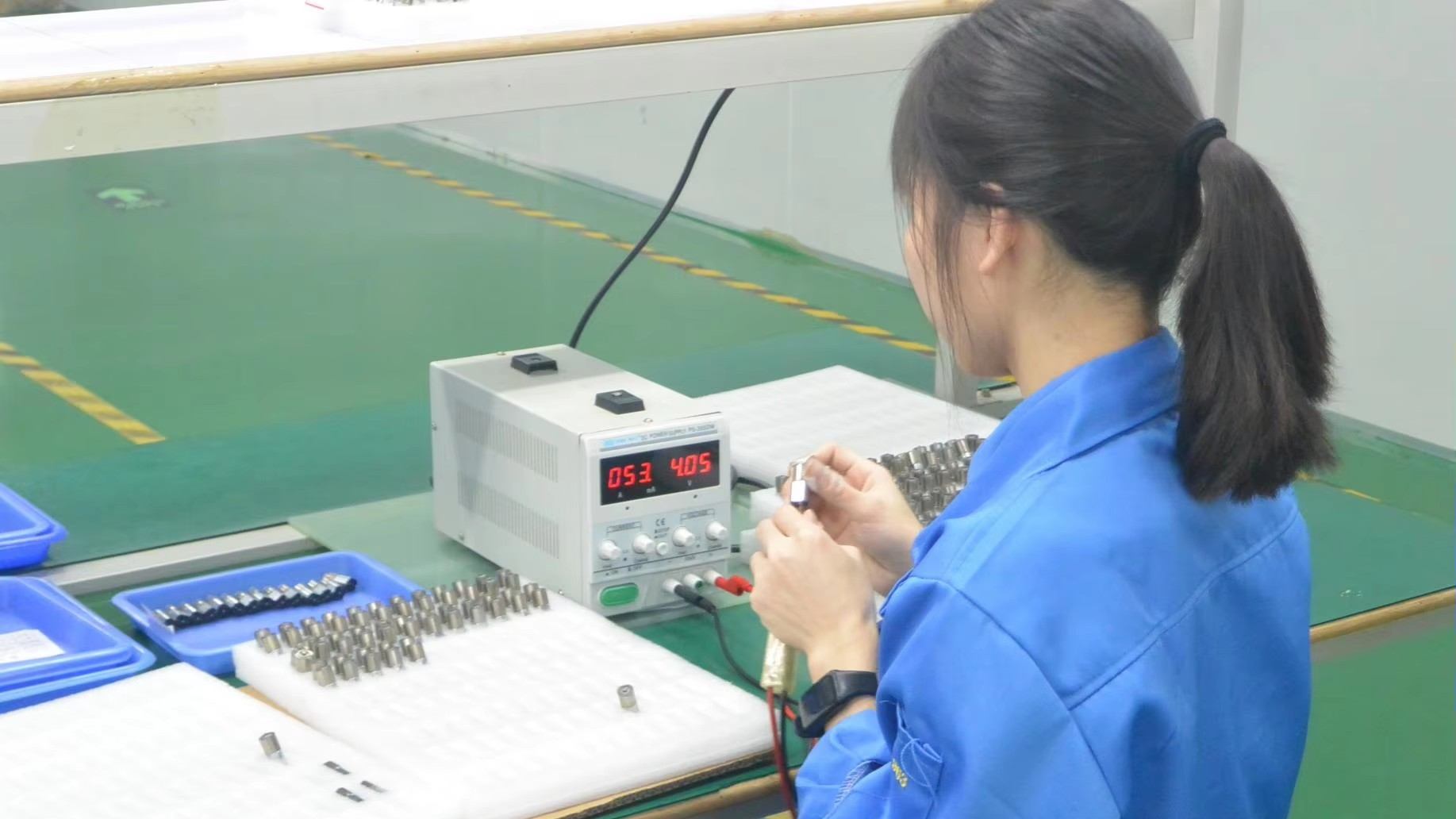
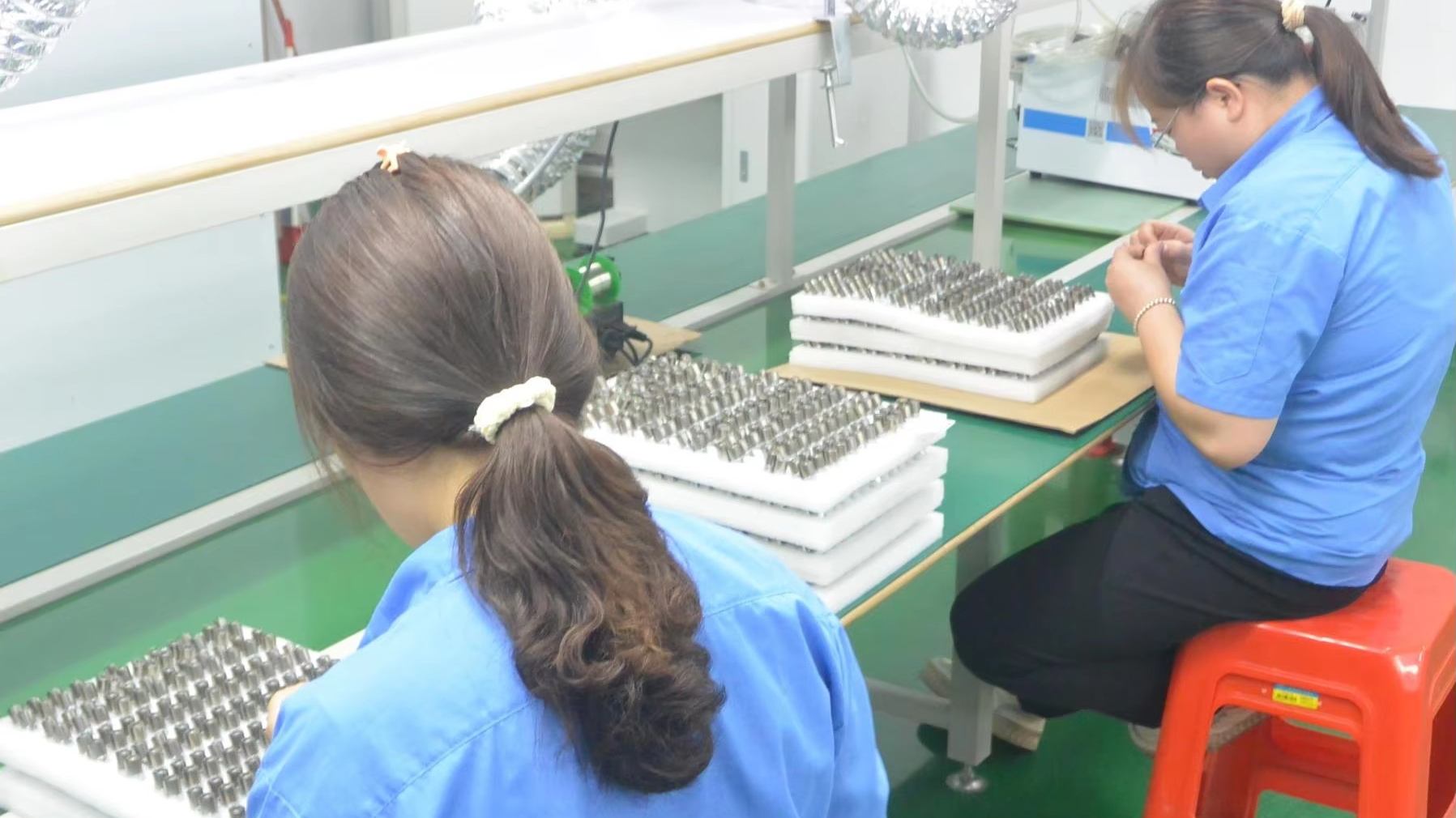
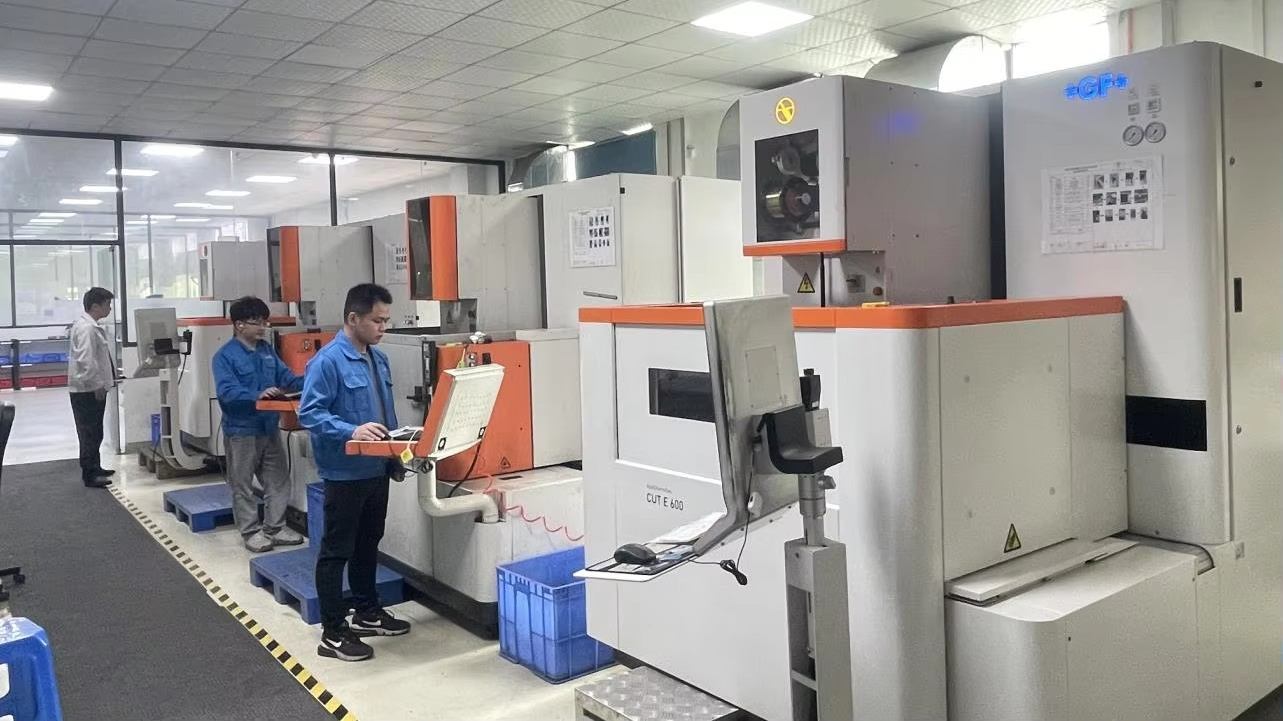
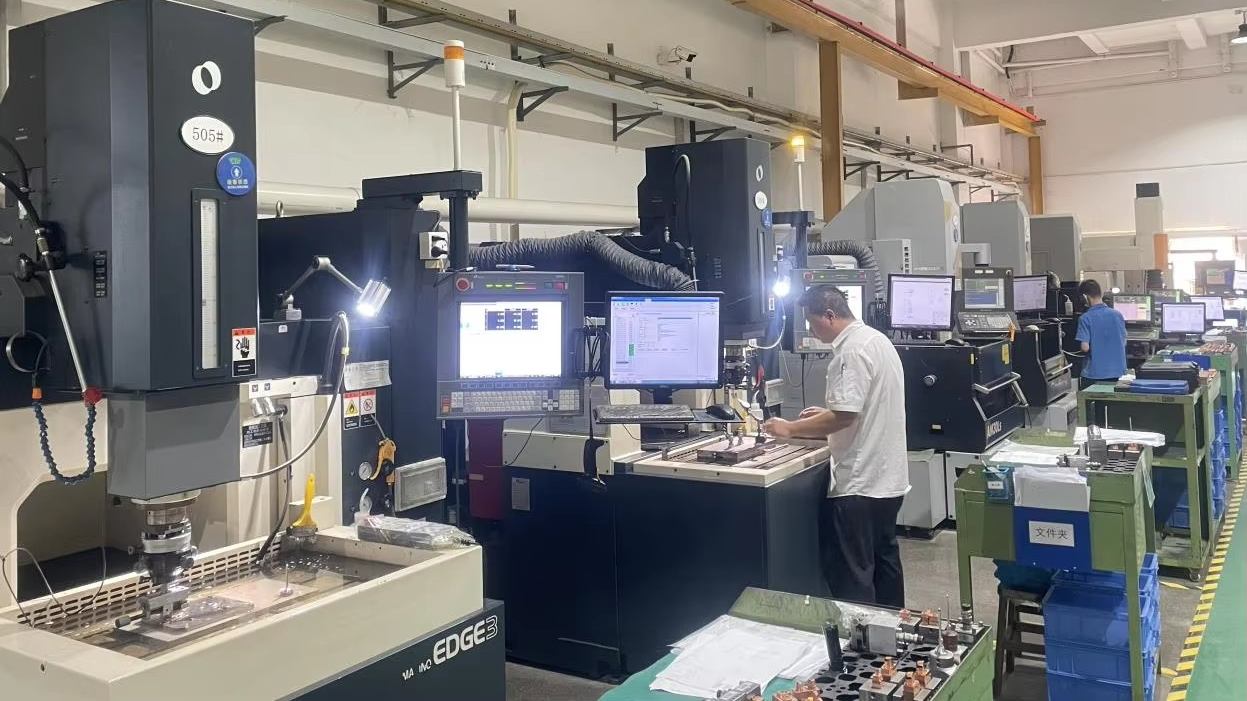
Our workshop features top-tier engineering machinery to achieve sub-micron precision for plastic molds and components.
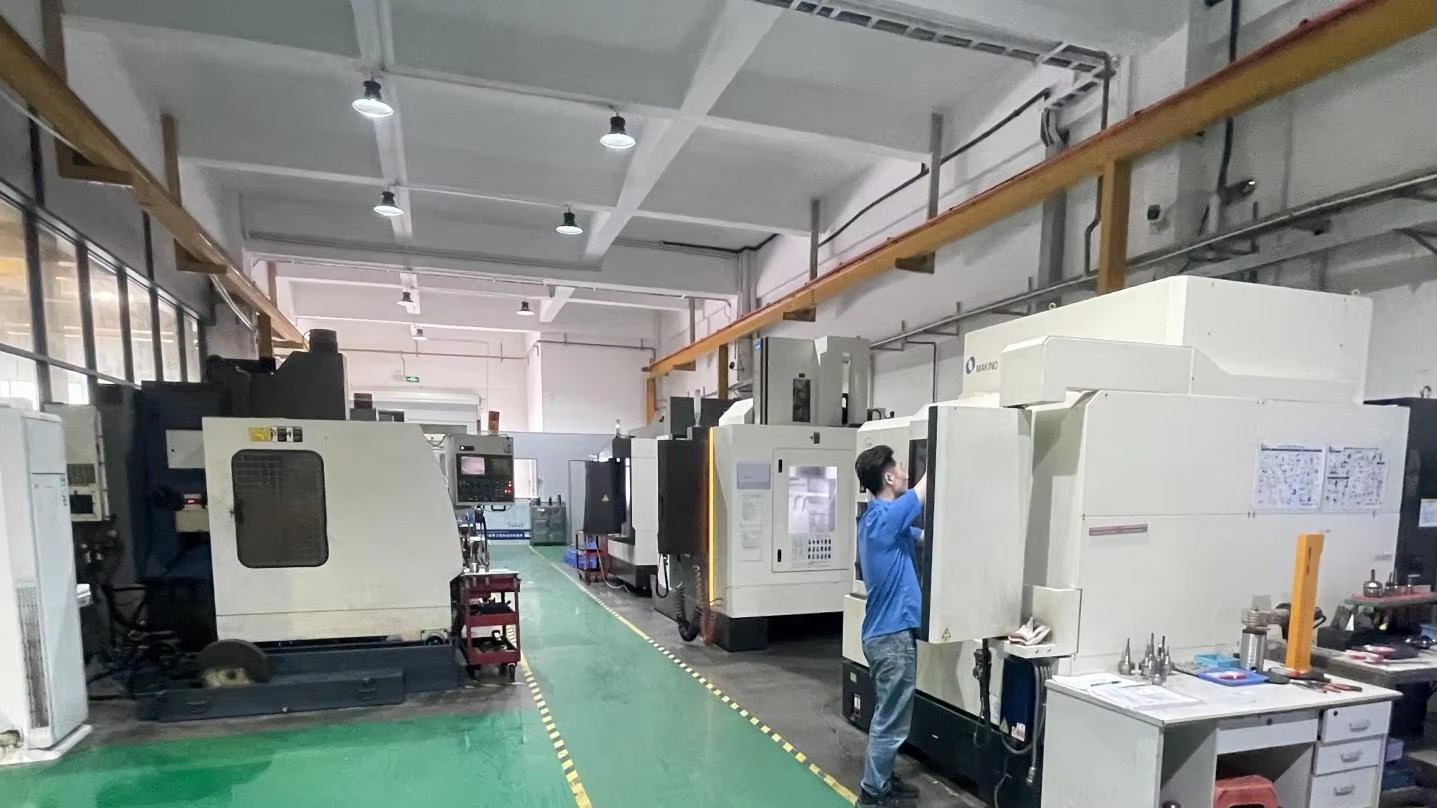
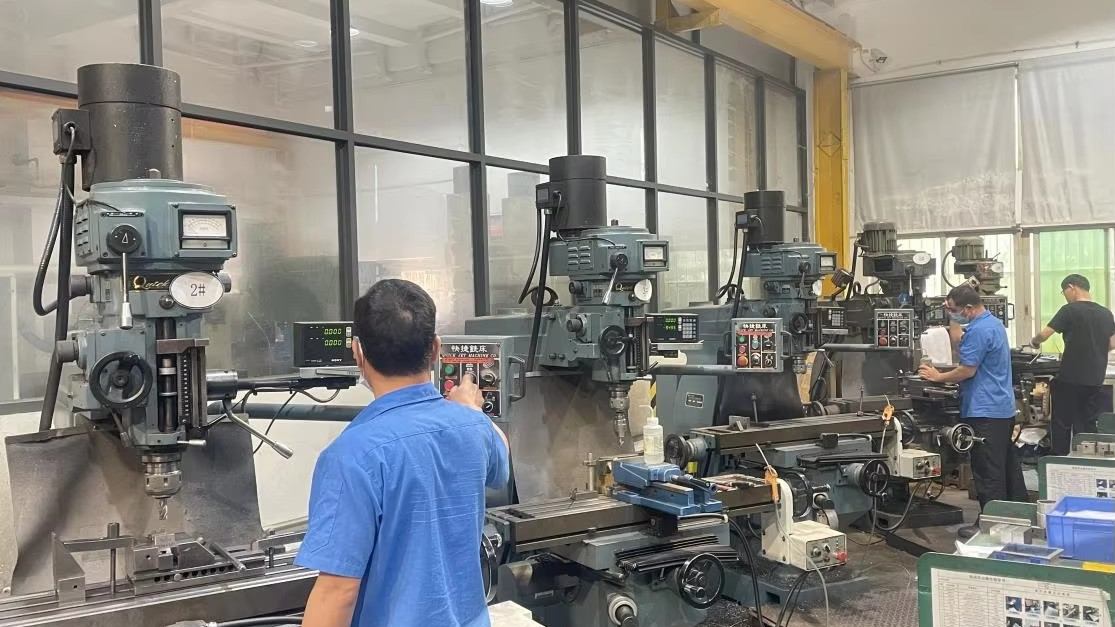
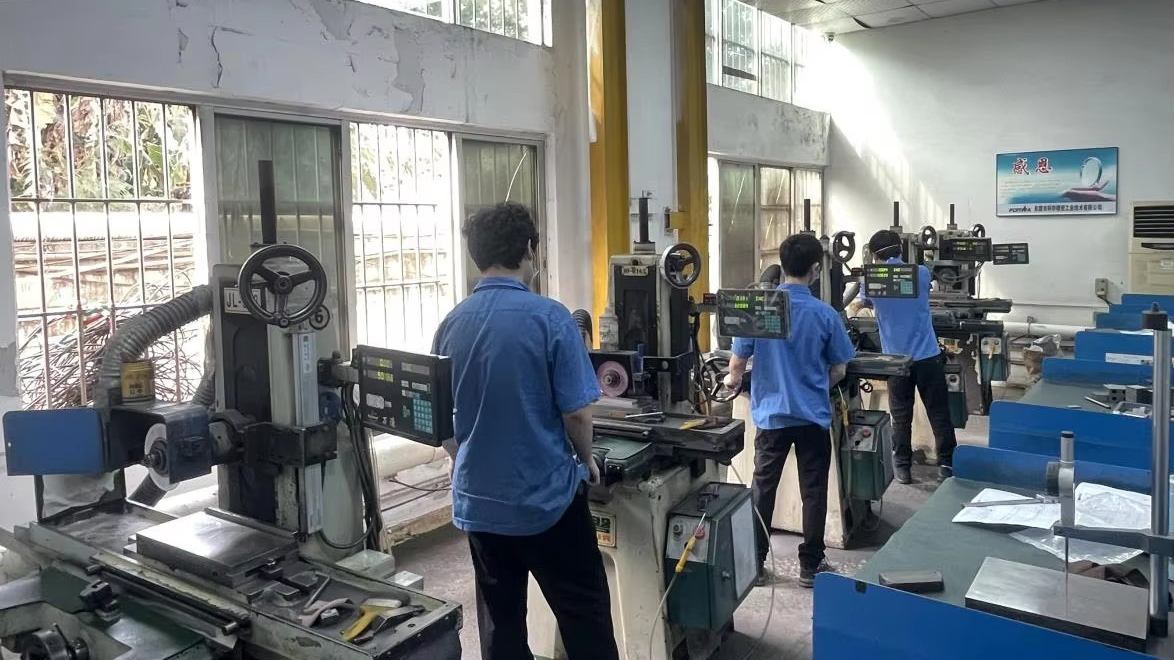
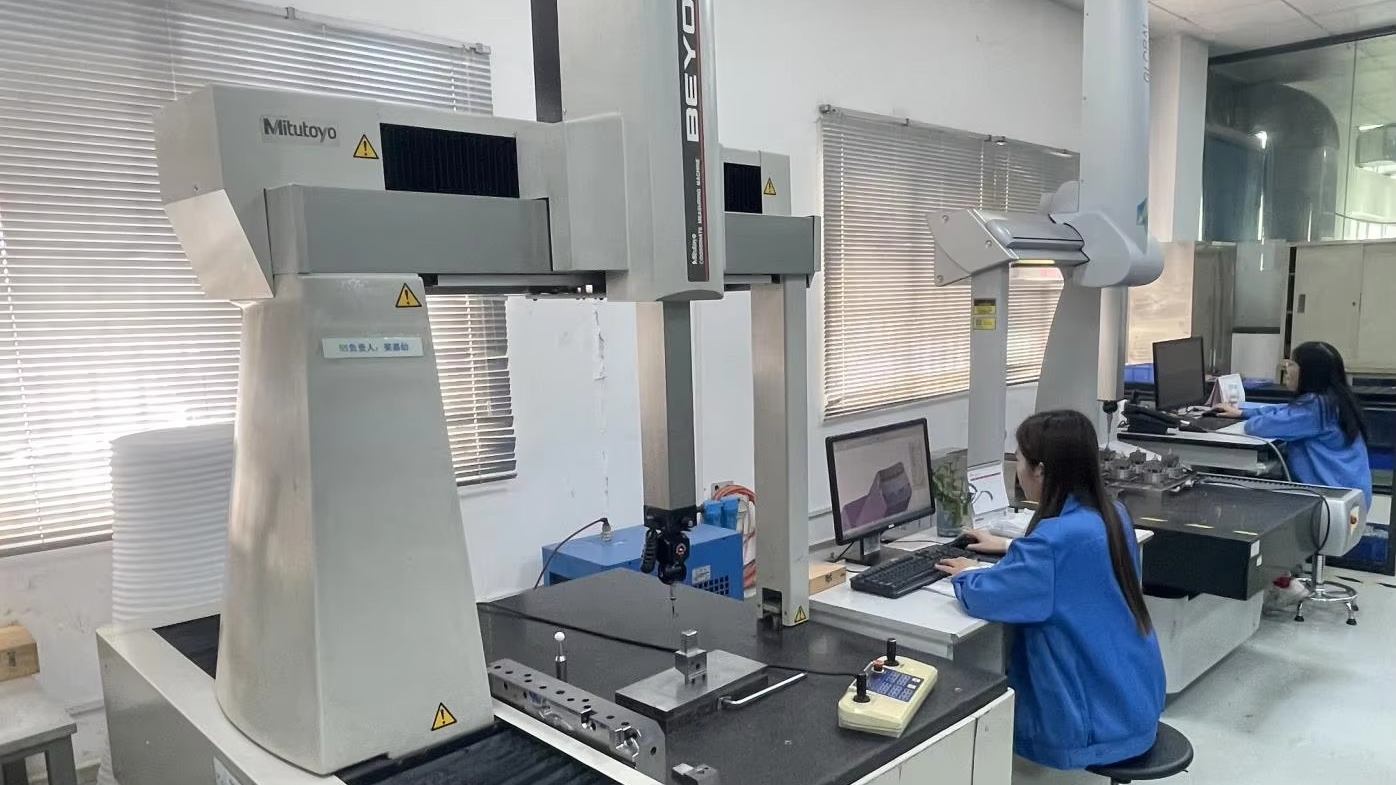
Zero-defect tolerance requires advanced inspection apparatus to measure geometry, meshing profile, and tolerances.
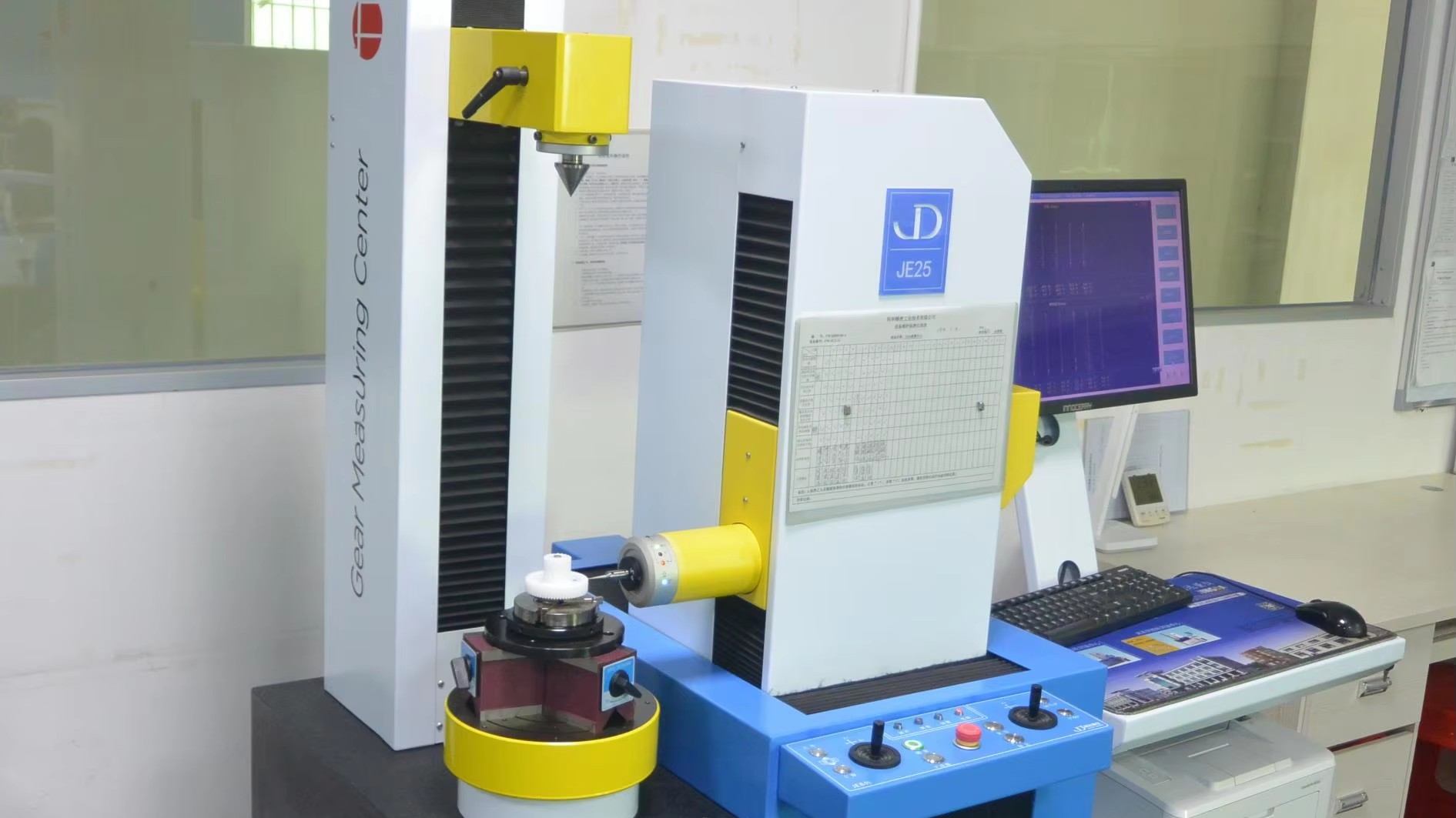
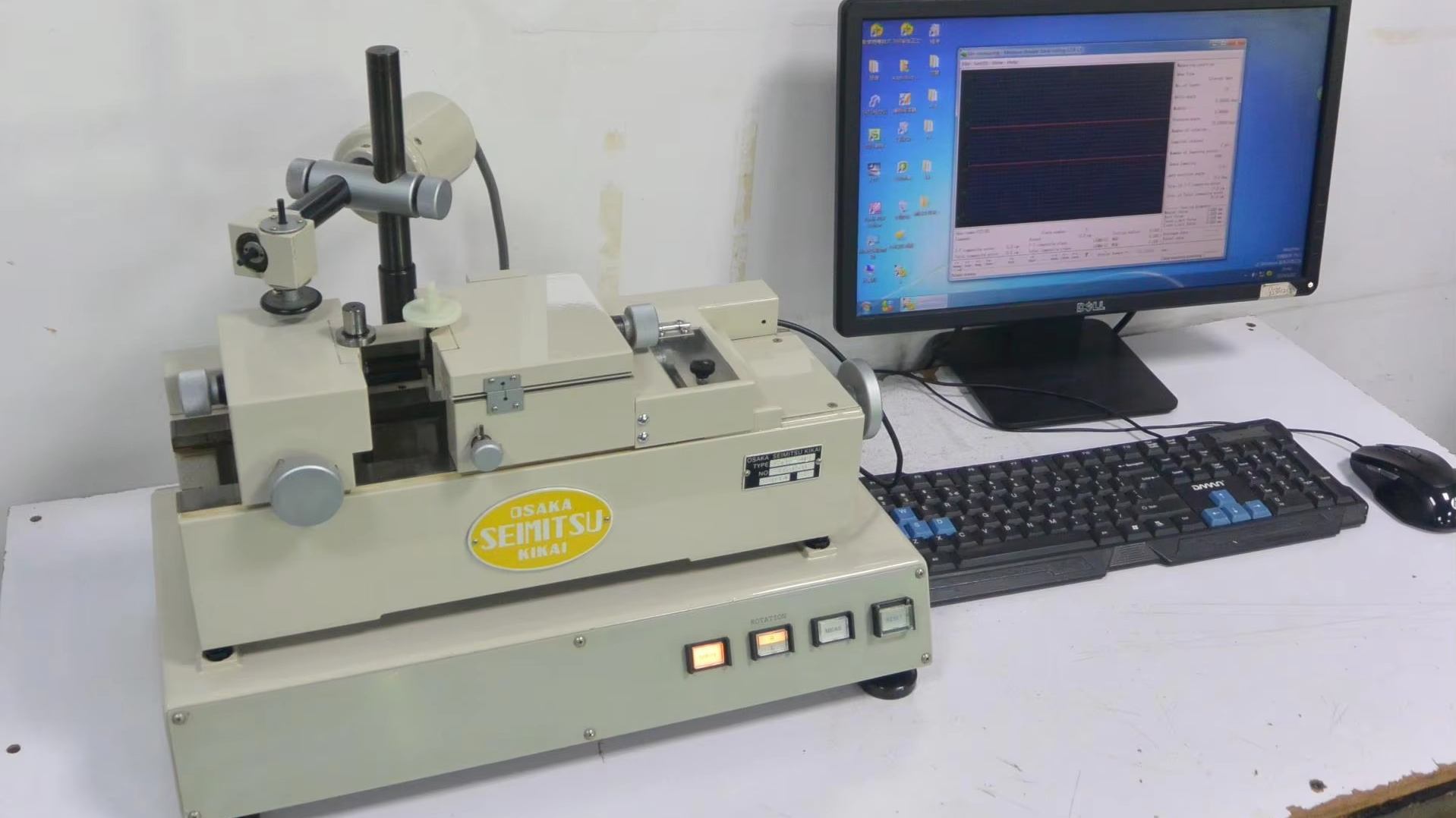
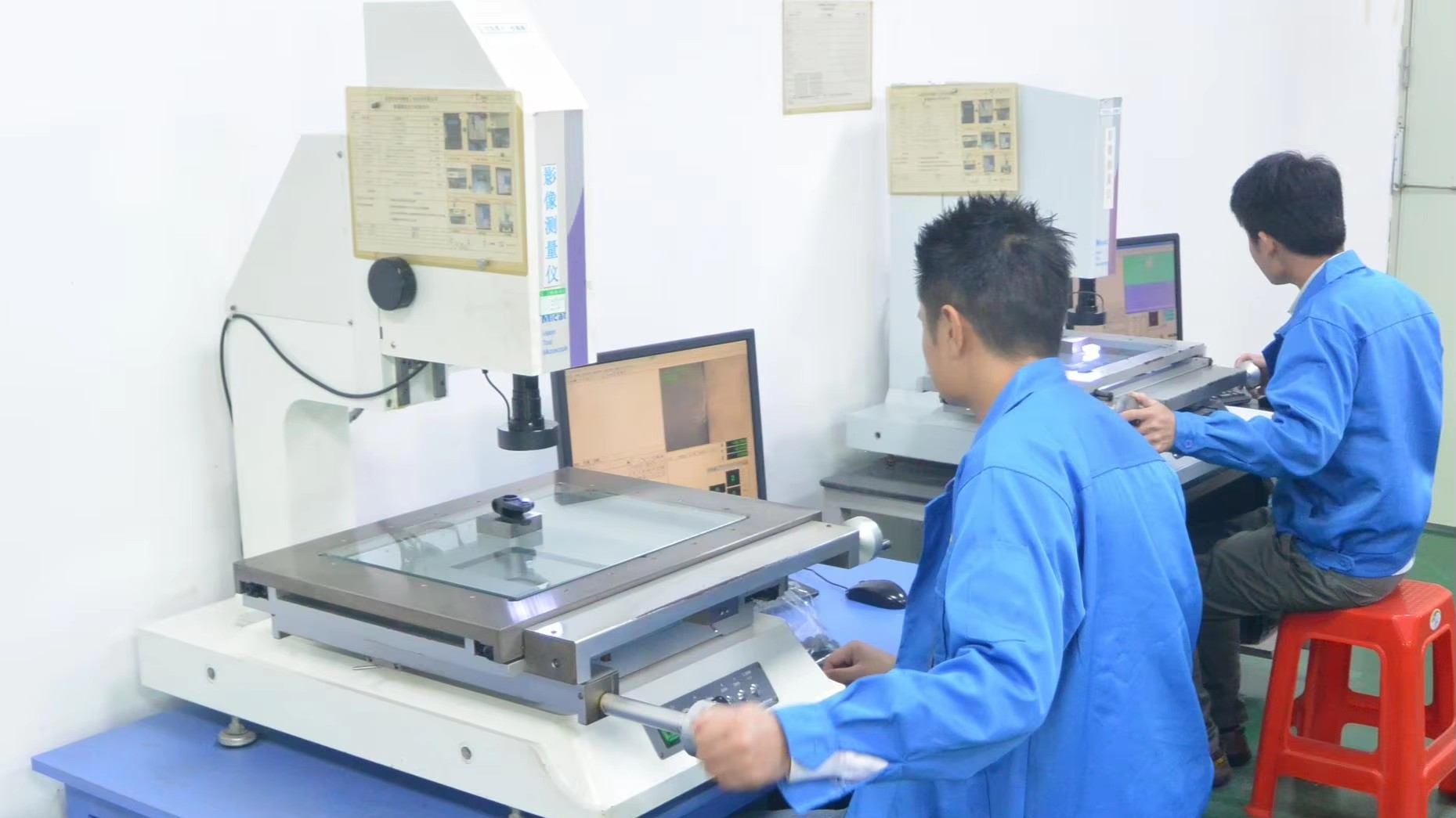
The micro-gear transmission field is entering a phase of rapid evolutionary change, driven by automation, electrification, and weight reduction strategies. To maintain a competitive edge, TQC Micromotor tracks and leads in several core technical domains:
In applications such as VR glasses, electronic door locks, and wearable medical devices, traditional wet lubricants (greases and oils) are unacceptable due to leakage risks, outgassing, or contamination of optical components. TQC resolves this by using internally lubricated polymers. By compounding base polymers (PA66, POM, PEEK) with additives like PTFE, silicone, or carbon nanotubes, we produce micro-gears that operate dry with minimal coefficient of friction. This material approach dramatically extends the MTBF (Mean Time Between Failures) of consumer and medical gearboxes.
Molding small plastic gears (under 10mm pitch diameter) presents severe challenges in dimensional stability. During the cooling phase, semi-crystalline polymers like POM undergo volumetric shrinkage. TQC leverages advanced CAE simulations (Moldflow) to design mold cavities that compensate for asymmetric shrinkage. Our toolmakers wire-cut cavities using high-precision Slow Wire machines to accuracies of ±2 micrometers. This ensure the final injection-molded gear tooth profiles adhere strictly to AGMA (American Gear Manufacturers Association) Class 8 or 9 standards.
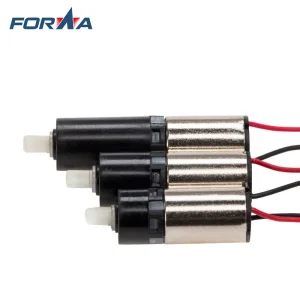
In high-torque density applications like commercial roller shutter doors or 42mm planetary reducers, pure plastic stages may fail under high shock loads, while pure metal stages produce unacceptable high-frequency noise. TQC’s engineering team often develops hybrid planetary stages: the input stage utilizes helical POM gears to damp motor vibration and minimize acoustic noise, while the output carrier stage utilizes sintered metal or CNC-machined alloy steel gears to withstand high output torque. This balanced architecture achieves a low-noise, high-torque, and long-life motor footprint.
As industry demand shifts toward cyber-physical systems, integrating sensors directly within the gear housing has become standard practice. TQC is researching the direct embedding of magnetic encoders and thermal probes within 16mm and 20mm gearboxes. Concurrently, our inspection centers utilize the JE25 Measurement Center to track tooth contact patterns and transmission errors in real-time, feeding this data back into the production cycle to maintain strict process control.
Direct technical answers from TQC’s Chief Engineering Officer on selecting, sourcing, and applying low-backlash systems.
Explore our secondary lineup of micro-stepper motors, specialized polymer gear kits, and custom actuators.
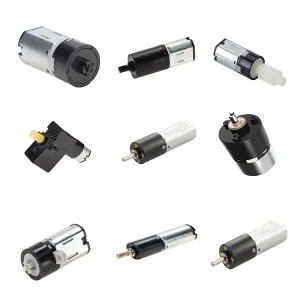
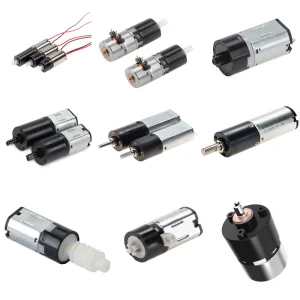
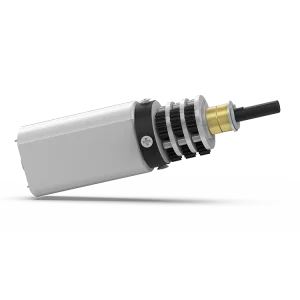
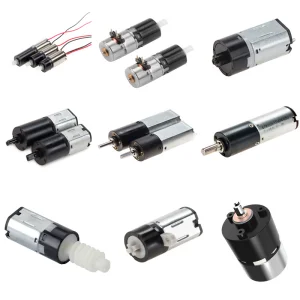
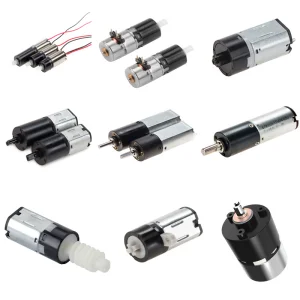
 Stepper Motor