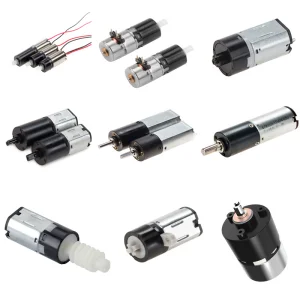
Explore our top-tier catalog of micro coreless motors, planetary reduction gearboxes, and customized gearing solutions designed for precision speed/torque profiling.
TQC Micromotor is a forward-thinking Chinese manufacturer redefining precision motion control in the micro-drive industry. We design and build high-efficiency micro DC and BLDC motors that power next-generation technologies worldwide.
Driven by our core philosophy—Top Quality & Customization—we combine advanced manufacturing tech with flexible engineering to provide global B2B clients with the transparency of a local partner and the cost benefits of a premier Chinese factory. Built to last. Engineered to fit.
Unlike traditional cylindrical gears that maintain a constant angular velocity ratio, non-circular gears (NCGs) are engineered to deliver a varying transmission ratio during a single rotation. They provide a precise, mathematically calculated output speed and torque profile derived from a constant input velocity. By varying the pitch curves—utilizing elliptical, logarithmic spiral, oval, or sector geometries—designers can program complex mechanical acceleration and deceleration phases directly into the physical structure of the gearset.
The rolling kinematic contact of non-circular gears operates under the strict mathematical rule that the sum of the instantaneous radii of the driving and driven gears must remain constant and equal to the shaft center distance. As the contact point moves along the variable profile, the instantaneous transmission ratio oscillates. This kinematics eliminates the need for complex multi-bar linkages, cams, or electronic programmable servomotors, resulting in lighter, more robust mechanical systems.
In the global industrial sector, the demand for non-circular gear mechanisms has risen dramatically, driven by high-speed automation, intelligent consumer electronics, and specialized automotive systems. Industries are moving away from complicated mechanical assemblies that are prone to wear and backlash toward compact, optimized gear drives. In applications like medical infusion pumps, textile weaving machinery, and packaging lines, variable-ratio systems are replacing traditional planetary configurations.
As a leading manufacturer in China, TQC Micromotor utilizes advanced CNC micro-machining and state-of-the-art polymer formulation to supply custom components globally. By integrating non-circular pitch profiles into micro-drive units, we help designers in Europe, North America, and Southeast Asia reduce system complexity, cut motor size requirements by up to 30%, and significantly lower electromagnetic interference (EMI) and power consumption.
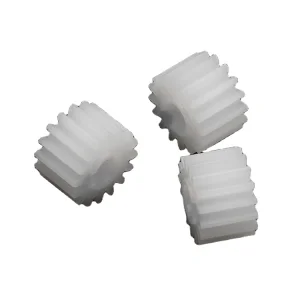
For micro-gearing systems, material selection is critical to balance rotational inertia, self-lubrication, mechanical strength, and dimensional stability. Our factory specializes in high-precision plastic formulations, specifically Polyoxymethylene (POM / Acetal), Nylon (PA66/PA12), and ABS polymers.
POM is preferred for its high stiffness, low friction coefficient, and dimensional stability under varying humidity and temperature conditions, making it ideal for small modulus spur and non-circular gears. Nylon provides excellent impact resistance and self-lubrication, which is essential for low-noise applications. For higher load applications, we reinforce these polymers with carbon fiber or glass fiber matrices, achieving metal-like shear strength with a fraction of the weight.
Designing non-circular gears requires sophisticated mathematical modeling. Unlike standard gears with involute profiles based on constant base circles, non-circular gear tooth profiles must be mapped along a variable pitch curve. Using specialized CAD/CAM software, TQC Micromotor engineers establish the transmission ratio function $i(\theta)$ and calculate the pitch curves of the gear pair.
To prevent issues like tooth undercut, profile interference, and excessive sliding velocity during engagement, we utilize advanced profile shift coefficients. Dynamic simulation tools analyze the tooth root bending stresses and contact pressure distribution, ensuring that every non-circular gear set is optimized for life expectancy, low noise, and minimal backlash.
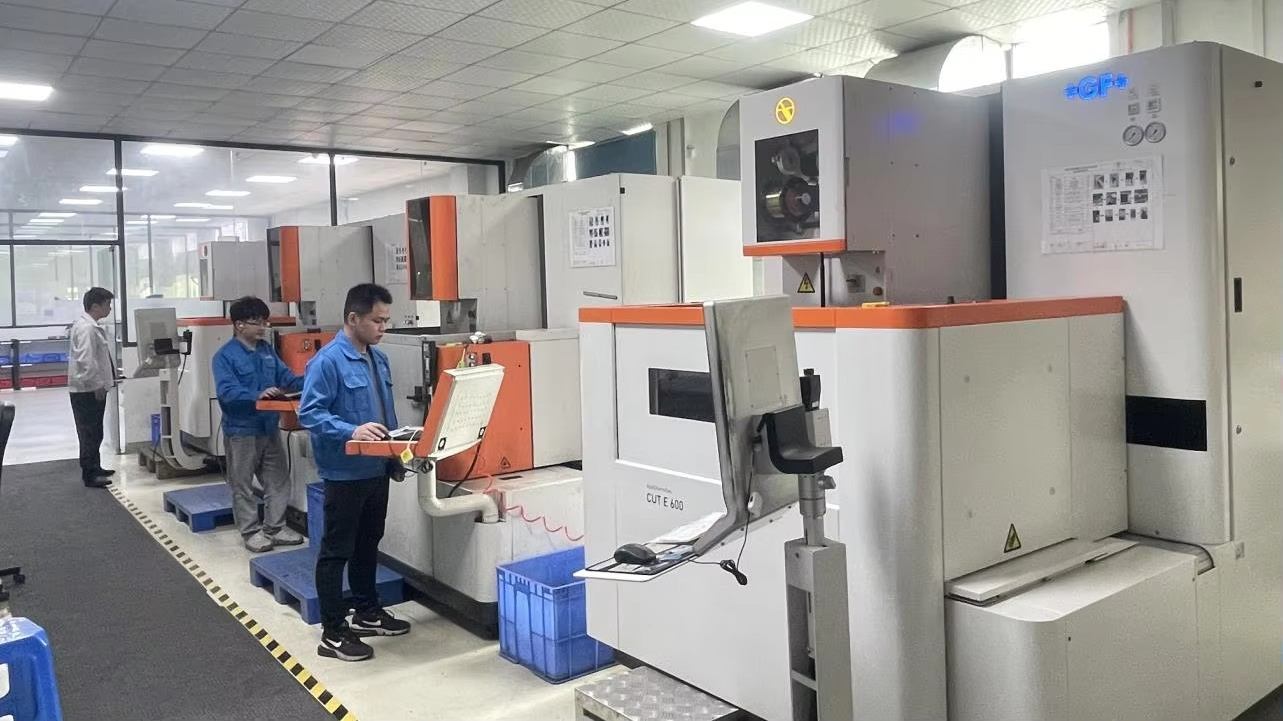
From initial mold making to precision slow-wire cutting and robotic injection molding, our vertically integrated factory guarantees absolute control over every stage of production.
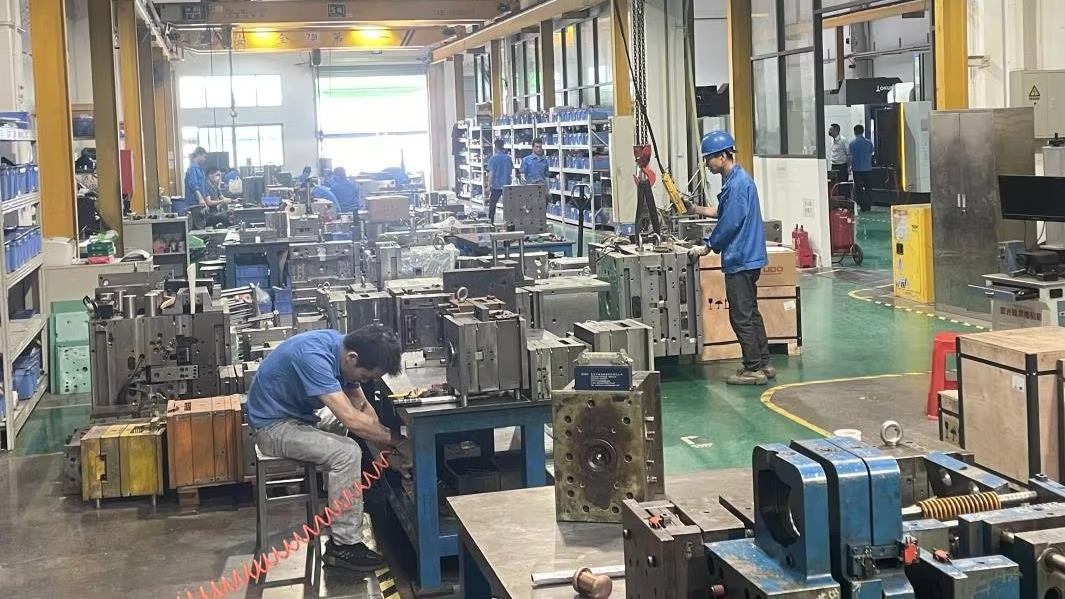
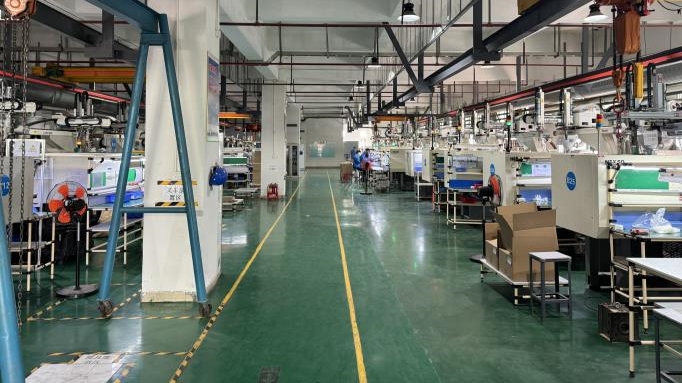
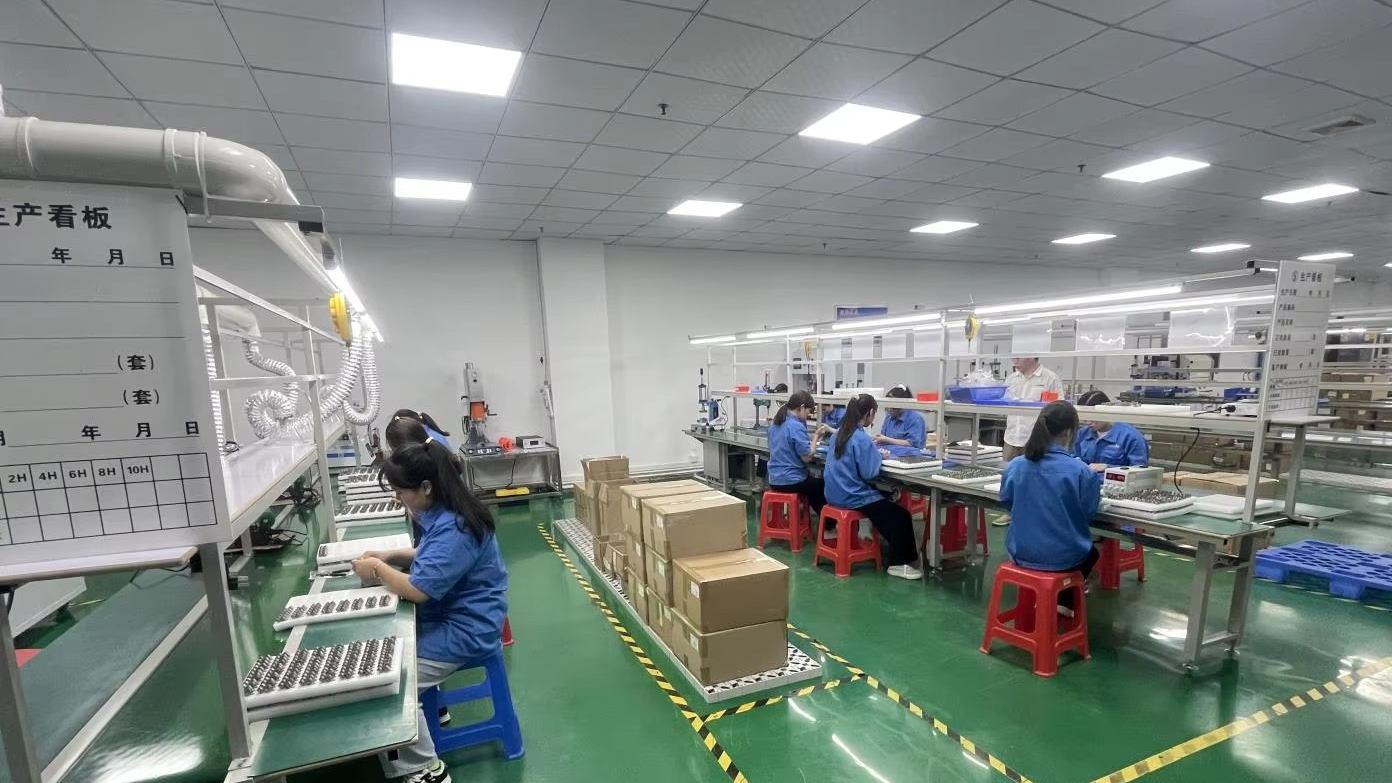
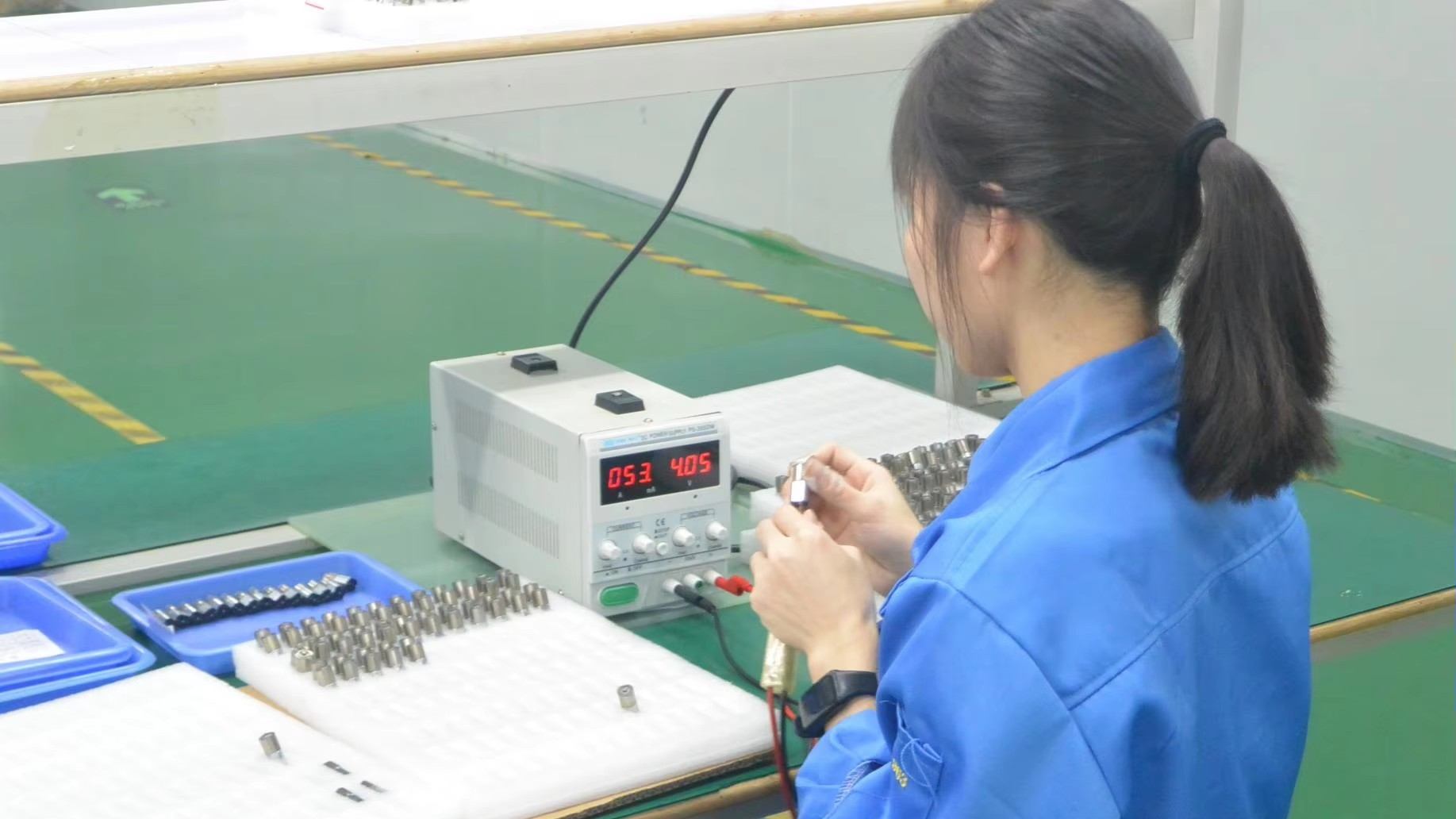
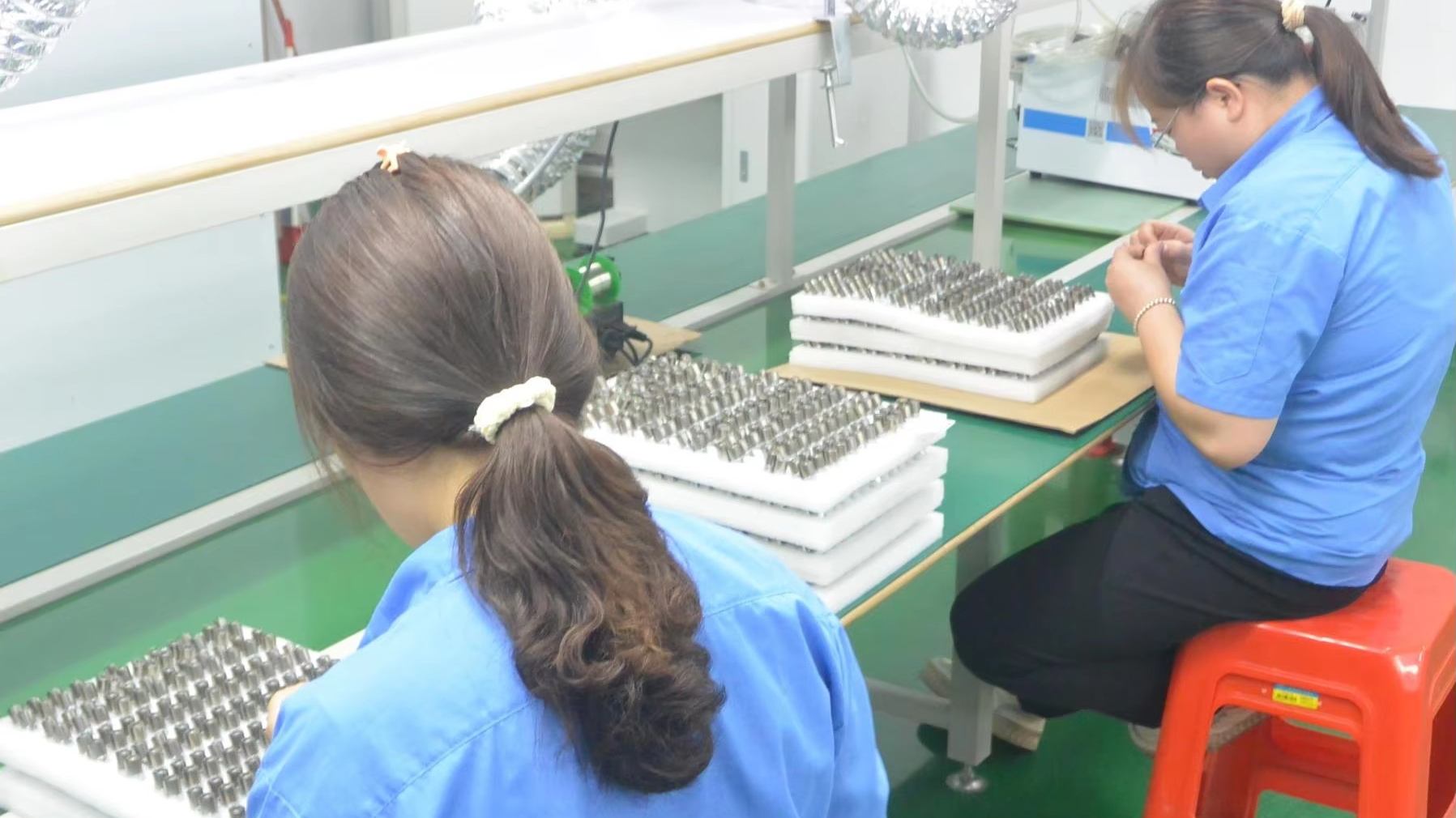
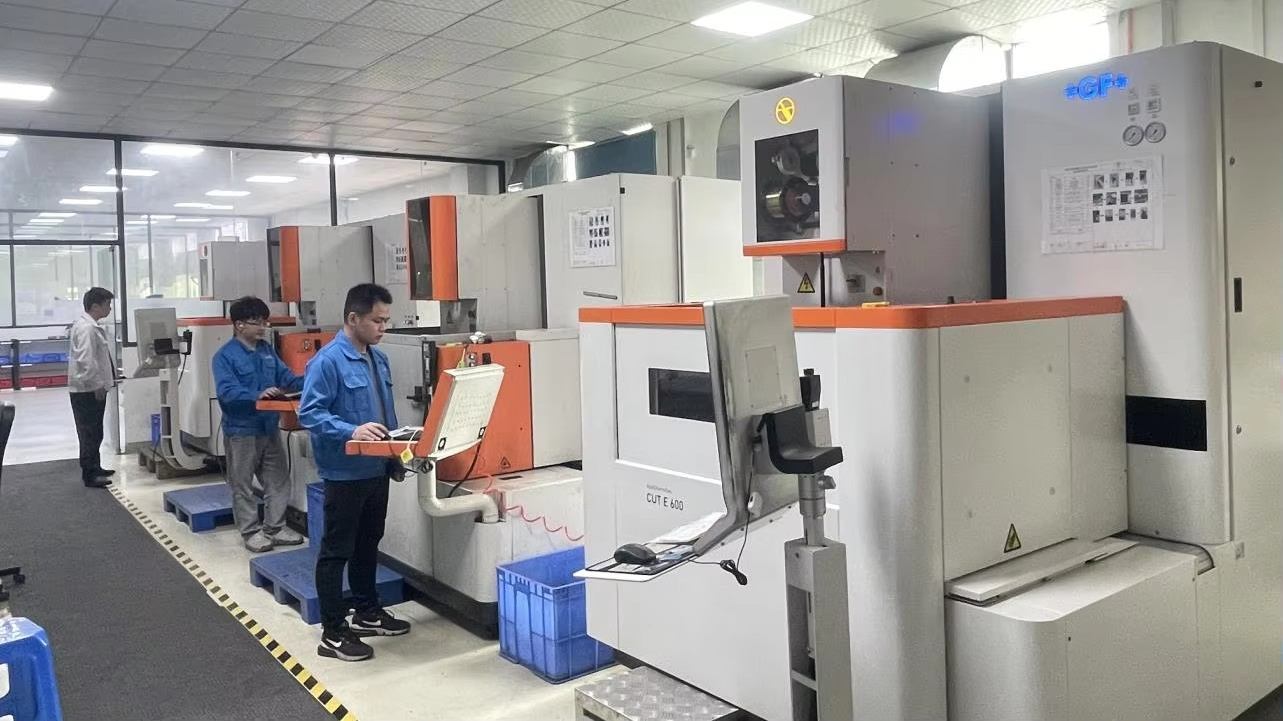
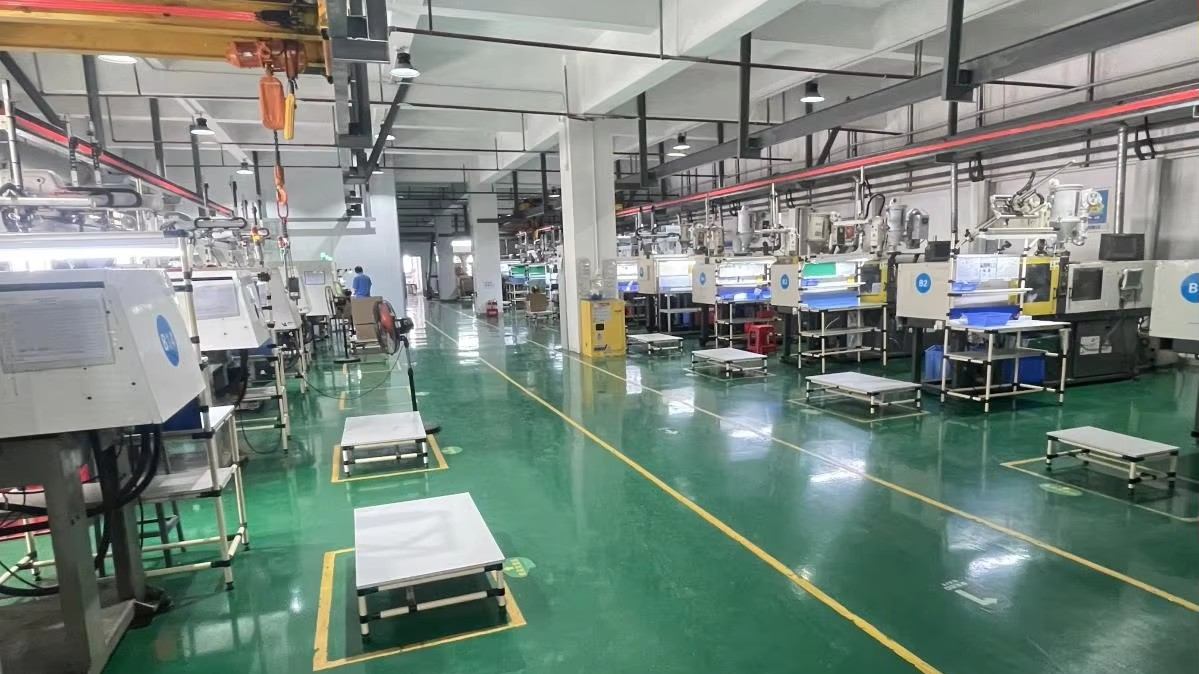
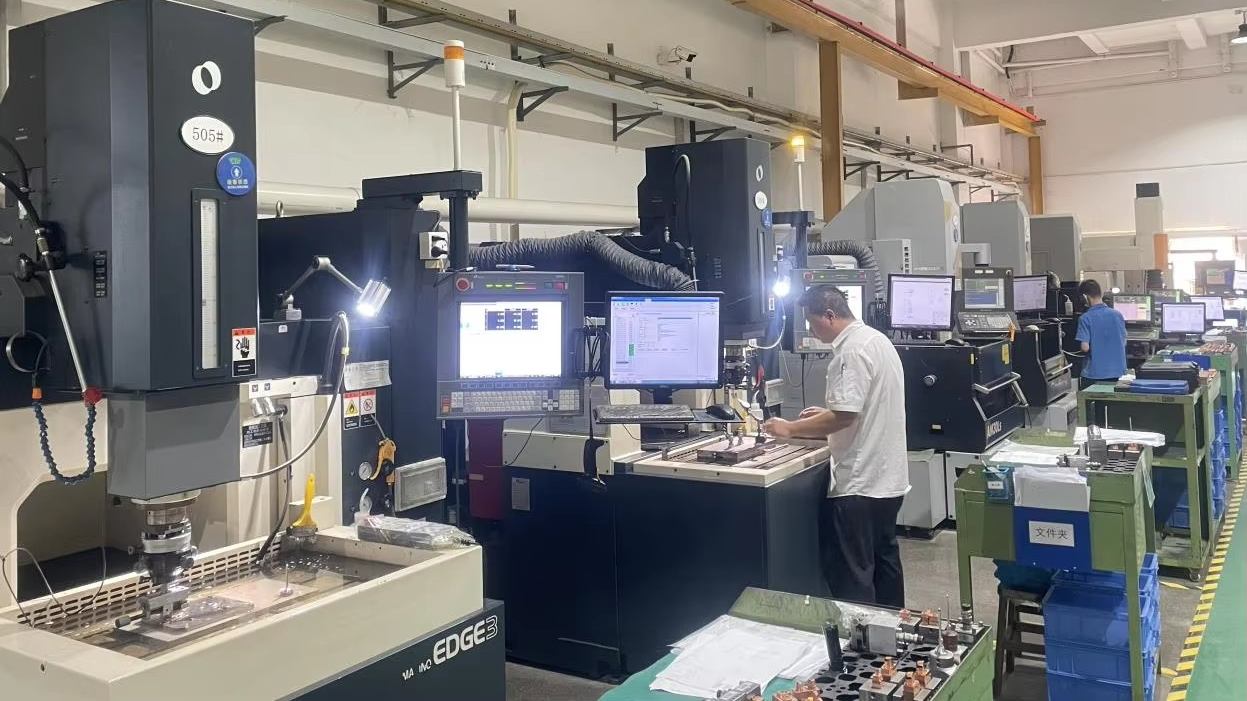
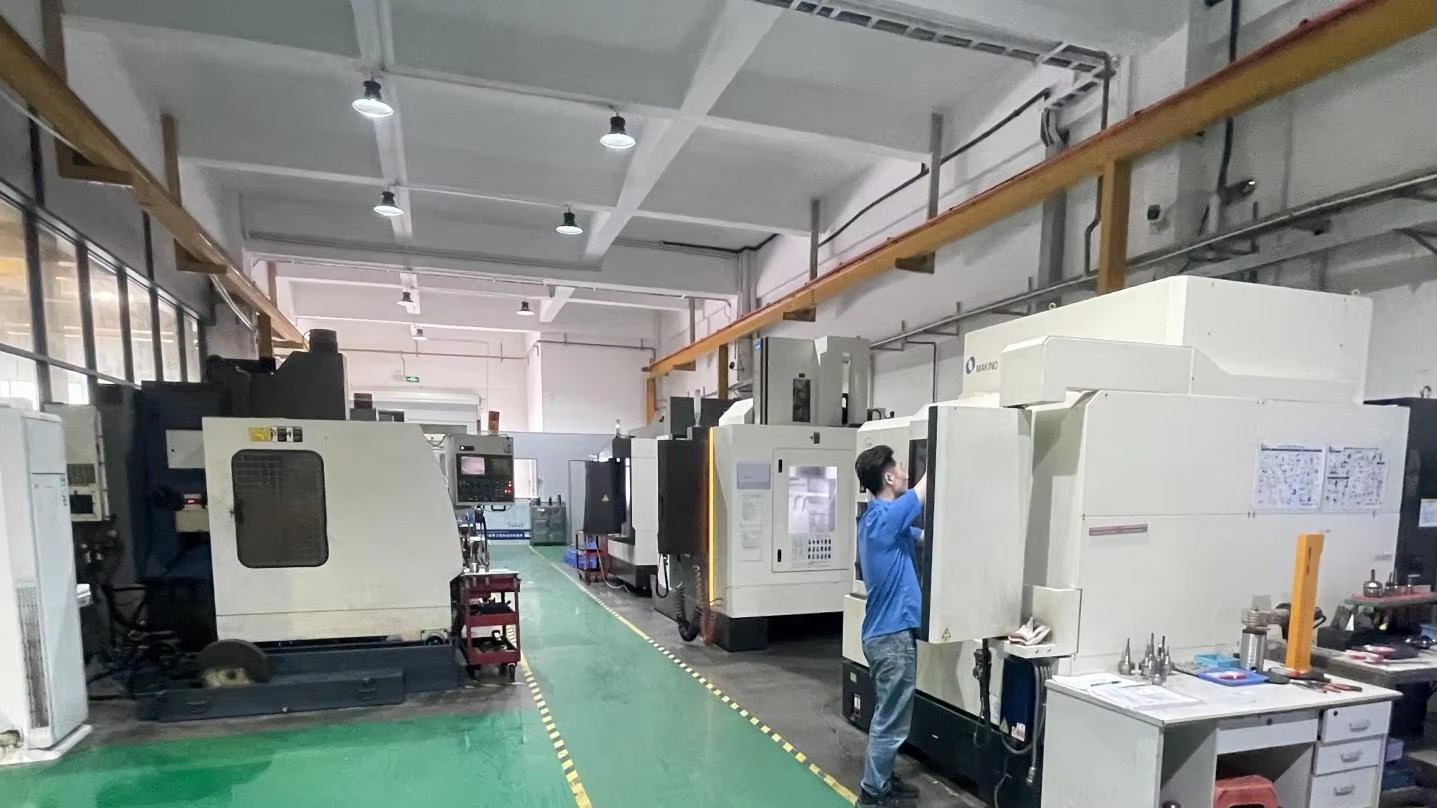
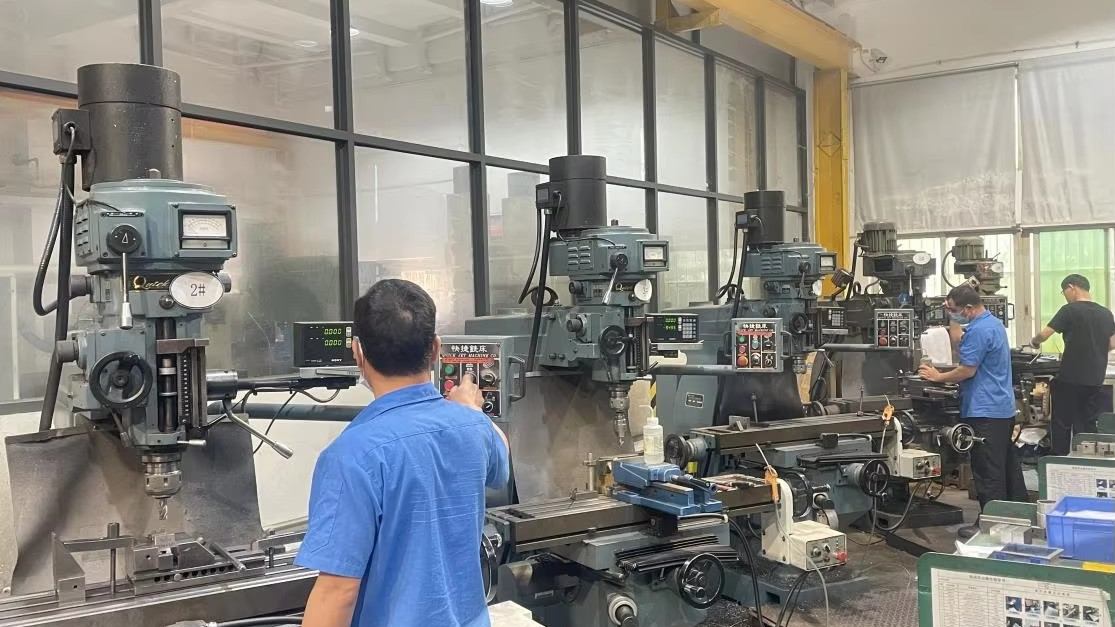
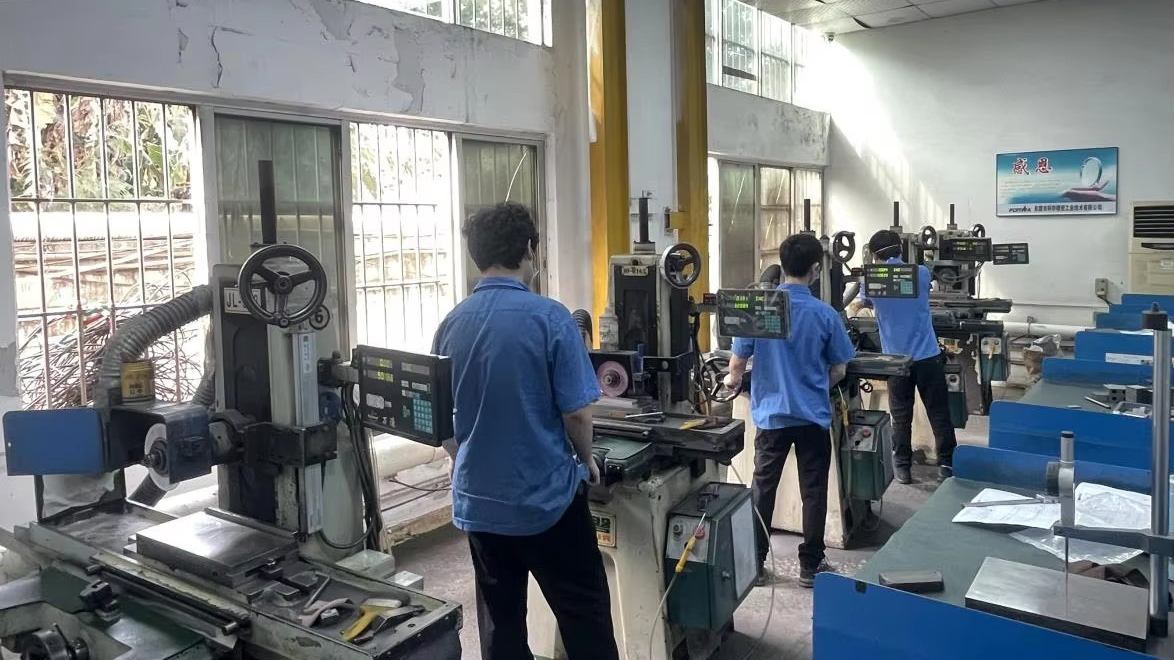
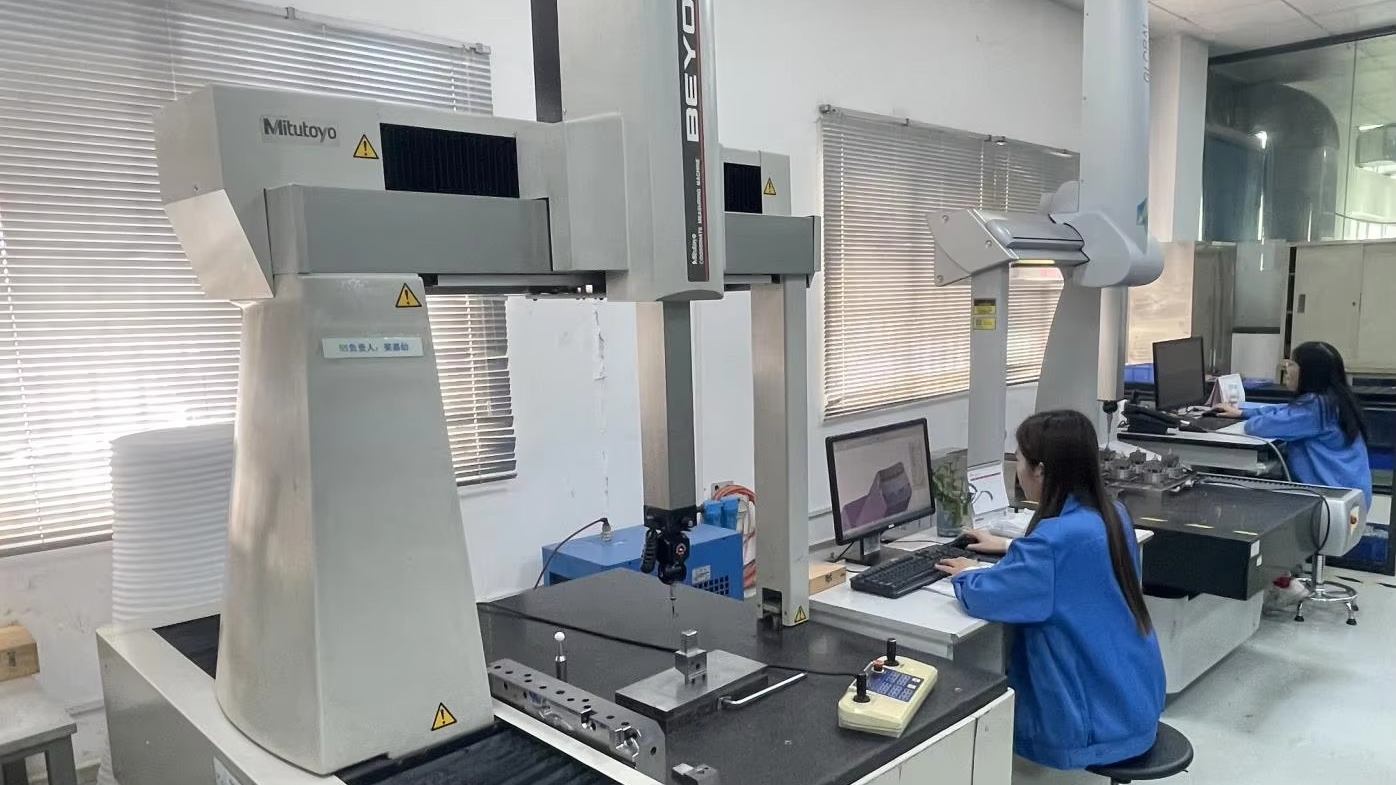
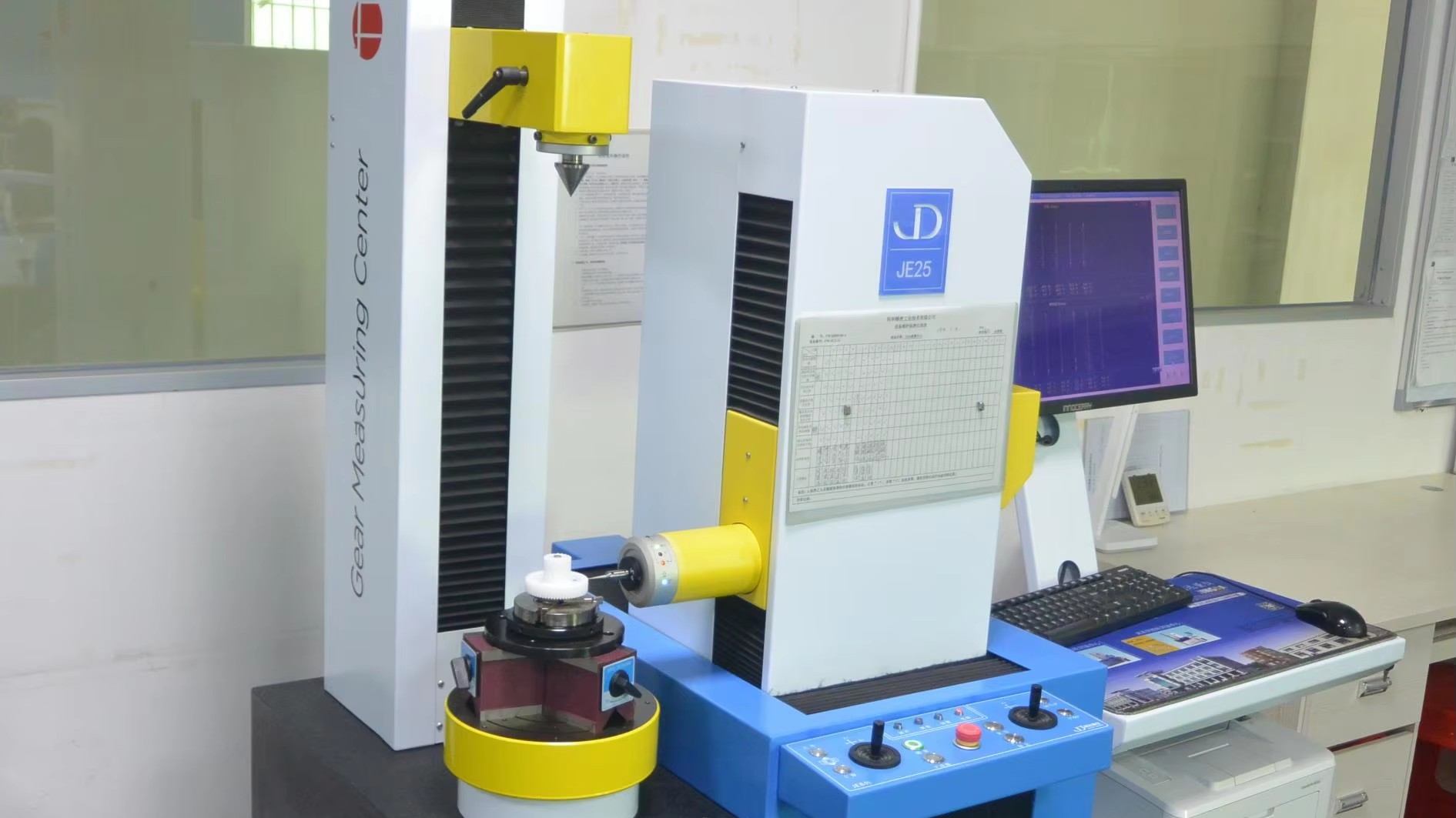
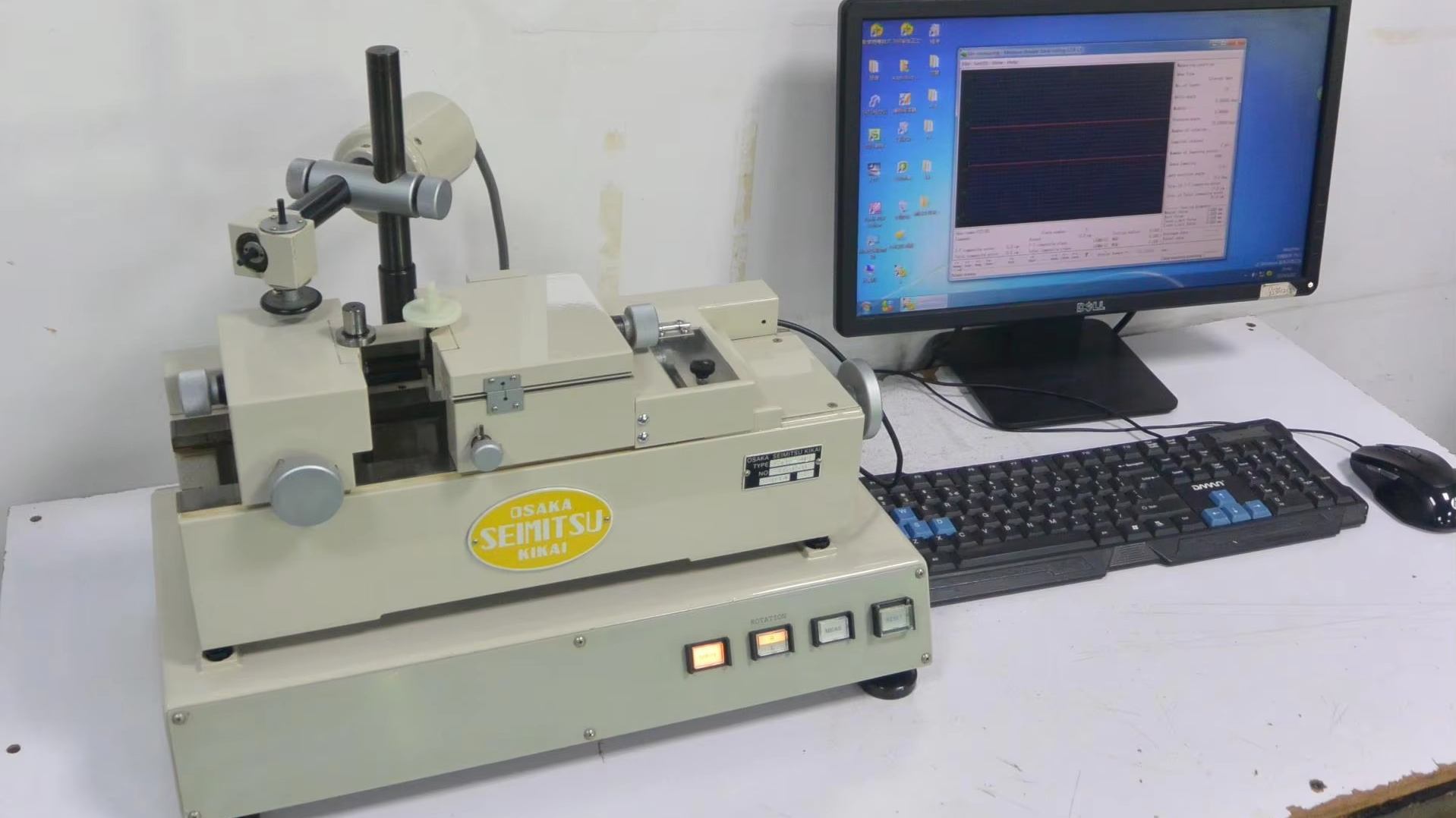
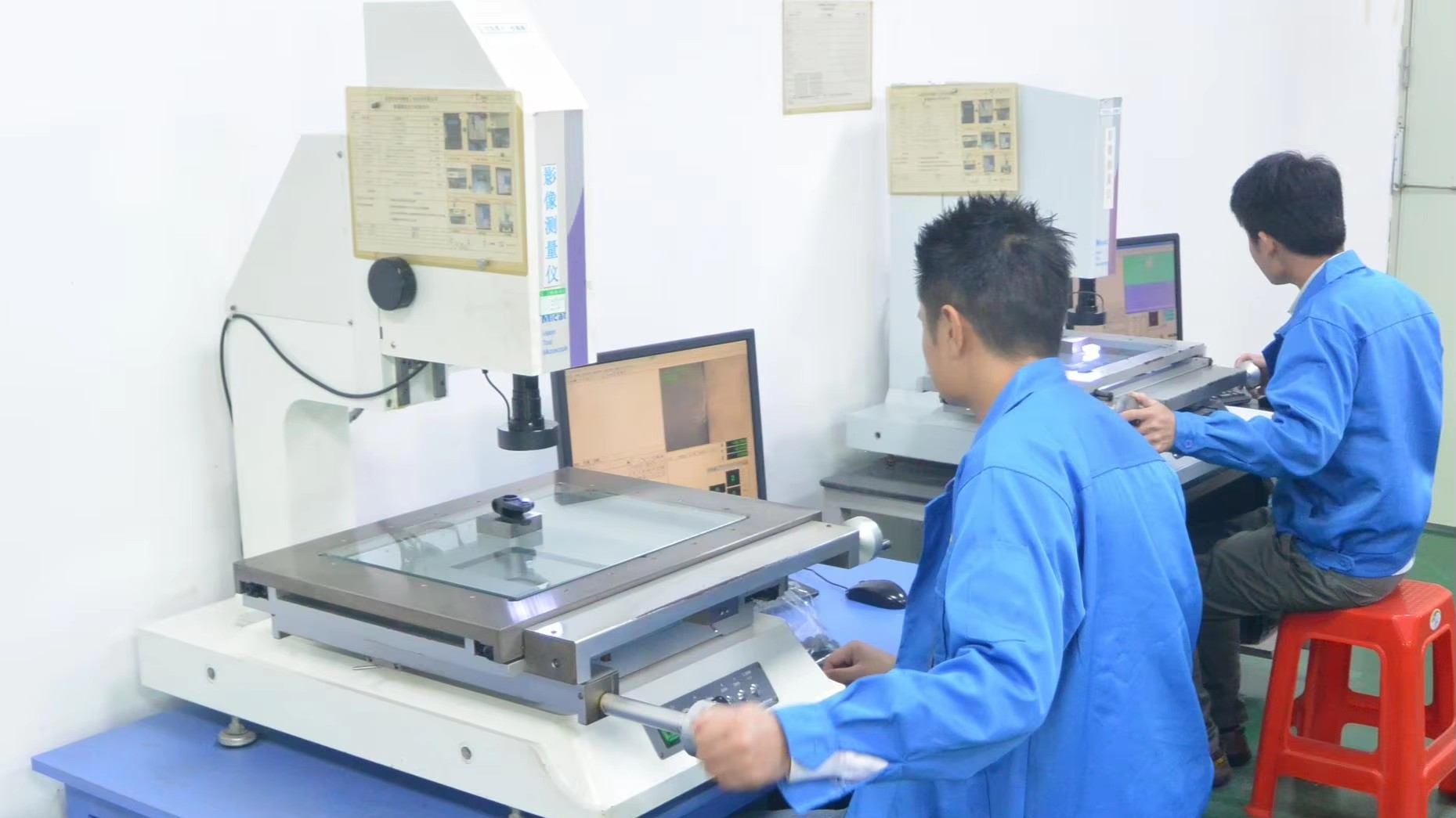
We maintain exceptional reliability (E-E-A-T) using state-of-the-art testing equipment. We inspect dimensional tolerances, pitch variations, and tooth profiles down to the sub-micron level.
Our custom-made non-circular gears provide unique kinetic benefits in numerous localized industrial and consumer scenarios.
Modern power window regulators demand non-uniform output force profiles. When a car window closes, the friction and seal forces increase exponentially near the top. By incorporating an elliptical or variable-ratio non-circular gear set into the regulator gearbox, the drive motor receives mechanical leverage during the final sealing phase, providing higher output torque without drawing excessive electrical current or requiring a larger motor.
Peristaltic infusion pumps require highly controlled, pulsation-free fluid delivery. Because the pump's rotor pin squeezes the tube sequentially, a standard motor produces cyclic fluid pulses. An engineered non-circular gear drive can dynamically speed up and slow down the pump rotor within each rotation. This compensates for the compression cycles of the tubing and delivers a continuous, smooth, and safe flow of medication.
From automated robotic lawn mowers that adjust drive wheels to varying turf conditions, to high-torque drying racks and quiet motorized blinds, variable-ratio gears optimize torque output. By utilizing TQC Micromotor's advanced polymer non-circular gears, smart appliance manufacturers can reduce gear-mesh noise to below 35dB while extending battery life.
Our long-term development strategy integrates advanced computing with manufacturing excellence to drive down costs while pushing the boundaries of micro-motion precision.
Traditional non-circular gear design is limited by analytical equations. TQC Micromotor is developing AI-driven generative design platforms that accept desired velocity and torque profiles as input. The platform then generates the optimum pitch curves and tooth profiles. This speeds up prototyping from weeks to hours, allowing custom OEM non-circular gears to be developed quickly.
To meet demands for higher load capacity, we are testing carbon nanotube (CNT) reinforced polymer compounds. By co-injecting a high-strength composite core with a low-friction outer tooth shell, our future non-circular gears will achieve structural strength comparable to brass or aluminum. At the same time, they will retain the self-lubrication, light weight, and chemical resistance of advanced polymers.
Our engineering experts address common technical questions regarding the design, operation, and advantages of non-circular gears.
Managing backlash in non-circular gears requires highly precise tooth thickness control and center-distance accuracy. Because the gear pitch radius changes continuously, backlash varies across the rotation. TQC Micromotor compensates for this by applying variable profile shifts during design. We also use high-accuracy manufacturing processes, such as slow-wire EDM and coordinate measuring machines, to hold tolerances within ±5 μm. This minimizes wear and keeps backlash consistent.
The maximum transmission ratio variation depends on the curvature of the pitch line. If the curvature radius becomes too small, undercut occurs during gear cutting or molding, which weakens the tooth root. Generally, the ratio of maximum to minimum output speed within a single cycle is kept below 3:1 for micro spur designs. For larger variations, we recommend sector gears or custom multi-stage planetary assemblies.
Electronic programming using a servo motor to vary speed requires continuous feedback, which increases power draw, controller cost, and the risk of electronic failure. A mechanical non-circular gear uses a simple, low-cost brushless DC or brushed motor running at a constant speed to produce the exact same variable speed/torque profile. This reduces cost, increases reliability, and eliminates electromagnetic interference (EMI).
Our customization process begins with the client's output requirements, including the torque profile, angle-versus-time kinematics, and dimensional limits. Our engineering team designs the pitch profiles and simulates the gear mesh. Once the simulation is approved, we manufacture prototype tooling using high-speed CNC and slow-wire EDM. We then injection-mold or machine prototype gears, inspect them on our CMM, and perform functional tests prior to mass production.
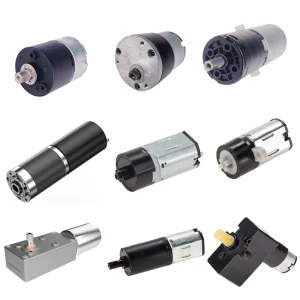
Our high-precision planetary and plastic gearboxes provide reliable, high-torque performance for consumer electronics, medical systems, and industrial automation.
 Stepper Motor