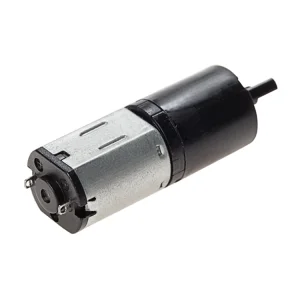
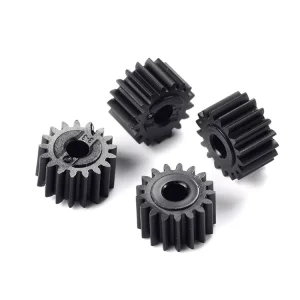
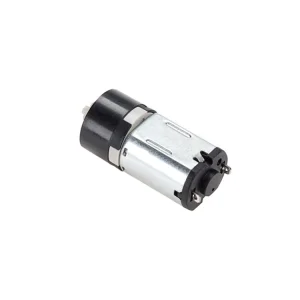
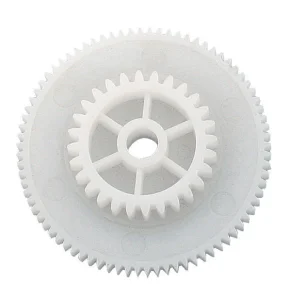
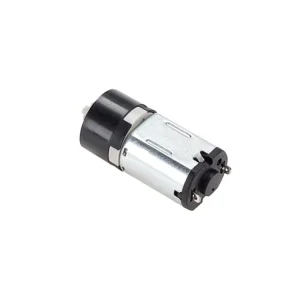
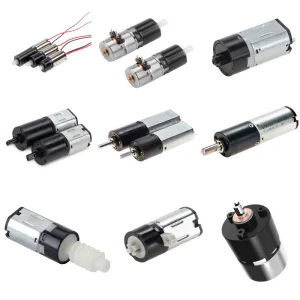
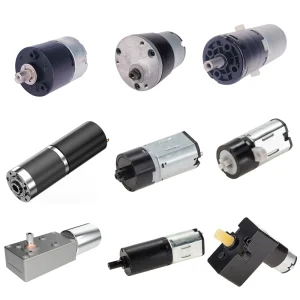
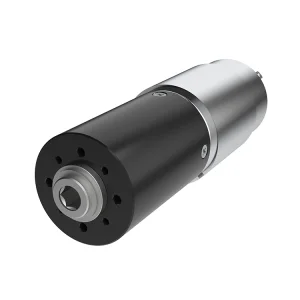
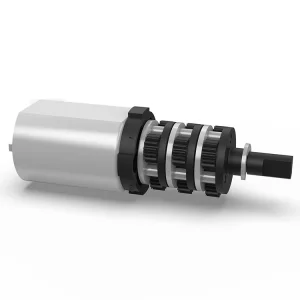
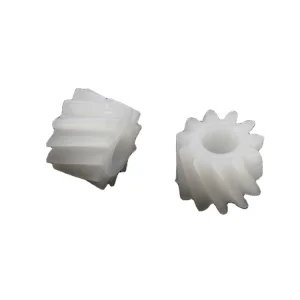
Engineered for low-backlash, high-torque configurations, and specialized rotational ratios.
TQC Micromotor is a forward-thinking Chinese manufacturer redefining precision motion control in the micro-drive industry. We design and build high-efficiency micro DC and BLDC motors that power next-generation technologies worldwide.
Driven by our core philosophy—Top Quality & Customization—we combine advanced manufacturing tech with flexible engineering to provide global B2B clients with the transparency of a local partner and the cost benefits of a premier Chinese factory. Built to last. Engineered to fit.
In modern industrial applications, standard mechanical elements often fail to satisfy the dimensional and structural integrity demands of custom configurations. This is where Custom OEM Gear Modifications become crucial. When deploying micro-drives in harsh, high-torque, or extreme thermal environments, customized material treatments, specialized tooth geometries, and optimized module designs determine whether a device succeeds or fails in the field.
The global mechanical transmission market is undergoing a transition driven by rapid advancements in automation, medical technology, smart home devices, and robotic manipulation systems. B2B procurement managers are no longer looking for off-the-shelf catalog products. Instead, they require bespoke integration to resolve physical envelope restrictions, sound pressure constraints, and specific torque-density characteristics.
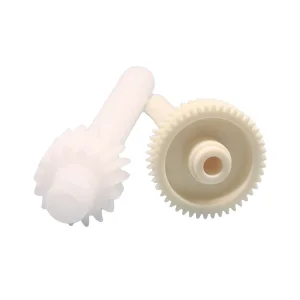
Custom OEM gear modifications address multi-dimensional challenges. Procurement engineering departments regularly face choices between thermoplastic polymers (like polyoxymethylene (POM), nylon, PEEK) and high-strength alloys. Selecting the correct materials impacts lubrication intervals, operational noise levels, torque capability, and assembly life cycle costs. A custom-modified gear set ensures optimal performance within demanding architectural footprints.
Every industry imposes distinct mechanical challenges. A gear configuration that functions successfully in a consumer application would fail immediately inside a high-reliability medical pump or an automotive interior door mechanism.
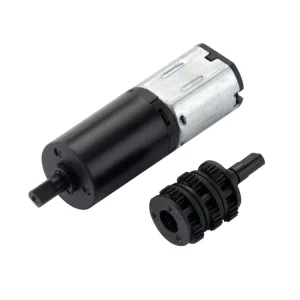
Medical-grade drives require zero-tolerance for fluid ingress, quiet operation (often under 35dB at 30cm distance), and extreme reliability. By utilizing modified micro plastic coreless motor gearboxes and high-precision polymer helical profiles, manufacturers eliminate structural vibration and avoid metallic contamination. This ensures the uniform delivery rates required for clinical infusion pumps.
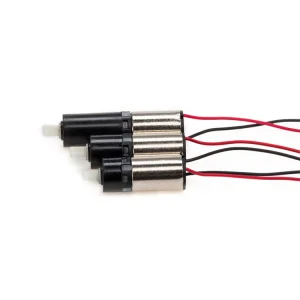
From automatic flip-lid waste receptacles to smart door locks and motorized window blinds, space is at a premium. TQC Micromotor designs specialized micro-planetary gearsets that deliver high torque (up to 12.0 Nm) inside small diameters (down to 10mm and 12mm), allowing seamless integration into architectural hardware.
Vacuum brush rolls, LIDAR scanning modules, and wheel drive systems require robust torque multipliers capable of resisting impact loads. High-precision nylon spur gears combined with miniature DC gearmotors ensure high efficiency and minimal wear, protecting cleaning platforms from premature field failures.
Focusing optics and interpupillary distance (IPD) adjustment assemblies must operate without backlash. Micro stepper motors configured with custom 0.4 modulus spur gear sets enable fine resolution adjustments, providing smooth visual alignment in consumer head-mounted displays.
TQC Micromotor utilizes advanced manufacturing technologies and strict testing procedures to ensure all gear systems meet high standards of accuracy.
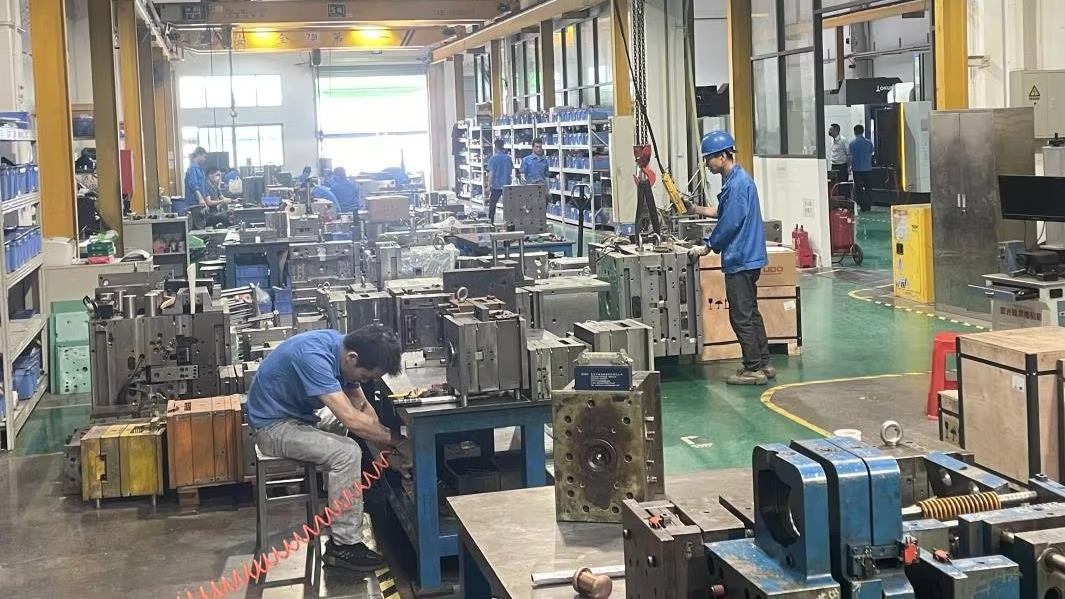


The performance of micro mechanical drivetrains depends on material engineering. By using modified engineering resins, TQC Micromotor works with B2B partners to design gear components optimized for friction, wear, and physical stability.
Optimizing the gear tooth design is essential for reducing noise and maximizing power transmission in small envelopes:
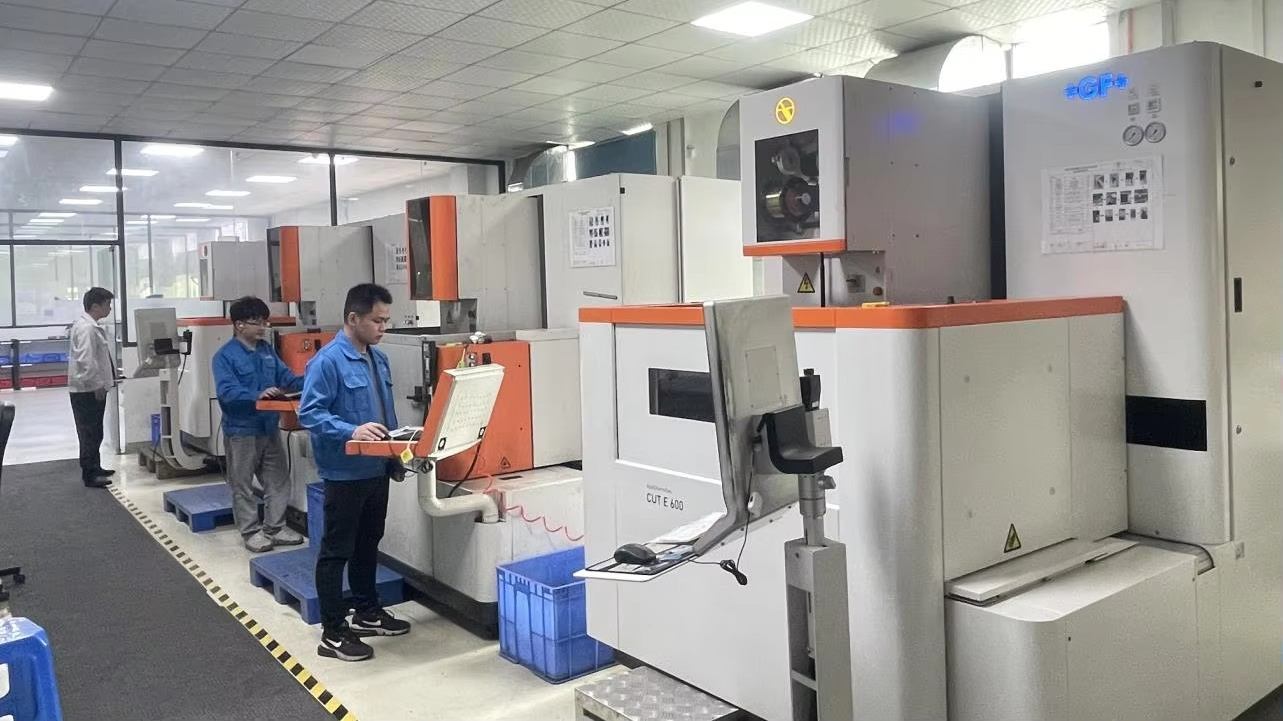
Producing reliable high-precision micro gear systems requires consistent, measurable verification. TQC Micromotor maintains dedicated testing facilities using advanced metrology gear to guarantee dimensional accuracy and concentricity:
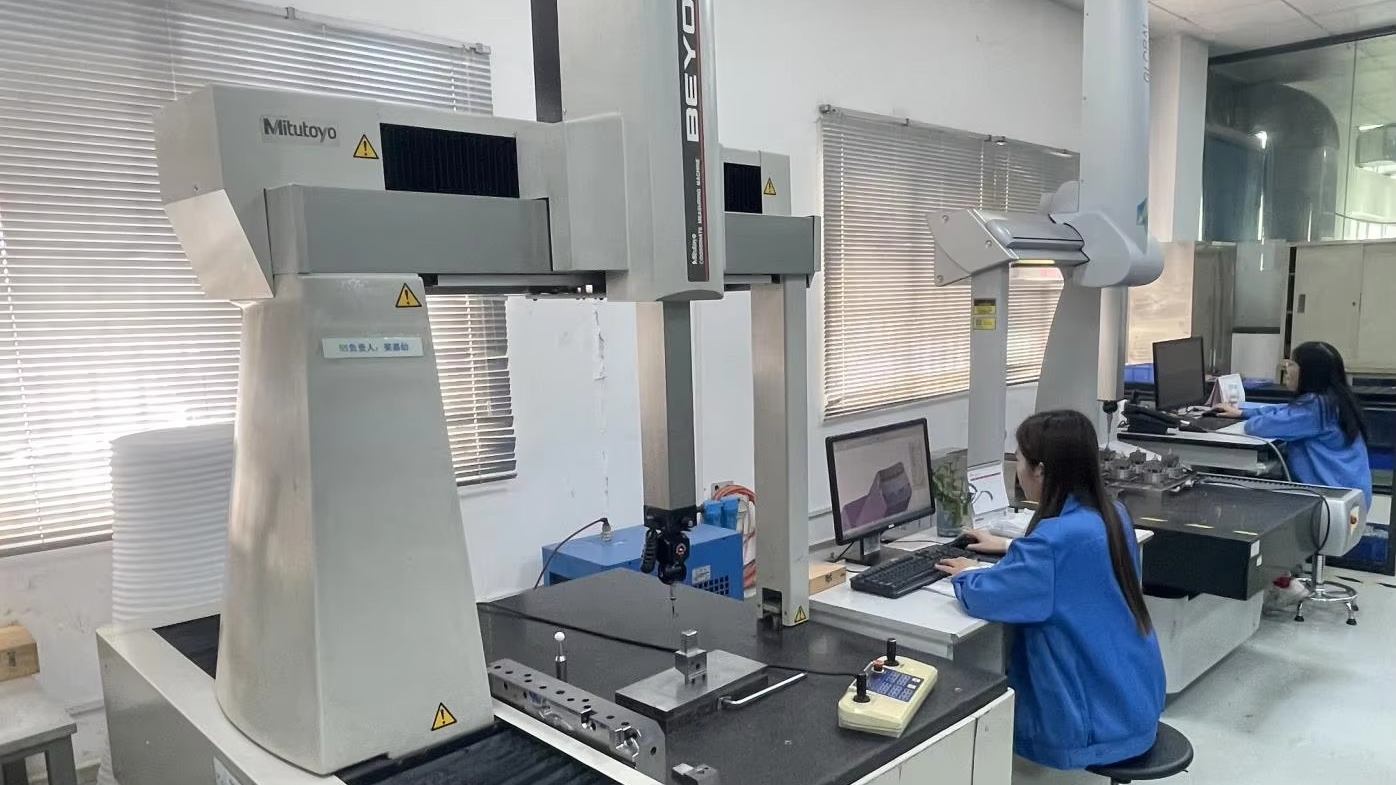
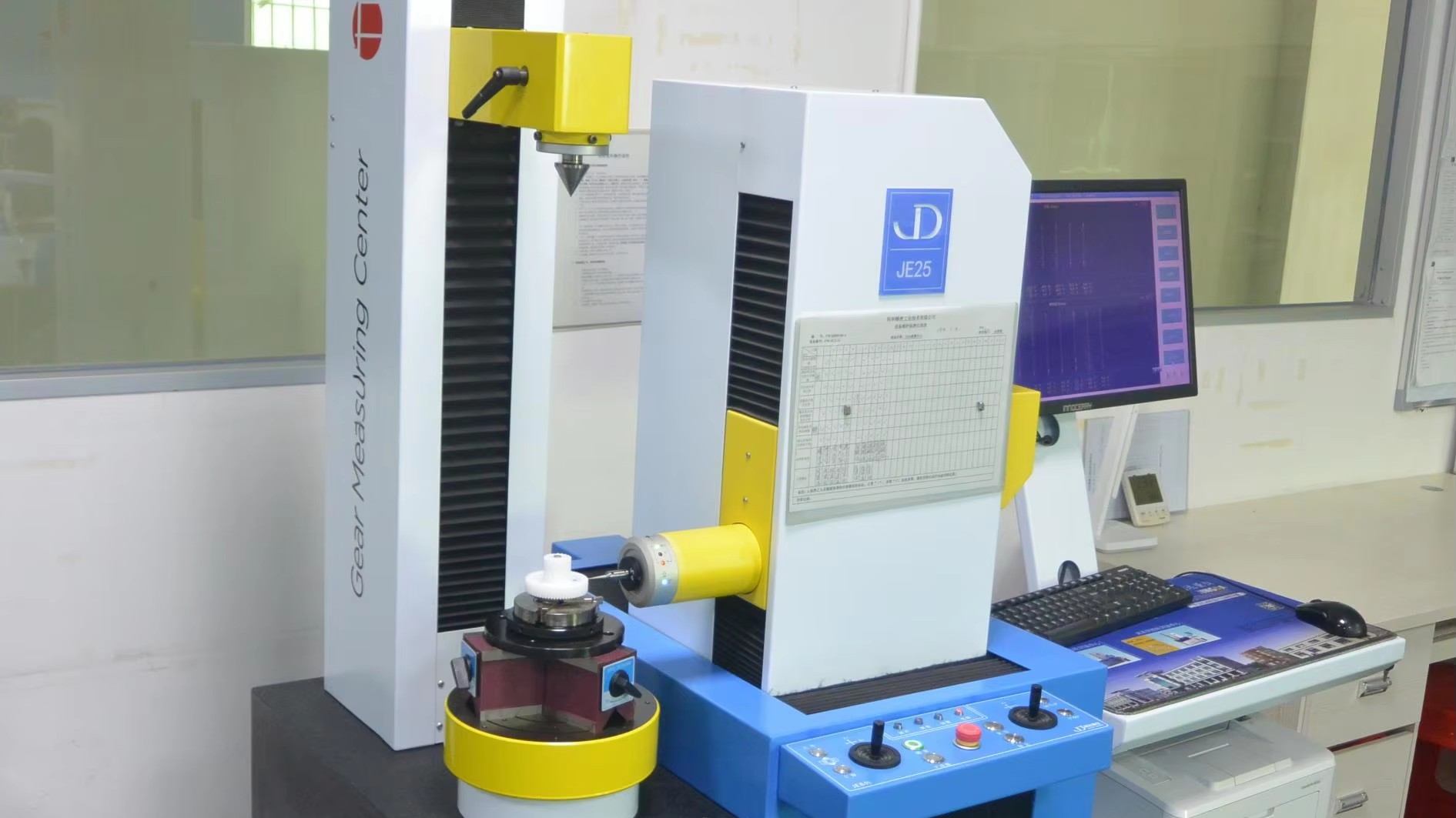
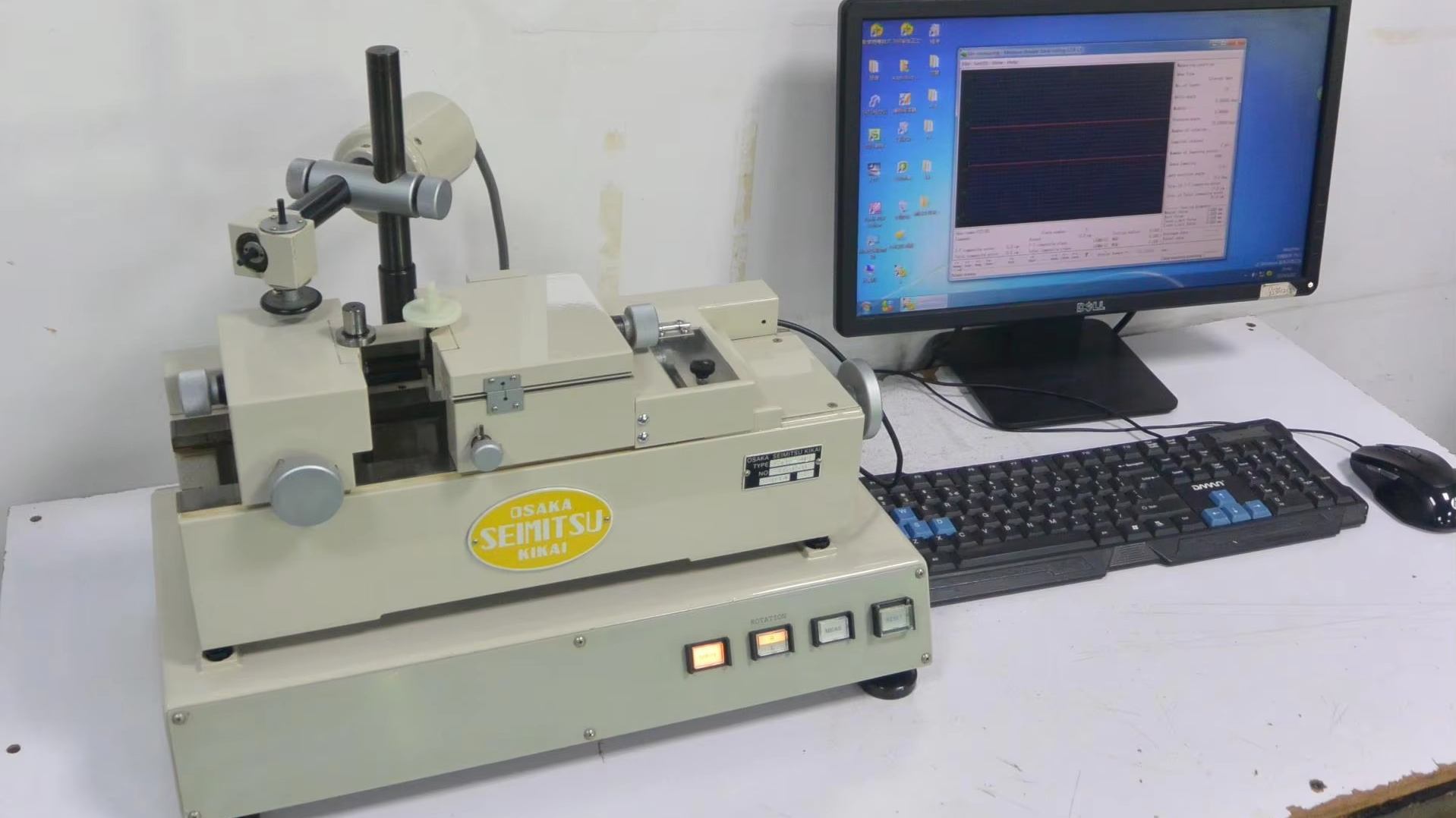
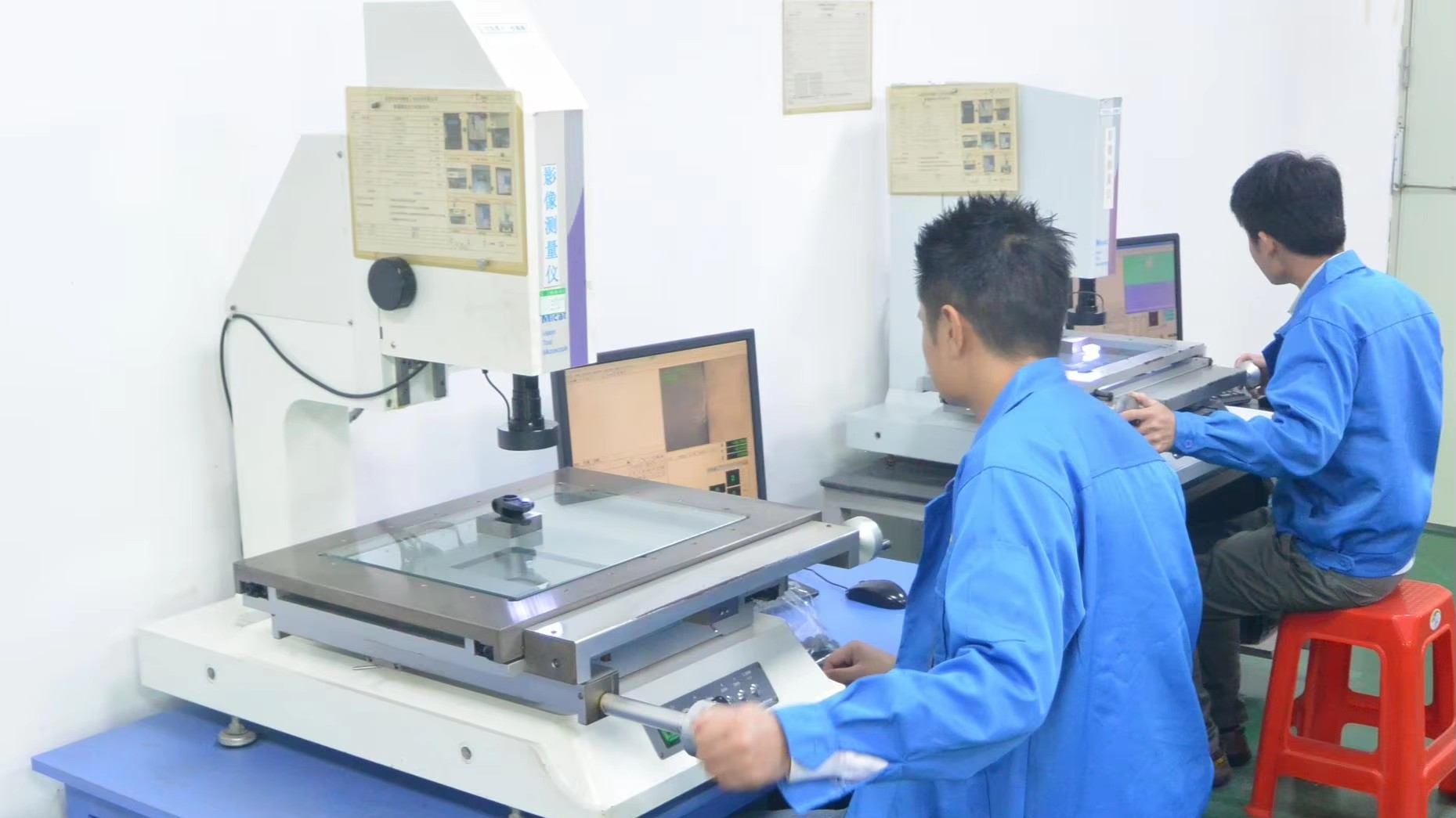
Using these coordinate measuring instruments, JE25 analysis stations, and gear meshing machines, our quality assurance team checks parameters such as runout, total composite error, and lead deviation. This quality control ensures that each manufactured batch meets specified mechanical tolerances before shipping.
Engineering coordination is critical when manufacturing customized micro gearboxes. Working with an overseas partner requires technical transparency, shared design control, and consistent communication from design stage to final production.
TQC Micromotor supports our international clients with dedicated project engineers, providing design feedback for injection-molded parts, mold flow analysis, and mechanical tolerance analysis. Our processes align with international industry standards, ensuring full compliance for overseas markets:
Technical answers to common B2B procurement and engineering questions regarding custom gear modifications and micro-drives.
Explore our production-ready micro stepper, planetary, and DC drive platforms.
 Stepper Motor