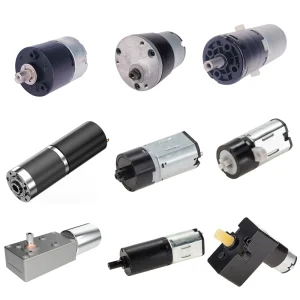
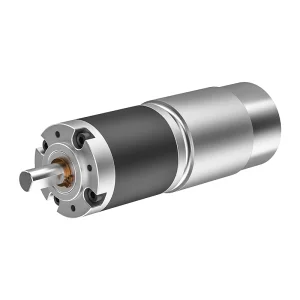
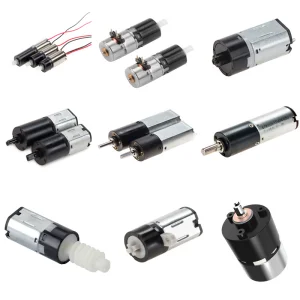
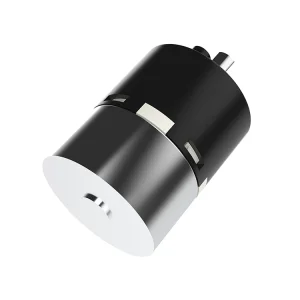
Custom OEM High Power Gear Motor Manufacturer & Factories

Industrial-Grade Precision Micro Motion Control Systems & Resilient Supply Chain Solutions

98.4%
First-Pass Yield
±0.002mm
CNC Gear Tolerance
10,000+ Hrs
Design Service Life
100%
In-House QA Verification

Small Motors. Massive Possibilities.

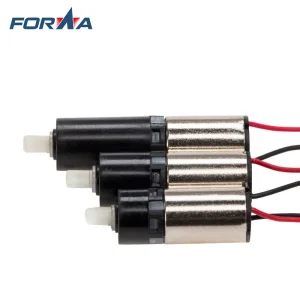
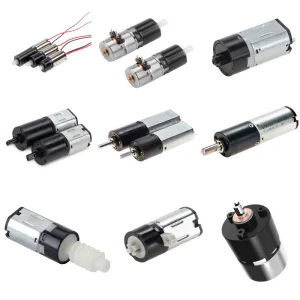
TQC Micromotor is a forward-thinking Chinese manufacturer redefining precision motion control in the micro-drive industry. We design and build high-efficiency micro DC and BLDC motors that power next-generation technologies worldwide.

Driven by our core philosophy—Top Quality & Customization—we combine advanced manufacturing tech with flexible engineering to provide global B2B clients with the transparency of a local partner and the cost benefits of a premier Chinese factory. Built to last. Engineered to fit.

Decentralized Engineering & High-Capacity Sourcing

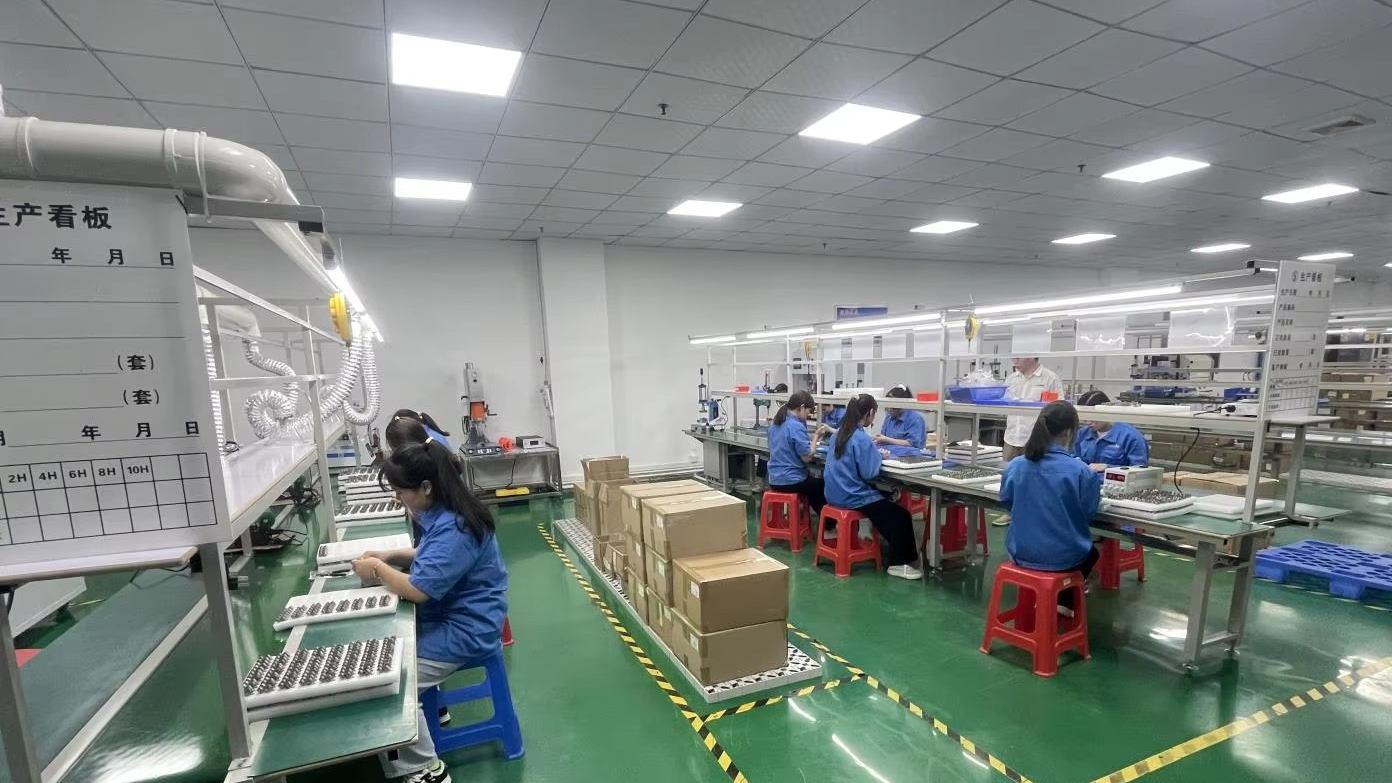
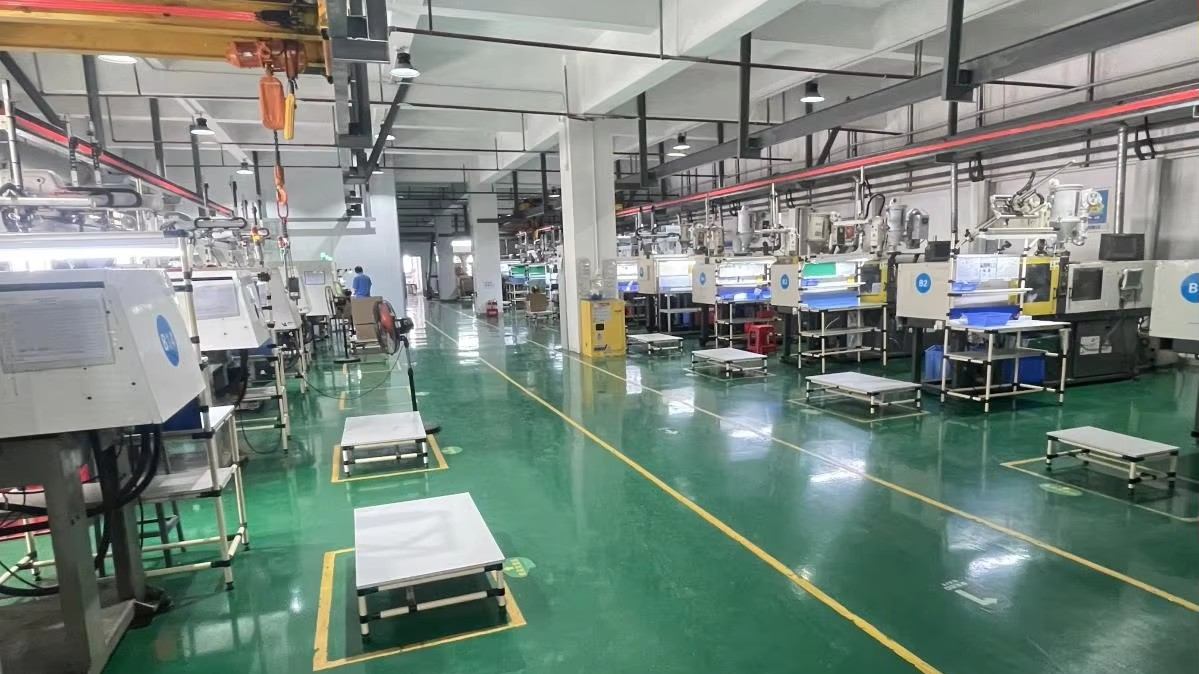
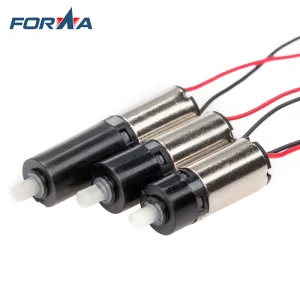
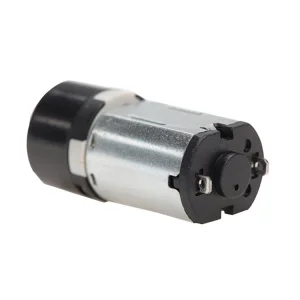
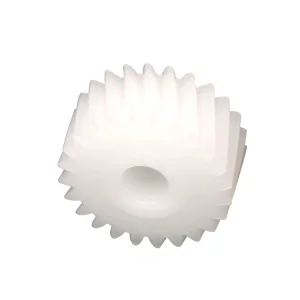
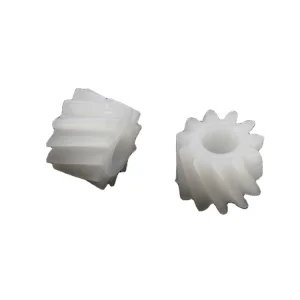
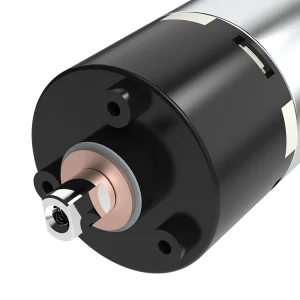
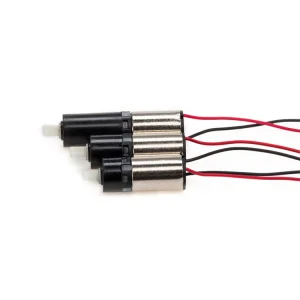
Our operational framework integrates raw material procurement, structural steel heat treatment, and precision gear injection molding within a singular ecosystem. This vertical integration guarantees that our micro planetary gear motors output optimal torque while preserving low-noise thresholds essential for medical and consumer automation.
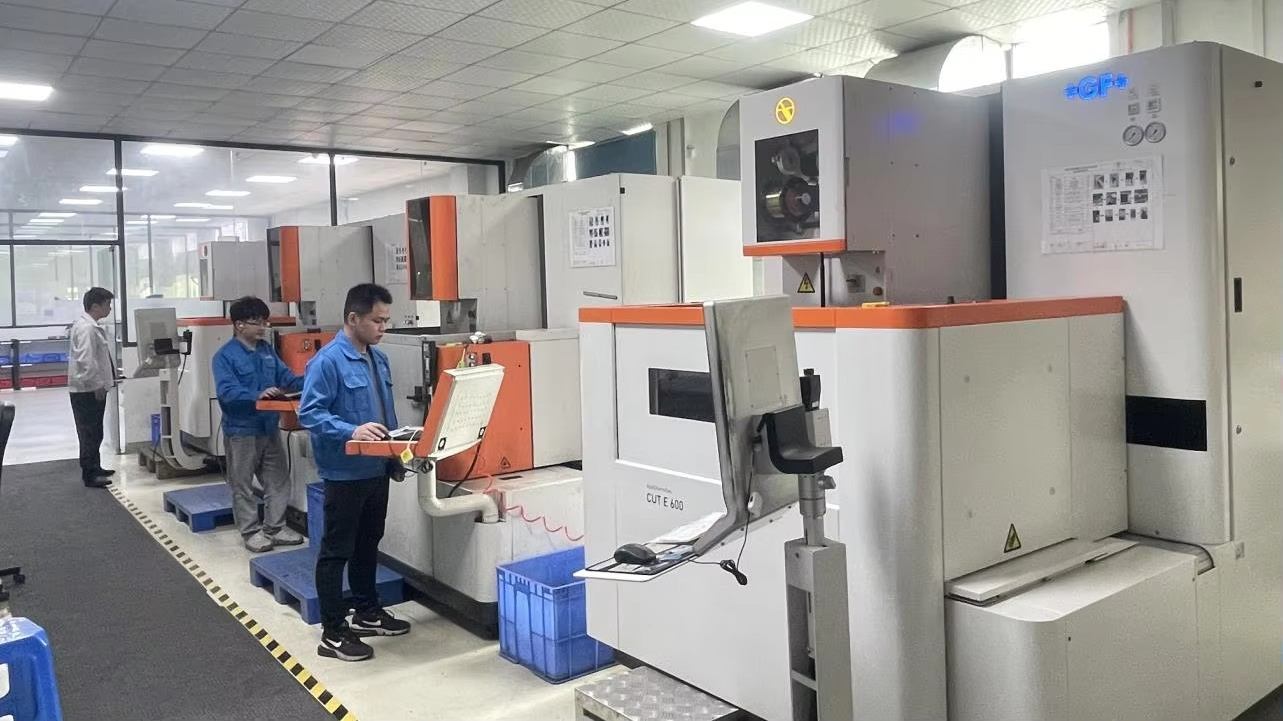
TQC Micromotor Production Facility

Industry Development Trends of High Power Gear Motors

Understanding the macro-technological shifts in electromechanical engineering, tribology, and magnetic materials.

High Torque Density Miniaturization

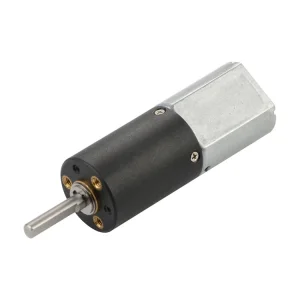
Modern automation demands smaller footprint enclosures. Through optimized gear tooth geometry (helical vs spur) and advanced metallurgy, manufacturers can pack high reduction ratios inside 16mm to 36mm planetary gearboxes, maintaining high load capacity.

Transition to Brushless DC (BLDC) Commutation

To eliminate physical wear points, the industry is transitioning to brushless topologies. BLDC planetary gear motors offer significantly higher efficiency, lower thermal footprints, and dynamic control, extending system lifetime beyond 10,000 operational hours.

Acoustic Engineering & Quiet Operation

With gear motors deployed inside workspaces and bedrooms (such as smart blinds and height-adjustable desks), reduction of structural resonance is critical. Precision injection molding of high-grade polymers minimizes noise below 40dB.

Information Gain: Thermodynamics and Backlash Control

A critical challenge in high-power micro gearboxes is thermal dissipation. As reduction ratios scale upwards, internal friction increases localized heat. Standard gearmotors fail when heat deforms plastic internal gears or degrades standard synthetic grease. At TQC Micromotor, our engineers address this thermodynamic reality by introducing custom composite gear meshes—combining glass-fiber reinforced PA66-GF30 gears for high-speed input stages with sintered metal gear rings for high-torque output stages. This hybrid construction prevents thermal lock and controls backlash limits within 1.5 degrees, an essential metric for robotic joints and medical surgery interfaces.

Global Enterprise Procurement Needs & Risk Mitigation

For procurement officers and supply chain directors, choosing a motor manufacturer requires verifying technical capacities alongside commercial reliability.

In the high-power gear motor sector, global B2B procurement is defined by strict technical vetting. A purchasing director does not merely look at unit costs; they evaluate long-term variables including:

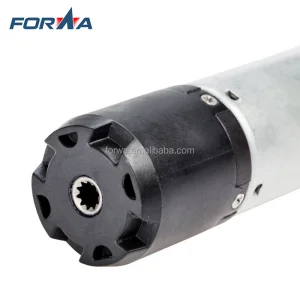
  • Structural Modification Flexibility: Can the manufacturer configure custom output shafts (D-shape, splined, hollow, cross-drilled), custom terminal wire harnesses, and supply specific operational voltages (3V, 5V, 12V, 24V)?
  • Compliance and Quality Assurance: The motor assemblies must comply with local import standards, such as RoHS, REACH, CE, and UL. This requires detailed chemical profiling of all plastics and metals.
  • Total Cost of Ownership (TCO): Sourcing directly from China lowers unit manufacturing costs, but only if the factory implements rigorous quality checks to prevent line stoppages and warranty recalls.

TQC Micromotor acts as a strategic manufacturing partner by keeping dedicated tooling facilities in-house. This allows us to provide physical prototypes within 2 to 3 weeks, backed by transparent engineering documentation and material certifications, minimizing the risk of supply chain delays for Western OEMs.

China Factory 4.0: Supply Chain Resilience & Process Precision

Review our state-of-the-art production pipeline, tooling shop, and quality assurance equipment supporting OEM production runs.
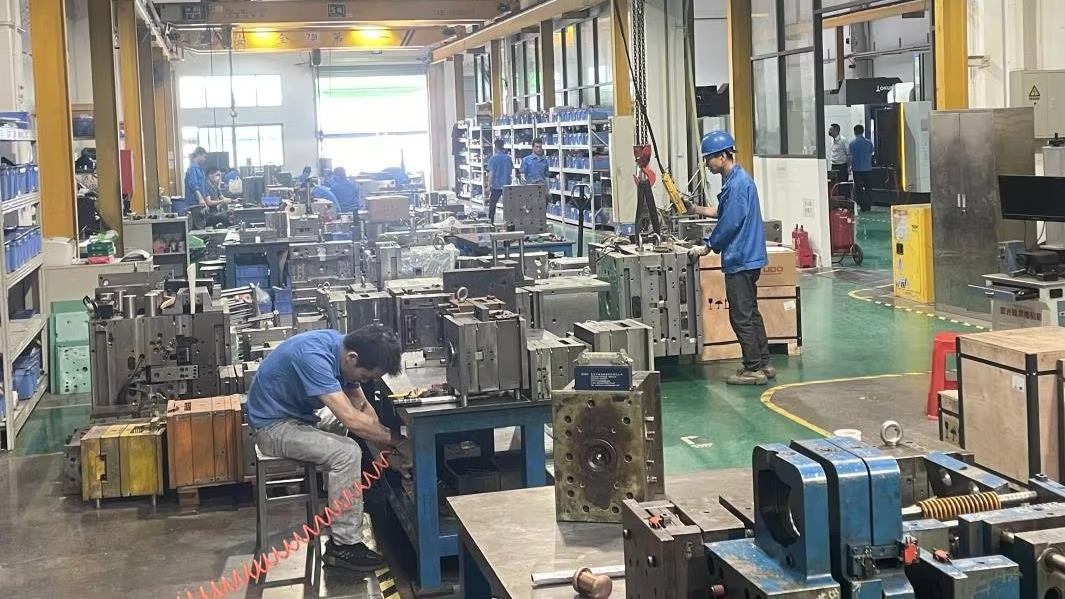
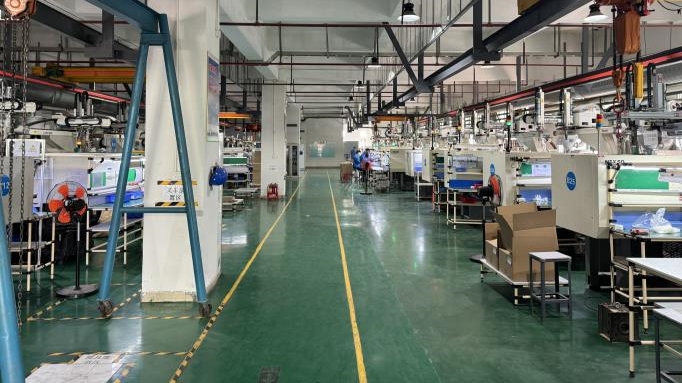
Die Parts Processing
Mold Making
Mold Making
Injection Molding
Injection Molding
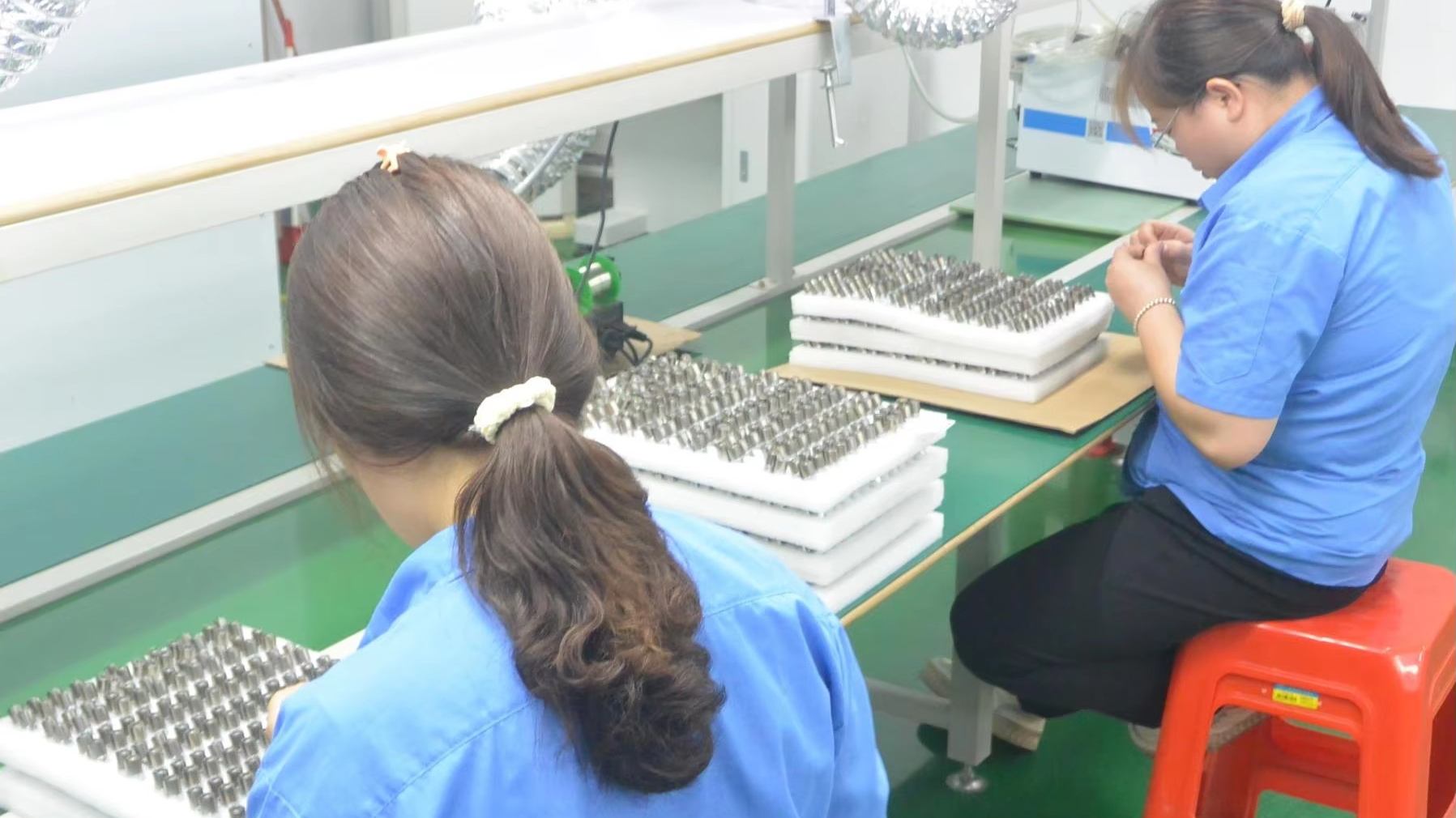
Assemble
Assemble
Testing
Testing
Package
Package
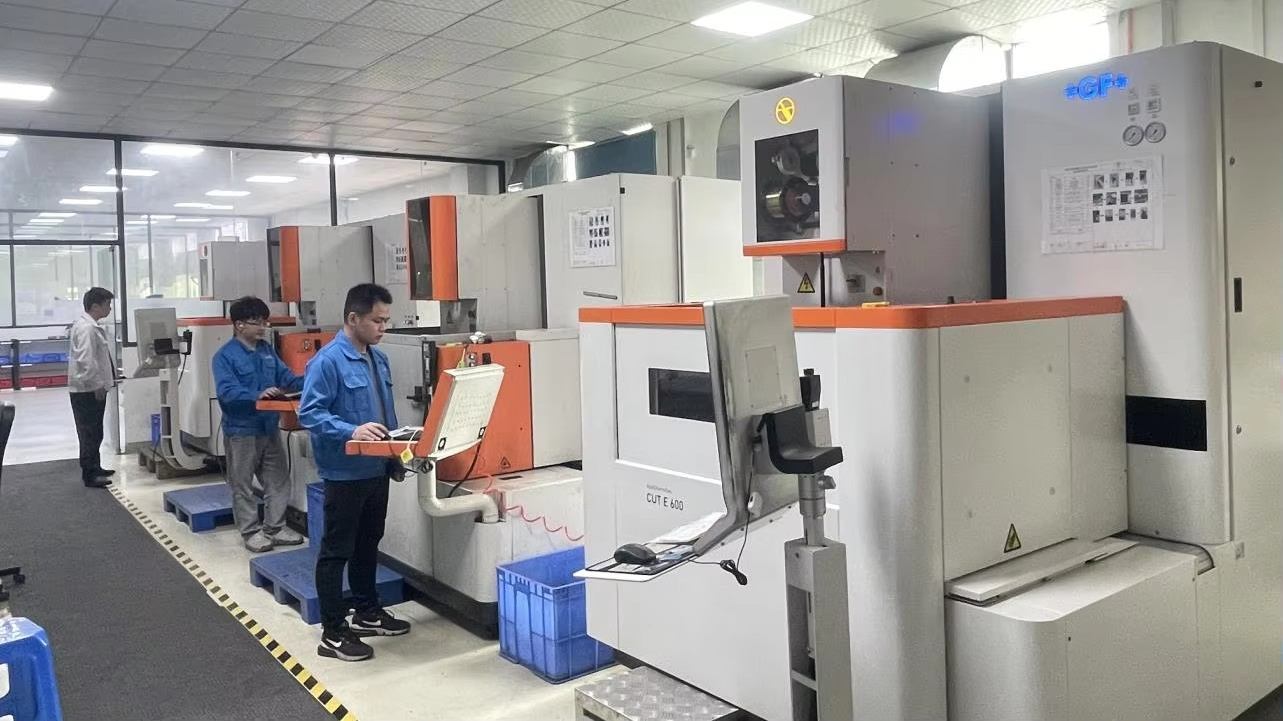
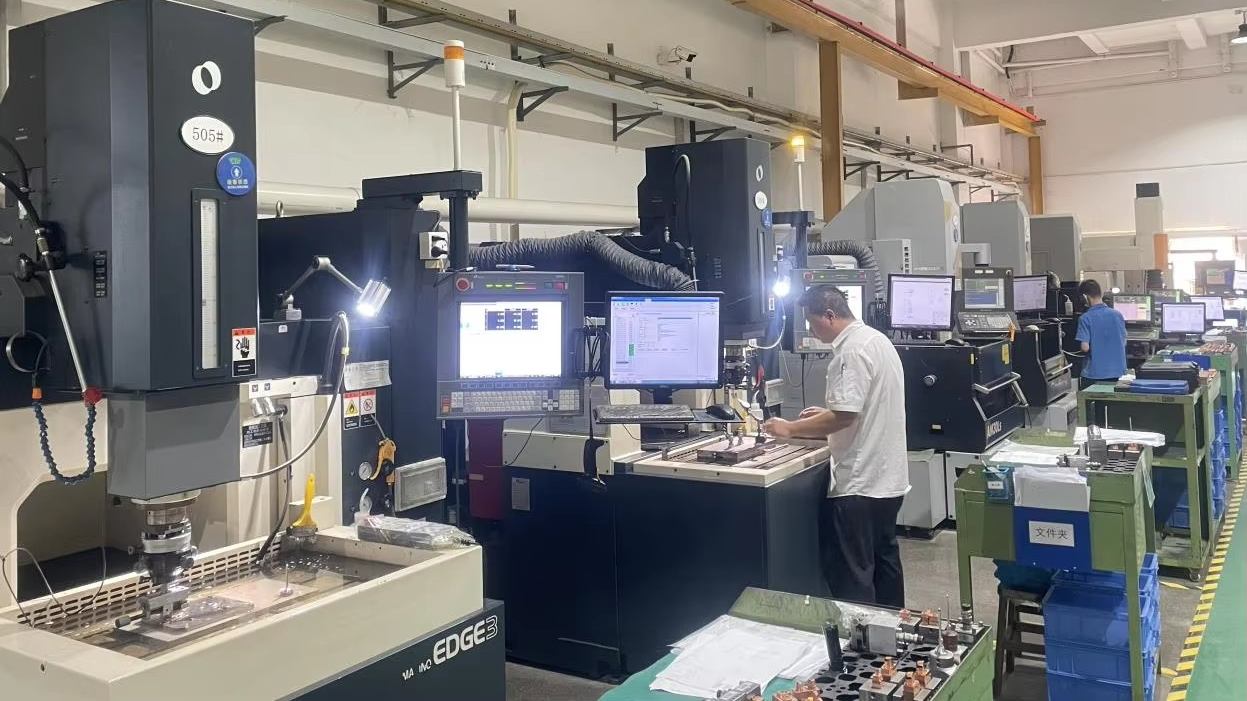
Slow Wire Machine
Slow Wire
Injection Molding Machine
EDM Processing
EDM
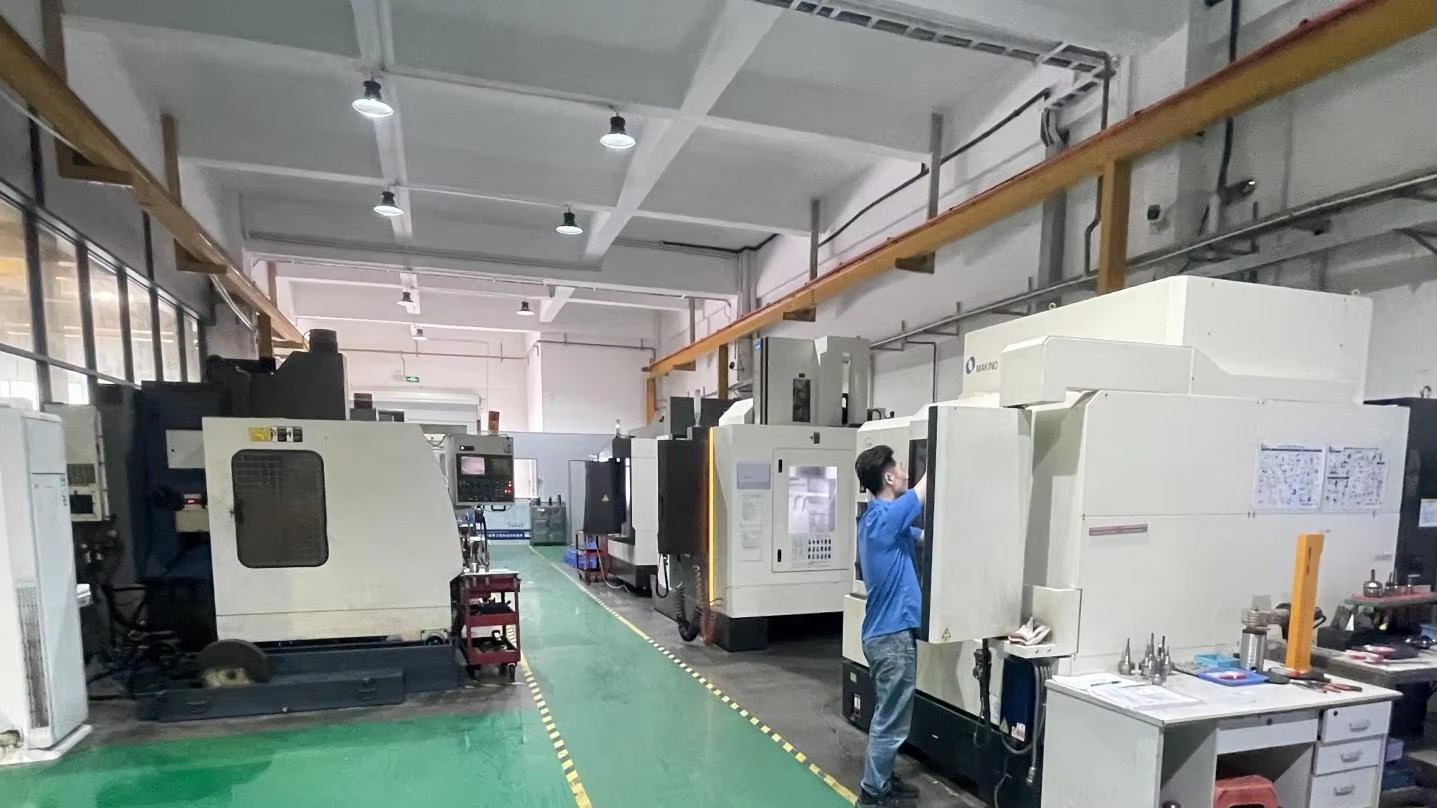
CNC Machining Center
CNC
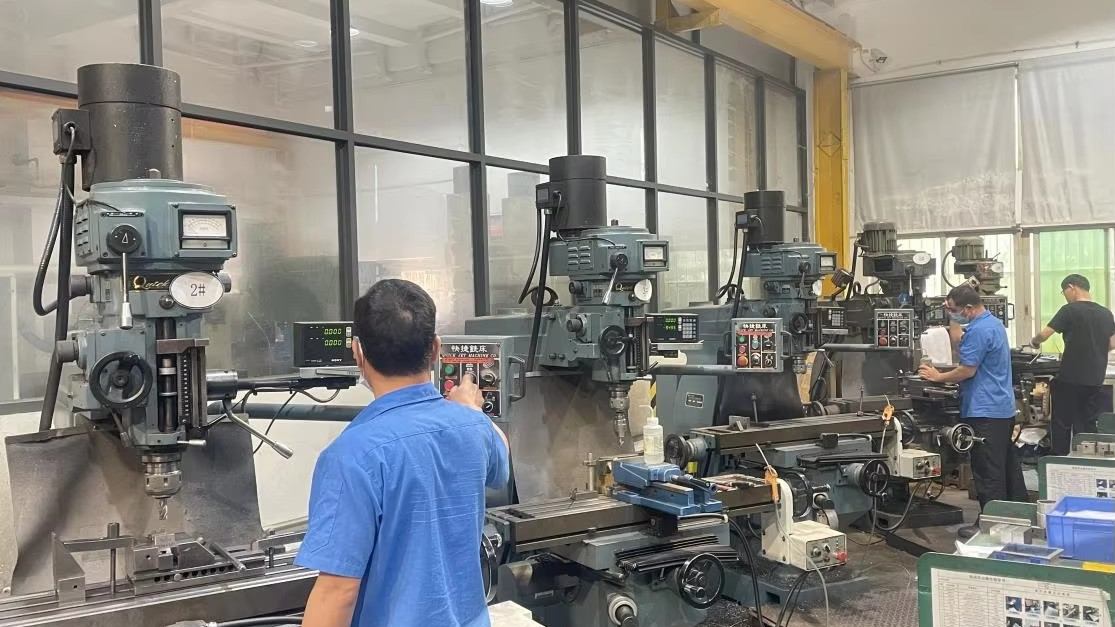
Milling Machine
Milling Machine
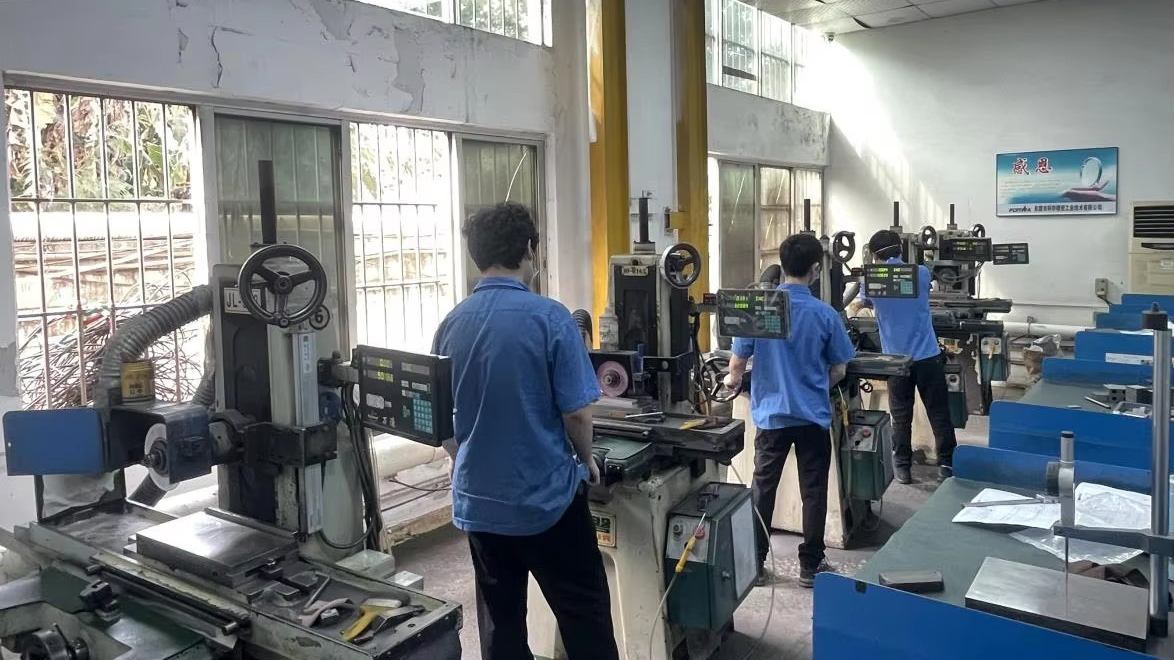
Grinding Machine
Grinding Machine
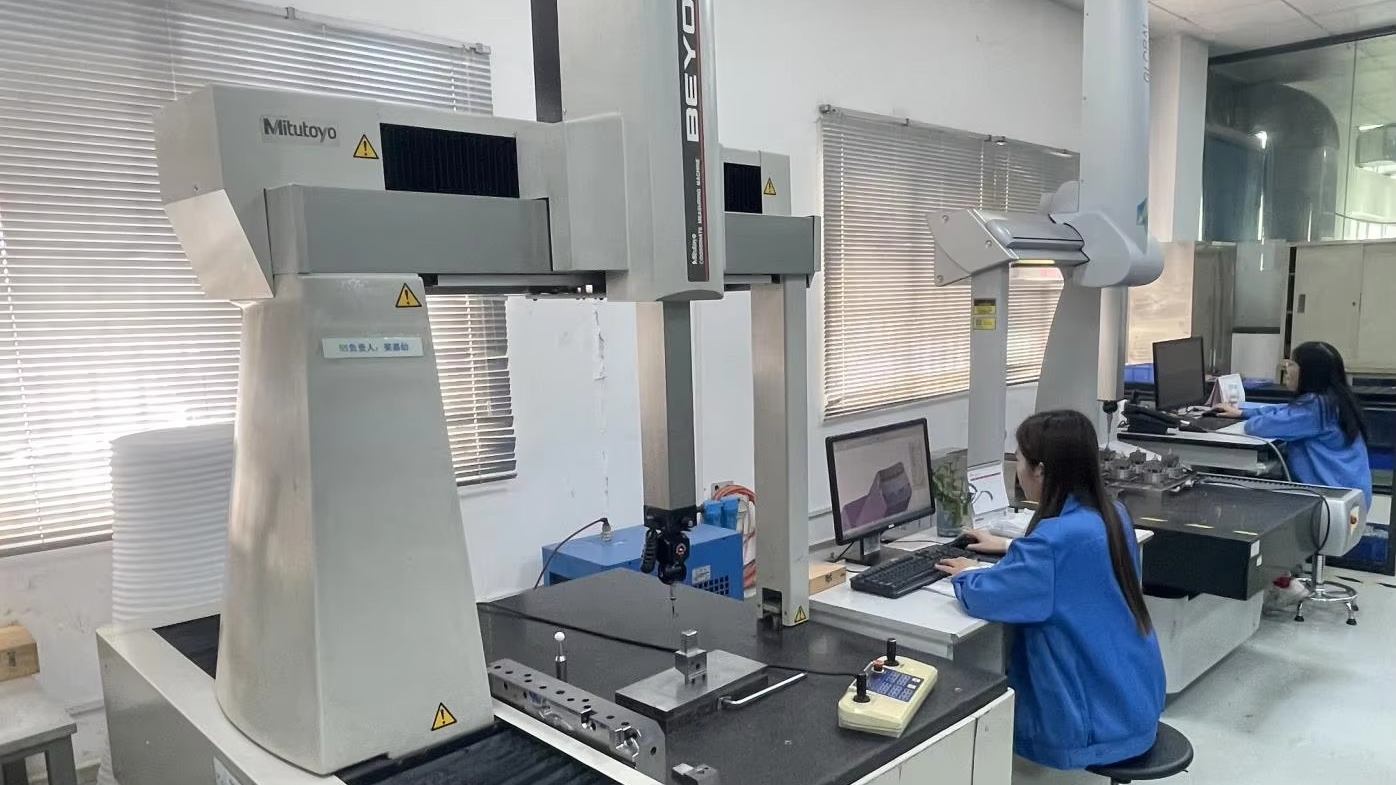
Coordinate Measuring Machine
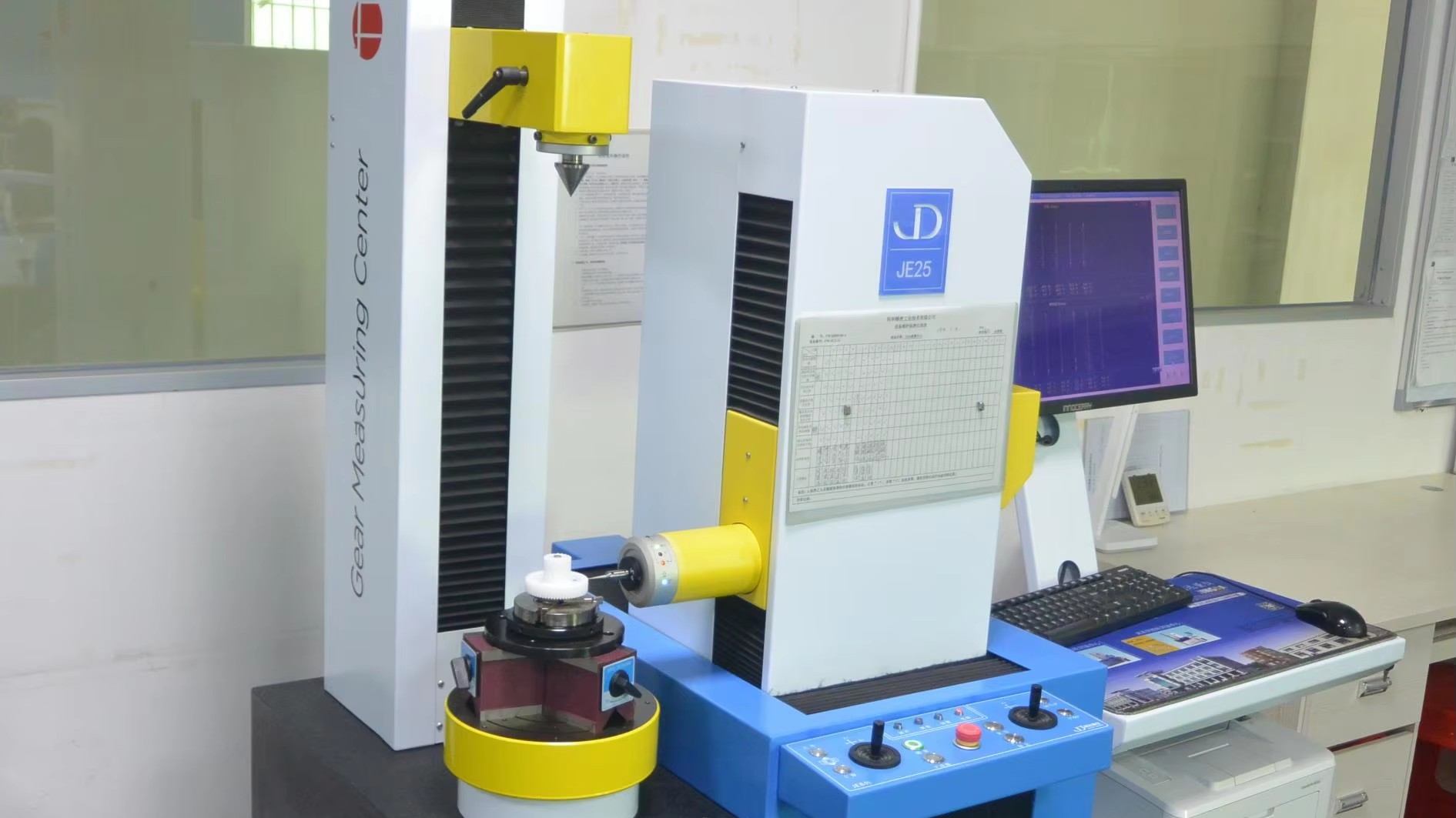
JE25 Measurement Center
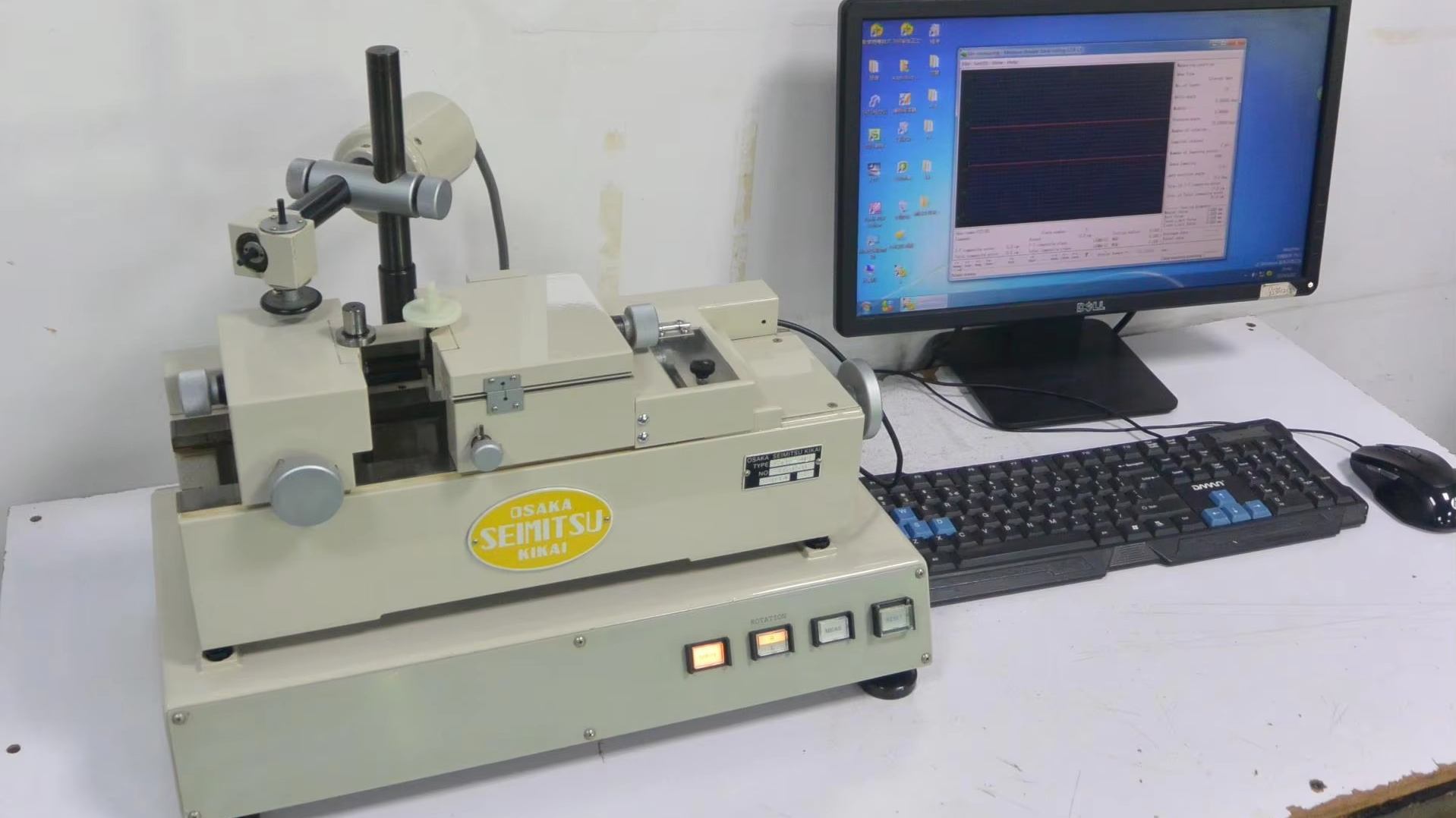
Gear Meshing Instrument
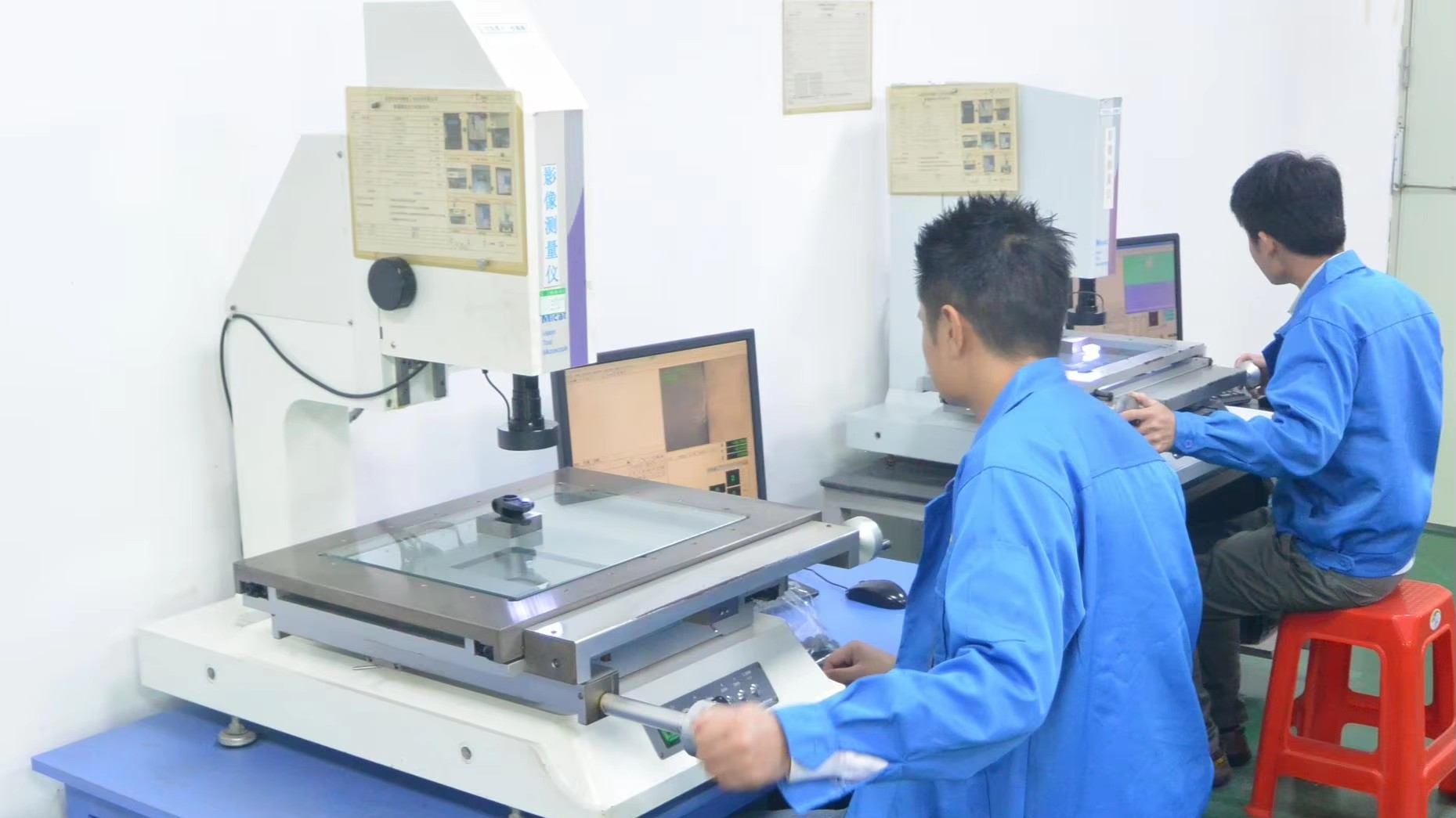
Image Measuring Instrument

Localized Application Scenarios: Actuation in Focus

Reviewing how specific product diameters and reduction topologies solve design barriers in residential, commercial, and medical fields.

Smart Home Access Control

Our 28mm planetary gearmotor provides the high starting torque and compact envelope required for automated deadbolts and rolling window blinds. The high reduction ratios ensure mechanical self-locking, preventing unauthorized entry.

Medical Orthopedic Handhelds

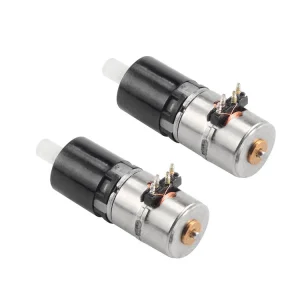
The 20mm series gearmotor integrates high-speed DC cores with highly accurate planetary stages. The result is structural reliability and minimal noise output, meeting the strict requirements of surgical environments.

Office Ergonomics

For height-adjustable standing desks, our 36mm planetary gear DC brush motor provides smooth linear actuation under heavy axial loads, coupled with low acoustic emission to maintain quiet office environments.

Materials Engineering: Custom Molded Plastics vs. Sintered Metals

Selecting the appropriate gear materials to optimize load-carrying capacity, noise damping, and manufacturing costs.

A primary decision during OEM product design is the selection of internal gear materials. The mechanical trade-offs between composite engineering polymers and sintered alloys determine the gearbox's efficiency, noise levels, and lifespan:

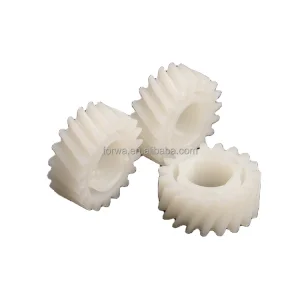
  • Precision Injection-Molded Nylon (PA66-GF30): By reinforcing polyamide with 30% glass fiber, we double its shear strength and thermal resistance. PA66-GF30 gears absorb vibrations and minimize teeth-mating noise, making them ideal for high-speed input stages.
  • Sintered Powder Metallurgy (PM): Sintered iron-steel alloys are utilized for final output stages experiencing high peak torque. These parts withstand shock loads and high-stress cycles without tooth fatigue.
  • Nylon Helical Gearing: The helical teeth configuration ensures progressive contact area engagement, yielding quieter operations in household electronics compared to standard spur configurations.

Technical Q&A: Engineering FAQ

Common technical inquiries regarding planetary gearing, customization parameters, and manufacturing tolerances.

Q1: What are the main benefits of planetary gearboxes compared to standard spur gearboxes?
Planetary gearboxes distribute torque loads across multiple planet gears, allowing them to support significantly higher torque limits than spur gearboxes within a similar compact envelope. They also offer concentric shaft alignment, high efficiency (up to 90-95% per stage), and improved torsional stiffness.
Q2: Can TQC Micromotor supply custom output shaft shapes and custom cable harnesses?
Yes, we specialize in custom OEM engineering. We can supply custom shaft lengths, D-cuts, cross-holes, splines, or threads. We also provide integrated custom connectors, cable harnesses, and electromagnetic noise suppression components (caps or varistors) directly from the factory.
Q3: How does glass-reinforced PA66 nylon improve gear performance compared to POM or unfilled nylon?
Adding 30% glass fiber (PA66-GF30) increases tensile strength, reduces the coefficient of thermal expansion, and improves dimensional stability under load. This prevents gear teeth from flexing or stripping under high peak torque, while maintaining the acoustic-damping and self-lubricating benefits of engineering plastics.
Q4: What is the typical backlash of TQC's micro planetary gearboxes?
Standard planetary gearboxes display a backlash range between 1.5° to 3°. For high-precision applications like robotics and medical orthopedics, we can optimize tolerances during mold design and assembly to supply reduced backlash configurations below 1°.
Q5: What certifications do TQC Micromotor products hold?
Our raw materials and manufacturing facilities conform to ISO9001 quality management standards. All motor assemblies and injection-molded components comply with RoHS and REACH requirements. When requested, we assist clients in obtaining CE and UL certifications.
Q6: How does TQC Micromotor ensure consistent quality across mass production runs?
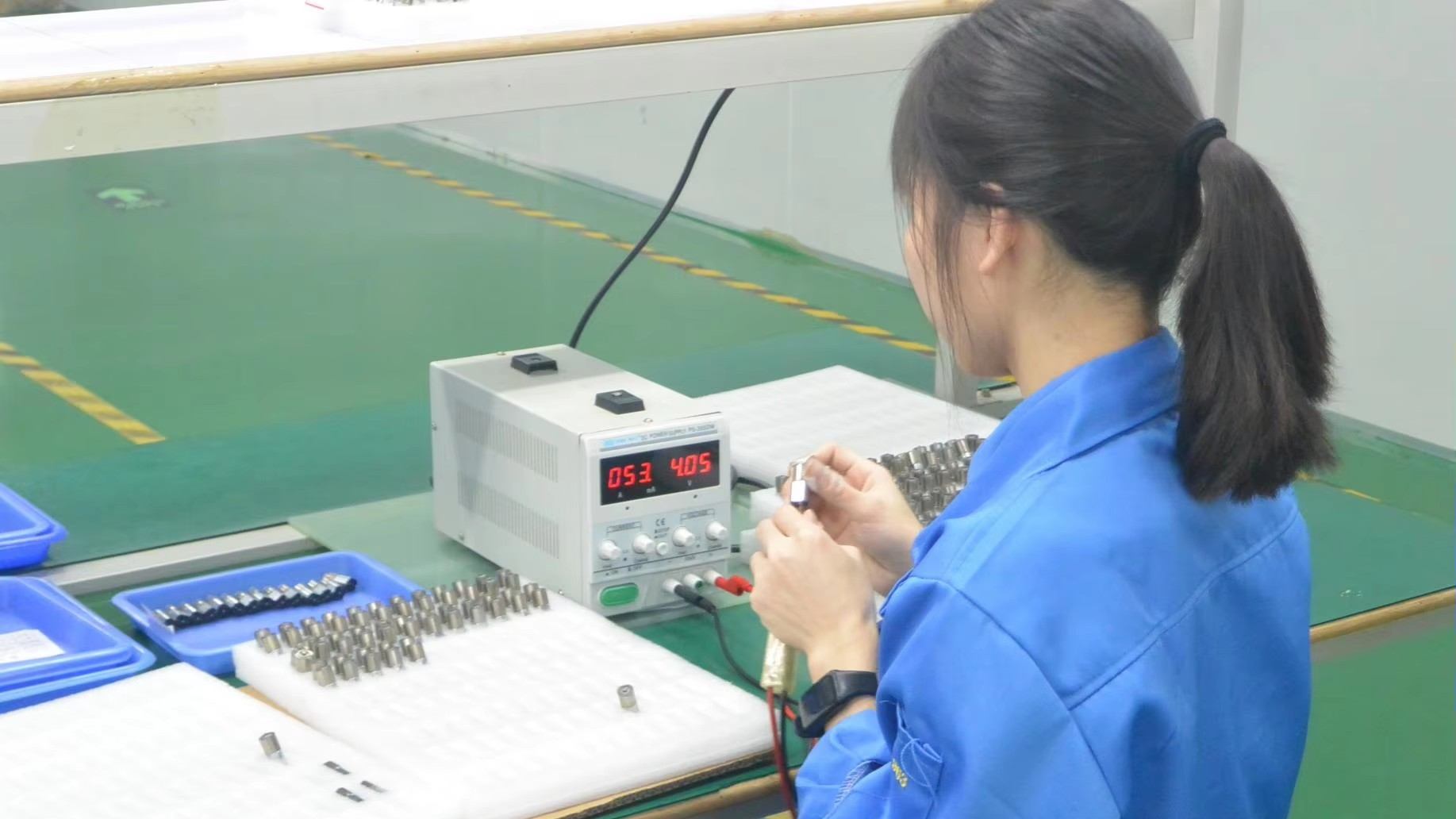
We use a multi-tier quality assurance system. In-house tooling inspection is handled by Coordinate Measuring Machines (CMM) and JE25 measuring systems. During production, every batch undergoes automated gear mesh testing and load-characteristic analysis to ensure motor speed, current draw, and noise levels stay within nominal ranges.
Q7: Why do helical gears operate with lower noise compared to spur gears?
Helical gears feature teeth cut at an angle to the gear face. When two teeth engage, the contact starts at one end and gradually spreads across the tooth face. This continuous, progressive engagement reduces impact loads and structural vibration, yielding significantly quieter operation than the sudden contact of spur gear teeth.
Q8: What are the typical lead times for custom tooling and prototype validation?
Standard motor adjustments (shaft modifications, custom wire harnesses) require 2 to 3 weeks for prototype delivery. For fully custom gear molds requiring complex cavity tool fabrication (using CNC and EDM machines), lead times range from 4 to 6 weeks, followed by mass production runs of 4 weeks.