Engineered for high performance, low acoustic signatures, and strict mechanical tolerance control.
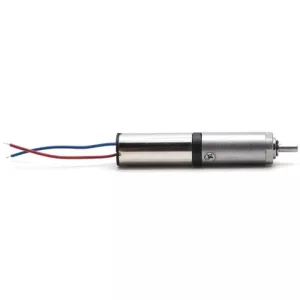
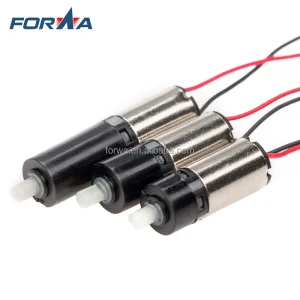
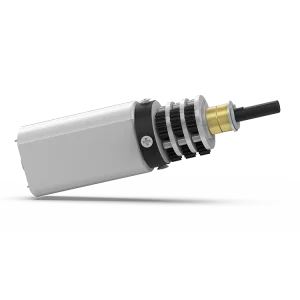
TQC Micromotor is a forward-thinking Chinese manufacturer redefining precision motion control in the micro-drive industry. We design and build high-efficiency micro DC and BLDC motors that power next-generation technologies worldwide.
Driven by our core philosophy—Top Quality & Customization—we combine advanced manufacturing tech with flexible engineering to provide global B2B clients with the transparency of a local partner and the cost benefits of a premier Chinese factory. Built to last. Engineered to fit.
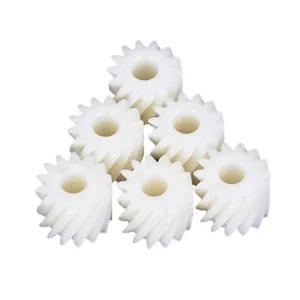
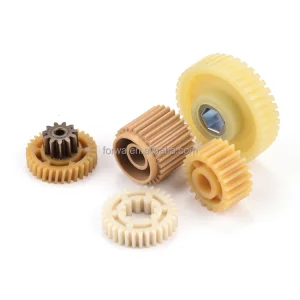
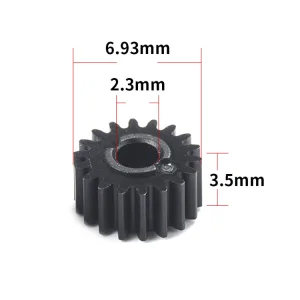
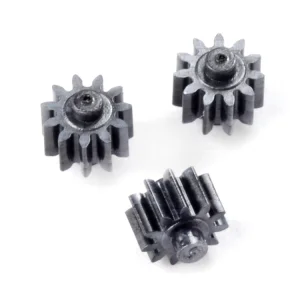
Modern industrial design is undergoing a significant transition: high-performance thermoplastics are systematically replacing traditional metal alloys in critical torque and motion-transmission applications. As a leading custom OEM plastic sprockets factory, TQC Micromotor is at the forefront of this mechanical revolution. From ultra-low-noise micro-drives in healthcare systems to robust gearing mechanisms in automotive assemblies, modern engineering polymers offer performance properties that metals simply cannot replicate: low mass, high energy efficiency, integrated self-lubrication, and exceptional acoustic dampening.
The performance of a customized plastic sprocket is primarily dictated by the molecular structure of the base polymer and its reinforcement agents. Standard off-the-shelf plastic gears frequently fail under dynamic loading due to inadequate material selection. At TQC, our material engineers analyze the tribological interface of each custom application to select the optimal matrix:
| Polymer Class | Tensile Strength (MPa) | Flexural Modulus (GPa) | Max Service Temp (°C) | Primary Application Domain |
|---|---|---|---|---|
| POM (Acetal) | 65 - 75 | 2.8 - 3.2 | 90 - 105 | Precision instrumentation, medical actuators |
| PA66 (Nylon 30% GF) | 150 - 175 | 7.5 - 8.5 | 120 - 140 | Automotive sunroof actuators, high-torque gears |
| PEEK (High-Performance) | 95 - 110 | 3.8 - 4.2 | 240 - 260 | Aerospace, medical implants, deep-well pumps |
| ABS (Structural Polymer) | 40 - 45 | 2.1 - 2.4 | 70 - 80 | Toy drivetrains, light commercial enclosures |
The manufacturing of a custom OEM plastic sprocket is a game of microns. Standard injection molding processes often introduce structural defects like sink marks, localized voids, and out-of-round concentricity errors. The key is in the gate geometry. When molding a plastic sprocket, TQC employs specialized diaphragm gating or multi-point sub-gating layouts to ensure symmetrical polymer flow into the tooth cavities. This prevents asymmetric orientation of polymer chains, reducing post-molding distortion and maximizing the tooth shear strength along the pitch circle diameter.
Our custom gearing components find application across diverse international sectors, each with unique performance parameters:
From digital blueprint to final mechanical assembly, we maintain absolute quality control over every production phase.
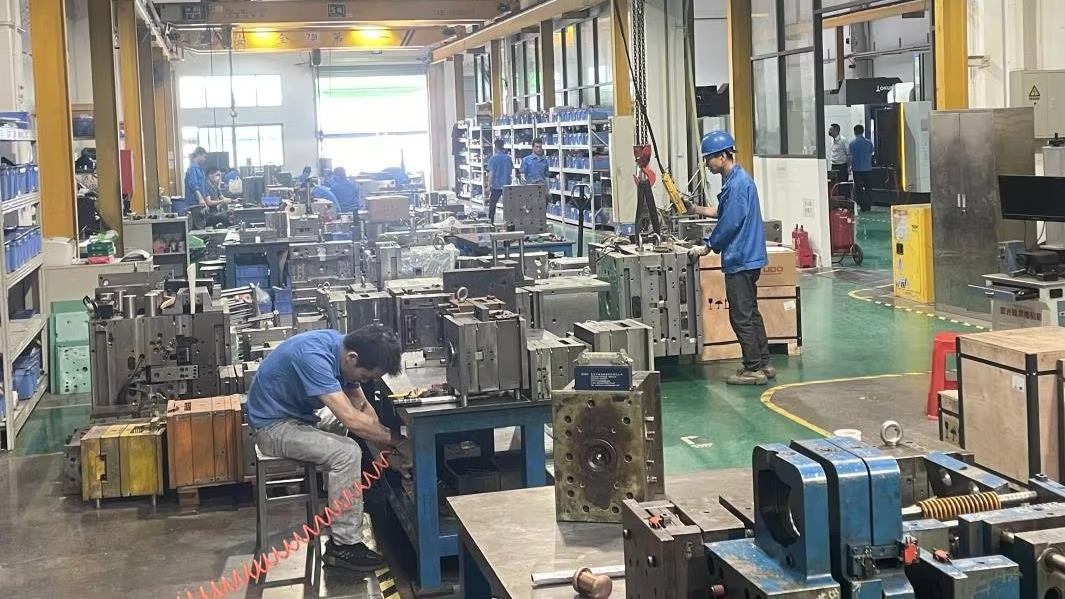
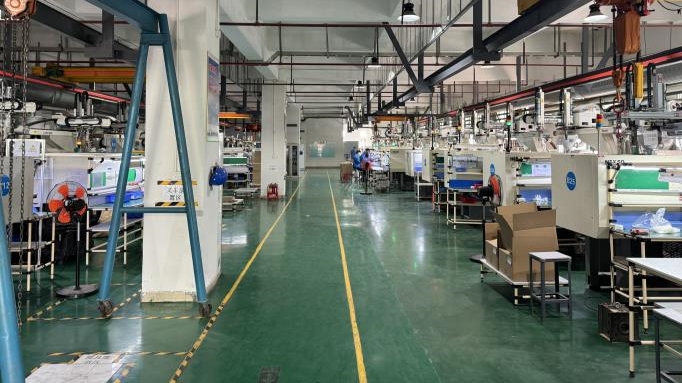
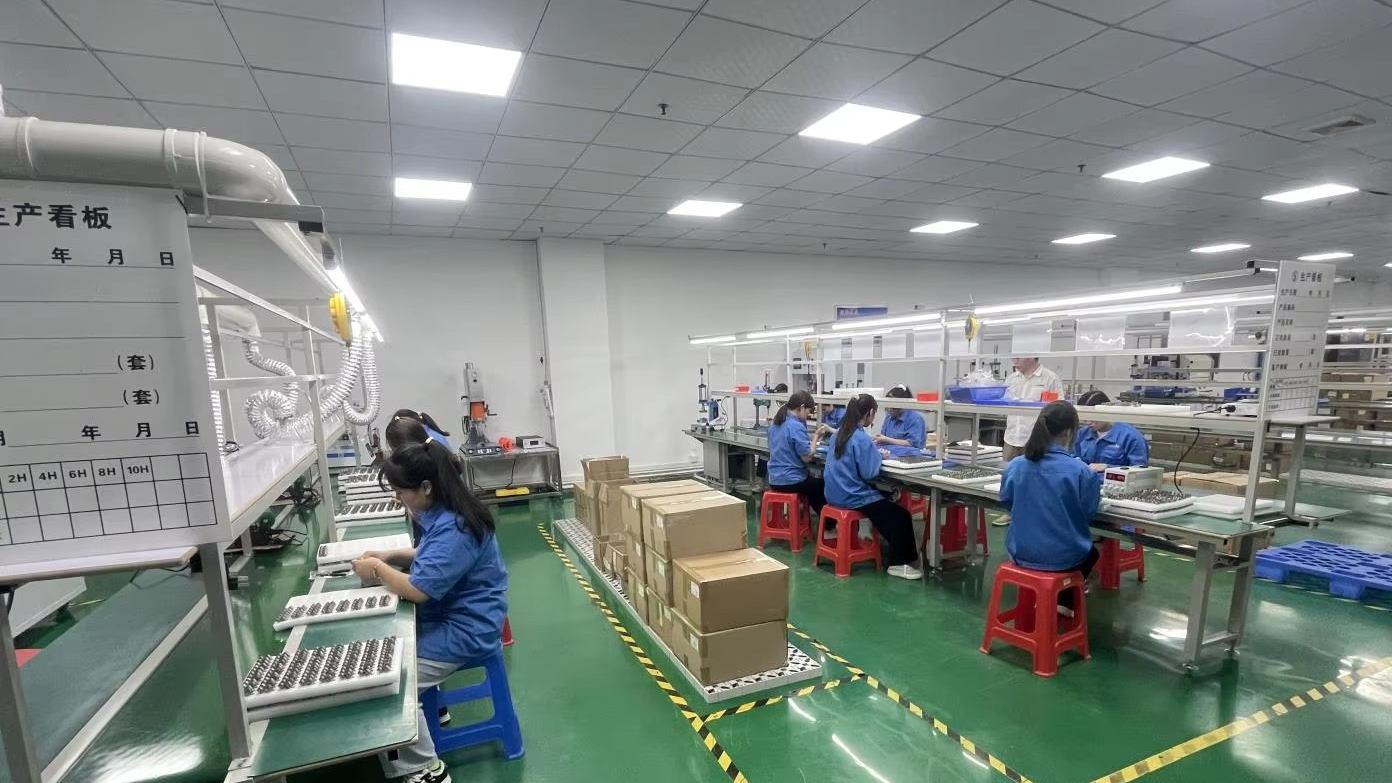
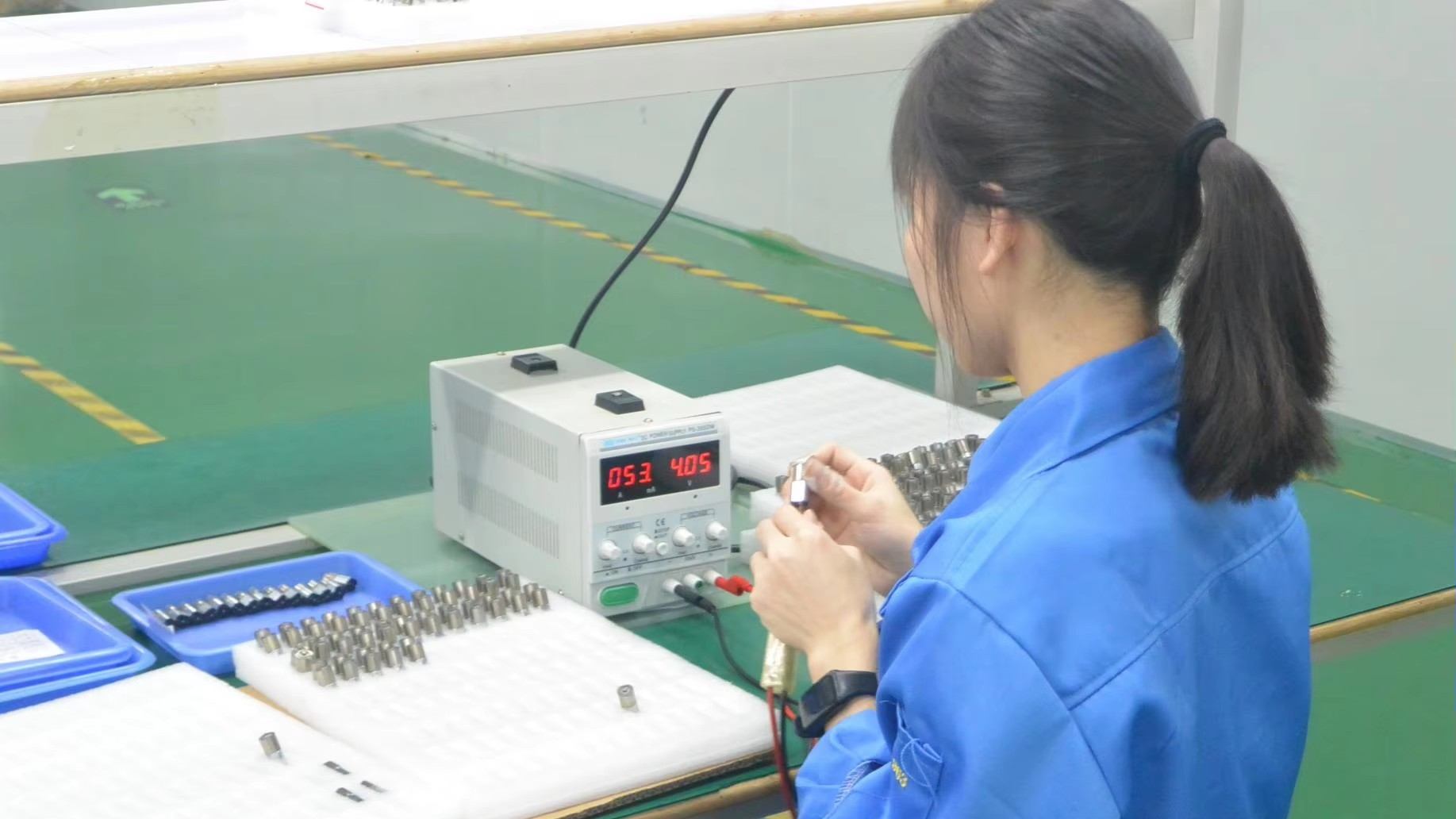
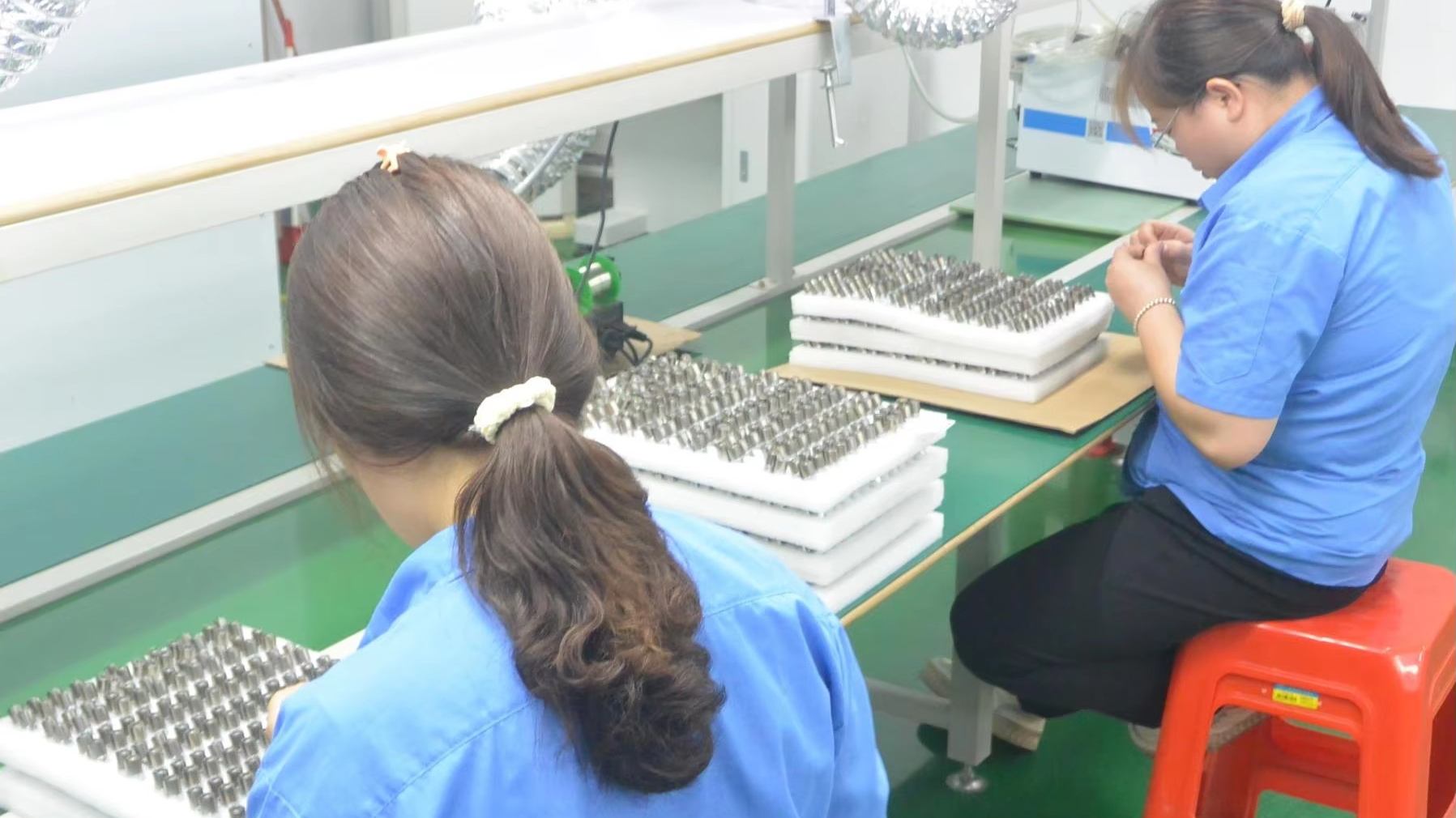
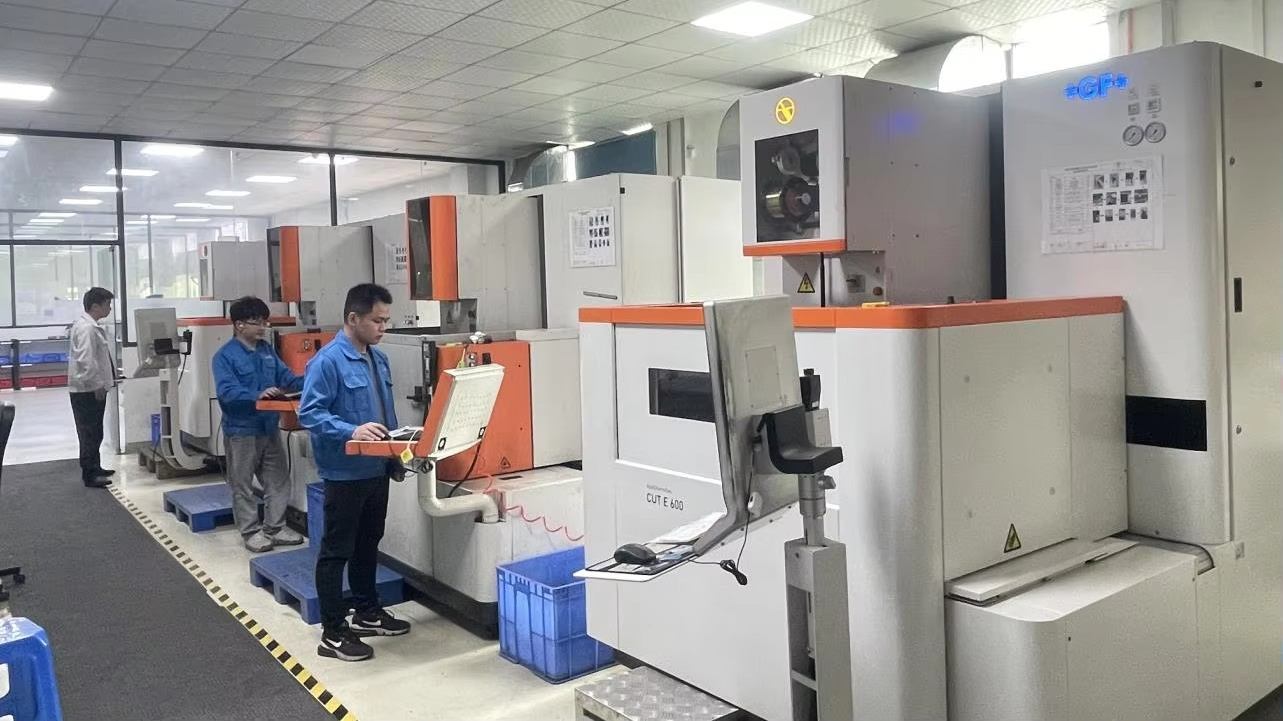
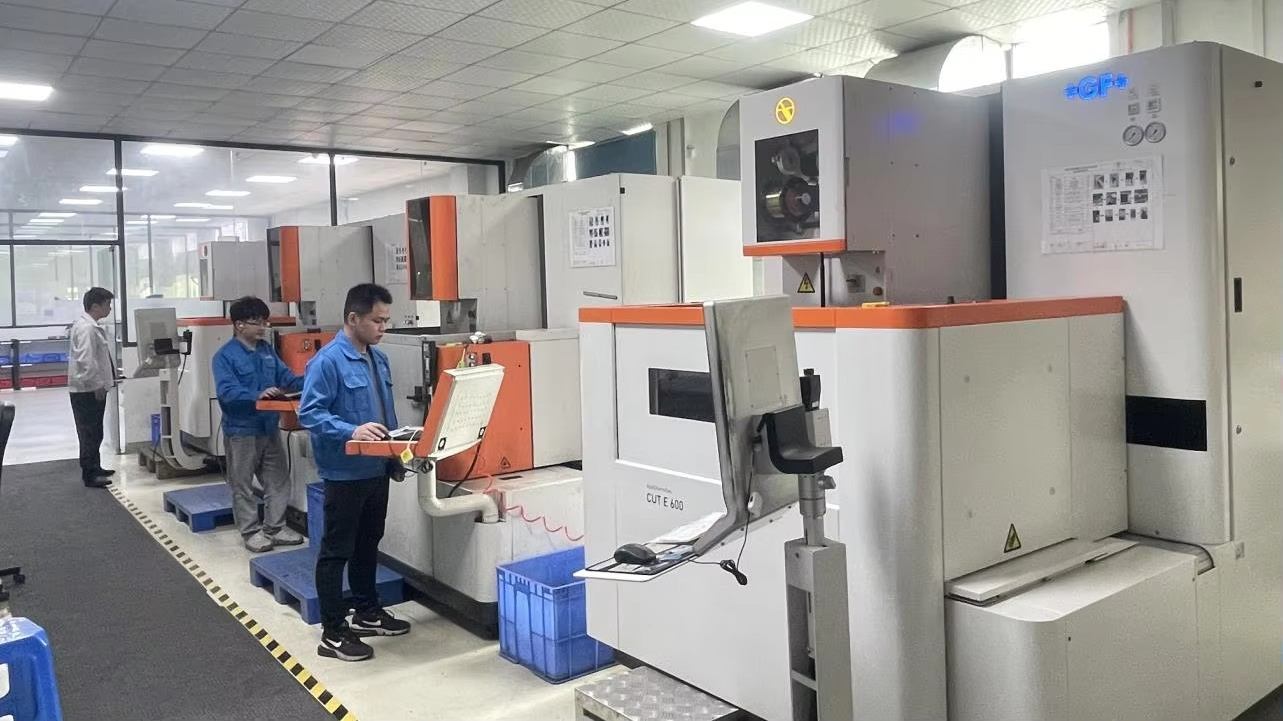
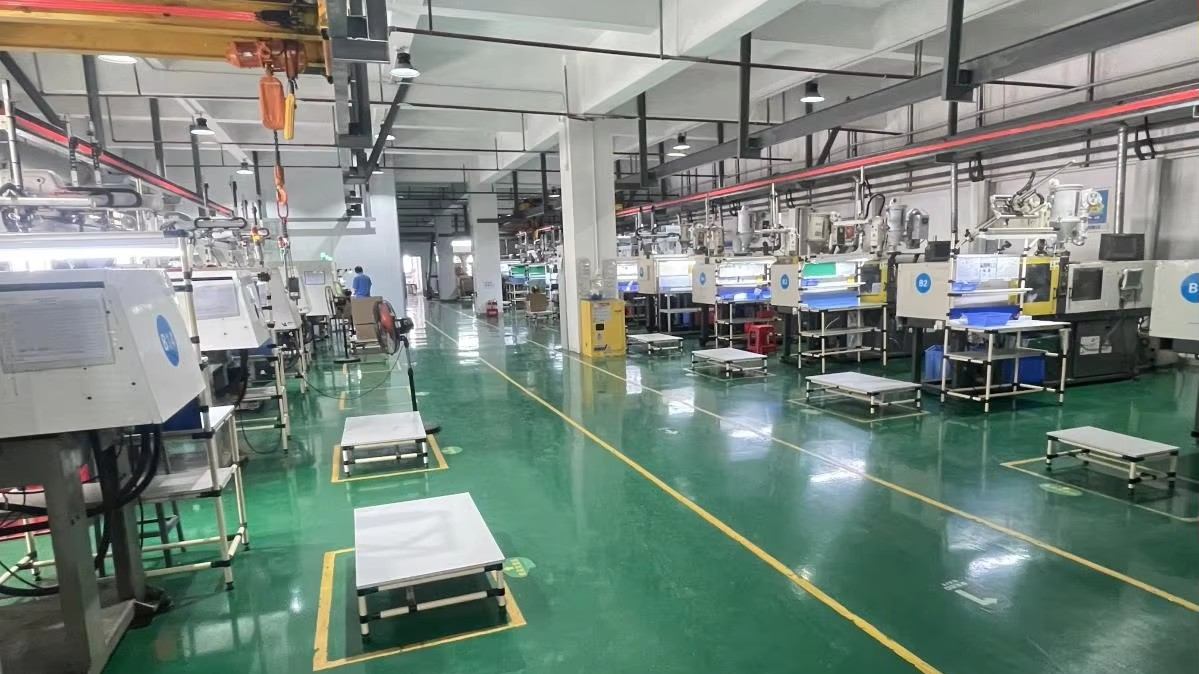
Our facility is equipped with state-of-the-art European and Japanese tooling machinery, achieving sub-micron accuracy.
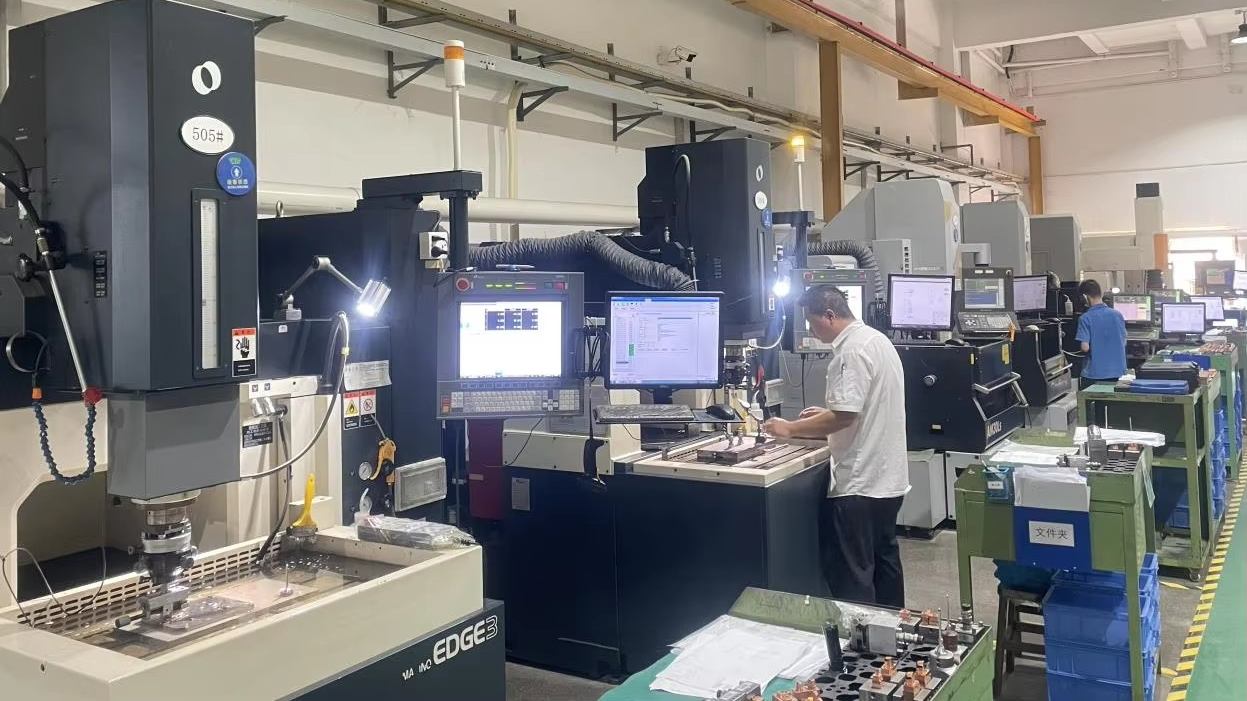
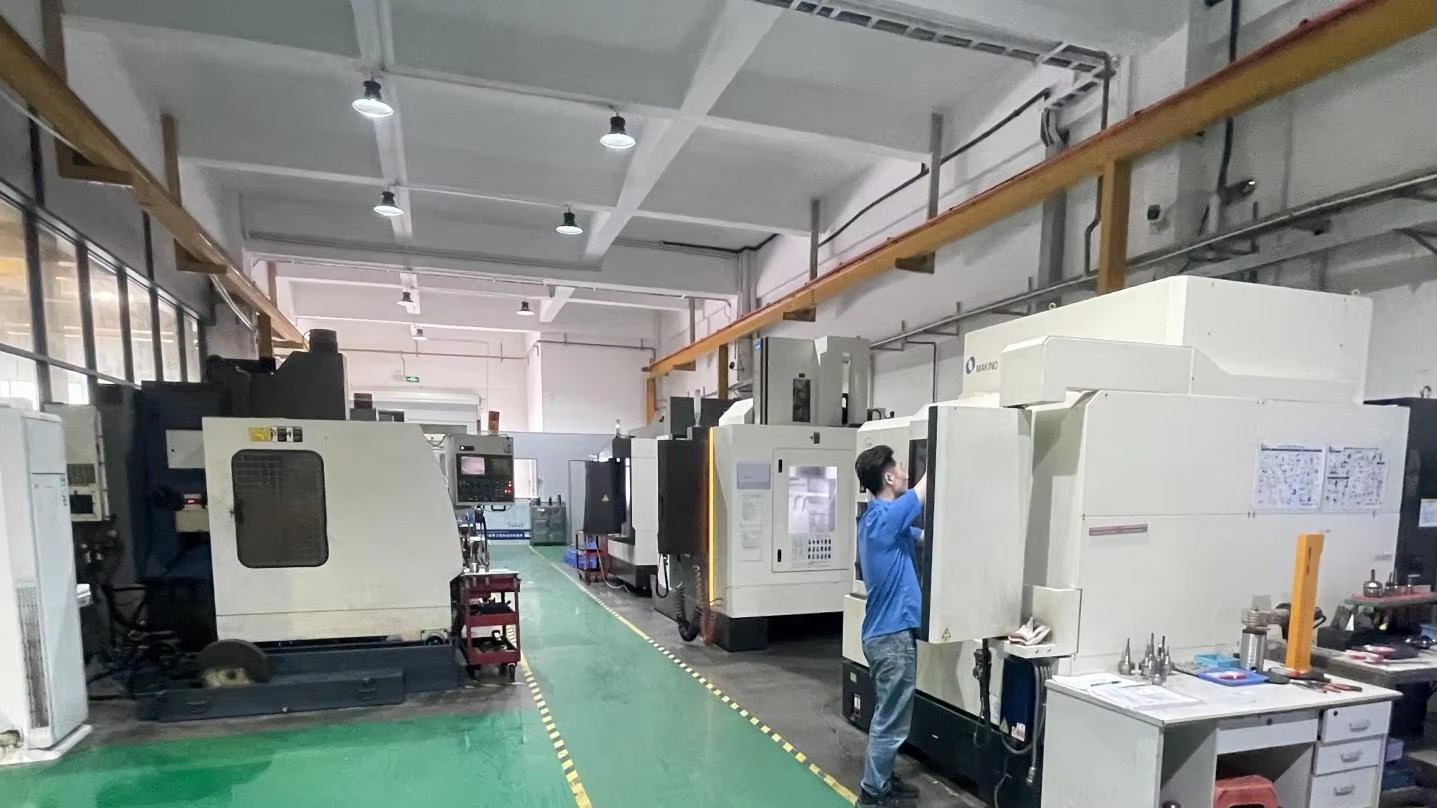
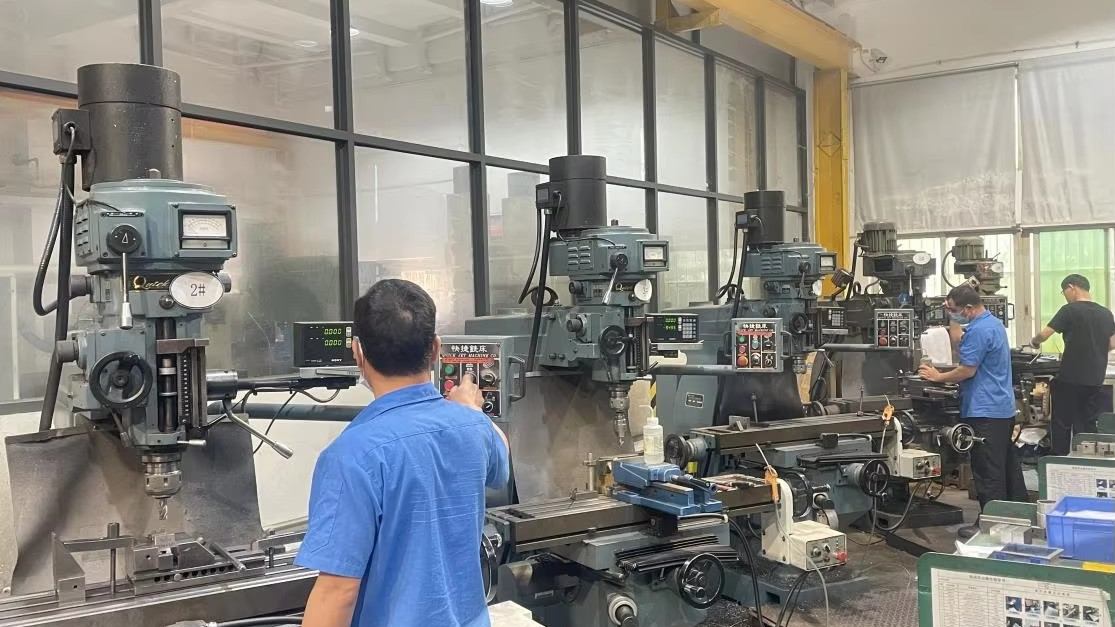
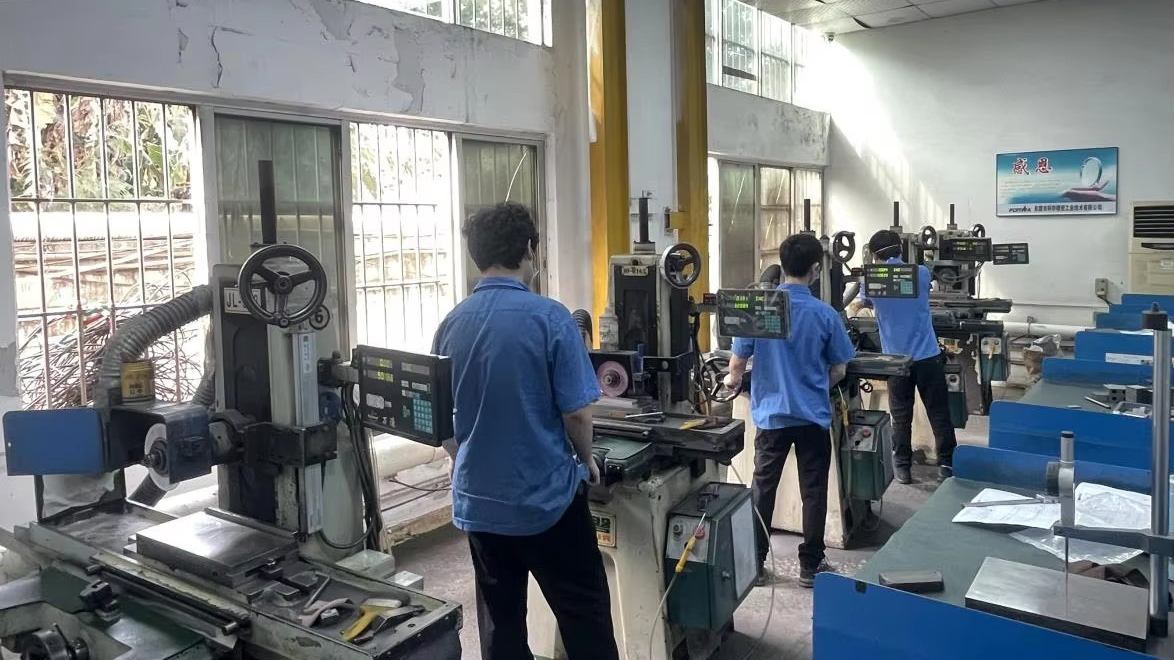
Our testing labs utilize coordinate mapping and computerized gear meshing centers to certify design requirements.
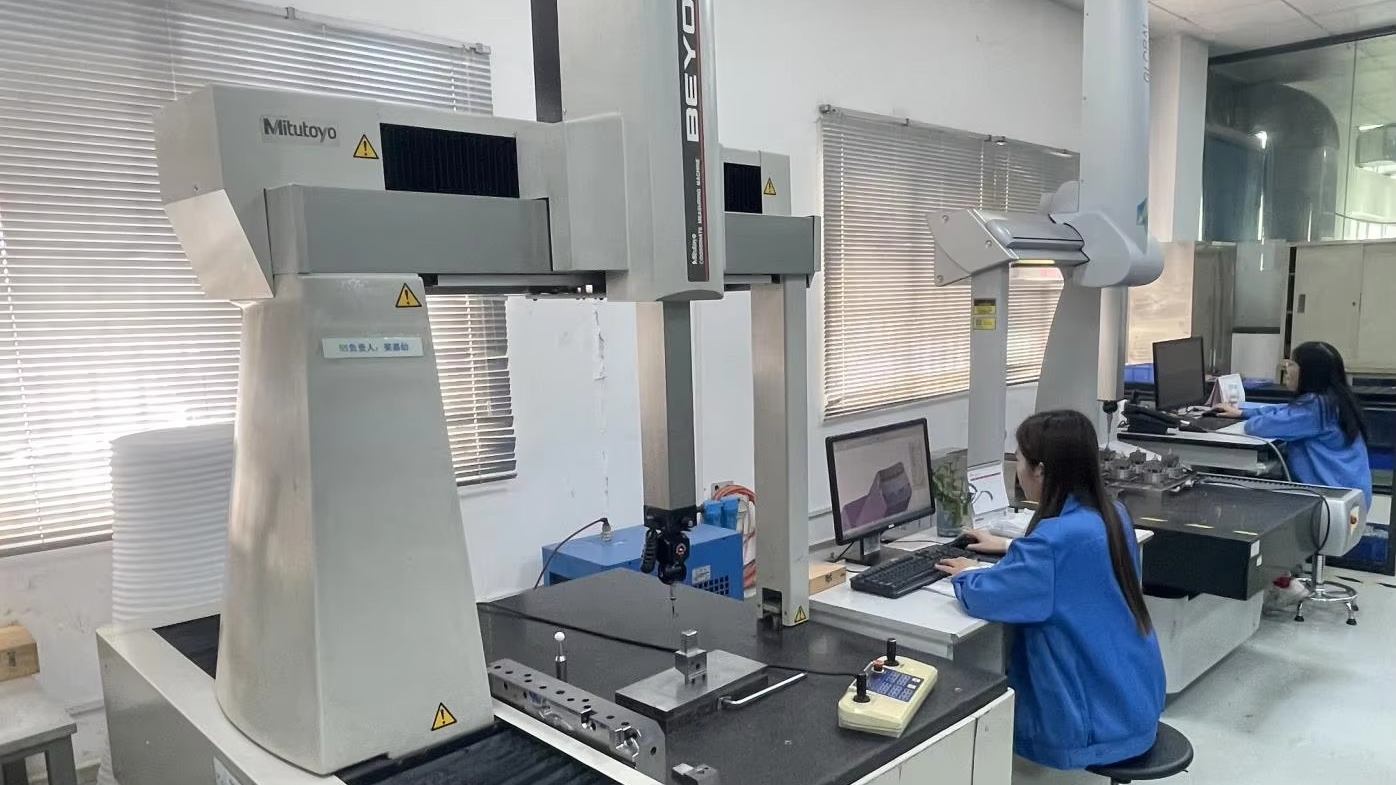
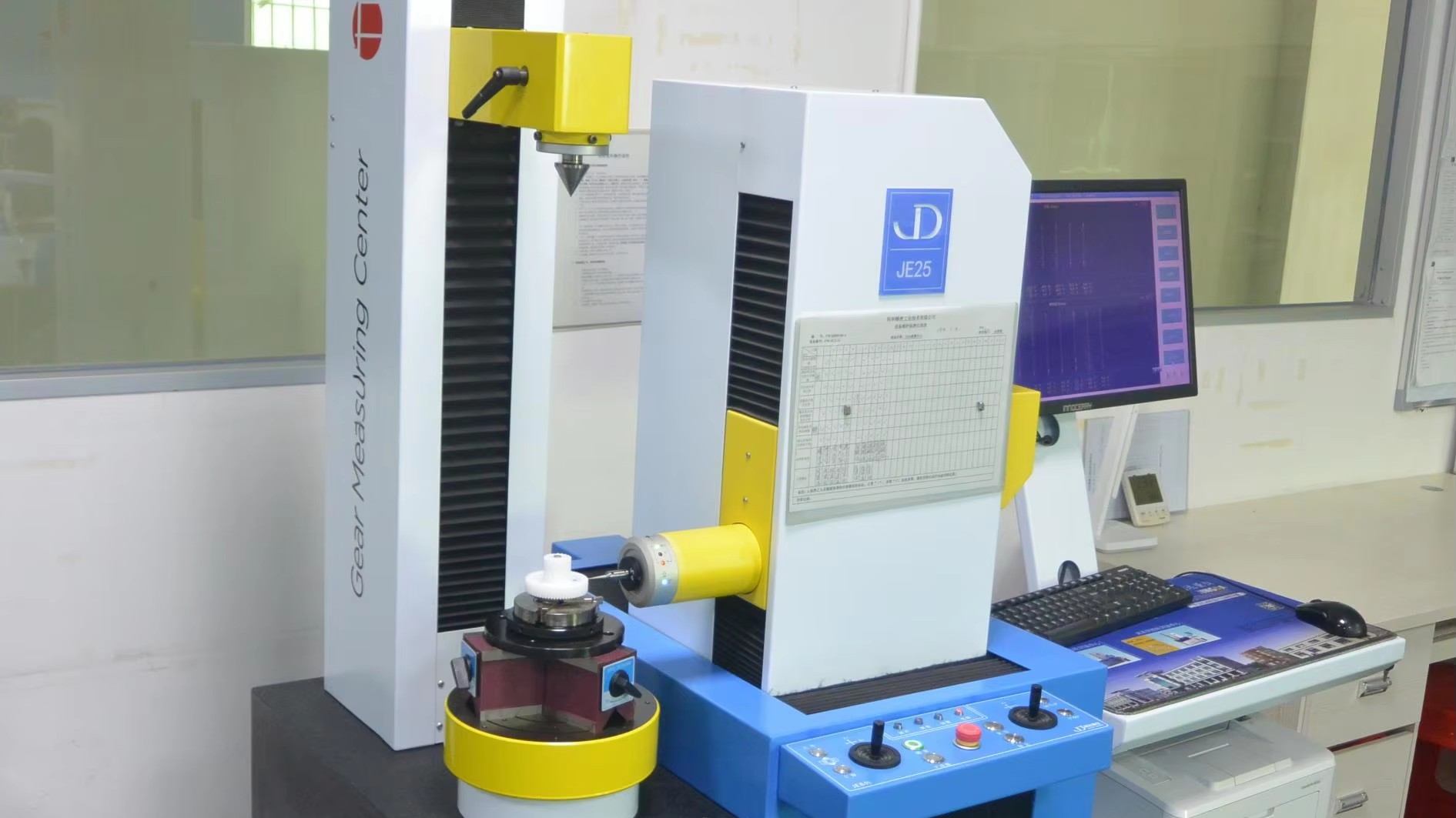
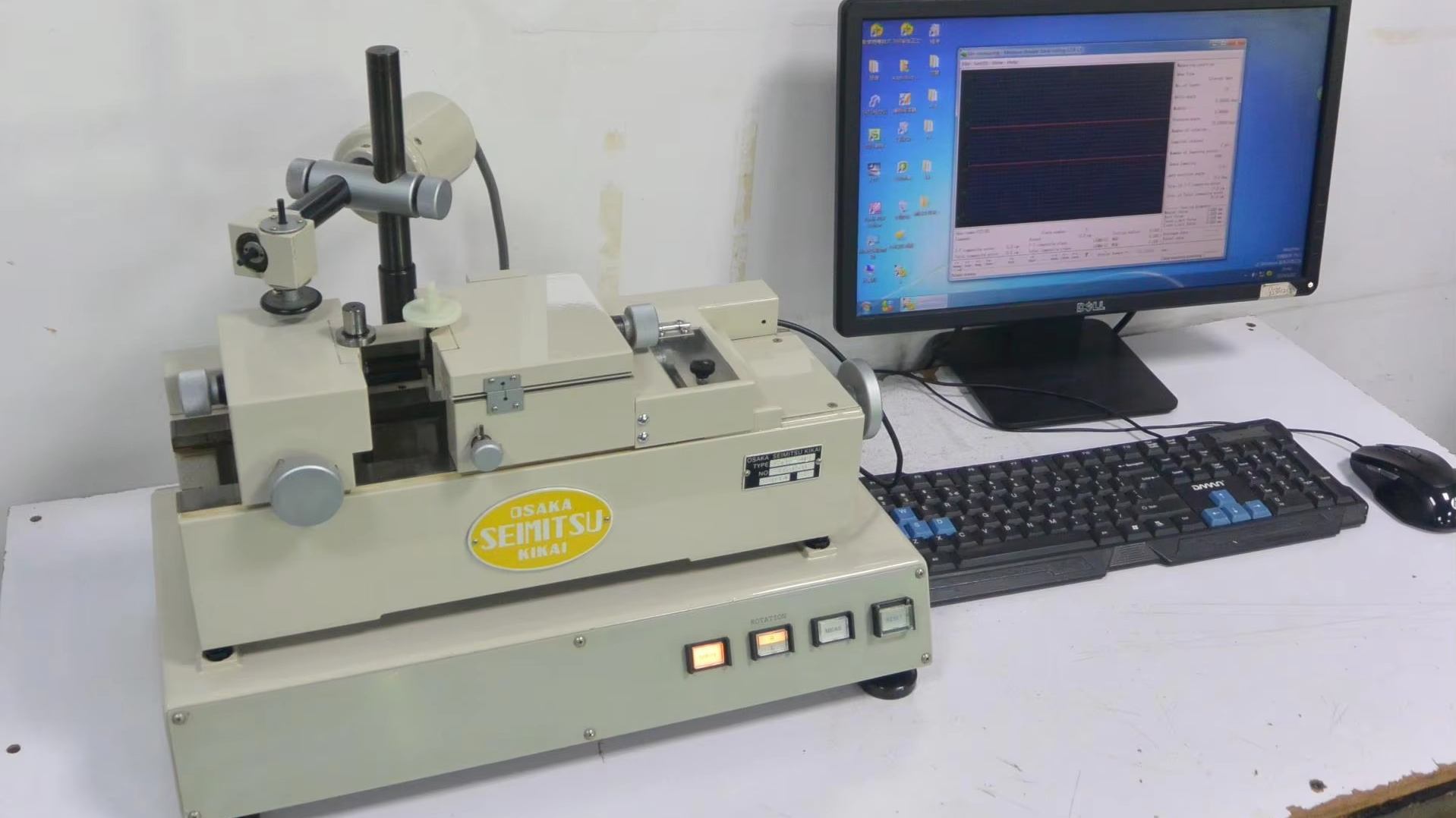
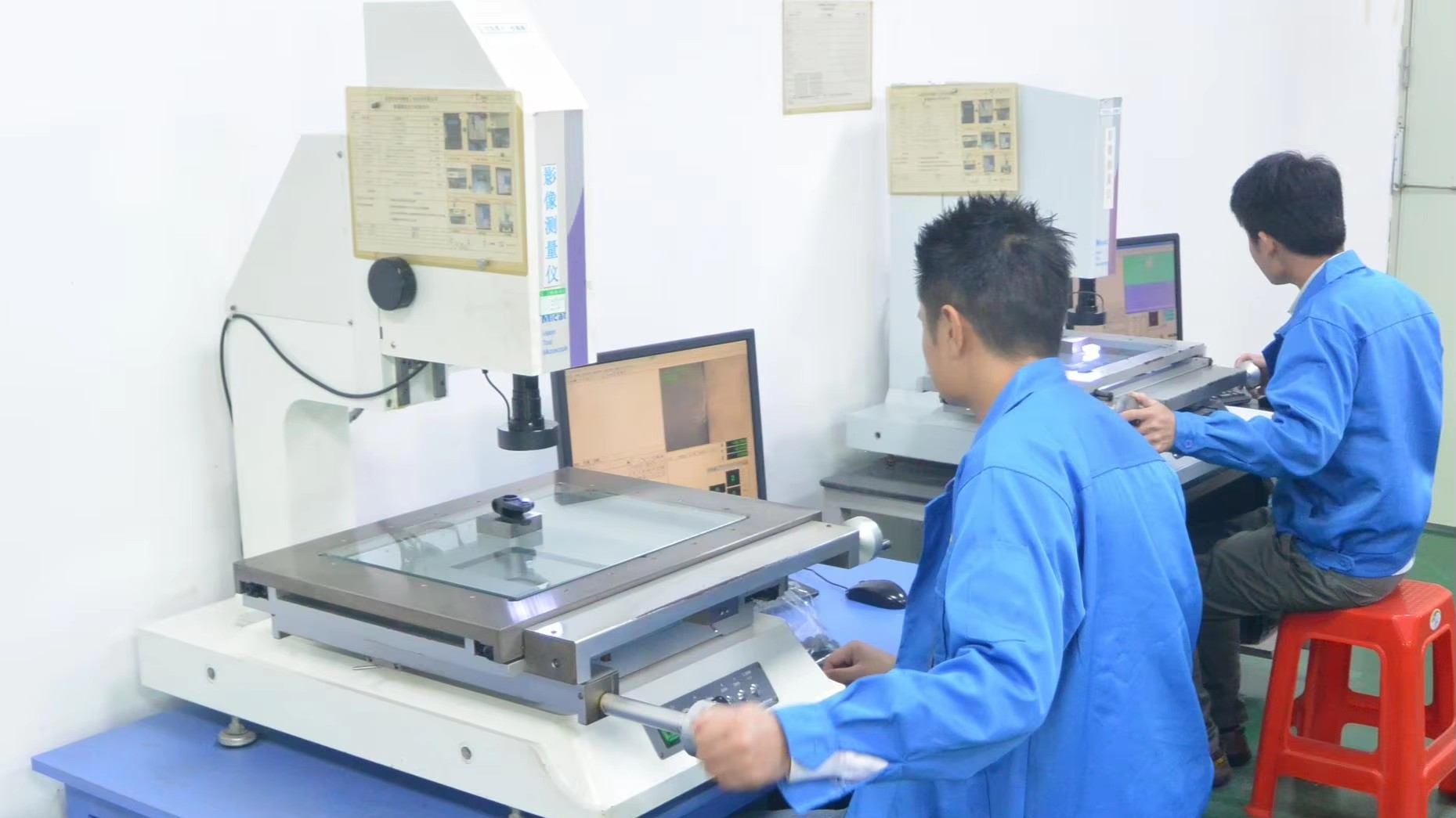
The global manufacturing landscapes demand speed, pricing competitiveness, and agility. Operating our state-of-the-art facilities in China, TQC Micromotor blends vertical manufacturing capabilities (design, tooling, molding, and testing in one single site) with strategic regional raw material partnerships. Through the implementation of integrated Enterprise Resource Planning (ERP) and Manufacturing Execution Systems (MES), we achieve real-time material traceability, dynamic inventory buffers, and lean production management. This minimizes processing delays, providing Western OEMs with rapid response times and consistent bulk supply lines even during global logistical disruptions.
Procuring micro gearing solutions requires rigid compliance. Standard industrial components fall short under strict European and North American regulations. TQC Micromotor operates under a robust quality system and guarantees that all raw materials are fully compliant with RoHS, REACH, and FDA specifications (where biological neutrality is demanded). Our localized client response teams interface directly with your in-house engineers, delivering comprehensive material certifications, PPAP (Production Part Approval Process) Level 3 documentation, and detailed dimensional inspection reports prior to high-volume manufacturing runs.
Looking to the next decade, TQC is researching bio-derived polymers and carbon-neutral raw materials. Additionally, we are pioneering the integration of dynamic micro-sensors within the core of customized plastic gears to monitor rotational stress, thermal expansion, and wear in real-time. This upcoming "smart gear" technology will enable preventative maintenance schedules in highly automated factories and complex medical arrays, transforming how global companies approach mechanical longevity.
Expert engineering answers to assist your design, development, and purchasing processes.
Plastic sprockets deliver superior sound damping (lowering NVH values), weigh 50% to 80% less than equivalent metal components, offer self-lubricating characteristics, and eliminate the risk of corrosion. This results in quieter, lighter, and more maintenance-free micro-actuator assemblies.
We utilize advanced mold-flow simulation software to accurately predict volumetric shrinkage for various polymers (which ranges from 0.5% for PEEK to 2.5% for unfilled PA/POM). By tailoring the steel core geometries of our high-precision molds, we hold post-molding dimensions within ±0.005mm tolerances.
For custom OEM prototypes, prototype tooling takes 10 to 15 business days. Production tooling (hardened steel molds for multi-cavity injection runs) is usually ready for testing in 25 to 35 days, followed immediately by first-article inspection (FAI) samples.
We reference ISO 1328 and AGMA standards. Our Quality Assurance team utilizes a Coordinate Measuring Machine (CMM), a JE25 Gear Measurement Center, and specialized Gear Meshing Instruments to inspect profile deviations, lead errors, and runout tolerances.
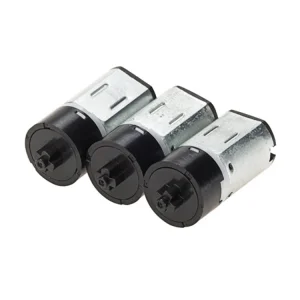
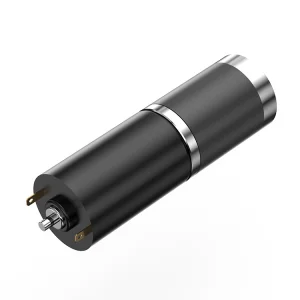
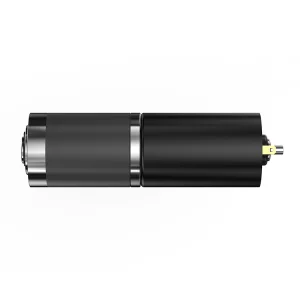
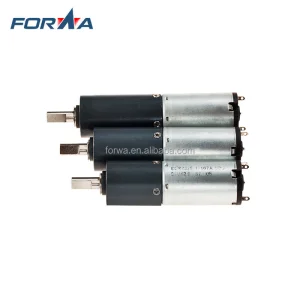
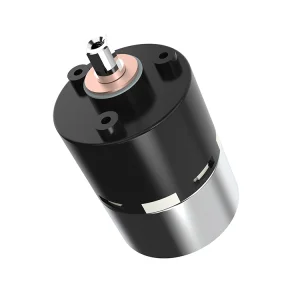
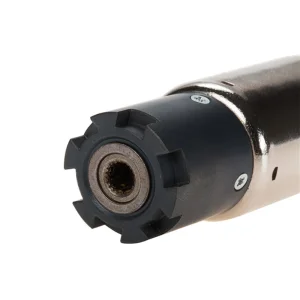
High-efficiency motor-gear assemblies engineered for continuous production and automated devices.
 Stepper Motor