OEM/ODM Adjustable Gear Systems Factories & Supplier

Custom Precision Miniature Drives, Planetary Gearboxes, and High-Efficiency DC/BLDC Micro Motors for Advanced Industrial and Consumer Automation

Adjustable Gear Systems in Modern Industry: A B2B Strategic Overview

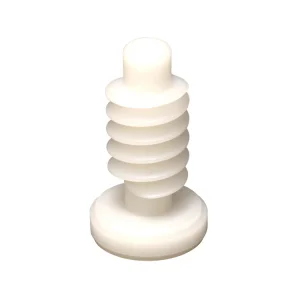
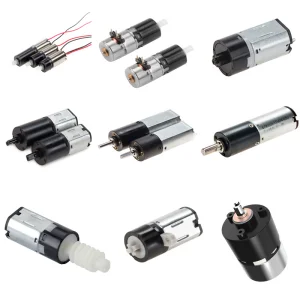
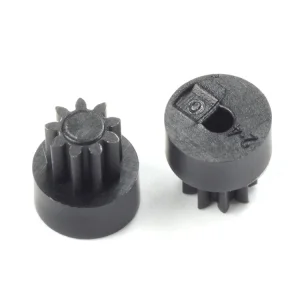
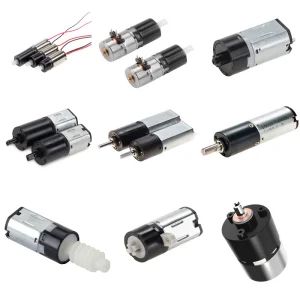
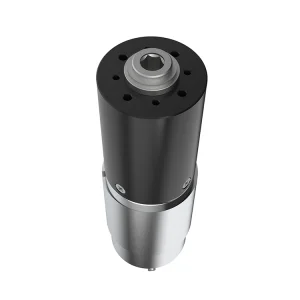
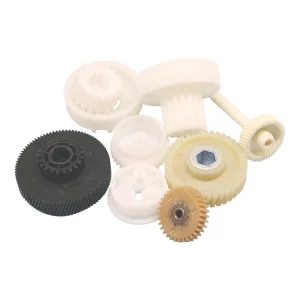
In the rapidly evolving landscape of automation, medical engineering, robotics, and smart infrastructure, the demand for highly precise, quiet, and robust adjustable gear systems has reached an all-time high. Miniaturization has ceased to be a mere design trend; it is now a fundamental requirement for cutting-edge technological applications globally. Micro-transmission setups, including spur gears, helical gears, worm gears, and micro-planetary gearboxes, act as the critical force multipliers behind complex automated movements.

< 0.5°
Ultra-Low Backlash
10k+ Hrs
Continuous Operations
±2µm
Molding Precision
100%
Customized Shafts

Global Market Dynamics and the Need for Customization (OEM/ODM)

Modern micro-transmission demands are highly fragmented. Off-the-shelf components rarely align perfectly with the spatial constraints, load curves, thermal limits, and acoustic restrictions of specialized systems. A generic motor might suffer from early thermal degradation in a sealed medical environment, or lack the exact output speed required for a smooth robotic joint mechanism. This is where OEM/ODM customization becomes vital. Adjustability in gear systems refers not only to speed-ratio variation but also to design flexibility, structural adaptability, material modification, and modular integration.

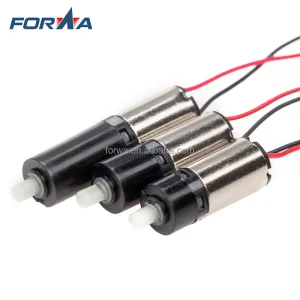
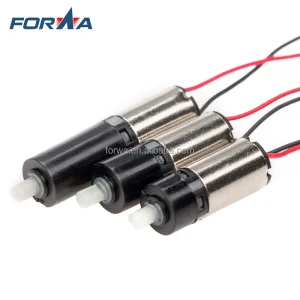
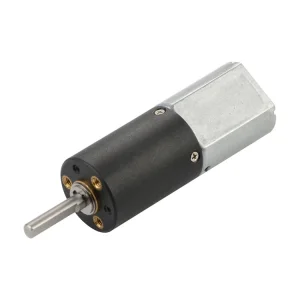
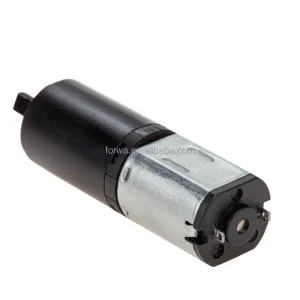
Whether optimizing a 6mm planetary gearbox for medical earscoops or custom-molding PA66 nylon gear racks for industrial sliding gates, top-tier engineering organizations require manufacturers capable of executing custom micro-molds, selecting advanced thermoplastic compounds (such as POM, PEEK, or Carbon-Fiber Reinforced Nylon), and delivering sub-assembly integration with DC/BLDC micro-motors.

Materials Engineering: Deciding Between Plastic (POM/Nylon) and Metal Alloys

Material science is the foundation of high-performance adjustable gear systems. Selecting the optimal raw material involves balancing cost, weight, noise dissipation, environmental resistance, and torque limits:

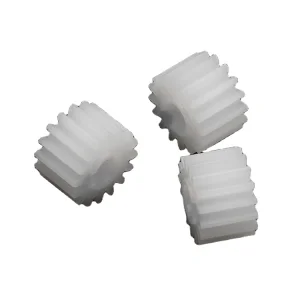
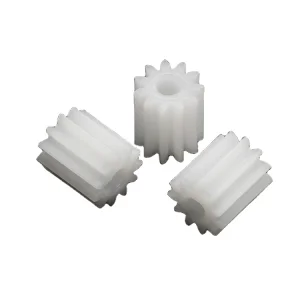
  • POM (Polyoxymethylene/Acetal): Famed for its high dimensional stability, low friction coefficients, and outstanding wear resistance. Ideally suited for small-modulus spur gears and intermediate gear stages in low-to-medium torque applications.
  • PA66 (Nylon 66 / Polyamide): Often glass-fiber reinforced to increase tensile strength and heat deflection temperatures. It is widely applied in heavy-duty plastic gear sets, gear racks, and situations requiring high impact resilience.
  • Sintered Metal & Powder Metallurgy: Utilized in high-load planetary gear stages (typically the output stages) where structural integrity under extreme shock loads is non-negotiable.
Cost Efficiency & Optimization

By using Chinese injection molding capabilities, clients save up to 45% in tooling costs while maintaining rapid iteration schedules for complex gear profiles.

Advanced QA Protocols

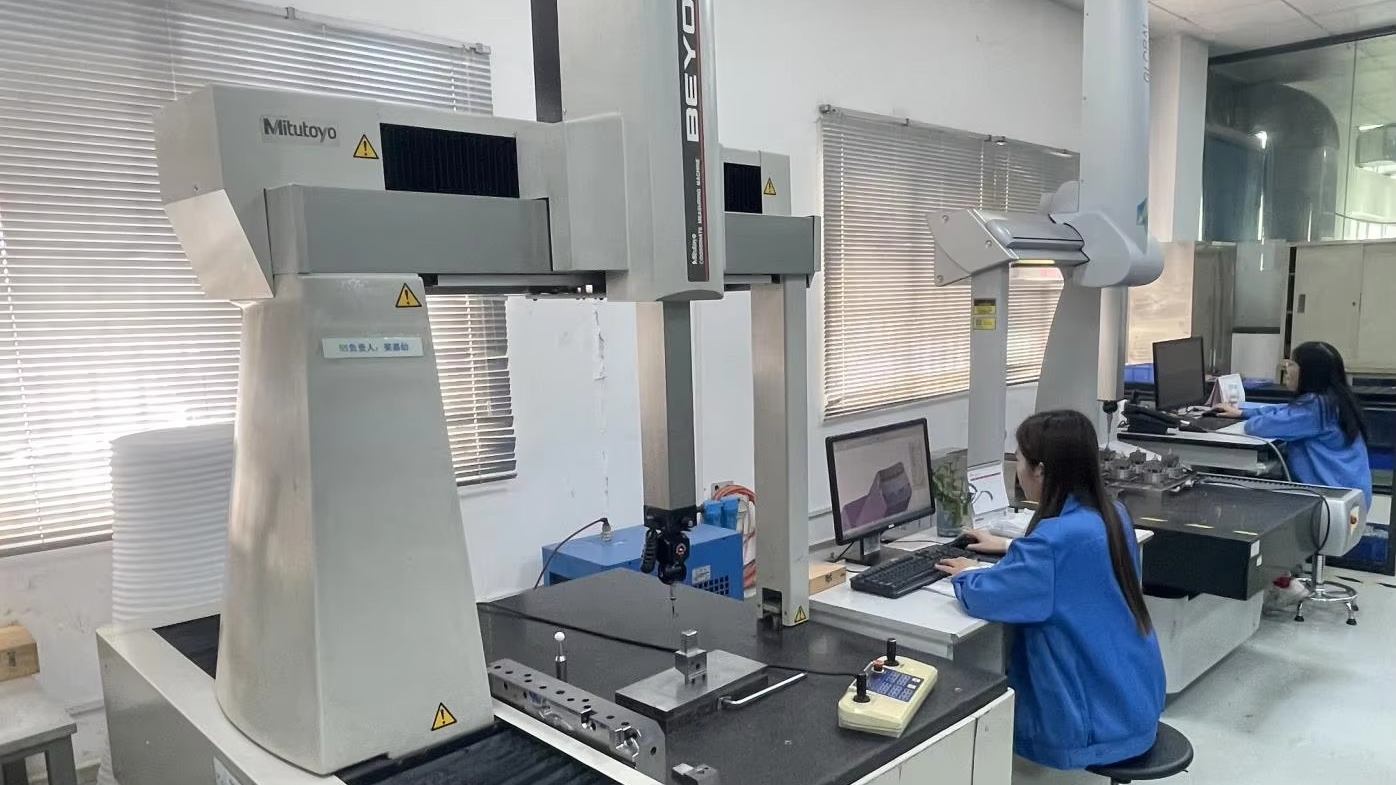
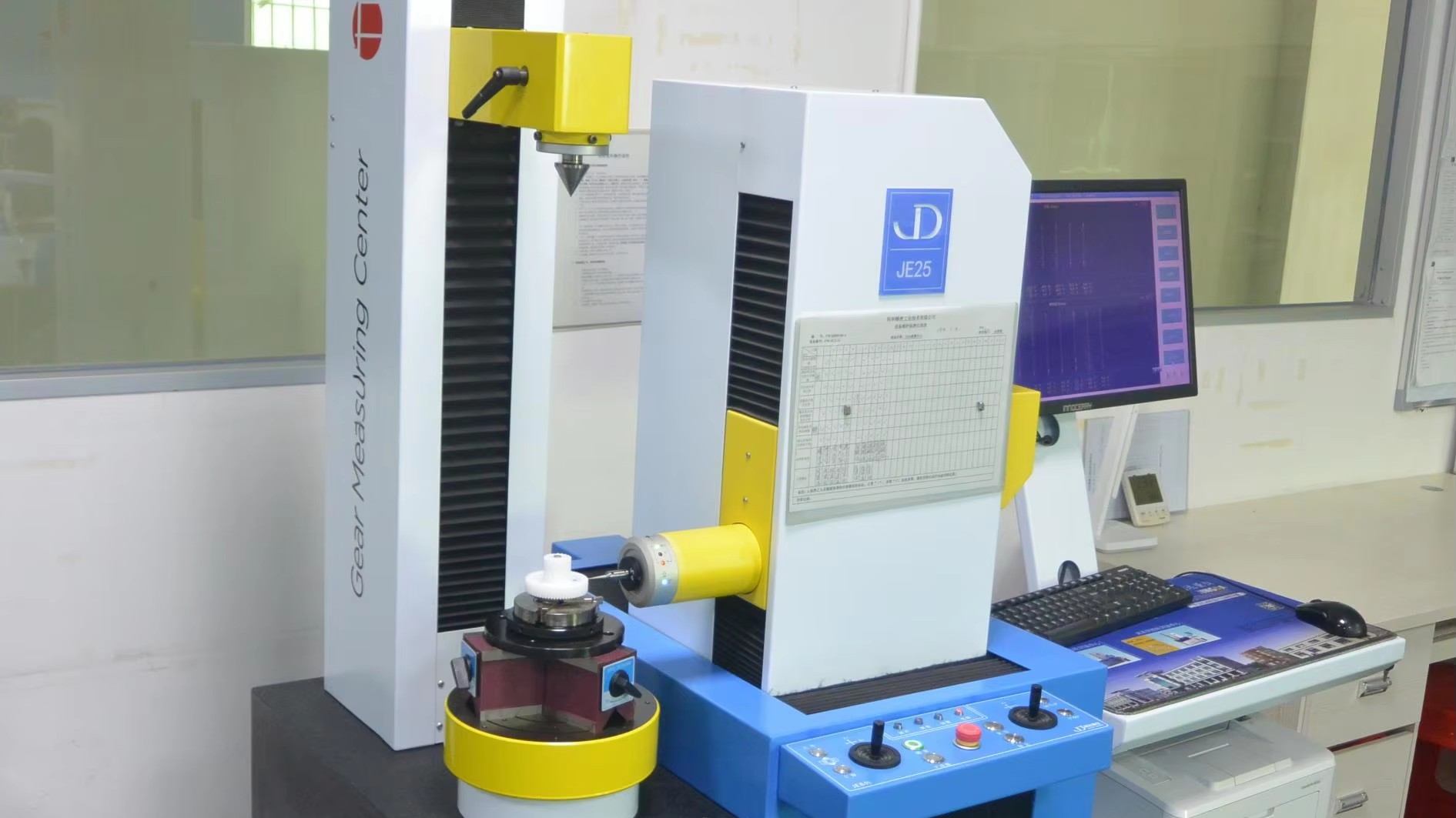
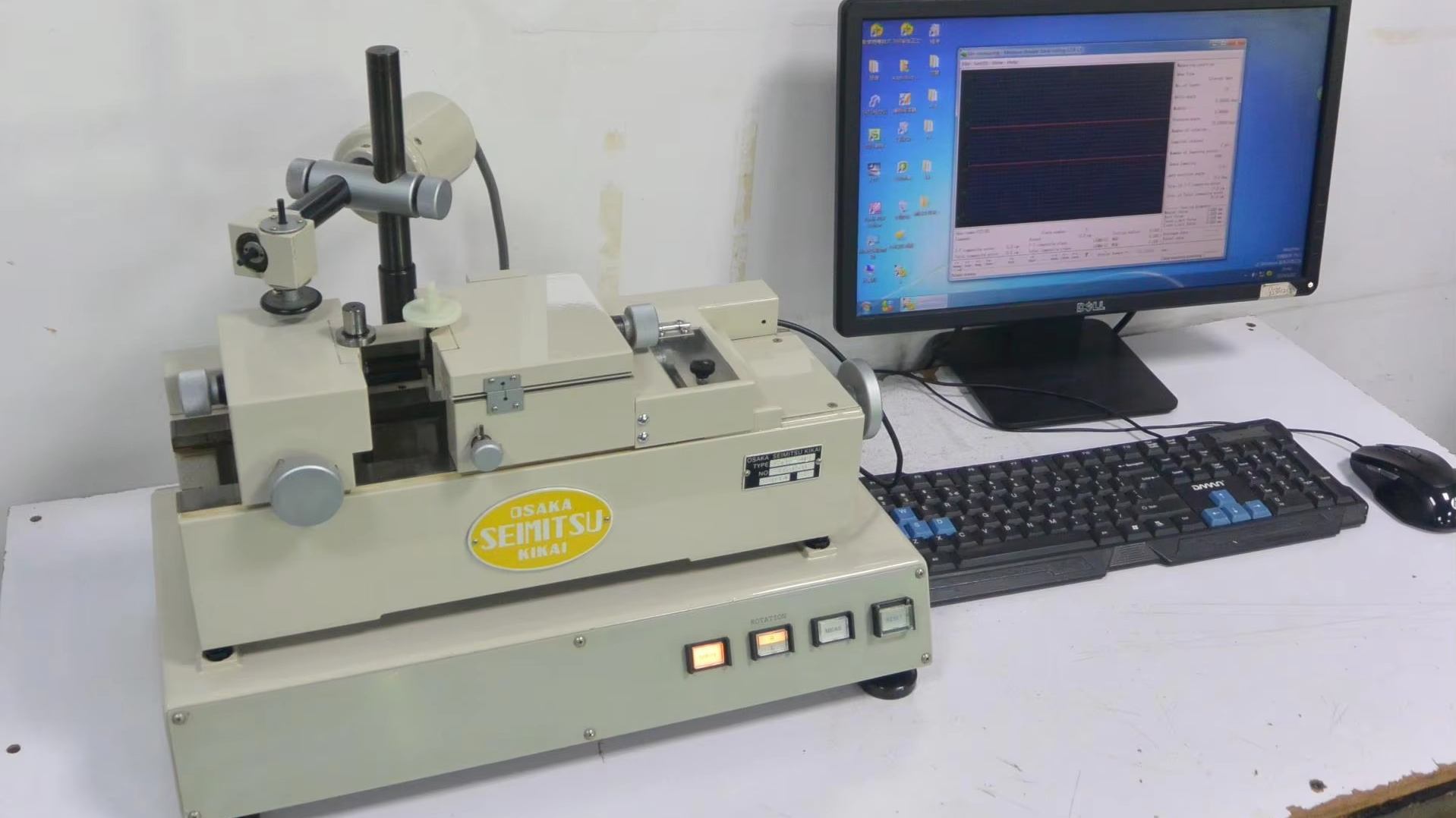
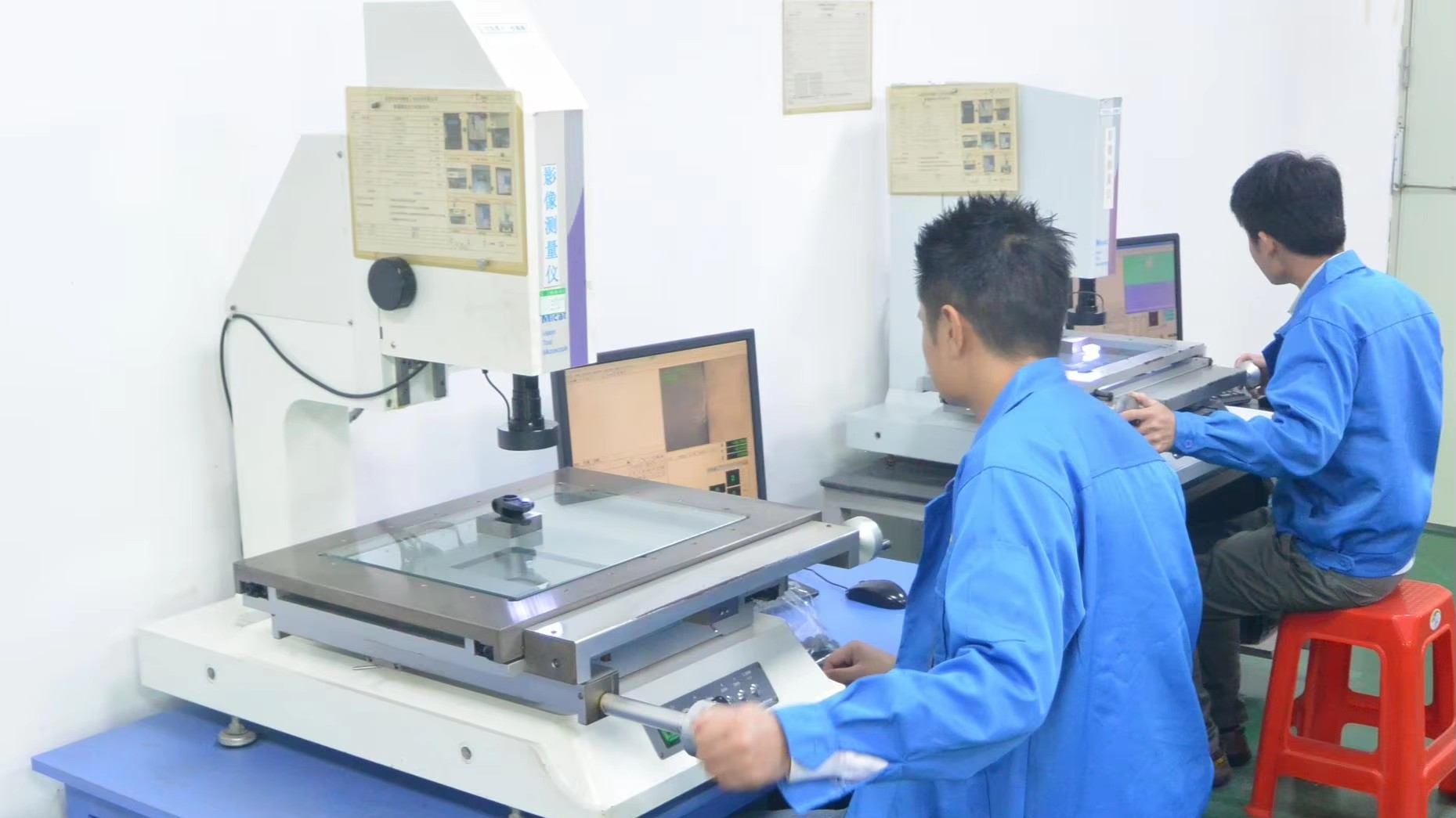
Utilizing high-end inspection technologies including coordinate measuring systems (CMM) and gear meshing instruments to ensure zero-defect integration.

Tailored OEM/ODM Service

Comprehensive design-for-manufacturability (DFM) support to customize reduction ratios, housing profiles, shafts, and motor combinations.

TQC Micromotor: Small Motors, Massive Possibilities

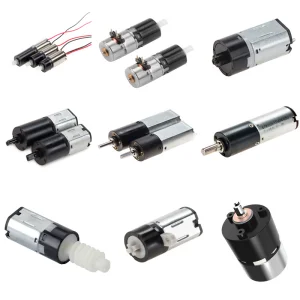
TQC Micromotor is a forward-thinking Chinese manufacturer redefining precision motion control in the micro-drive industry. We design and build high-efficiency micro DC and BLDC motors that power next-generation technologies worldwide.

Driven by our core philosophy—Top Quality & Customization—we combine advanced manufacturing tech with flexible engineering to provide global B2B clients with the transparency of a local partner and the cost benefits of a premier Chinese factory. Our systems are built to last and engineered to fit.

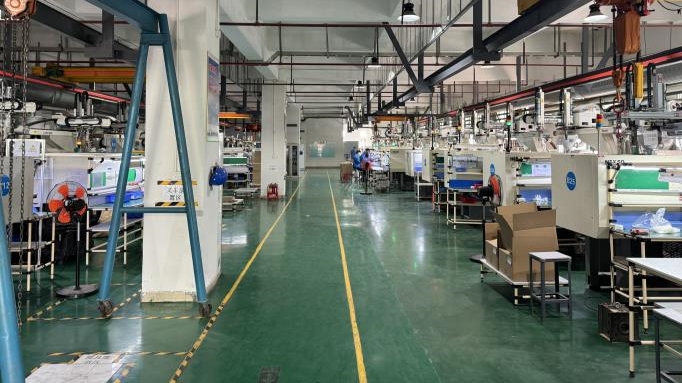
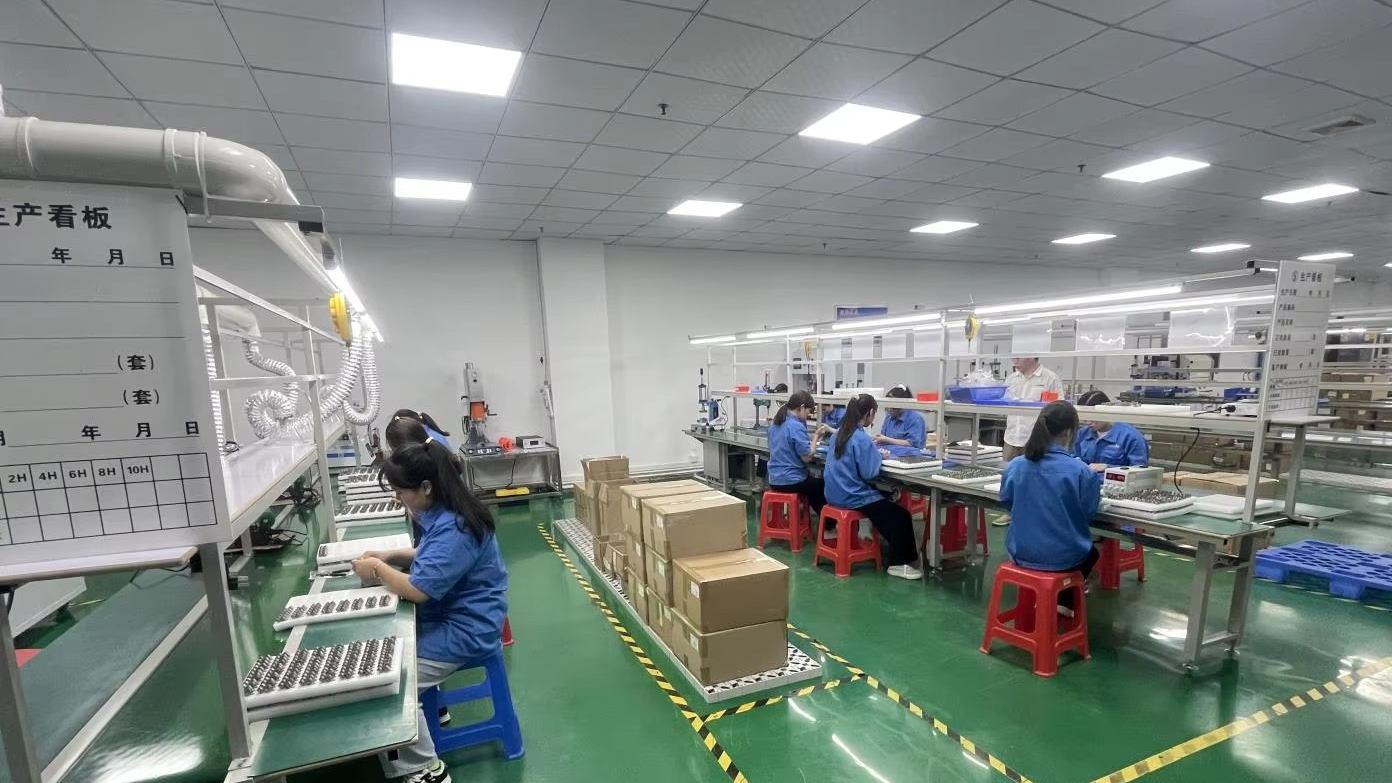
TQC Micromotor Precision Factory Floor

World-Class Micro-Manufacturing & Quality Control

A closer look at the advanced machinery, molding centers, and precision verification instruments that ensure our components exceed international standards.

Advanced Manufacturing Process Flow

Die Parts Processing
Mold Making
Mold Making
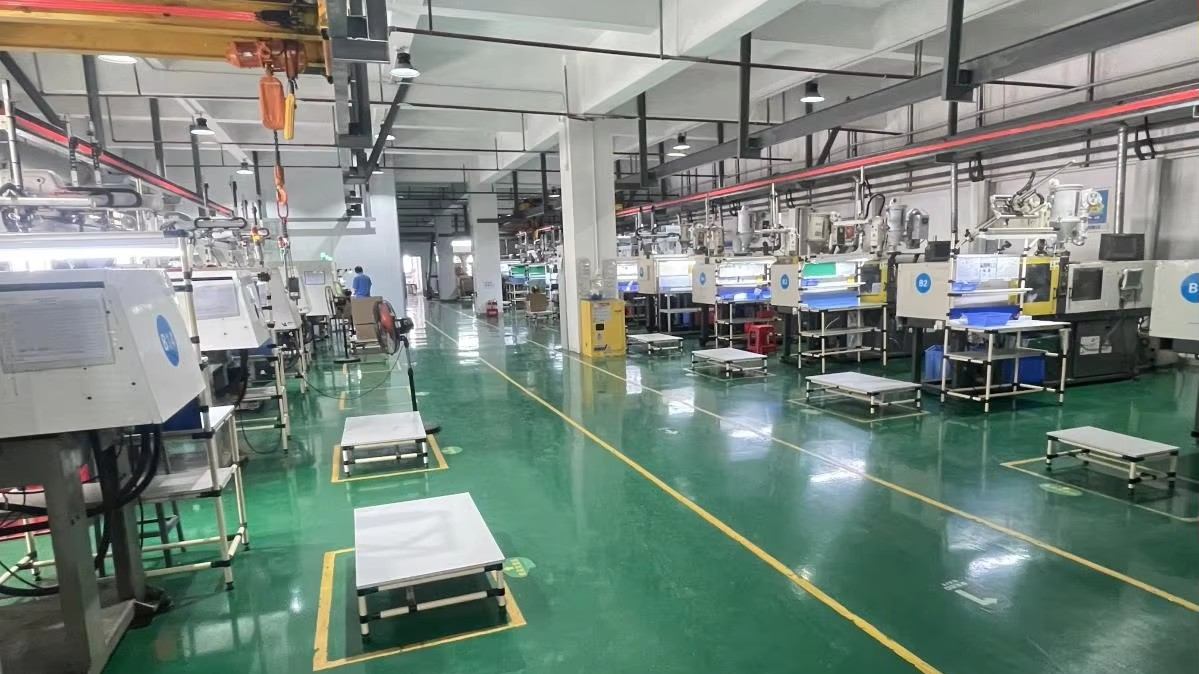
Injection Molding
Injection Molding
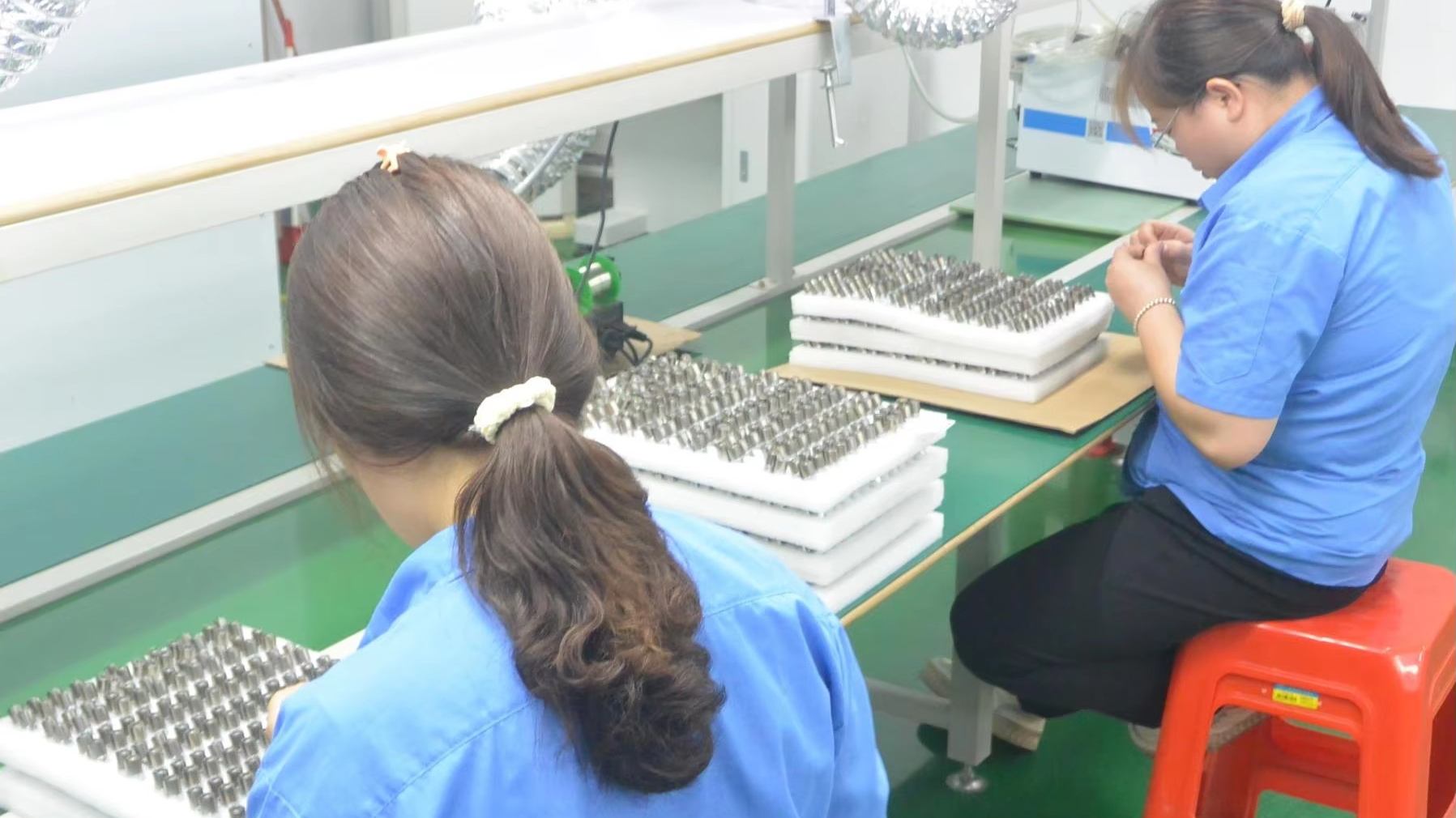
Assemble
Assemble
Testing
Testing
Package
Package

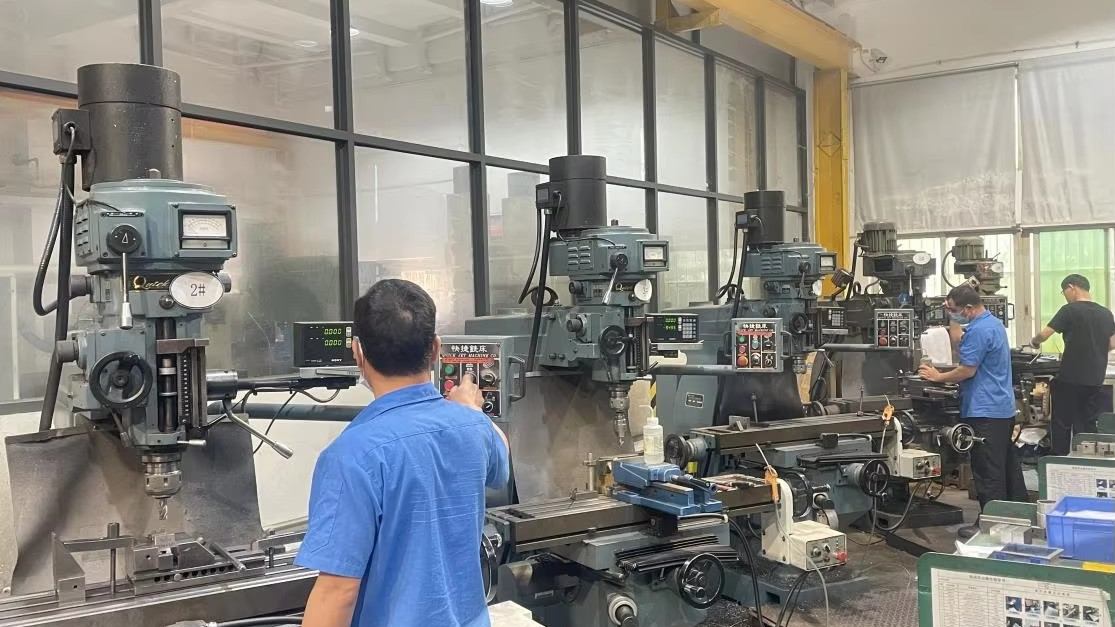
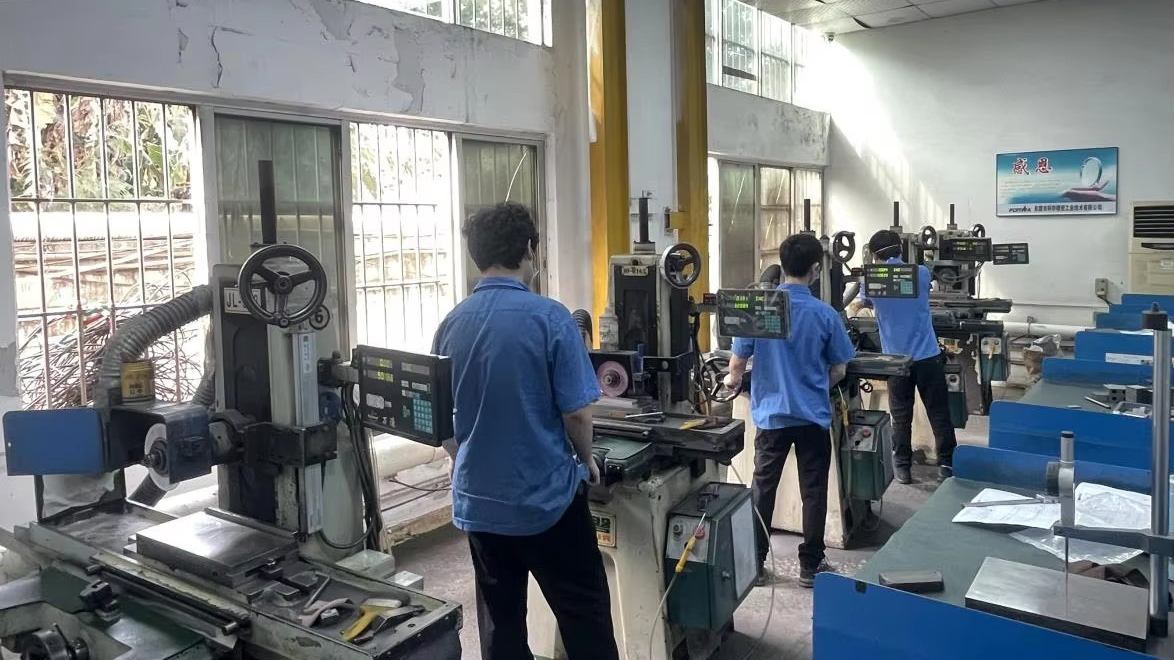
Heavy-Duty Machinery & CNC Machining Centers

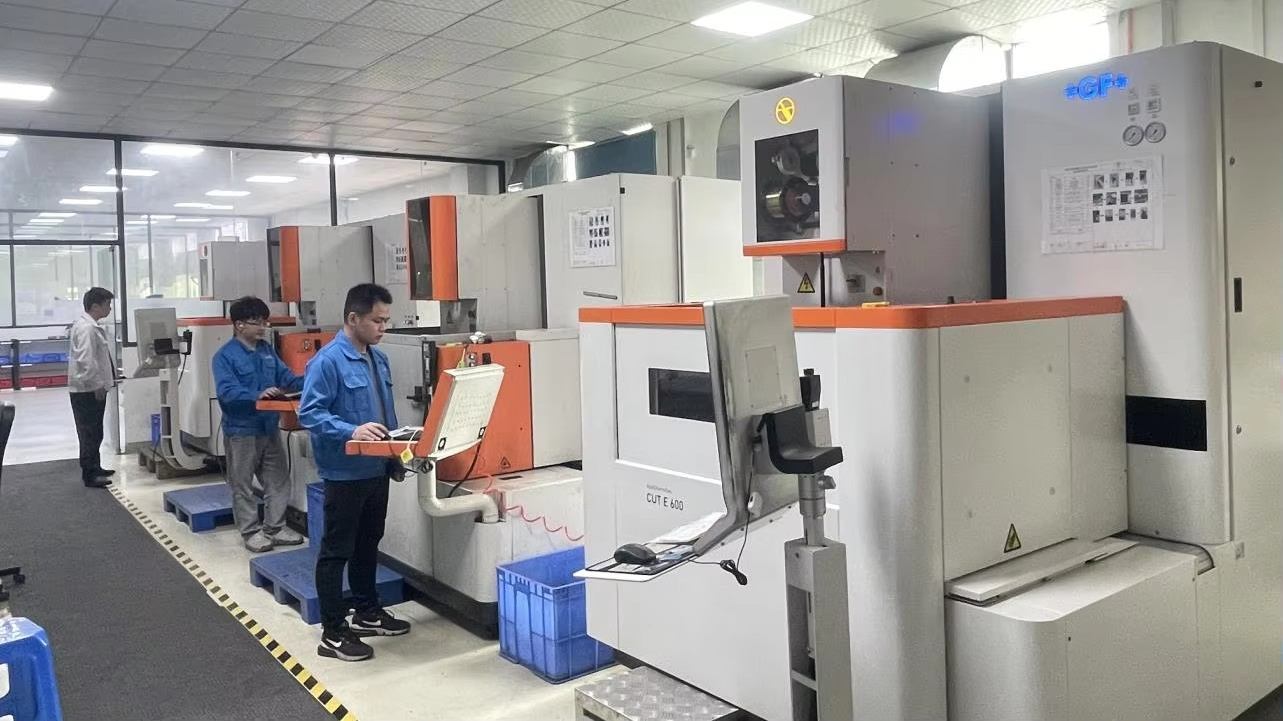
Slow Wire
Slow Wire
Injection Molding Machine
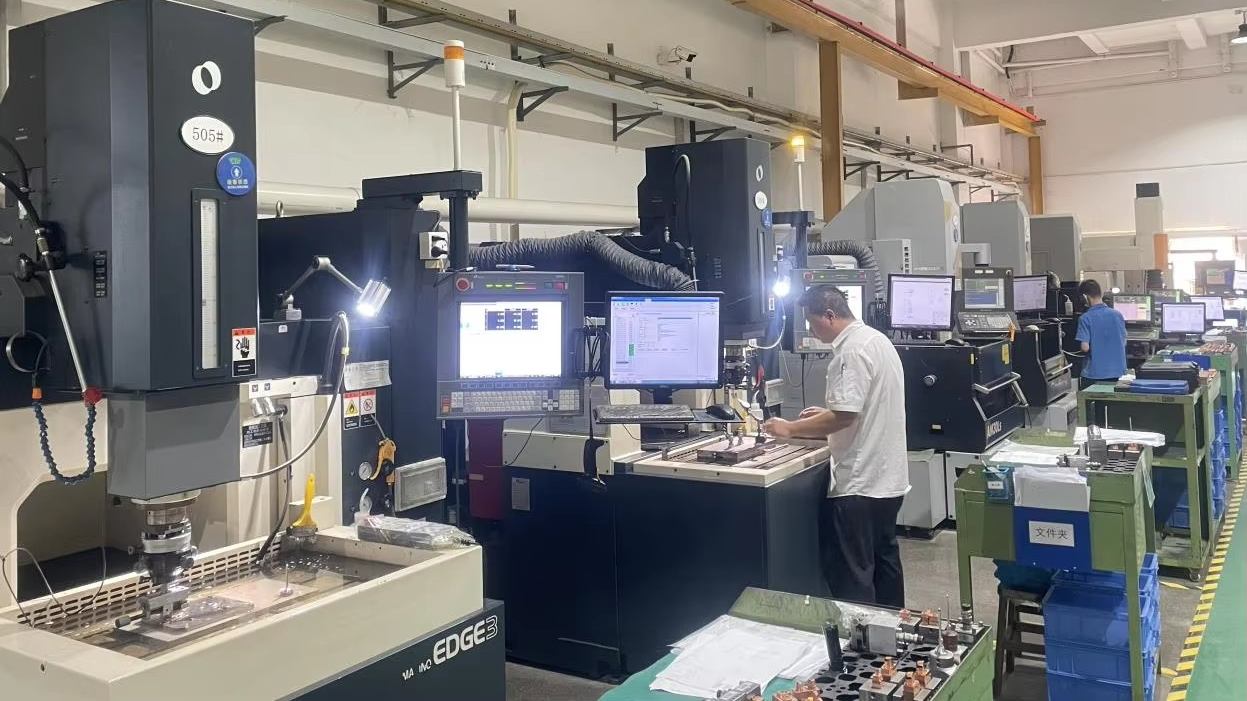
EDM
EDM
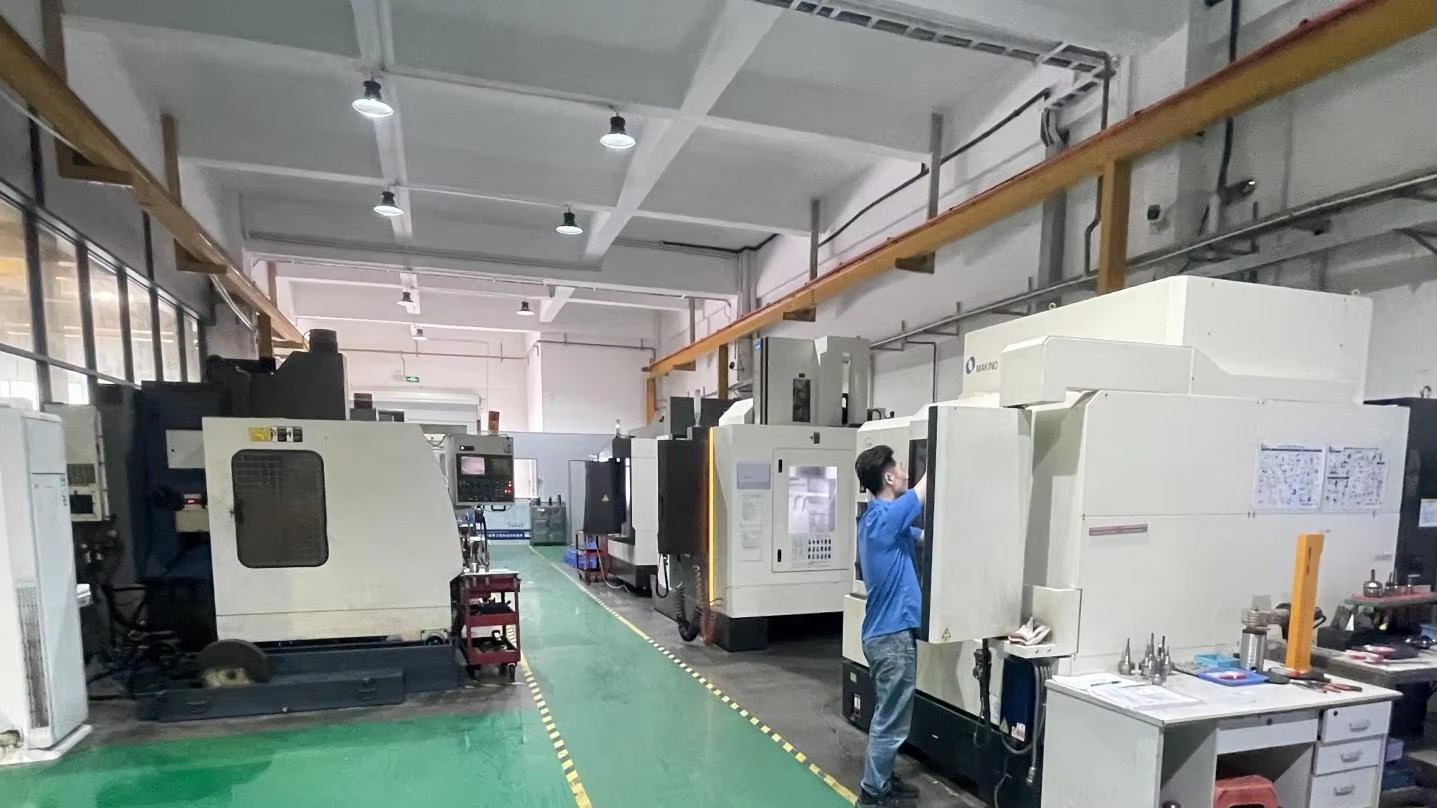
CNC
CNC
Milling Machine
Milling Machine
Grinding Machine
Grinding Machine

Metrology Lab & Precision Verification Instruments

Coordinate Measuring Machine
JE25 Measurement Center
Gear Meshing Instrument
Image Measuring Instrument

Chinese Manufacturing Efficiency and Supply Chain Integration

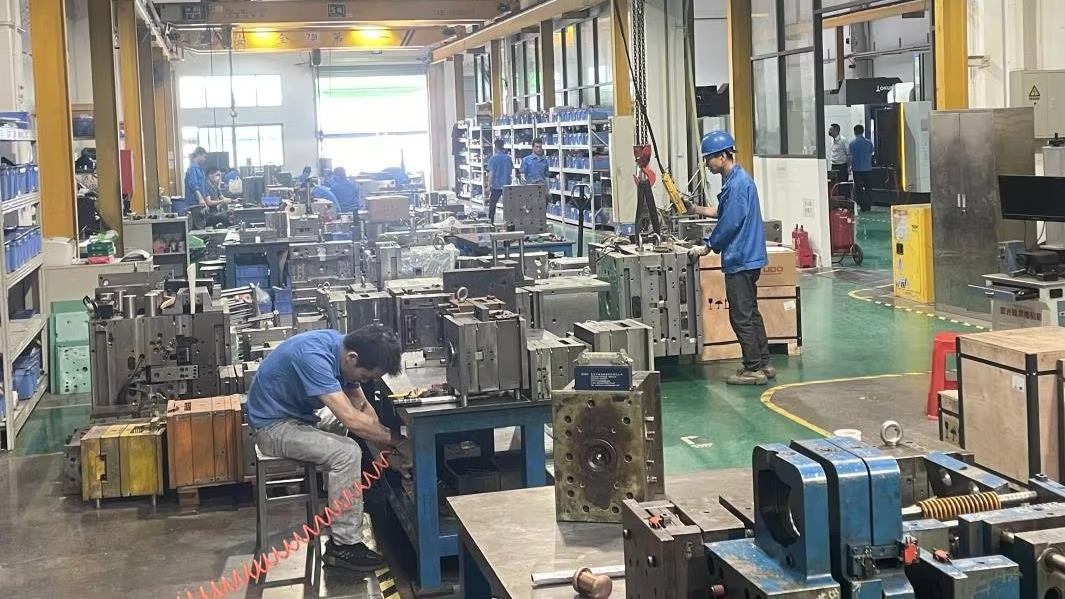
The concentration of micro-precision components manufacturing in China provides crucial benefits for global engineering teams. Far beyond standard labor cost benefits, the competitive advantage is driven by highly integrated supply chain clusters. TQC Micromotor merges advanced tooling design, precision plastic mold manufacturing, automatic winding, and acoustic-vibration testing in a single unified facility. This significantly reduces lead times for complex modifications.

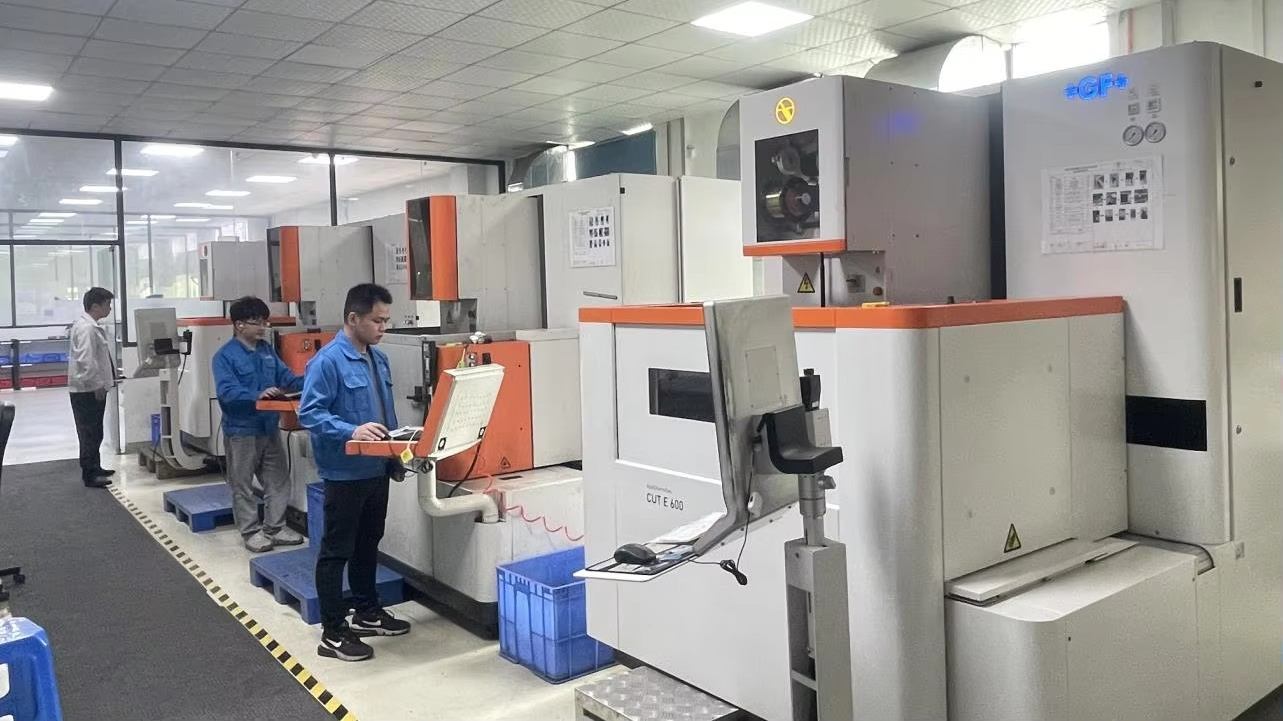
In-house manufacturing is supported by high-accuracy CNC milling, EDM, and slow-wire cutting machines. The coordination of these machining disciplines allows us to produce multi-cavity injection molds with dimensional tolerances measured in microns. For B2B clients, this translates to predictable prototyping and rapid production scaling. The typical transition from CAD validation to first-article inspection (FAI) is shortened by 30% to 40% compared to fragmented western supply chains.

Strategic B2B Purchasing Strategy for Adjustable Gear Systems

For procurement officers, sourcing adjustable gear systems demands strict attention to technical details to ensure compatibility and reliability:

  1. Torsional Backlash & Hysteresis: Define the allowable rotational deviation. Medical positioning drives or robotic actuators typically require low-backlash systems (under 1.5 degrees, sometimes down to 0.5 degrees for high-end applications).
  2. Acoustic Limits & Noise Abatement: High-performance personal electronics, such as face massagers or phone shelves, need gear configurations with optimized gear teeth geometry (e.g., helical instead of spur gears) or sound-dampening engineering plastics like POM or nylon.
  3. Starting Torque vs. Continuous Torque: Document the dynamic and static load curves of the application to prevent premature motor burnout or gear wear.
  4. Environmental Stress Criteria: Specify operations in environments featuring high humidity, extreme temperatures, chemical washes, or dust exposure. This determines the IP rating requirements and whether customized seal designs or special lubricants are needed.

Expert Q&A: Micro Gear Systems & Motors

Answers to complex technical and logistical questions frequently asked by B2B engineers and procurement teams.

Q1: What are the key advantages of using POM vs Nylon (PA66) in micro-gear fabrication?
POM (Polyoxymethylene) is highly crystalline, offering outstanding dimensional stability, low friction coefficients, and high rigidity. It is the optimal material for small-modulus gears (e.g., 0.22M to 0.65M) where precise tooth geometries must be maintained without moisture swelling. PA66 (Nylon), on the other hand, is tougher, more impact-resistant, and can be reinforced with glass fibers. It is best suited for larger, high-shock components like gear racks or high-torque stage components, but it is susceptible to slight dimensional changes due to moisture absorption.
Q2: How does a planetary gearbox improve torque density compared to spur gear configurations?
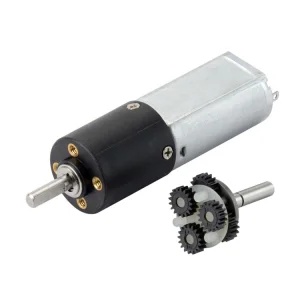
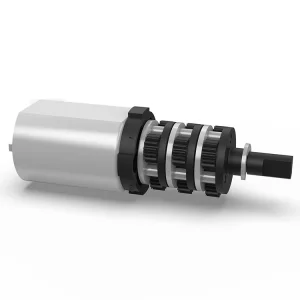
Planetary gearboxes distribute the torque load across multiple planet gears simultaneously (typically 3 to 4 planets), rather than concentrating the entire force on a single point of mesh as seen in spur gears. This load sharing yields significantly higher torque density in a much smaller outer diameter. It makes planetary configurations ideal for space-constrained applications like orthopedic handles, robot joints, and smart home locks.
Q3: What parameters are customized under OEM/ODM gear system agreements?
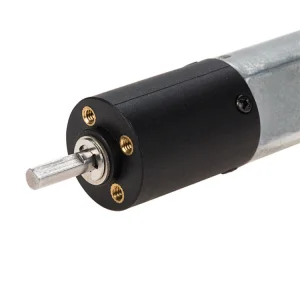
Our custom service includes structural modifications (shaft length, D-cuts, flats, cross holes, housing configurations), performance optimizations (reduction ratio tweaks, stage configuration, tooth profile shifts), and material selections (hybrid plastic-metal layouts, specialized lubricating greases for extreme temperatures, noise-reduction materials). We also integrate feedback sensors, specific wire harnesses, and mating connectors.
Q4: How does TQC Micromotor control quality and accuracy for small-modulus gears?
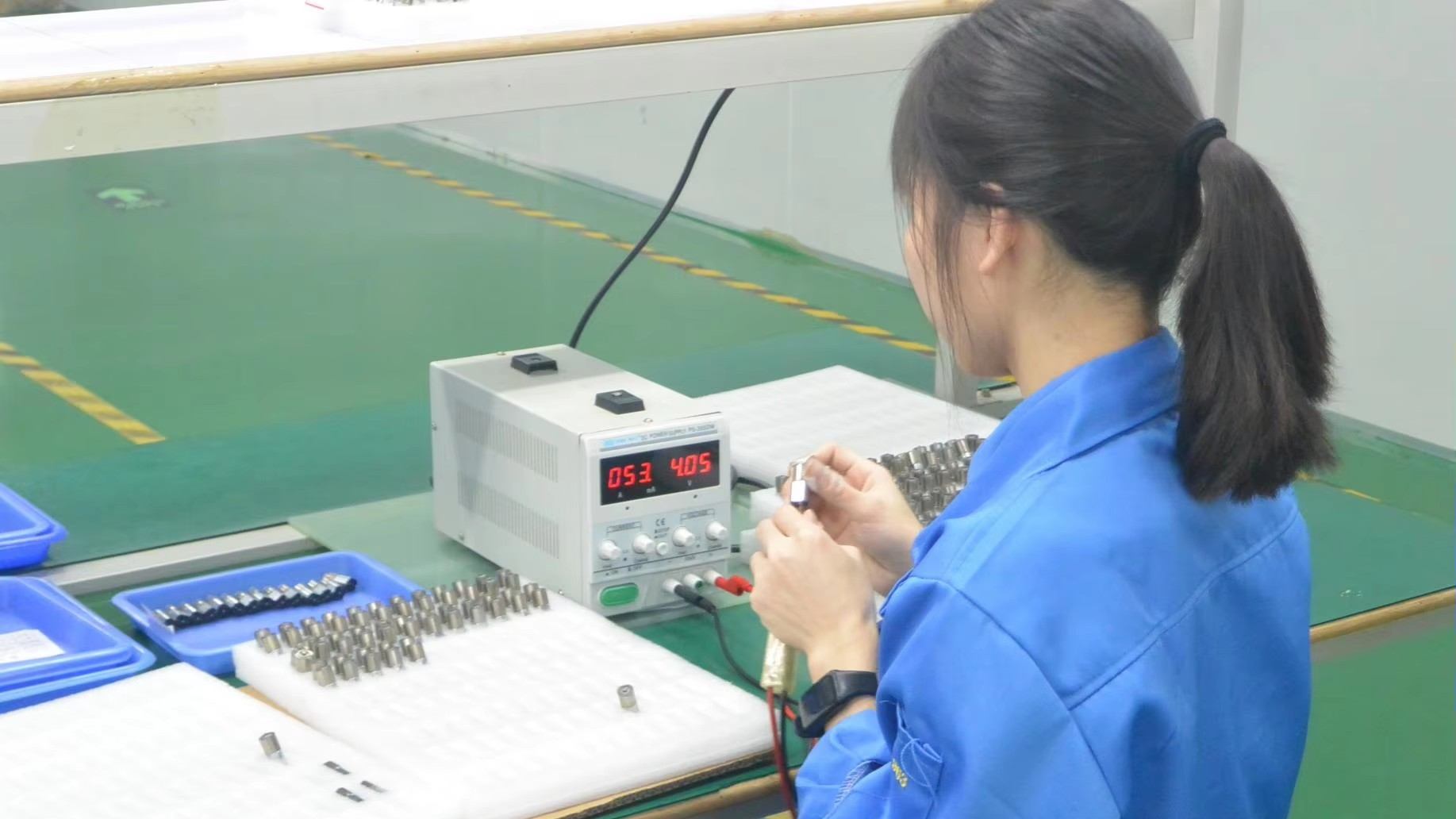
We utilize a multi-layered quality control workflow. Micro-molded gear dimensions are checked using coordinate measuring machines (CMM) and image-measuring instruments. In addition, double-flank gear meshing instruments analyze composite errors and pitch variations. The final assembly undergoes 100% functional testing, including current draw, output speed, torque verification, and acoustic chamber noise testing to isolate anomalies before packaging.
Q5: What is the typical lead time for custom mold creation and first articles?
For typical micro-gear components or plastic housing adjustments, mold construction and DFM validation require 25 to 30 days. First Article Inspection (FAI) reports and initial physical samples are delivered immediately following mold trials. Once approved, mass production scaling runs between 15 to 25 days depending on the batch volume and complexity of the motor assembly.