Premium precision-engineered gear components optimized for European industrial automation, smart home integration, and advanced consumer electronics.
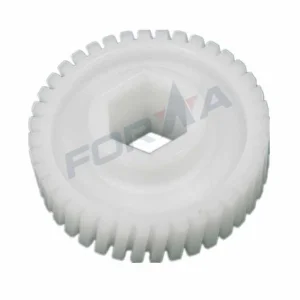
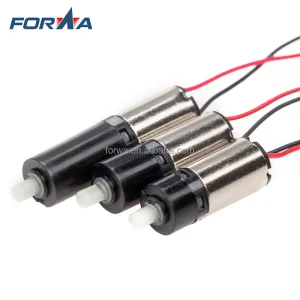
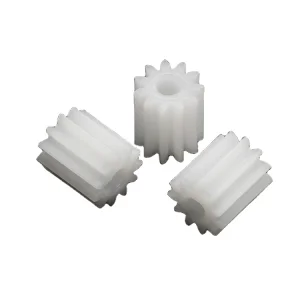
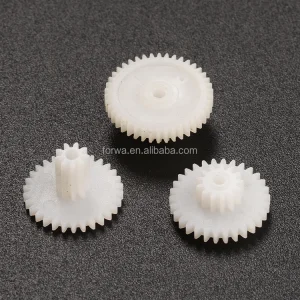
The Paris metropolitan region and the broader Île-de-France area stand as hubs of European industrial design, cutting-edge aerospace engineering, medical automation, and high-performance smart-grid systems. As these sectors undergo massive technological transformations driven by Industry 4.0 paradigms, the demand for hyper-reliable, low-noise, and microscopically precise gear mechanisms has reached an all-time high.
For engineering departments, sourcing procurement, and OEMs operating within the French market, selecting a micro-gear manufacturer goes beyond evaluating product catalog files. It demands partners capable of delivering verified Information Gain through material science innovations, deep manufacturing transparency, and complete compliance validation.
In response to the rigid requirements of French engineering standards, this whitepaper serves as a comprehensive overview of our production methods, technical capabilities, quality control infrastructure, and localization strategies tailored specifically for the Paris industrial sector.
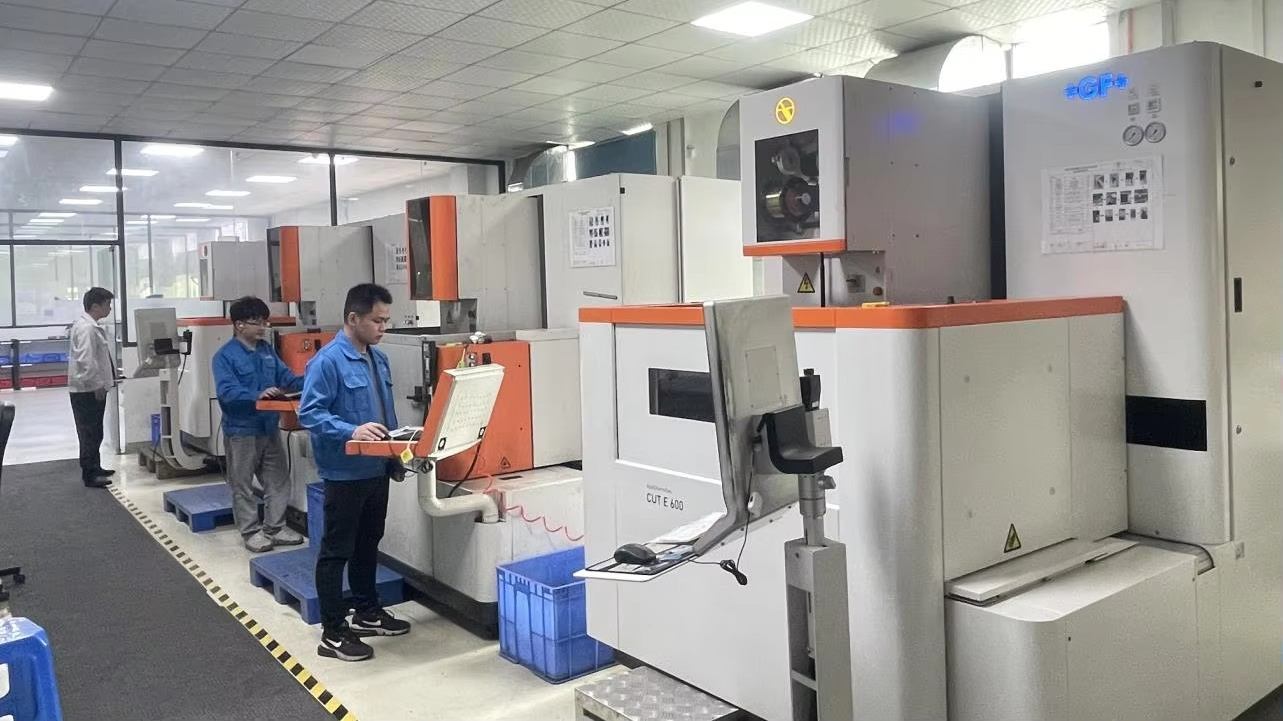
How localization, strict acoustics design, and smart automation shape the performance requirements of gears supplied to Île-de-France.
The industrial architecture of Paris and its surrounding economic zones (such as Paris-Saclay, France's premier innovation cluster) is characterized by high-value, specialized technology companies rather than heavy primary manufacturing. These sectors prioritize high reliability, energy efficiency, and strict acoustic signatures. In urban application scenarios, such as localized smart HVAC dampers, commercial building management systems, and automated retail dispensers, silent gear operations are legally mandated and commercially vital.
Consequently, the sourcing of custom precision gear components has evolved into a strategic engineering partnership. Factories exporting to the French market must satisfy rigorous quality audits, hold comprehensive material data records, and support local delivery and warehousing terms.
These highly customized engineering configurations highlight localized applications and technical specs built to European industry standards.
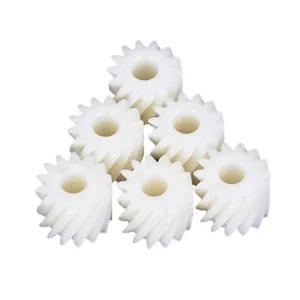
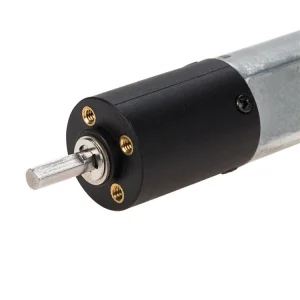
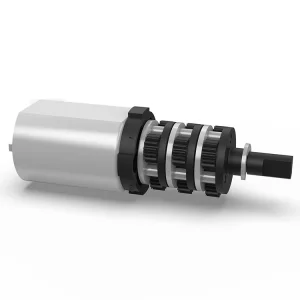
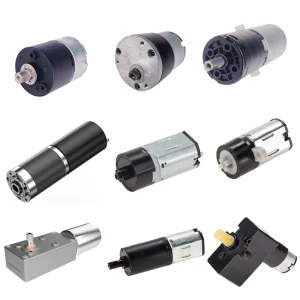
High-speed scaling, precise tooling designs, and systematic quality assurance workflows from TQC Micromotor.
For European companies, sourcing from China's micro-drive manufacturing cluster offers significant cost advantages, rapid prototyping, and unmatched scalability. However, these cost benefits are meaningless without strict quality controls. Our facility mitigates engineering gaps by implementing German VDI and Japanese JIS standards throughout the design, tooling, and inspection phases. The following step-by-step workflow illustrates how we bring micro-gears from concept to delivery under strict compliance:
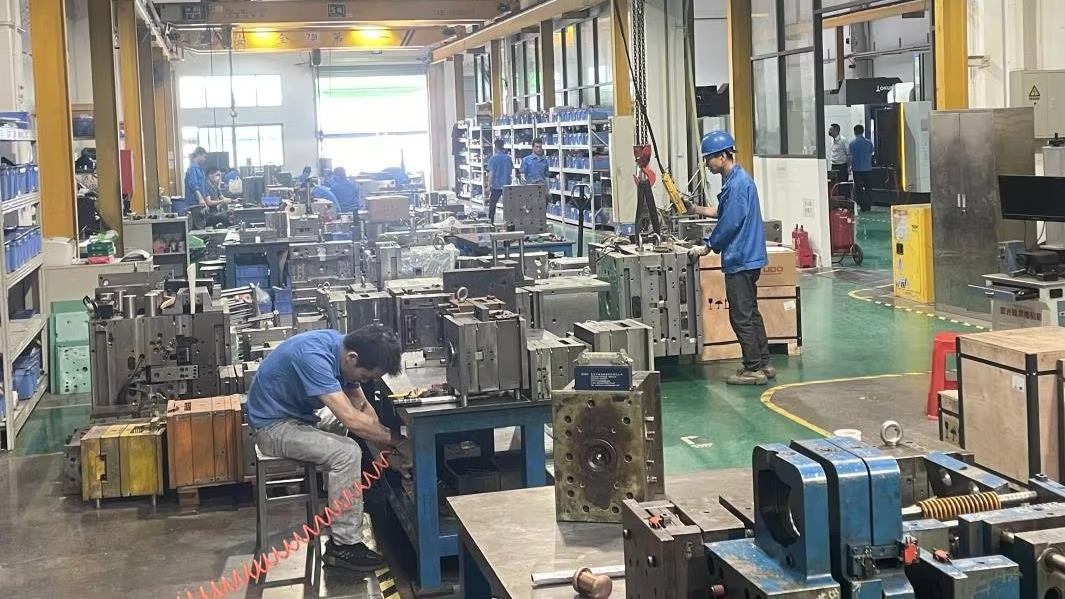
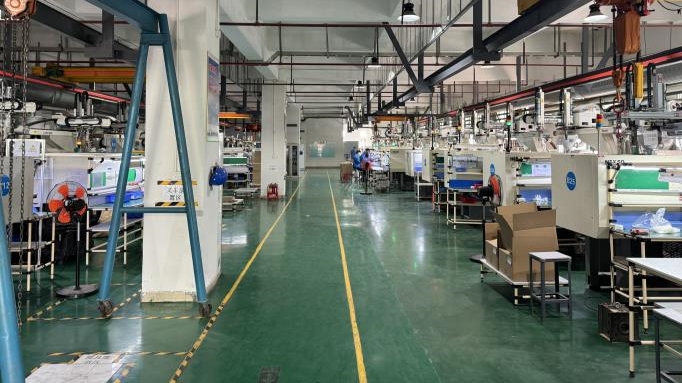
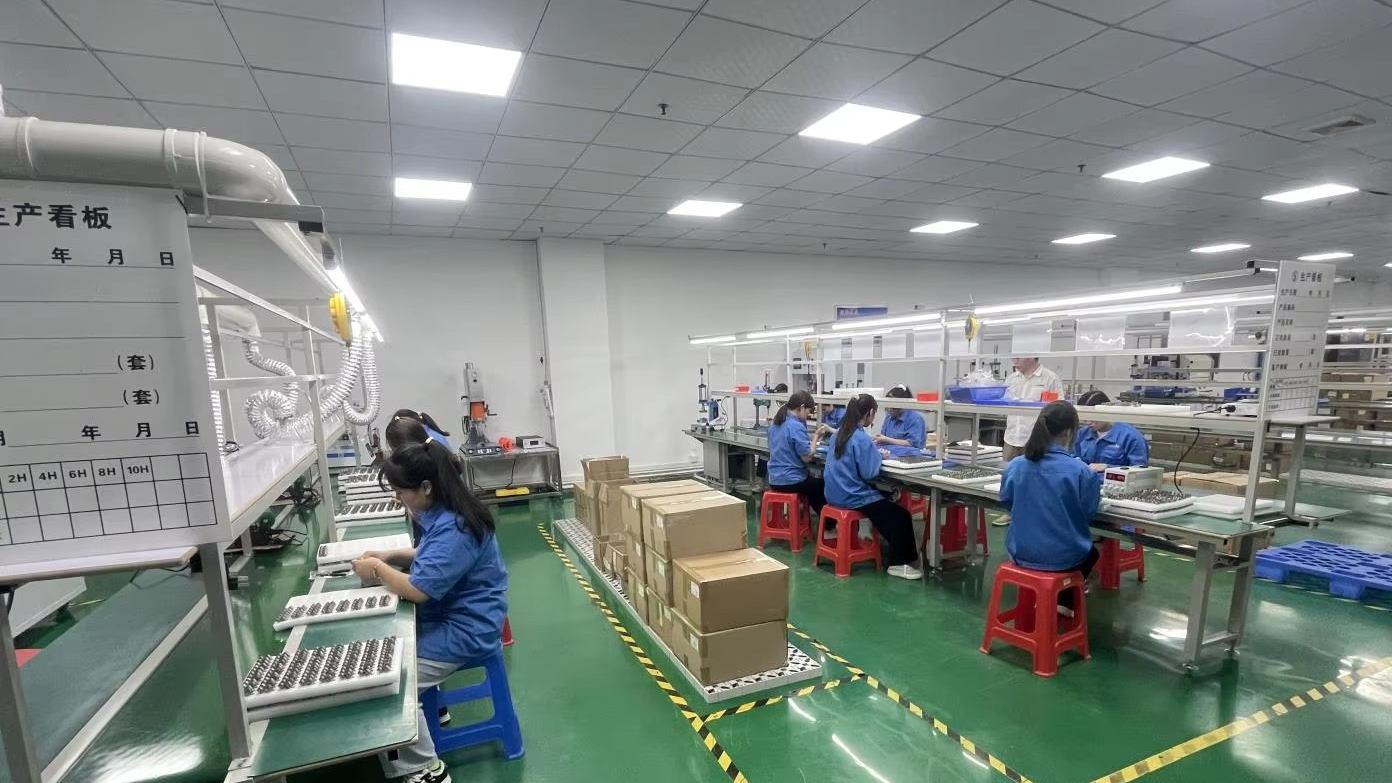
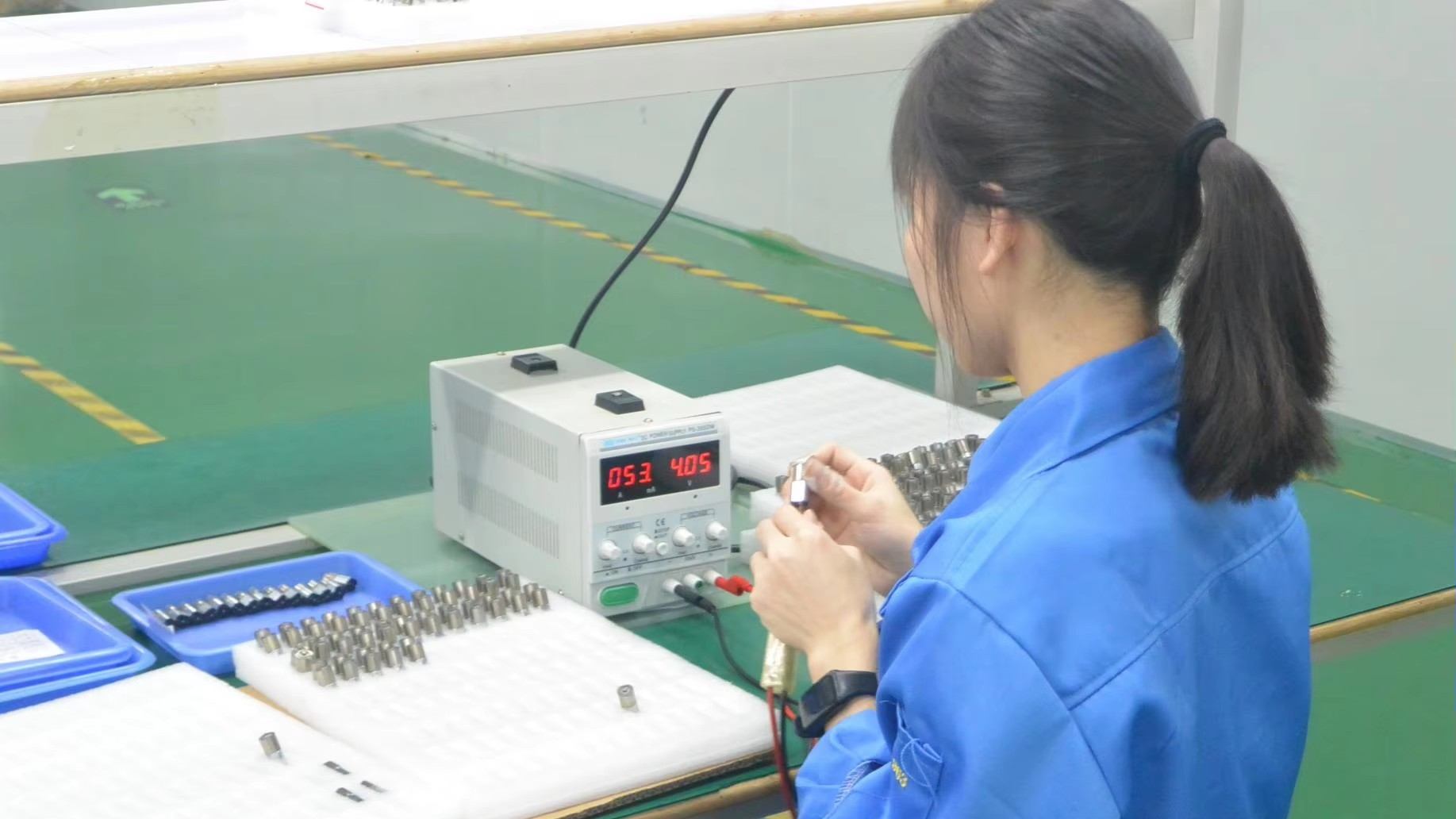
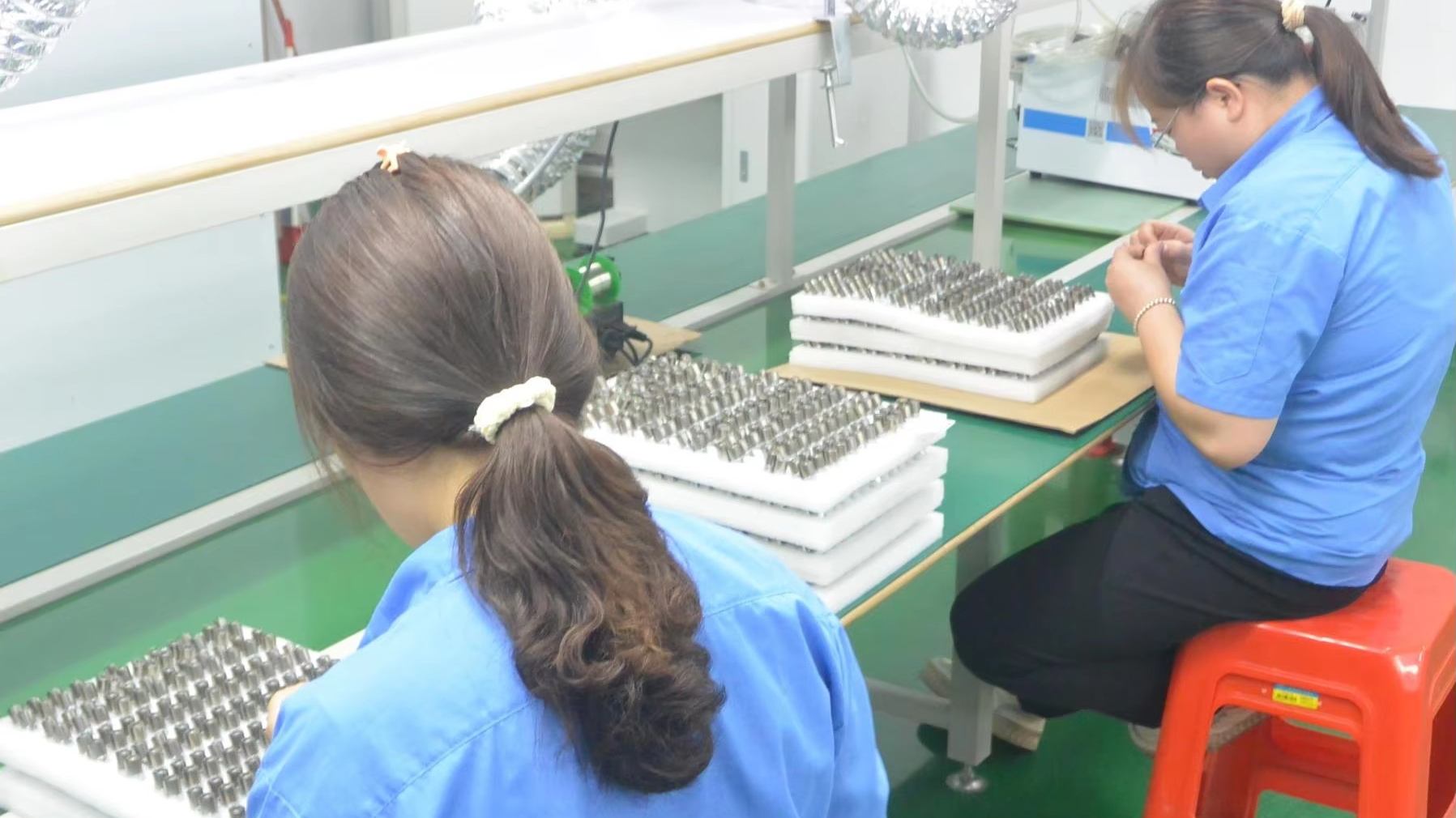
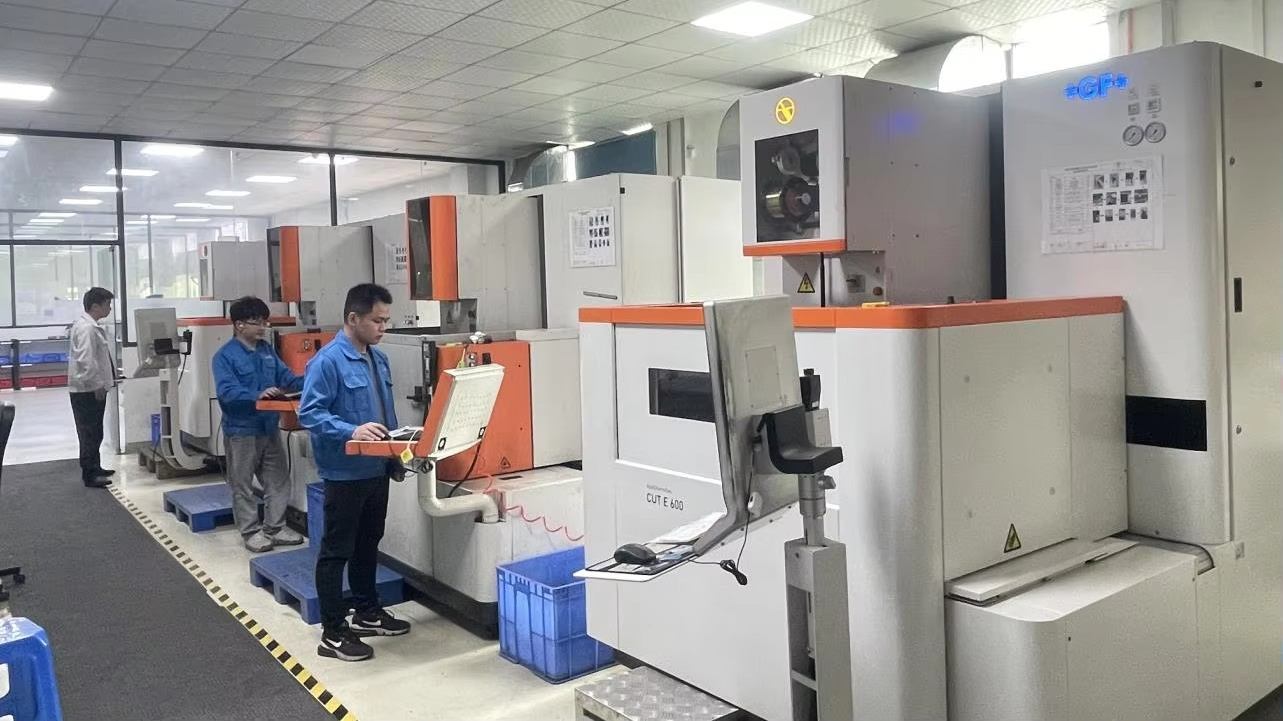
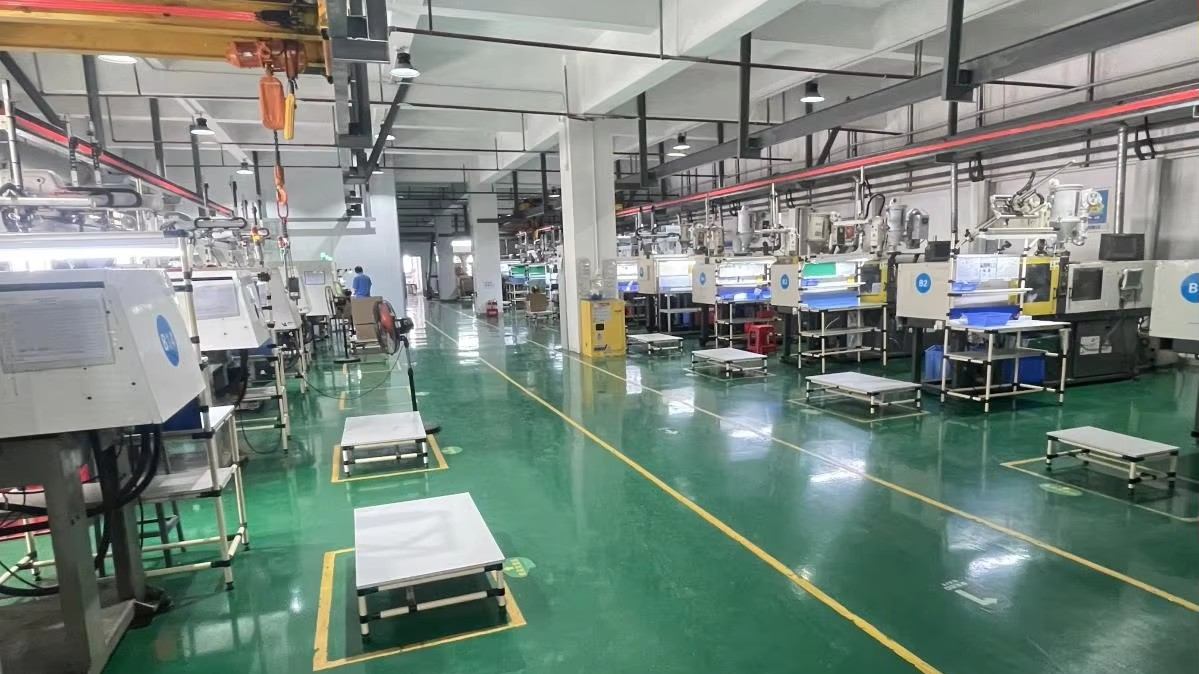
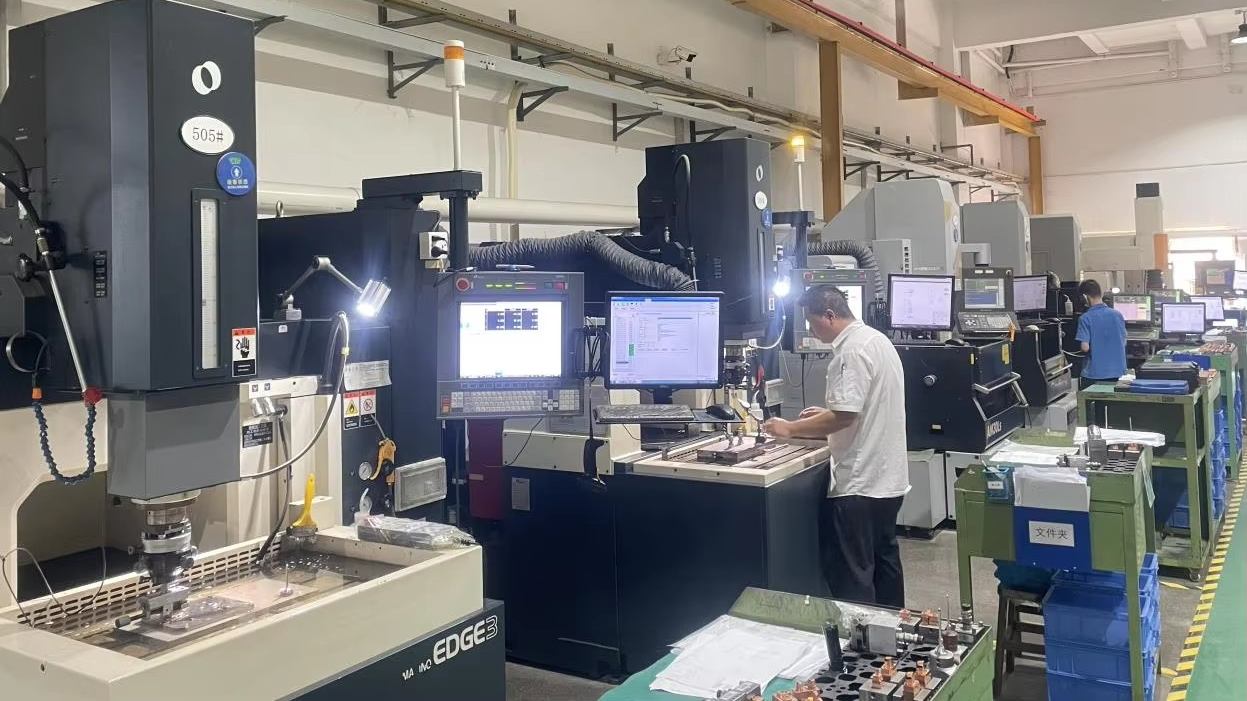
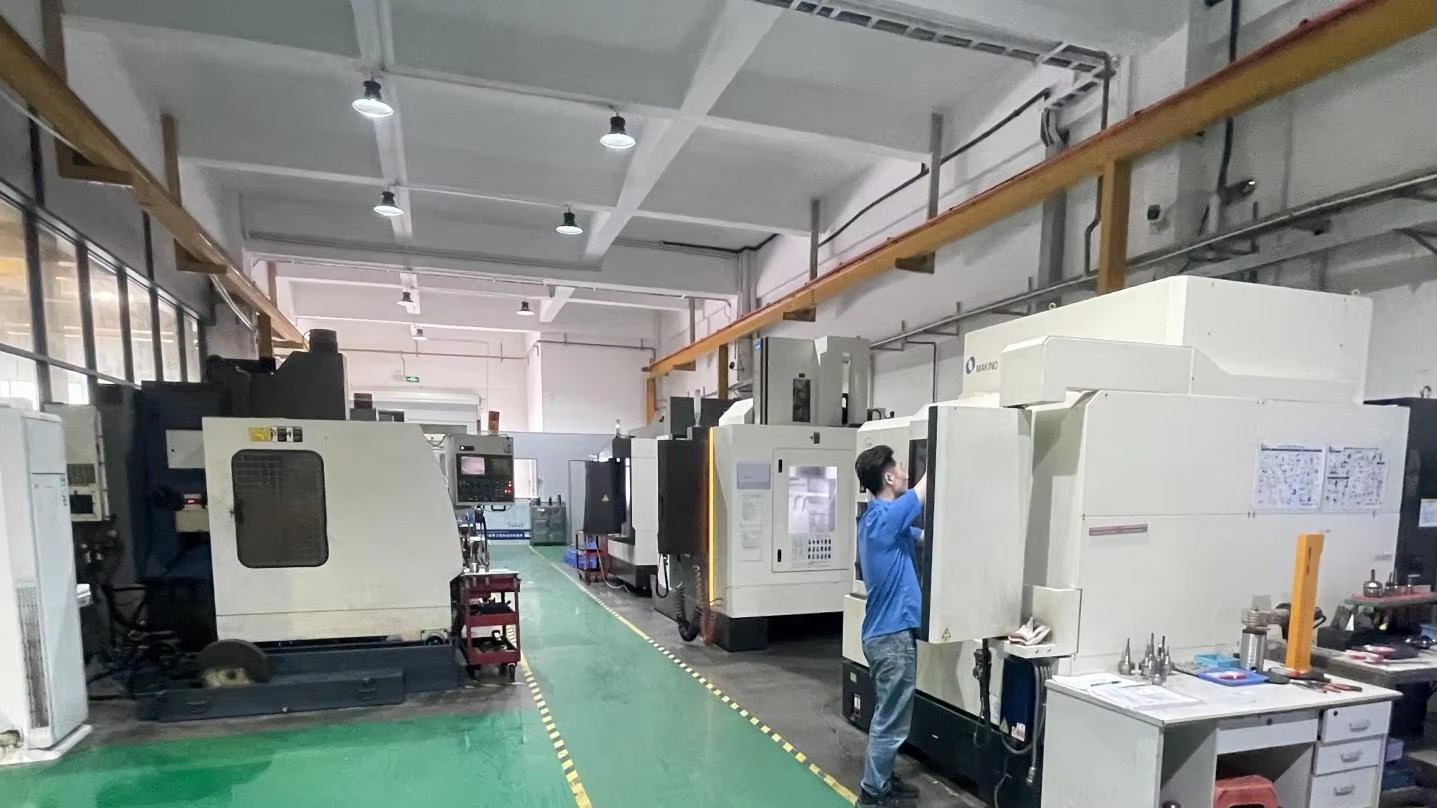
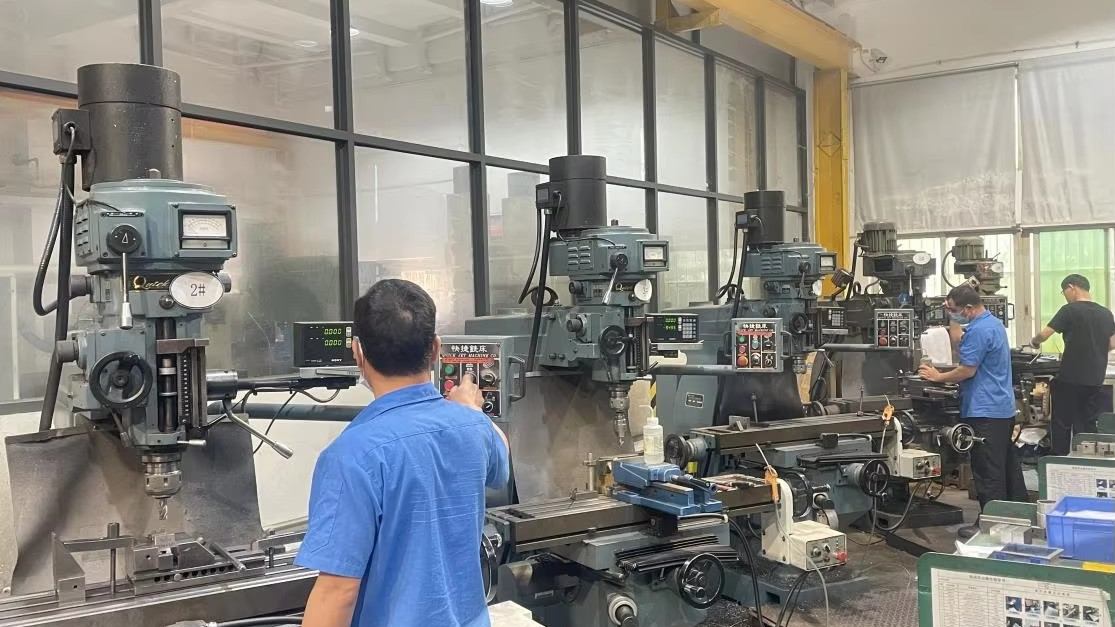
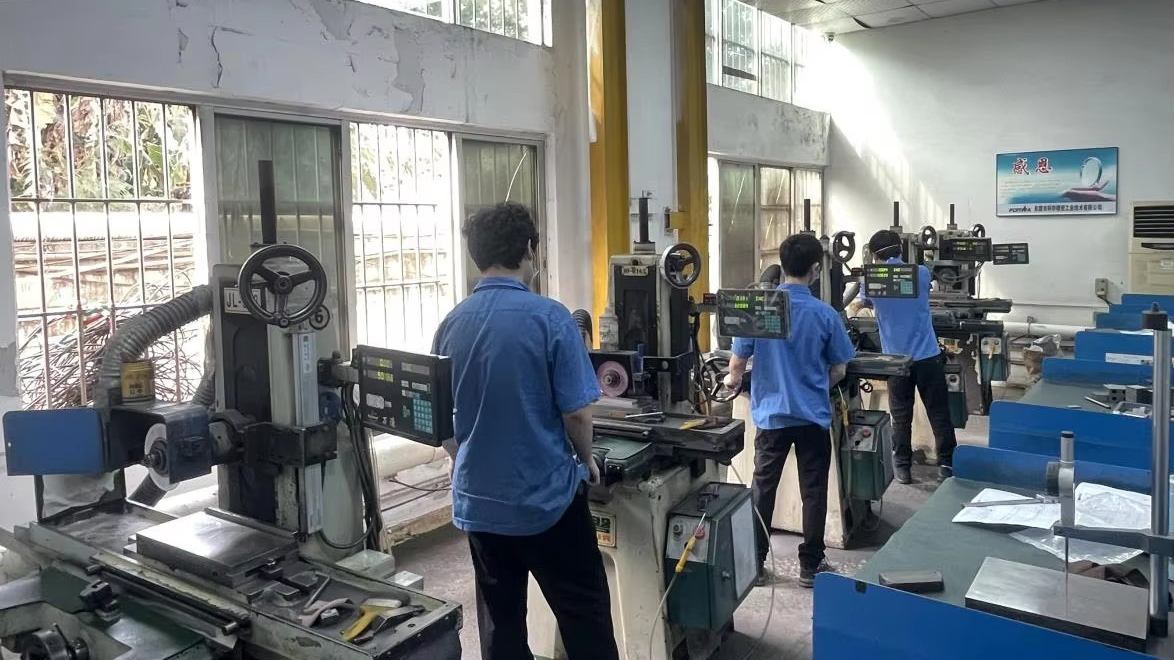
To achieve low-noise and long life cycles, TQC Micromotor utilizes premium coordinate and gear mesh validation technologies.
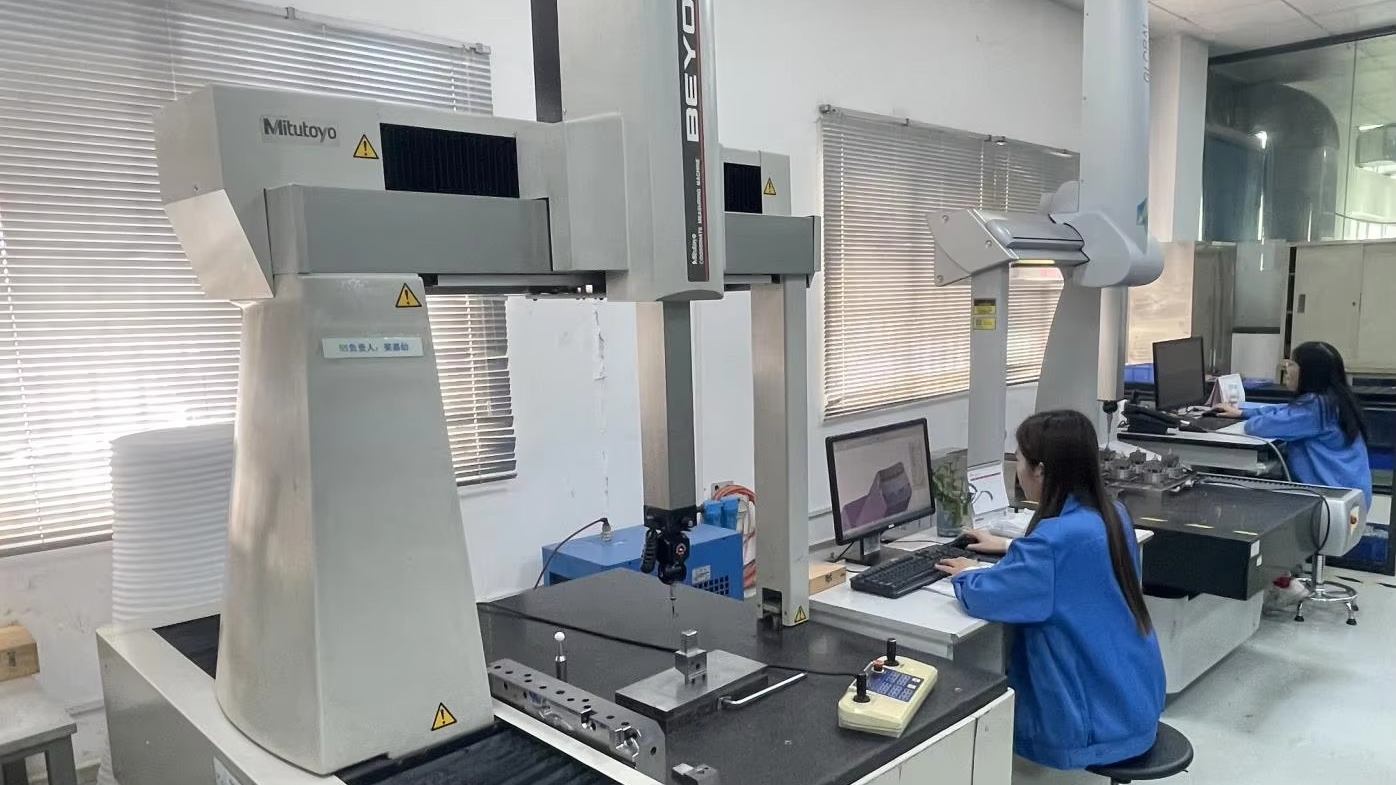
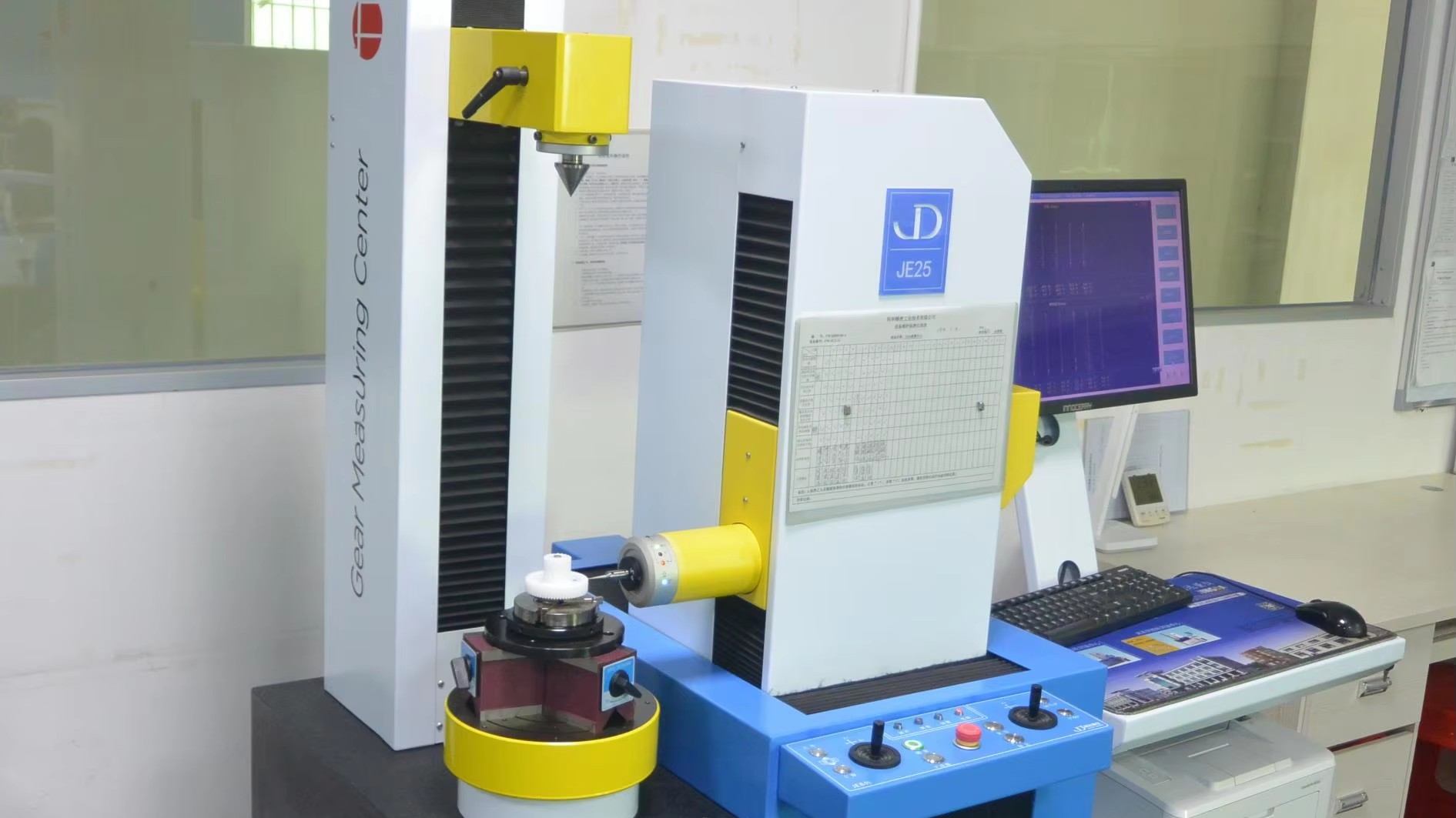
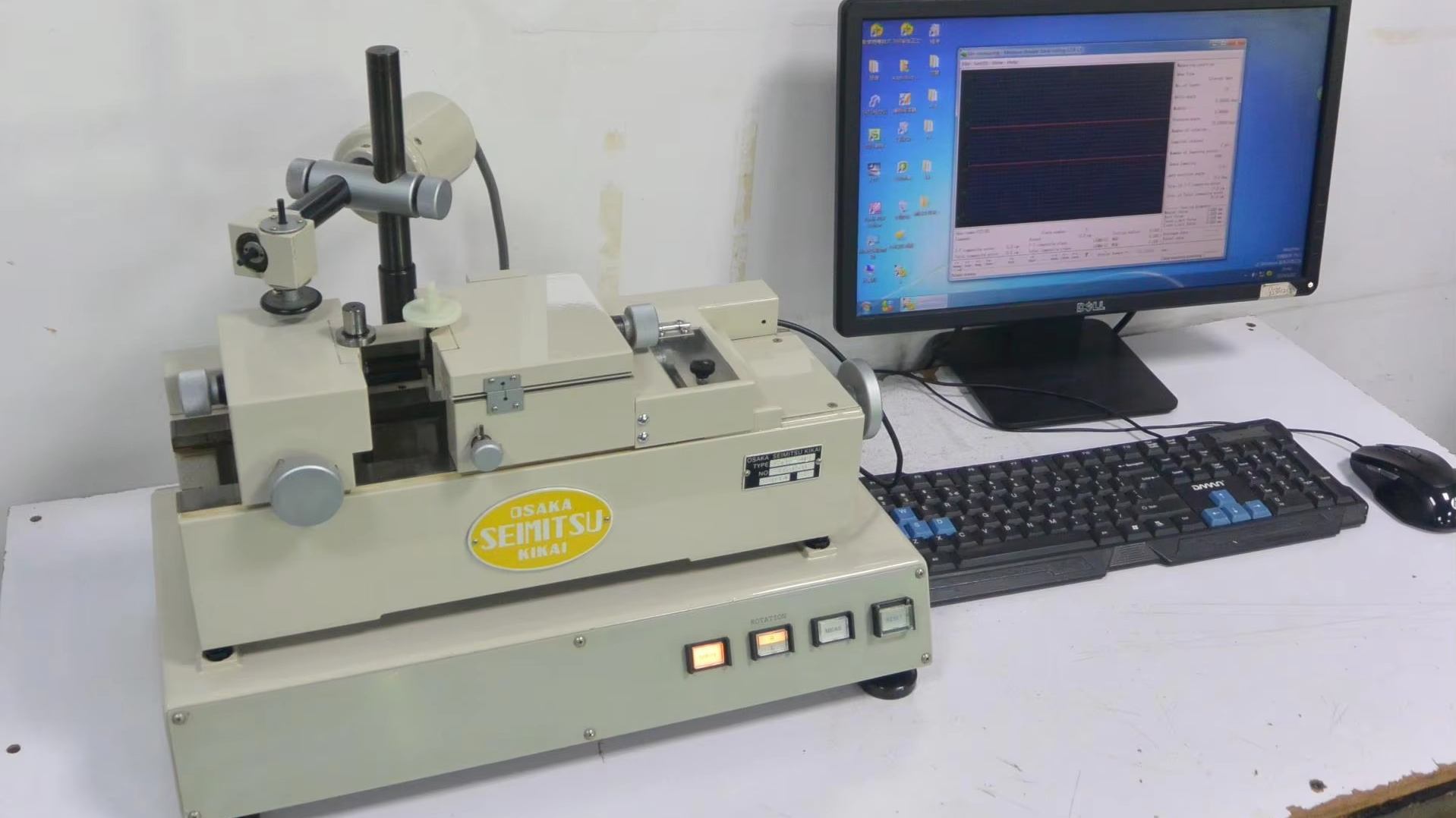

Our quality control program is structured around ISO 9001 and IATF 16949 requirements, allowing us to serve automotive Tier-1 and medical device manufacturers in the European Union. By employing Coordinate Measuring Machines (CMM) and optical Image Measuring Instruments, we verify the dimensional accuracy of complex profiles down to 5 micrometers. With specialized gear testing tools, we verify the pitch error, runout, and gear mesh alignment to ensure our gearboxes run quietly in silent home or office settings.
Importing high-precision components to France involves strict compliance with European safety and environmental standards. TQC Micromotor supports our French customers by handling certifications, Customs declarations, and shipping logistics.
We assign dedicated engineering contacts to each project. They assist during the prototyping phase, perform FEA (Finite Element Analysis) tooth strength simulations, and recommend modifications to accommodate structural shrinkage in high-heat environments.
The technical shift from traditional all-steel gears to high-performance polymers in Europe.
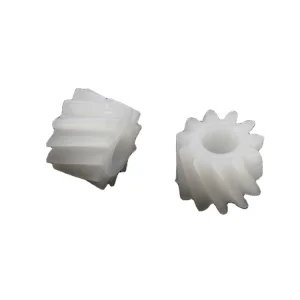
The global precision gear industry is seeing a major shift from heavy, noisy metal gears to advanced engineering polymers and polymer-metal hybrid structures. Historically, all-metal gearboxes were preferred for high-torque applications. However, modern polymer formulations, combined with computer-aided mold construction, allow plastics to handle substantial torque demands.
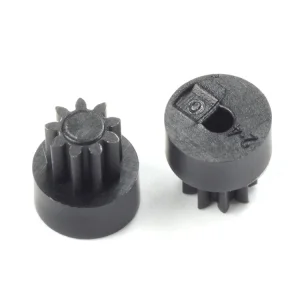
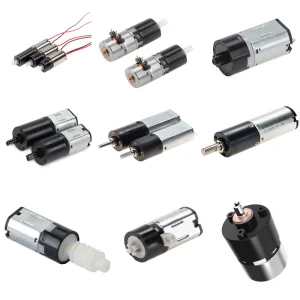
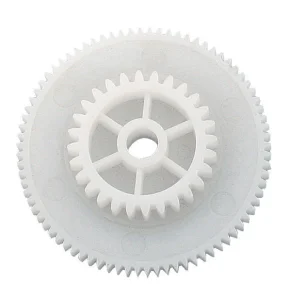
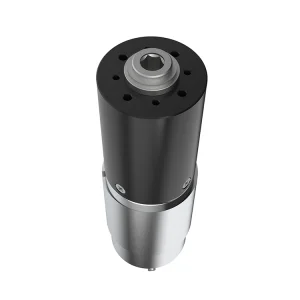
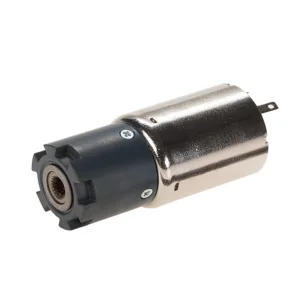
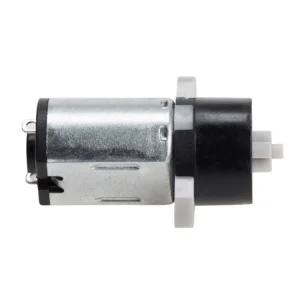
Explore our full line of micro DC gearboxes, customized spur gears, and high-torque window regulator motors engineered to European standards.
Answers to common technical, compliance, and logistics questions from design engineers and procurement departments.
 Stepper Motor