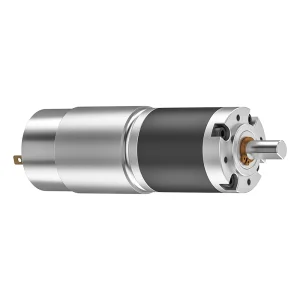
Metal Gear Factories & Precision Manufacturing in Tokyo

High-Precision Micro Gearboxes, Advanced Metallurgy, and Intelligent Drive Systems Engineered for Global Robotic & Industrial Applications.

Send Inquiry Now

Tokyo's Metal Gear Manufacturing & Industrial Ecosystem

A Technical Whitepaper on Precision Gear Design, Metallurgy, and High-Performance Micro-Drives

1. Tokyo's Precision Manufacturing Hub: The Legacy of Ota City and Kanto Clusters

Tokyo remains a global epicenter for high-precision micro-machining and specialized metallurgy. In districts such as Ota City (Ota-ku) and the wider Kanto industrial area, a dense network of specialized workshops, metal gear factories, and material science laboratories collaborate to push the boundaries of mechanical tolerances. Unlike heavy industrial zones that prioritize mass output, Tokyo's metal gear factories specialize in low-volume, high-mix production of gears with tolerances measured in single-digit microns.

These local factories utilize specialized Swiss-type CNC automatic lathes, precision gear hobbing machines, and wire electrical discharge machining (EDM) to produce spur gears, helical gears, and worm gears that meet JIS (Japanese Industrial Standards) Grade 0 or ISO Class 4 requirements. The proximity to advanced research institutes in Tokyo allows these factories to quickly integrate new titanium alloys, sintered metals, and carbon-reinforced engineering plastics into their manufacturing pipelines. This localized expertise forms the foundation for components used in surgical robots, aerospace gimbals, and ultra-quiet consumer devices worldwide.

"The fusion of Japanese craftsmanship (Monozukuri) with high-efficiency supply chains allows global enterprises to deploy micro-gear systems that run quieter, last longer, and handle higher torque densities than standard commercial components."

2. Technical Specifications & Material Science in Micro-Gear Engineering

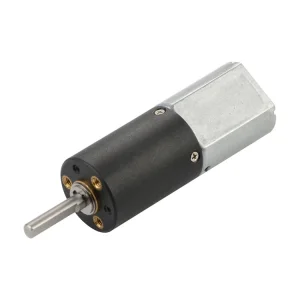
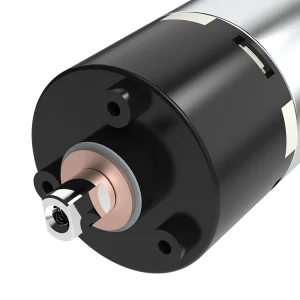
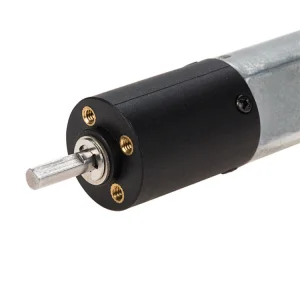
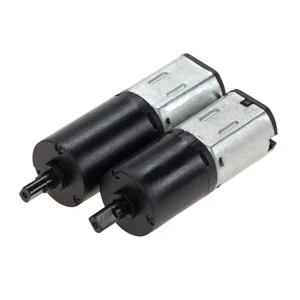
Designing gearboxes with diameters below 30mm requires a deep understanding of metallurgy and tribology. At TQC Micromotor, we bridge the theoretical design standards of Tokyo's engineering firms with scalable production capabilities. High-precision gearboxes must combat key failure modes such as tooth pitting, bending fatigue, and thermal expansion mismatch.

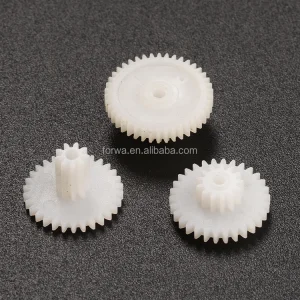
For metal gears, materials like stainless steel (SUS303/SUS304), carbon steel (S45C), and chrome-molybdenum steel (SCM415) undergo precise heat treatments—such as case hardening, nitriding, or carbonitriding—to achieve surface hardnesses exceeding 60 HRC while maintaining a tough, ductile core. For applications requiring lightweight performance or low acoustic signatures, engineering polymers like Polyoxymethylene (POM), Nylon 66, and PEEK are selected. The integration of metal pinions with plastic output gears often provides the optimal balance between high torque transfer and dampening qualities.

< 3 µm
Machining Tolerance
JIS Grade 0
Gear Accuracy Class
> 60 HRC
Surface Hardness
ISO 13485
Quality Standard

3. Global Procurement Trends and OEM/ODM Integration

B2B procurement teams from North America, Europe, and Asia-Pacific face unique challenges when sourcing miniature gear motors. Supply chain resilience, consistency of mass-manufactured lots, and compliance with environmental directives (RoHS, REACH, Conflict Minerals) are non-negotiable. Many procurement managers seek a "hybrid" sourcing strategy: leveraging the design methodologies, precision tolerances, and quality control paradigms of Tokyo engineering while manufacturing at high-efficiency facilities in mainland China to optimize cost structures.

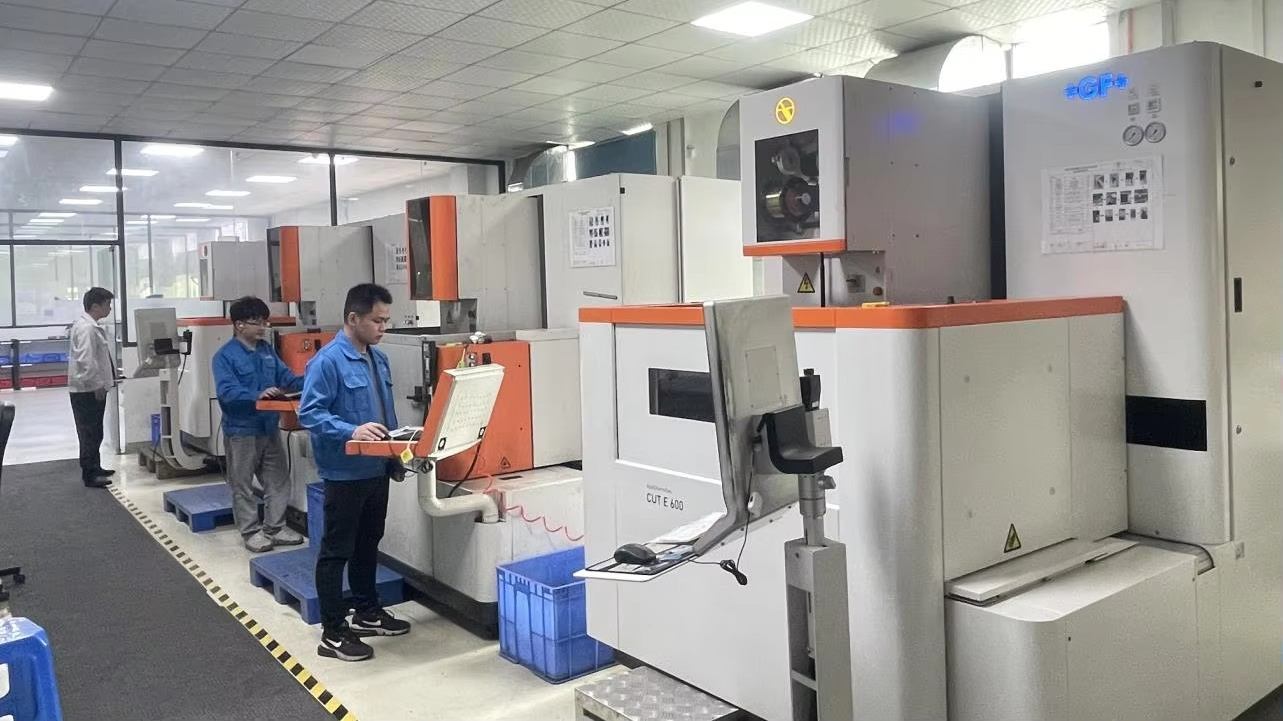
TQC Micromotor operates directly within this hybrid model. By maintaining advanced Chinese manufacturing facilities equipped with Slow Wire cut EDM machines, high-speed CNC milling systems, and Japanese-made coordinate measuring machines (CMM), we provide Western and Japanese clients with the structural integrity of high-end manufacturing at highly competitive price points. This reduces total cost of ownership (TCO) without sacrificing quality metrics like backlash, torque capacity, or operating lifetime.
Advanced Manufacturing & Quality Assurance Processes

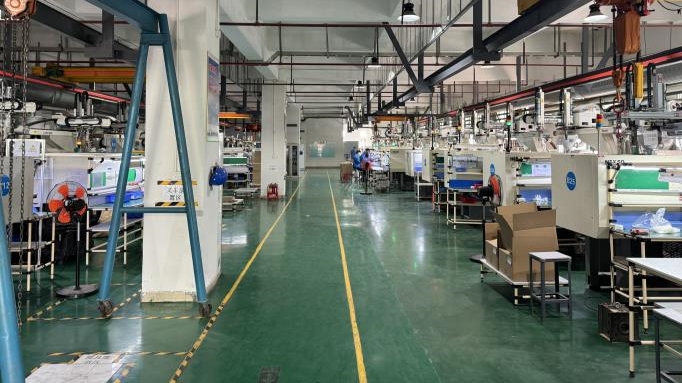
From die-making to automated testing: How TQC Micromotor ensures micron-level precision

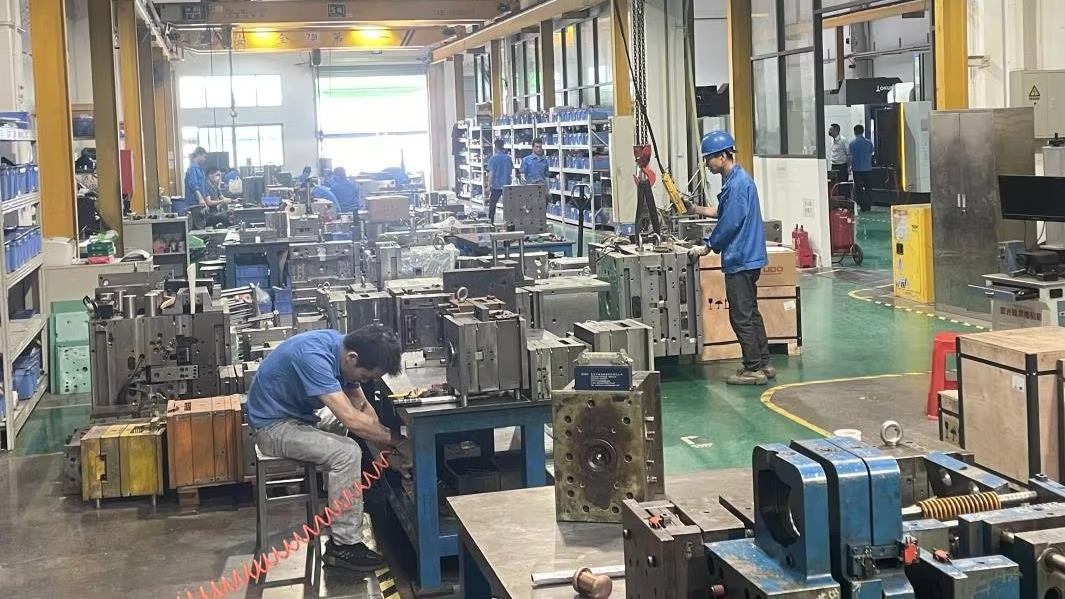
Die Parts Processing

Utilizing high-precision tooling and metallurgical grinding to construct core die components under strict temperature control.

Mold Making
Mold Making

Developing micro-module gear molds with optimized shrinkage factors to ensure perfect gear tooth geometry during injection.

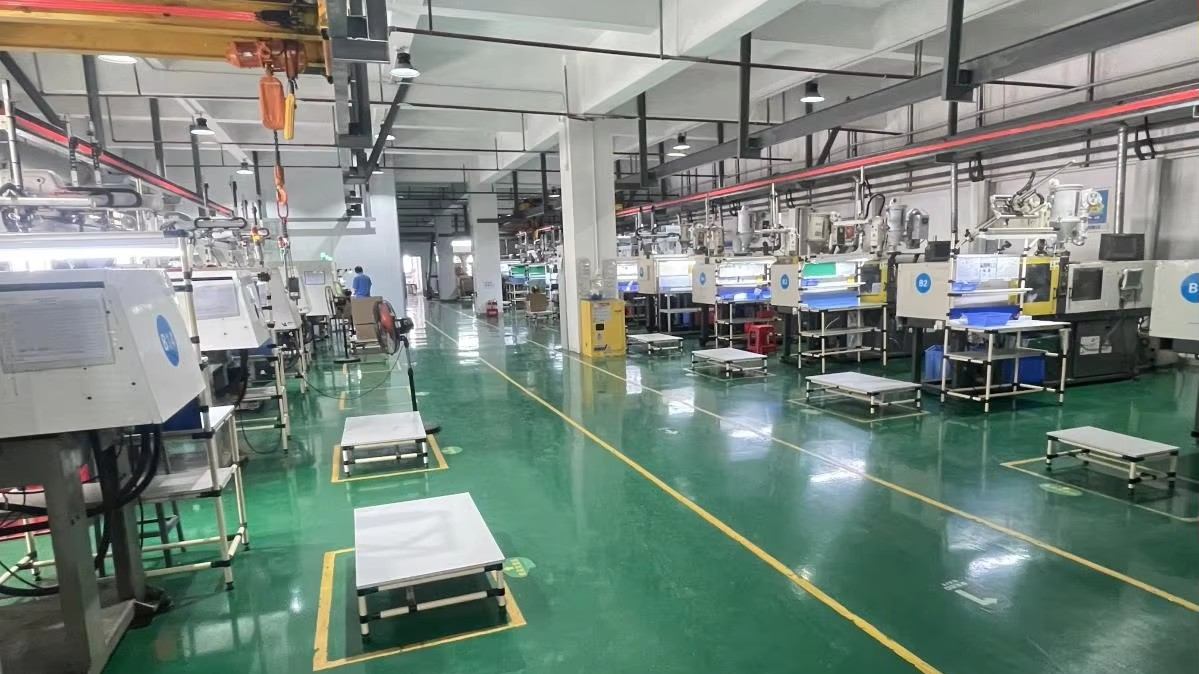
Injection Molding
Injection Molding

Processing advanced engineering polymers (POM, Nylon, PEEK) using ultra-precise micro-injection moulding machinery.

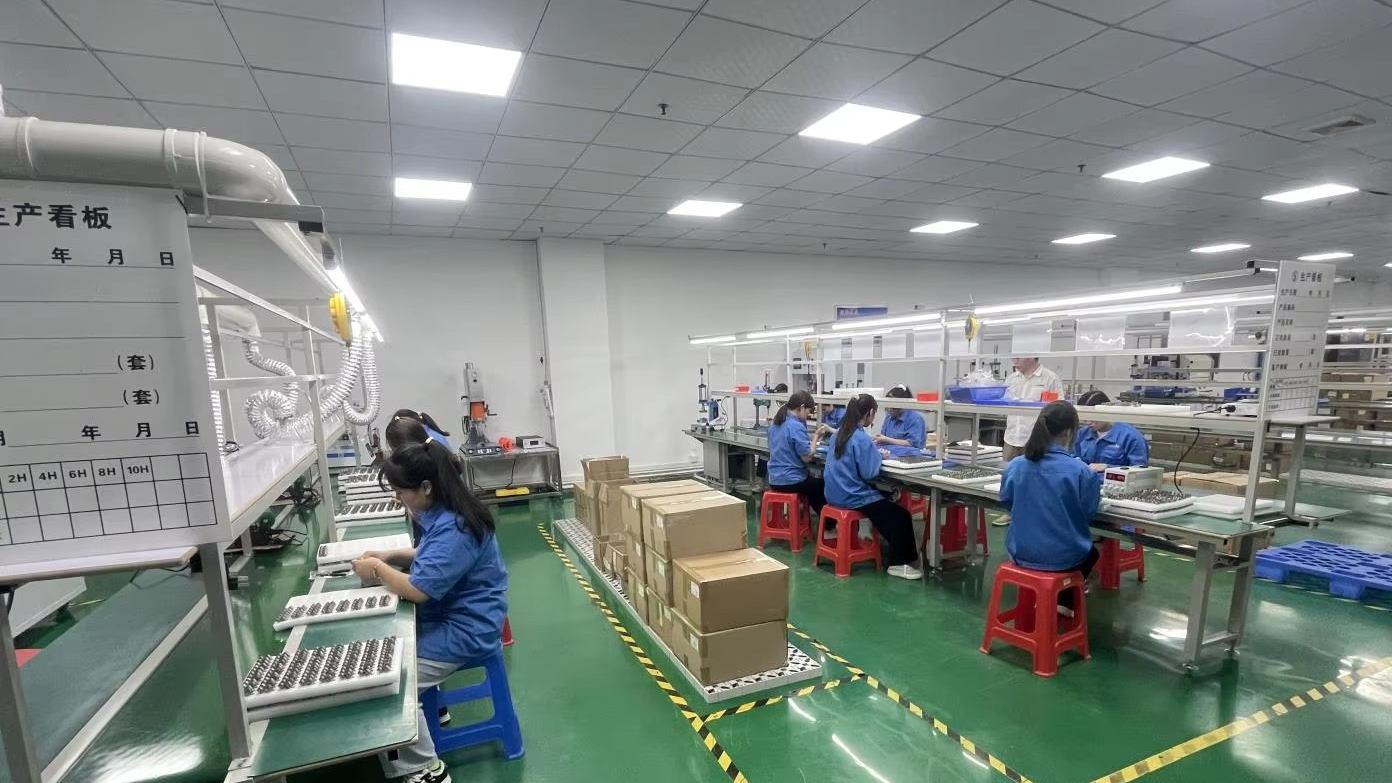
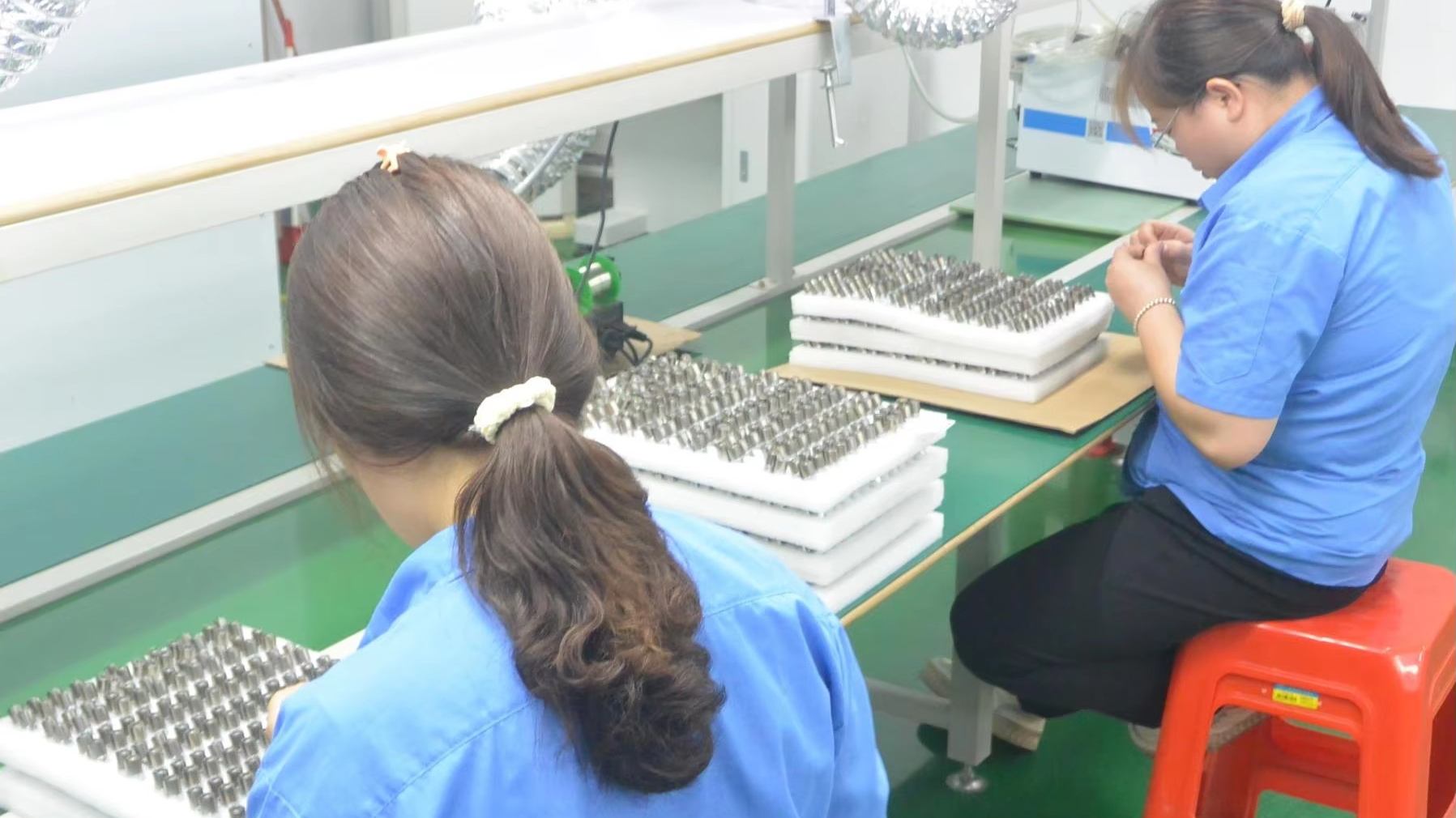
Assemble
Assemble

Semi-automated and cleanroom manual assembly stages where planetary gear stages, carrier plates, and pinions are integrated.

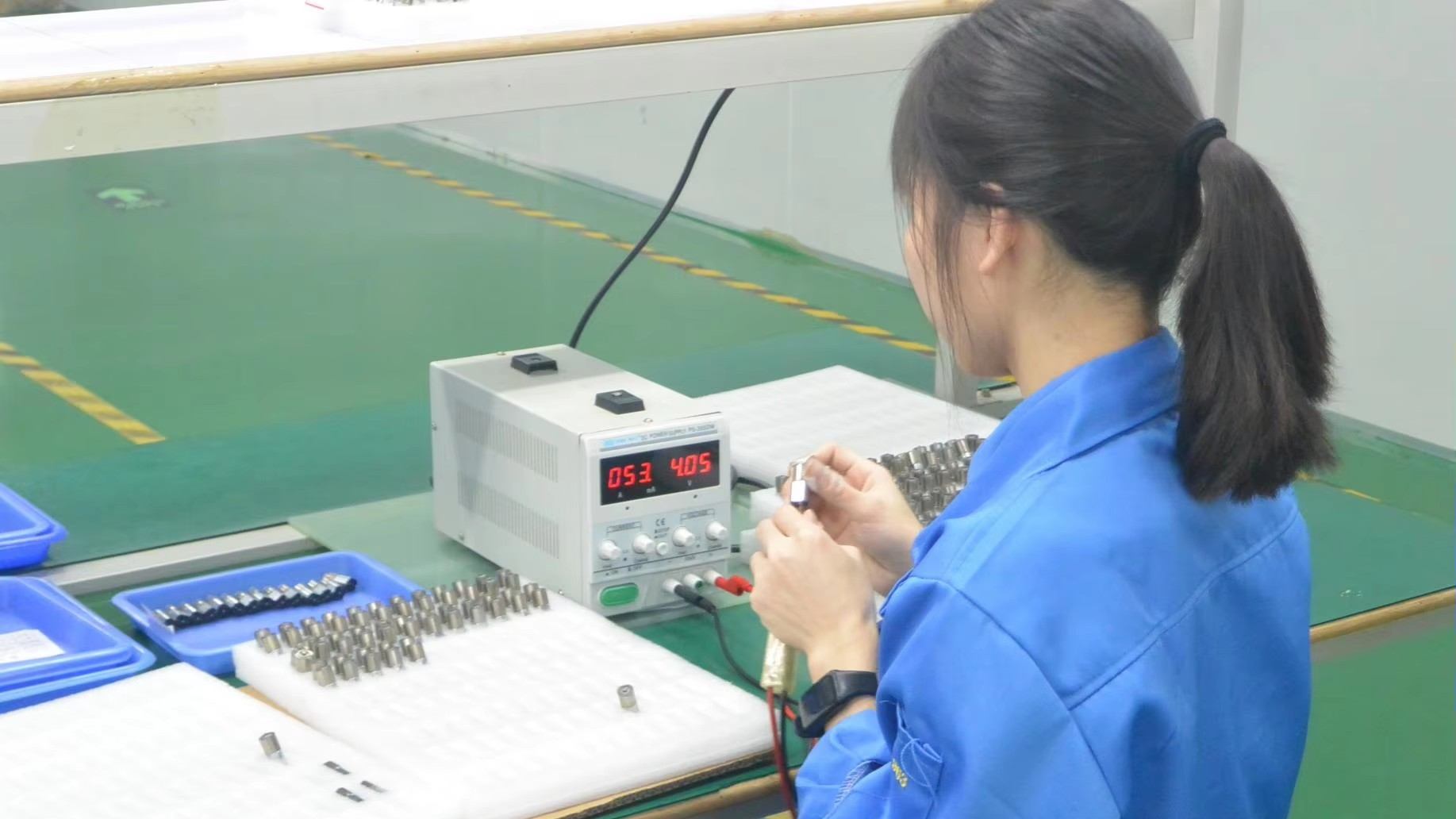
Testing
Testing & Verification

Rigorous functional testing including run-out, back-emf, starting voltage, noise levels, and load torque analysis.

Package
Package

Anti-static, shock-absorbing vacuum packaging to protect fine tooth structures and shafts from corrosion during international shipping.

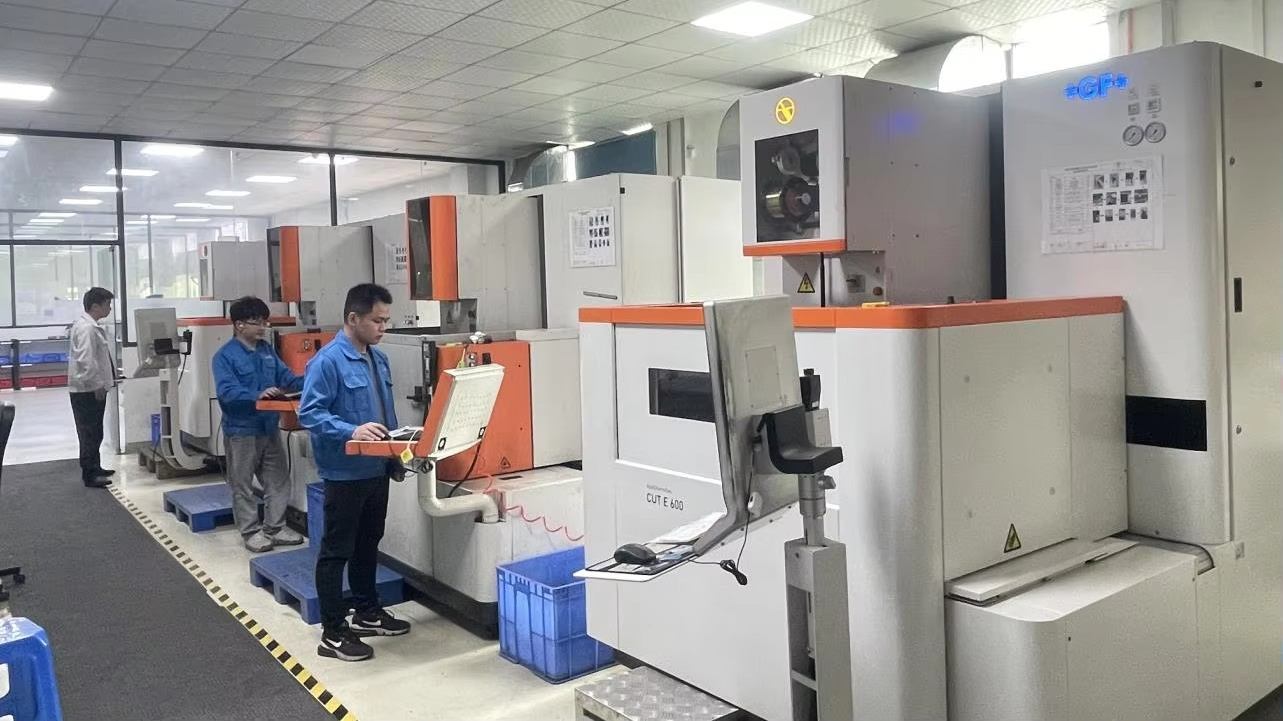
Slow Wire Machine
Slow Wire EDM

Ultra-precise wire electrical discharge machining achieving sub-micron accuracy for gear profile cutting.

Injection Molding Machine
Precision Injection Machines

Closed-loop controlled molding systems that regulate injection pressure and temperature profiles precisely.

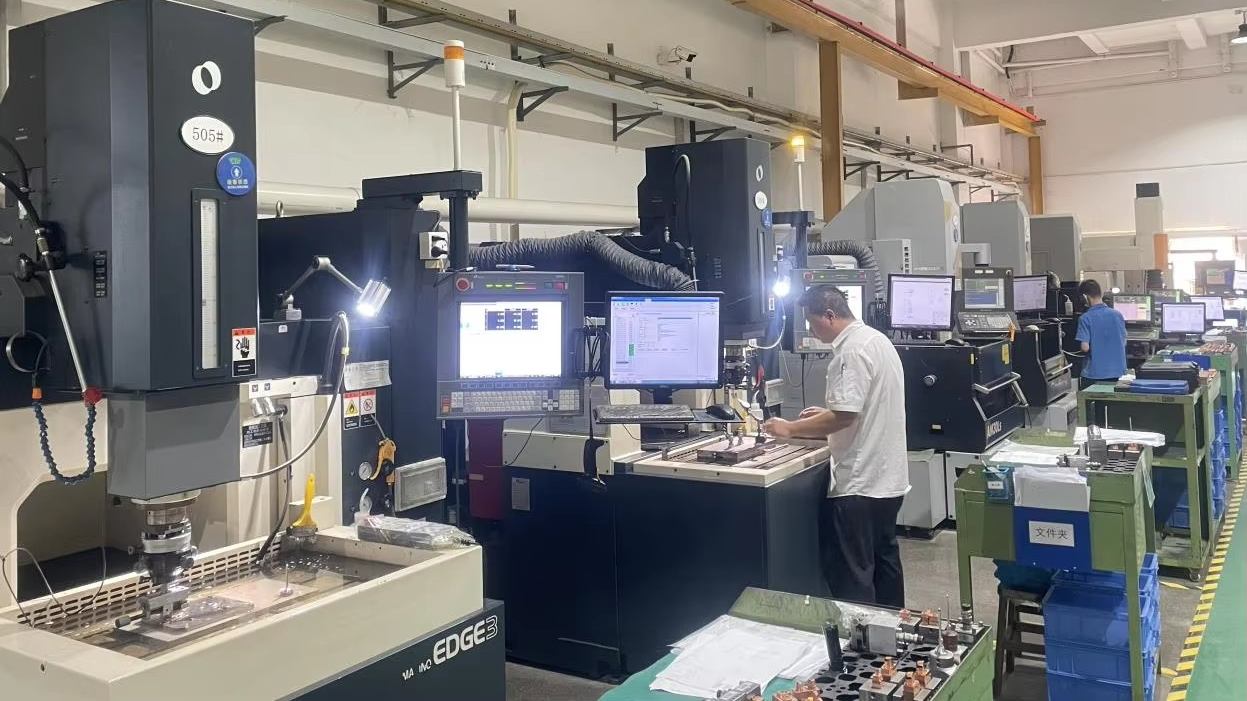
EDM
EDM Machining

Die-sinking electrical discharge machining used to create complex internal geometries and blind-hole keyways.

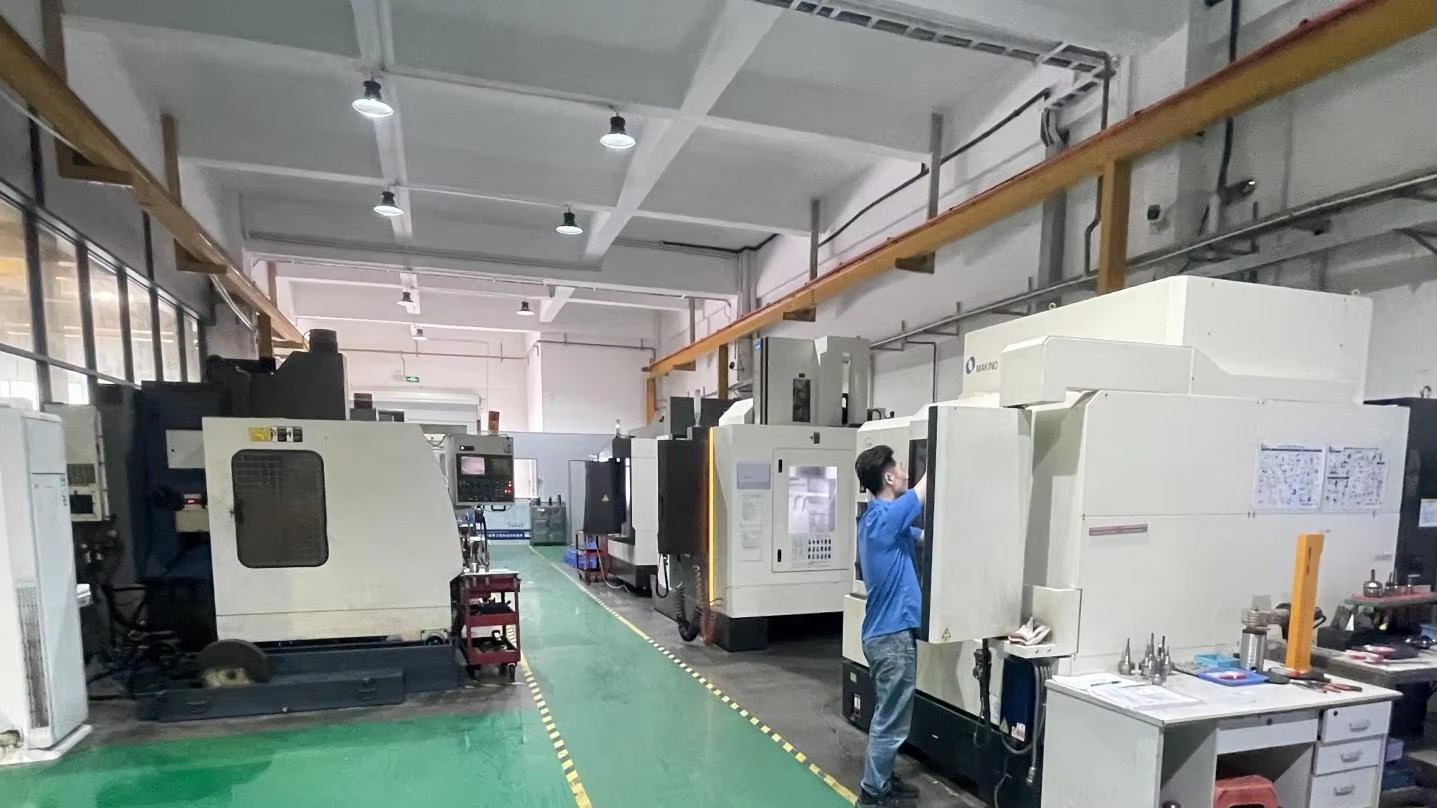
CNC
CNC Machining Centers

Multi-axis computerized numerical control systems for rapid prototyping and high-precision milling of gear housings.

Milling Machine
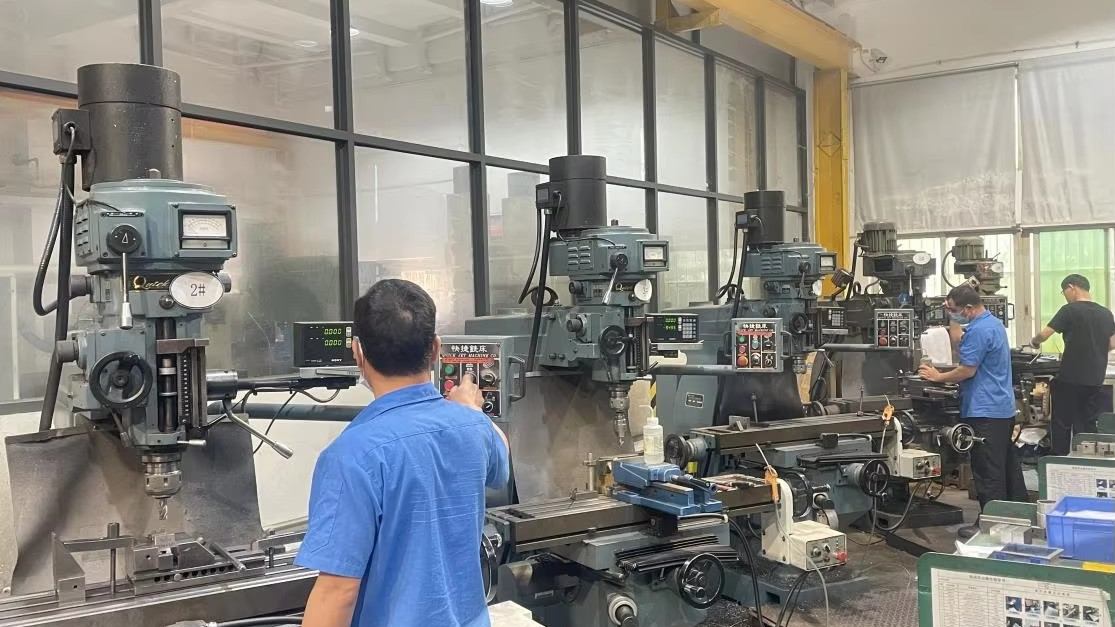
Milling Machines

Versatile mechanical milling setups handling high-accuracy roughing and finishing operations on structural plates.

Grinding Machine
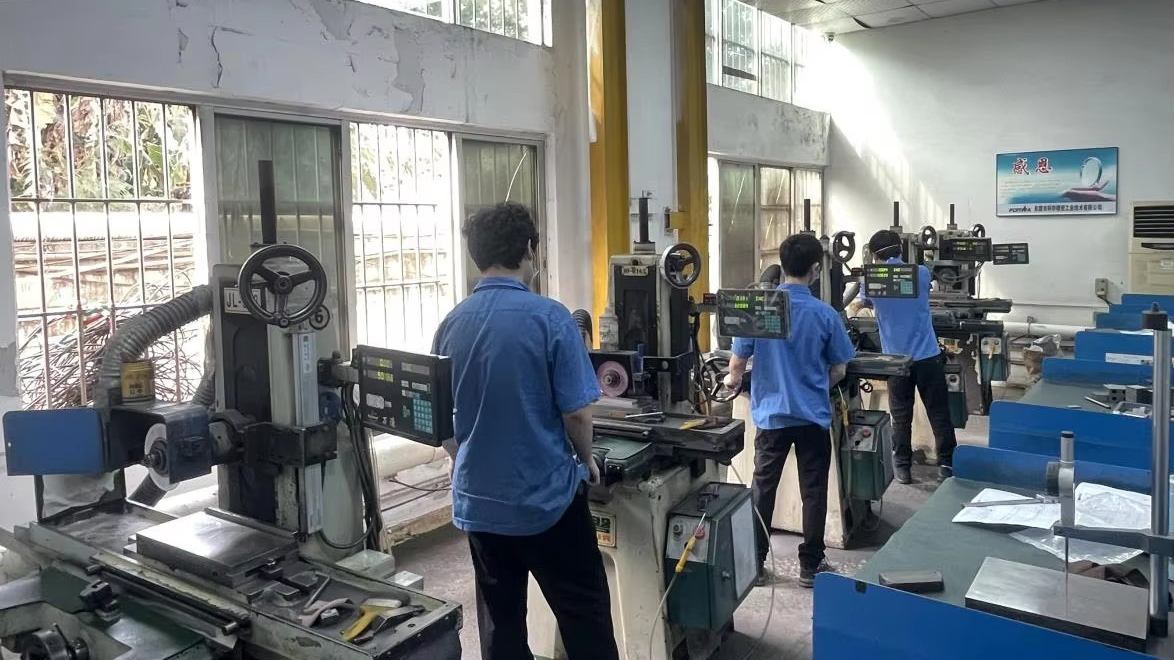
Grinding Machines

Rotary and surface grinding processes ensuring flat mating surfaces to prevent internal gearbox oil leakage.

Coordinate Measuring Machine
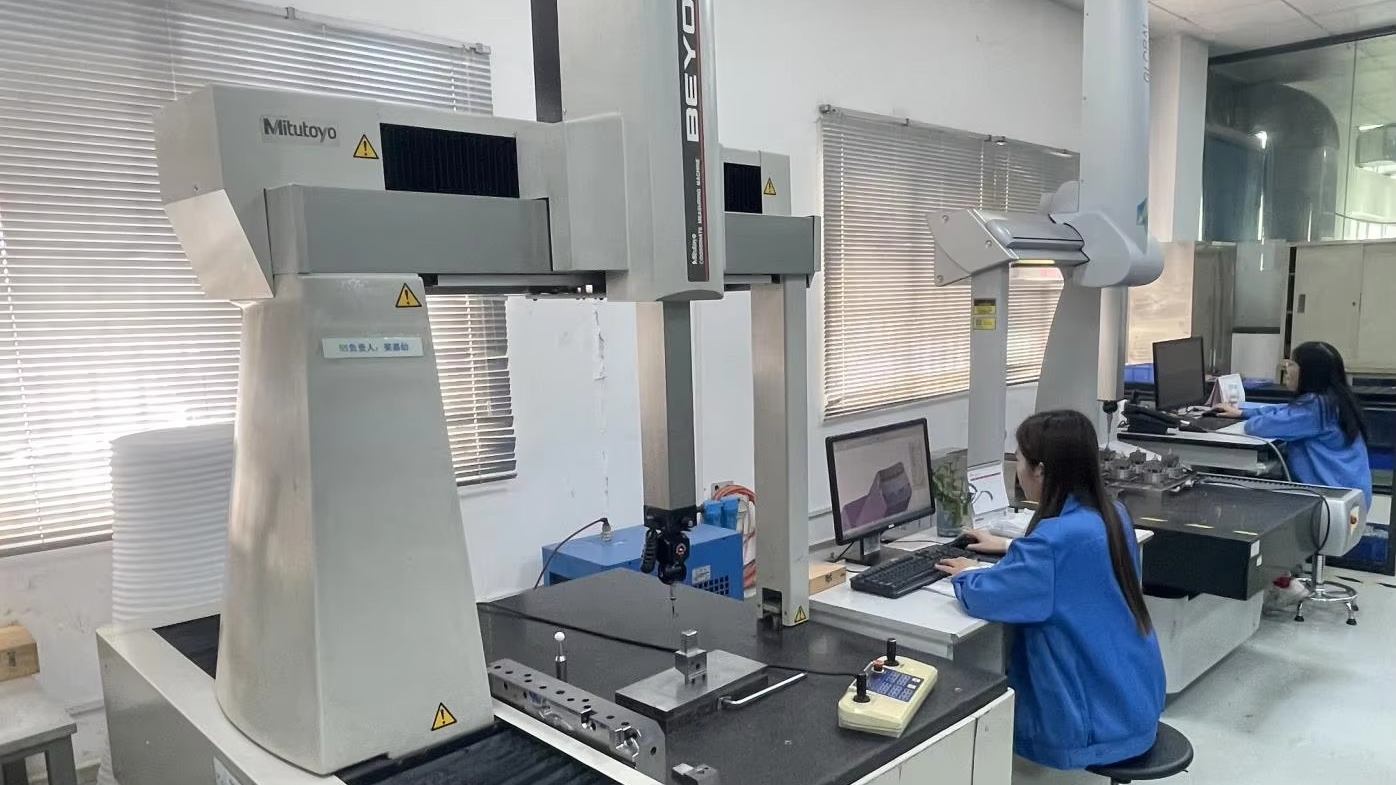
Coordinate Measuring Machine (CMM)

Providing 3D spatial measurements to verify dimensional tolerances against digital CAD blueprints.

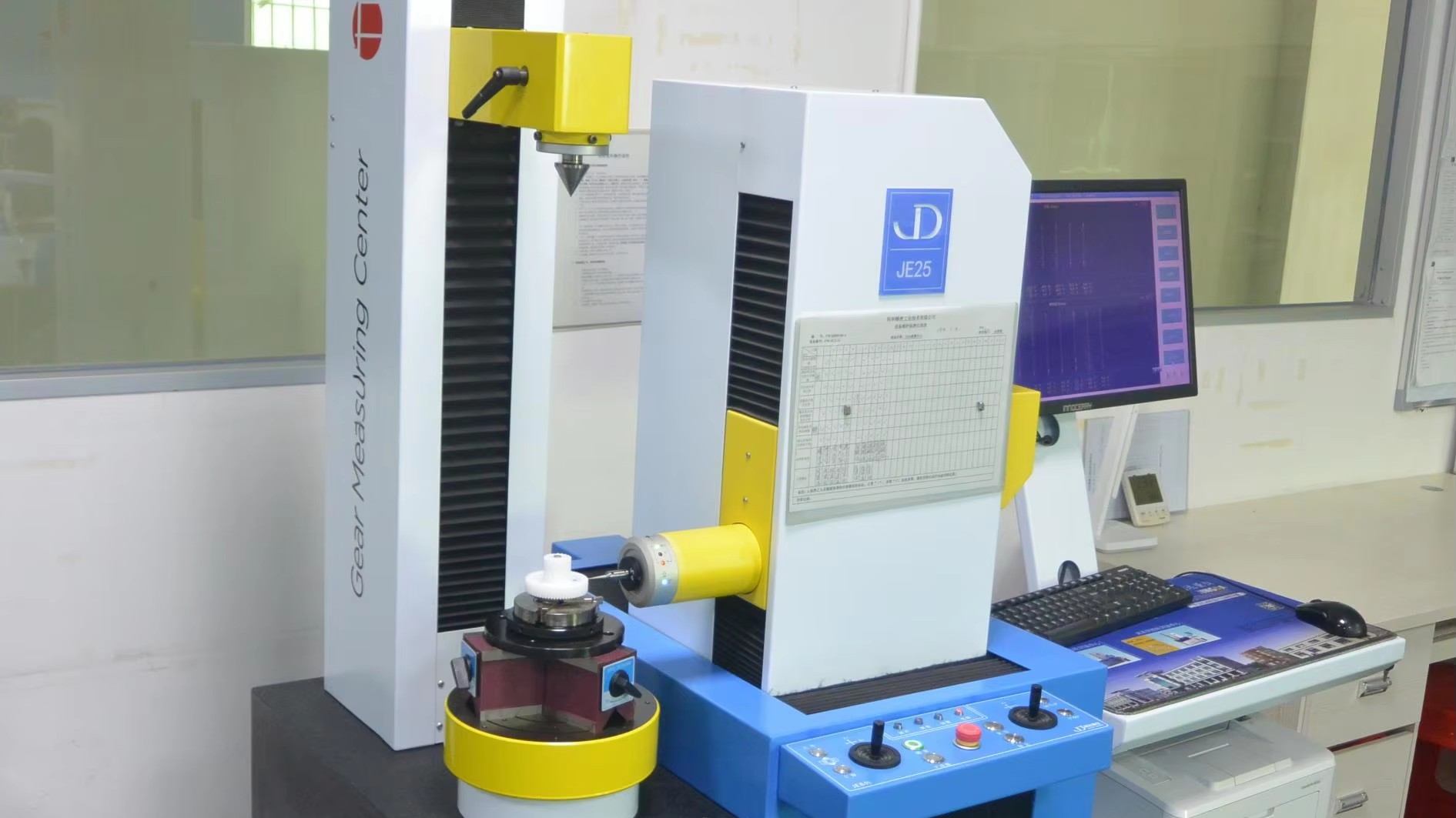
JE25 Measurement Center

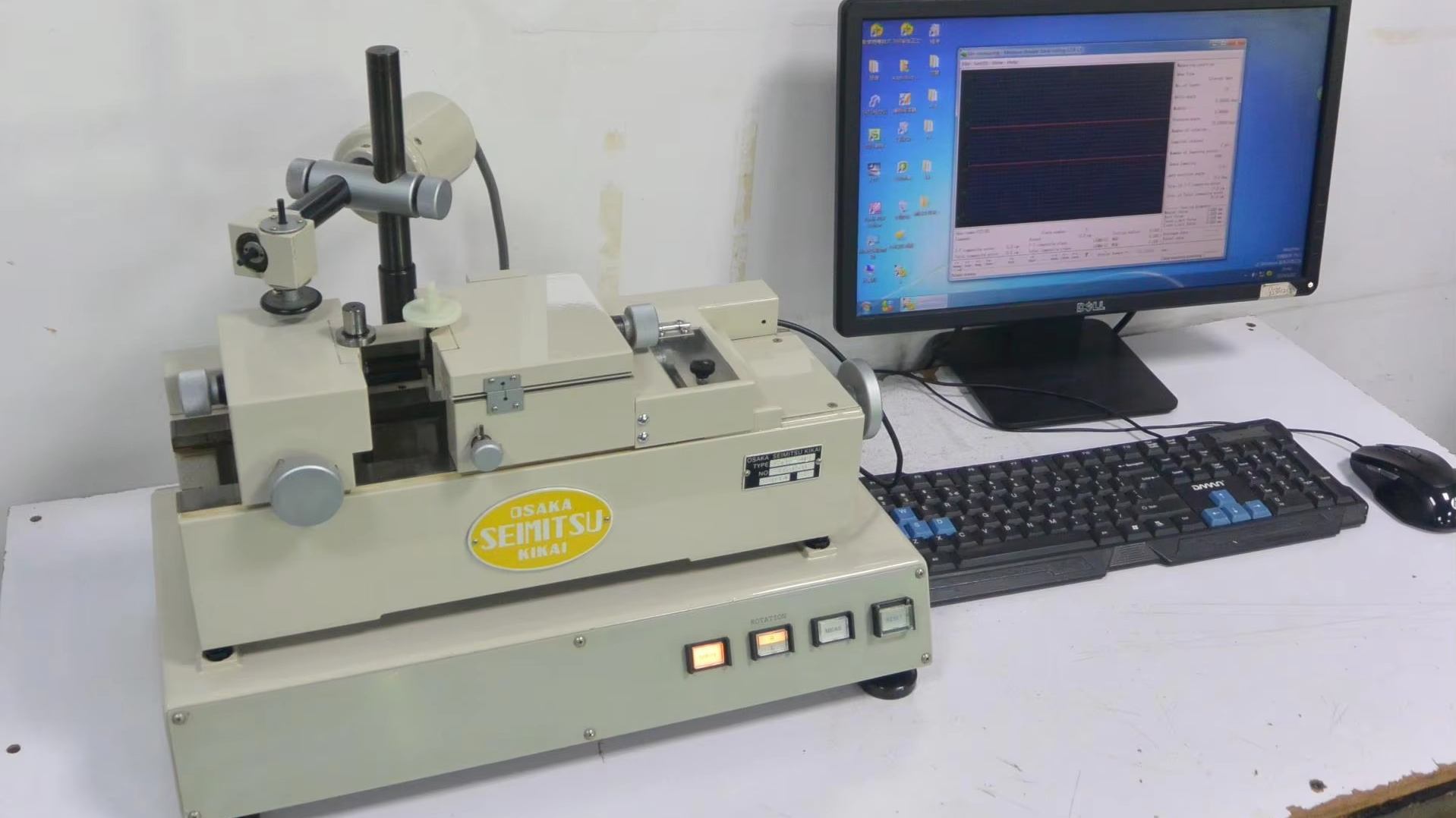
Specialized gear inspection hardware measuring lead errors, pitch deviation, and concentricity metrics.

Gear Meshing Instrument

Dynamically tracking composite errors, backlash values, and rotational smoothness under rolling conditions.

Image Measuring Instrument

Non-contact optical inspection system for checking micro-gear tooth edges and contours down to micron levels.

4. Modern Trends: The Evolution of Micro-Planetary Gear Systems

As automation drives toward miniaturization, the demands placed on planetary gearbox systems have shifted. Modern planetary systems must deliver high torque density without increasing physical footprint. In Tokyo's academic and industrial R&D circles, researchers are focusing heavily on micro-module gear designs (modulus < 0.2). At this scale, even minute surface imperfections can cause significant friction losses and localized wear.

To combat this, factories are turning to advanced simulation techniques (FEA - Finite Element Analysis) to optimize the tooth profile (involute vs. cycloidal). Dynamic tooth modification (crowning) is applied to ensure uniform load distribution across the face width of the gears, even under shaft misalignment. Additionally, internal ring gears are increasingly manufactured directly within outer housings to maximize structural stiffness and minimize cumulative assembly error.

5. Industrial Applications: Medical, Aerospace & Robotics

The applications for micro-gear motors have expanded beyond consumer electronics into high-liability sectors:

  • Medical Robotics: Surgical end-effectors, orthopedic drivers, and active implants require autoclave-compatible gear motors. These systems must utilize biocompatible materials, special high-temperature lubricants, and sealings that resist ingress from bodily fluids and sterilizing agents.
  • Aerospace & Defense: UAV actuator systems, camera gimbals, and satellite antenna positioning drives must operate reliably in vacuum conditions and wide temperature spans (-40°C to +85°C). Here, dry-film lubricants (such as Molybdenum Disulfide) and custom metal gear trains are mandatory.
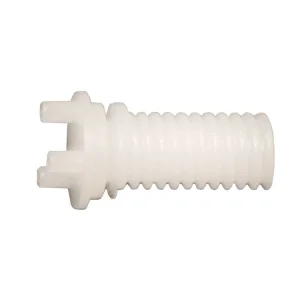
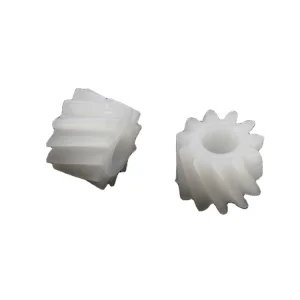
  • Smart Home & IoT: High-end smart locks, automated valves, and electronic blinds demand high torque combined with near-silent operation. The strategic blending of helical plastic gears with metal outputs offers the ideal performance profile for these spaces.

Frequently Asked Questions (FAQ)

Technical answers to common engineering and sourcing questions regarding metal gear systems

What are the main advantages of planetary gearboxes over spur gearboxes in micro-drives?
Planetary gearboxes distribute the torque load across multiple planet gears simultaneously, allowing them to transmit significantly higher torque densities than a spur gearbox of the same physical size. They also provide excellent co-axial alignment (the input and output shafts are on the same line), resulting in a more compact installation envelope, higher torsional stiffness, and lower backlash.
How does TQC Micromotor control the acoustic noise levels of its gear motors?
Noise reduction is achieved through several factors: optimizing gear profile geometries (using helical gears where possible), maintaining high concentricity tolerances between the motor pinion and the planetary carrier, selecting sound-dampening engineering plastics (like POM or PA66) for high-speed input stages, and applying synthetic lubricants specifically formulated for micro-gearboxes.
Which materials are recommended for surgical and medical-grade orthopedic handle drives?
For surgical orthopedic devices, we typically utilize case-hardened stainless steel (such as SUS420 or SUS440C) for components subjected to high loads to ensure high corrosion resistance and high wear resistance under autoclave sterilization. The gear housings are hermetically sealed and lubricated with FDA-approved, biocompatible synthetic greases.
Can you customize shaft profiles and mounting flanges for existing systems?
Yes. Driven by our "Top Quality & Customization" philosophy, we support complete OEM/ODM modifications, including D-cut, splined, or threaded output shafts, custom gear ratios, custom mounting patterns, and specialized wiring harnesses to integrate directly into your design envelope.

Ready to Integrate Precision into Your Micro-Drives?

Contact TQC Micromotor today. Our engineering staff is standing by to evaluate your planetary gearbox requirements, provide custom torque calculations, and supply high-precision samples for your testing phases.

Send Inquiry Now