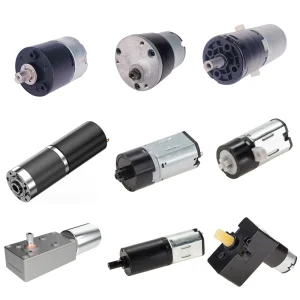
Austria stands as a cornerstone of high-tech manufacturing and mechanical engineering in Central Europe. The country’s industrial clusters—spanning Upper Austria's mechatronics networks, Styria's advanced automotive valley, and Vienna's rapidly expanding biomedical technology hubs—rely heavily on ultra-precise mechanical sub-assemblies. As European smart manufacturing evolves toward decentralized automation, the requirement for dependable, high-efficiency micro-gear systems has accelerated significantly.
Our analysis indicates that Austrian machine construction (Maschinenbau) firms demand components that seamlessly merge precision, micro-dimension footprints, and extreme lifecycle resilience. Driven by strict regional energy efficiency guidelines (EU Ecodesign requirements) and demanding operating criteria, local developers are shifting away from oversized standard components. They are opting instead for customized transmission assemblies that match their application envelopes perfectly, minimizing friction and energy loss.
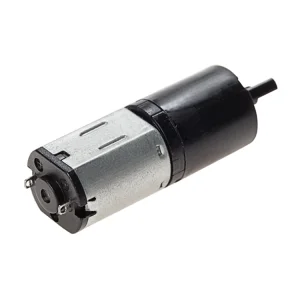
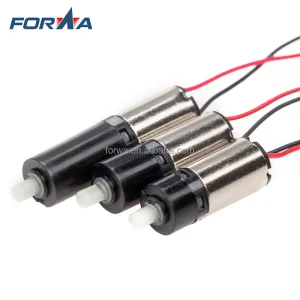
In Vienna's life sciences cluster, precise dosing pumps, analytical devices, and automated lab fluid handlers require silent, low-vibration operations. Our 6mm coreless planetary micro-gearmotors supply stable torque outputs, assuring clinical accuracy and smooth mechanical motion.
From smart electronic door locking mechanisms in ski resorts to energy-efficient HVAC damper systems, our high-precision planetary gearboxes are tested to handle wide thermal fluctuations while drawing minimum stand-by currents.
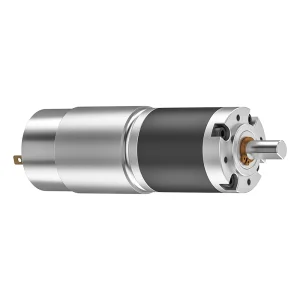
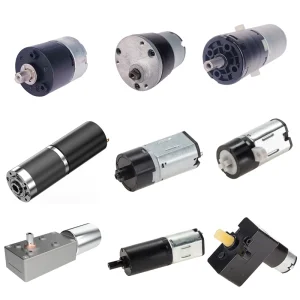
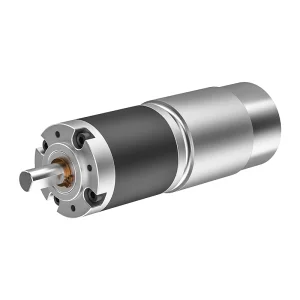
With industrial automation accelerating, Autonomous Guided Vehicles (AGVs) and robotic gripper systems in Austrian logistics hubs utilize our high-torque 20mm to 42mm planetary reducers for durable, wear-resistant rotary joint control.
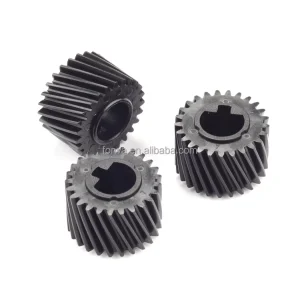
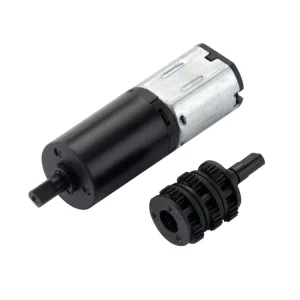
A key engineering decision for micro transmission design is selecting the proper material strategy: High-Performance Engineering Polymers vs. Sintered/Powdered Metals. As a leading manufacturer, TQC Micromotor integrates both methodologies to construct optimal hybrid gearing paths.
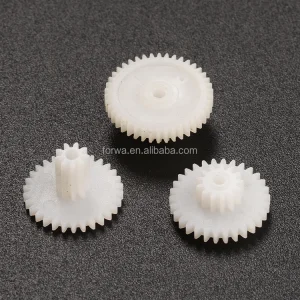
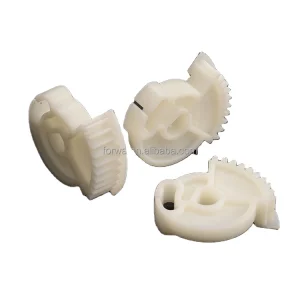
For applications where low weight, silent operation, and resistance to environmental moisture are paramount (e.g., smart locking trash bins or medical dosage controllers), materials such as Polyoxymethylene (POM/Acetal) and reinforced Nylon (PA66/PA46) are superior. POM exhibits outstanding dimensional stability, low friction coefficients, and wear resistance without external lubrication. For higher mechanical stresses, such as ergonomic height-adjustable desk drives or robotic joint systems, we implement multi-layer metal gearing lines containing sintered steel, brass, or CNC-milled gear tooth profiles. Our engineering roadmap integrates hybrid planetary arrangements where high-speed input stages utilize low-noise polymer gears, and heavy load output stages utilize high-strength metal components.
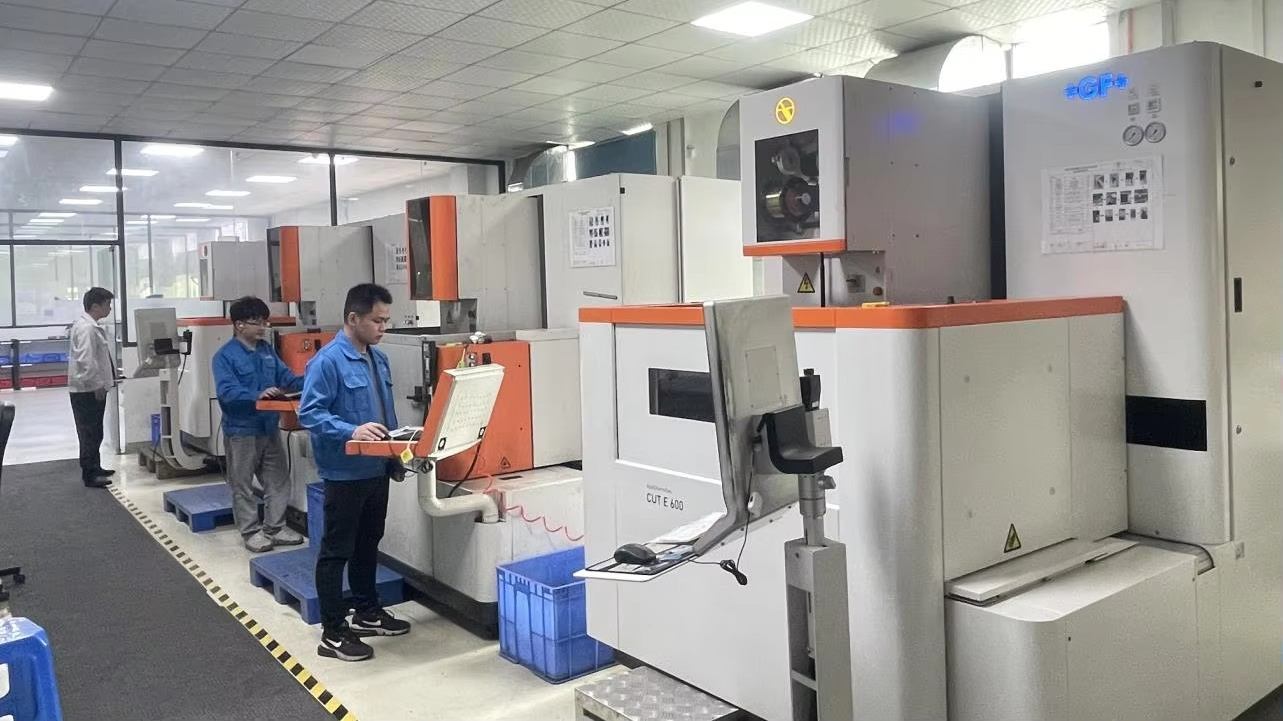
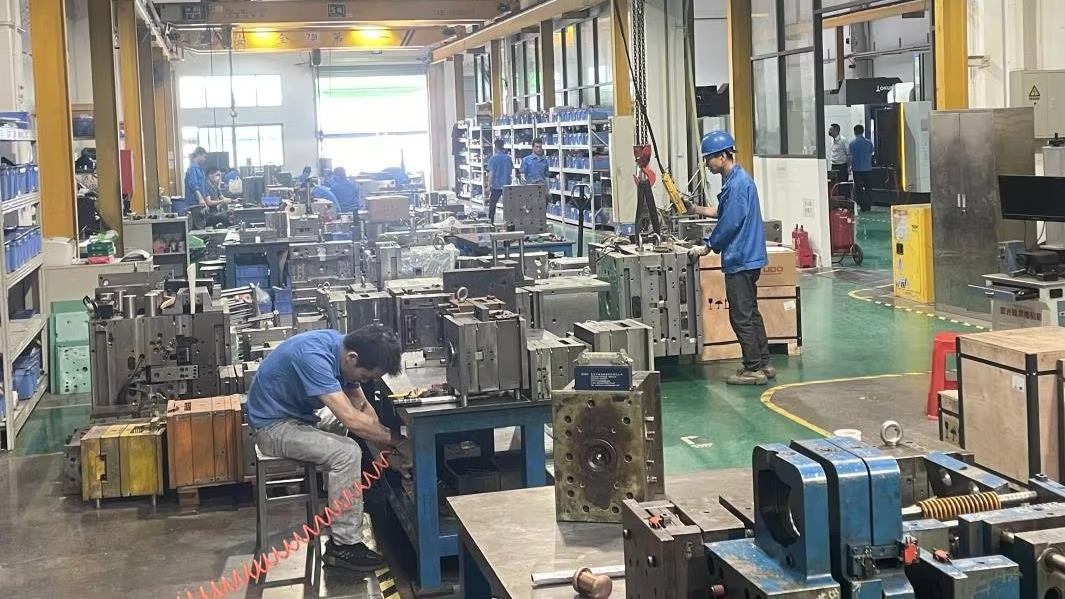
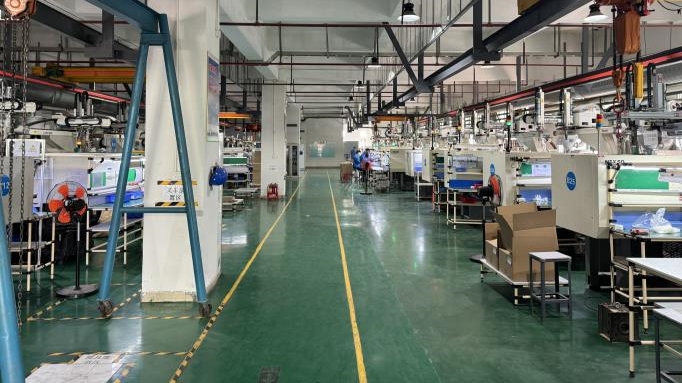
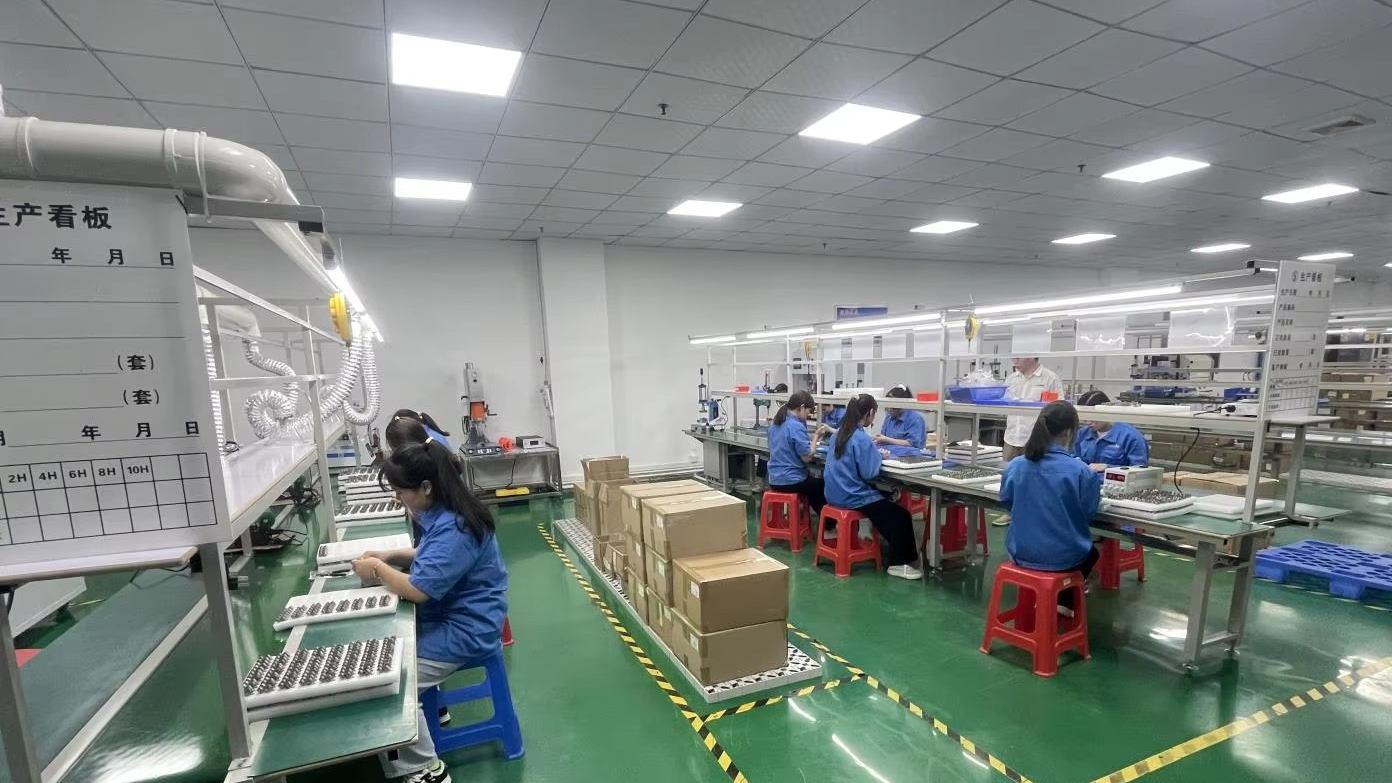
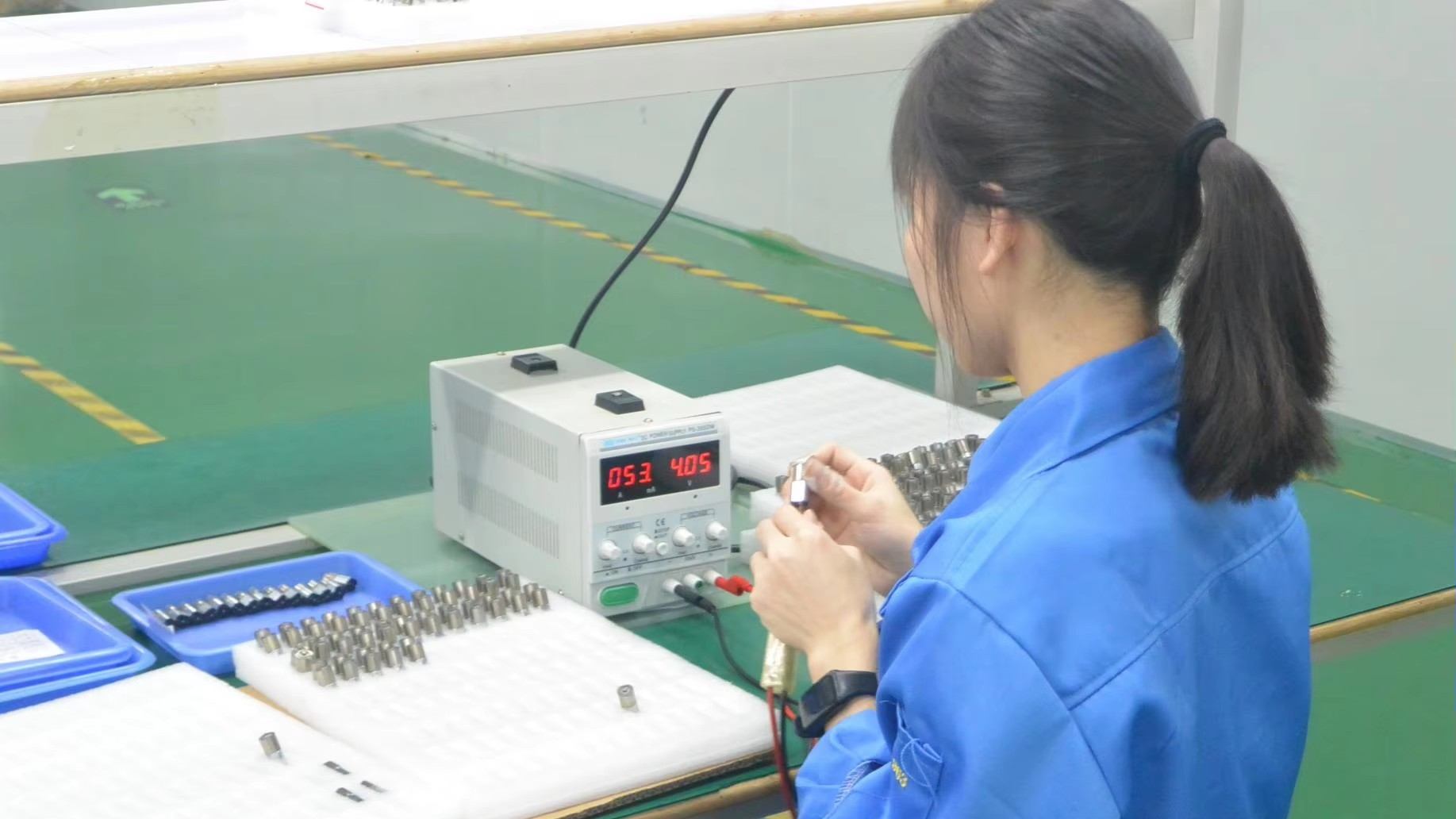
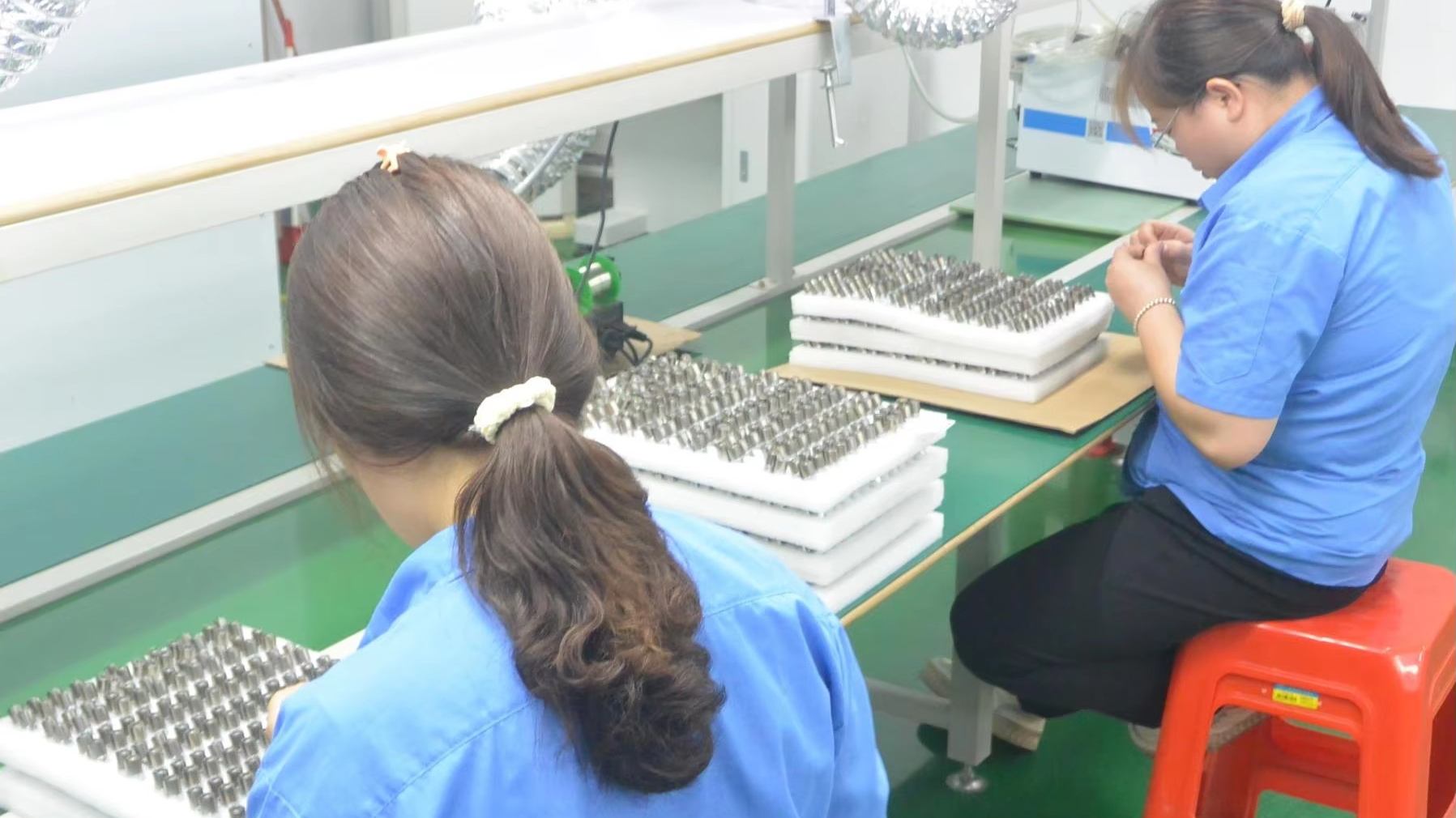
TQC Micromotor operates as a leading B2B manufacturing partner, aligning direct Chinese factory agility with the strict Quality Control standards expected in central Europe. By maintaining a fully integrated vertically controlled production pipeline—from mold design to final gear meshing verification—we significantly shorten standard development timelines.
Our facility houses high-precision EDM (Electrical Discharge Machining), slow-feed wire-cut machines, automated plastic injection molding units, and high-performance CNC milling centers. Because we design, mill, and test all tooling internally, we can process rapid prototype adjustments for custom gear ratios in weeks, compared to months-long lead times from traditional Western European suppliers.
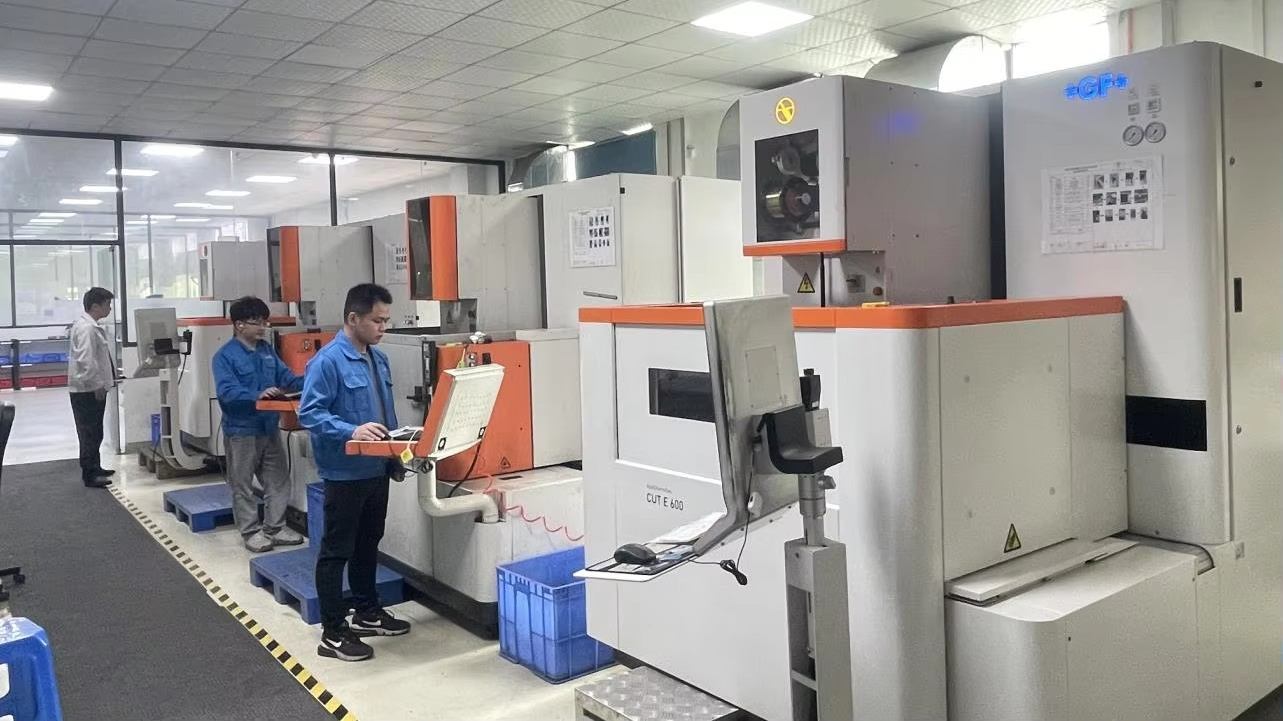
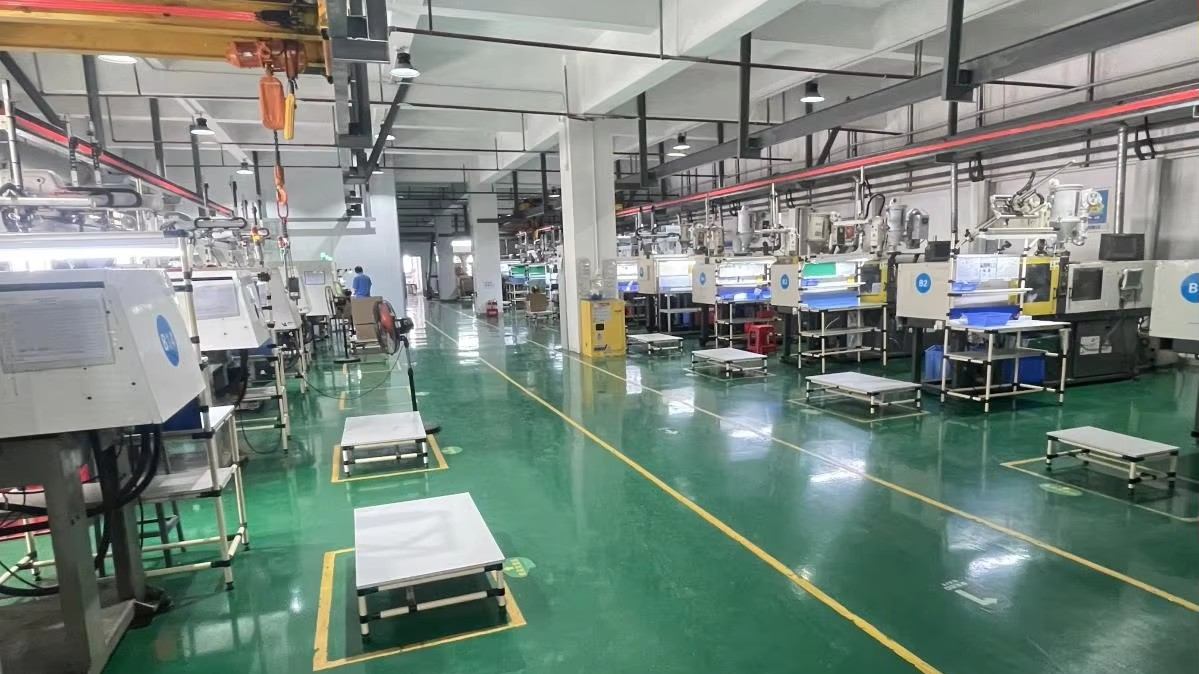
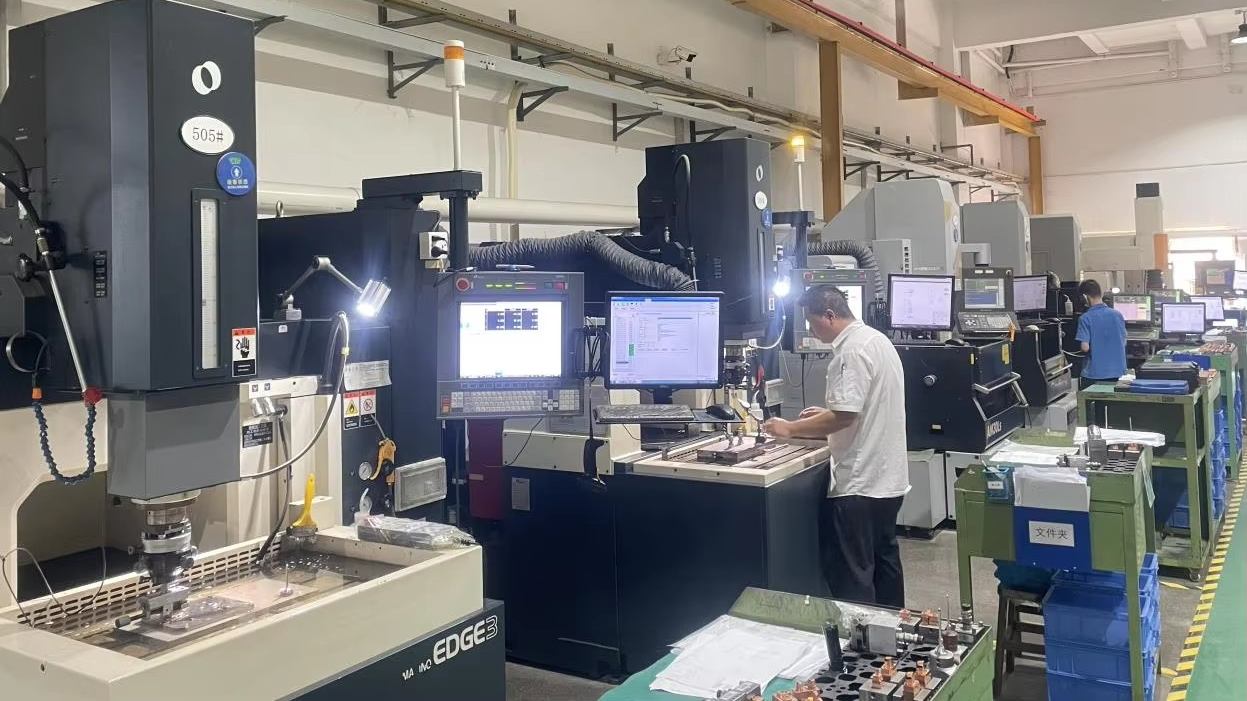
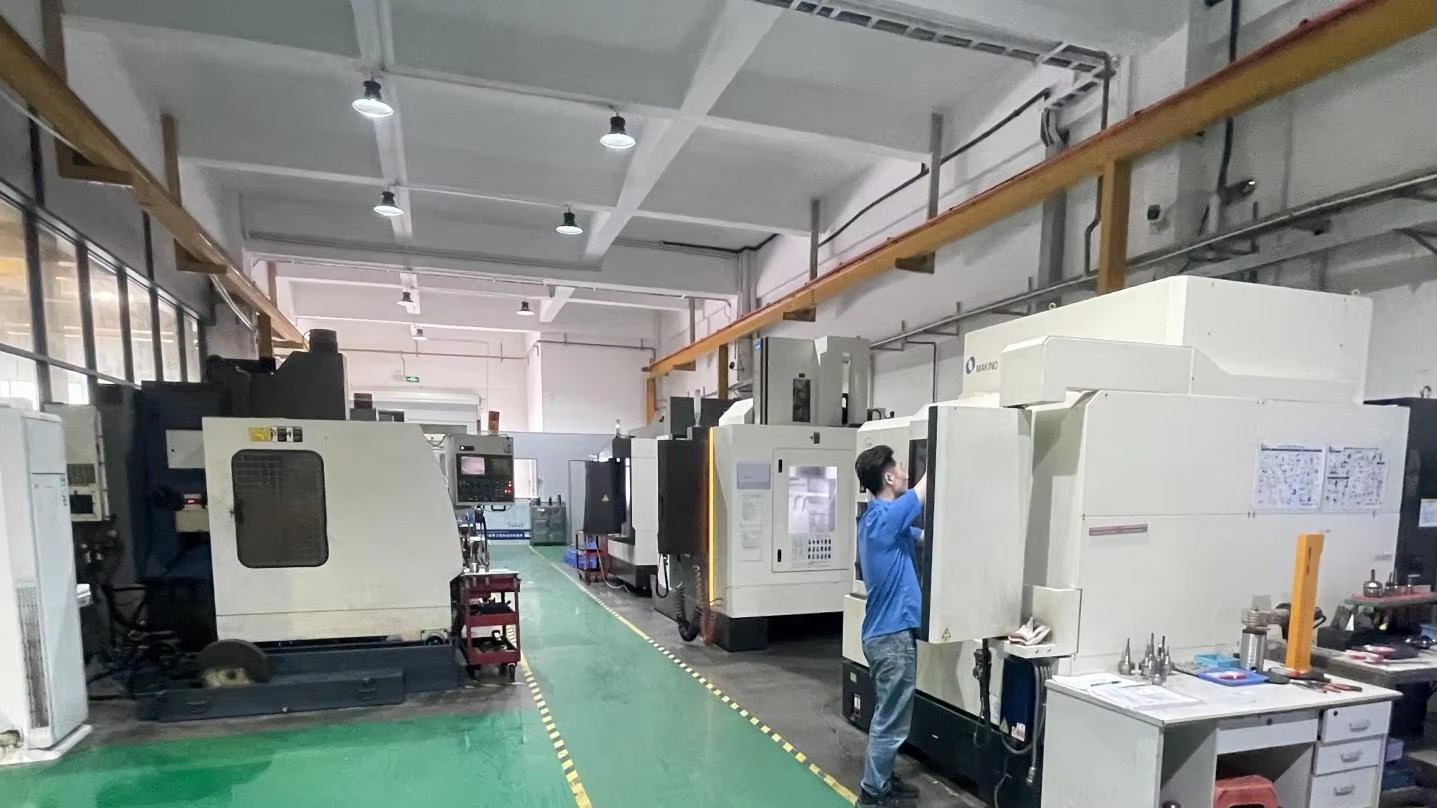
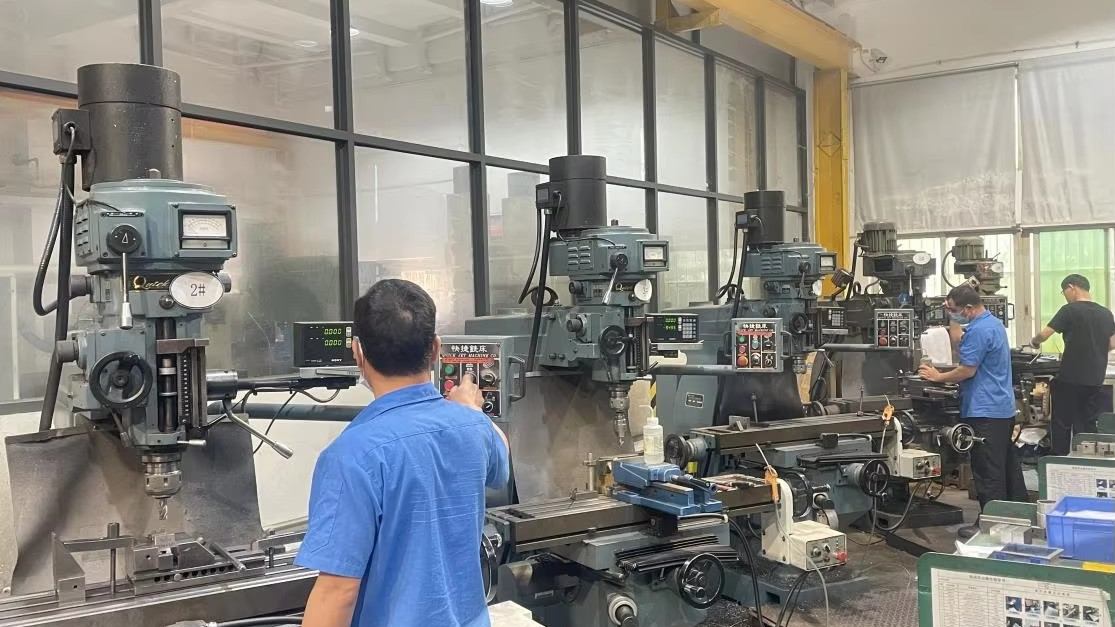
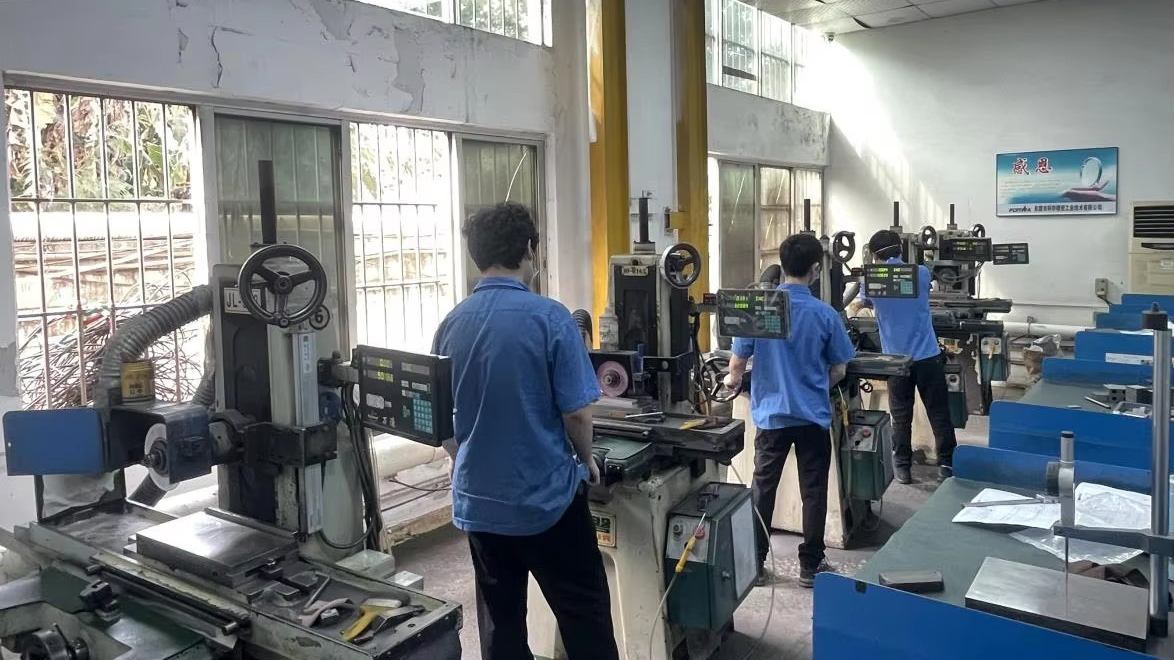
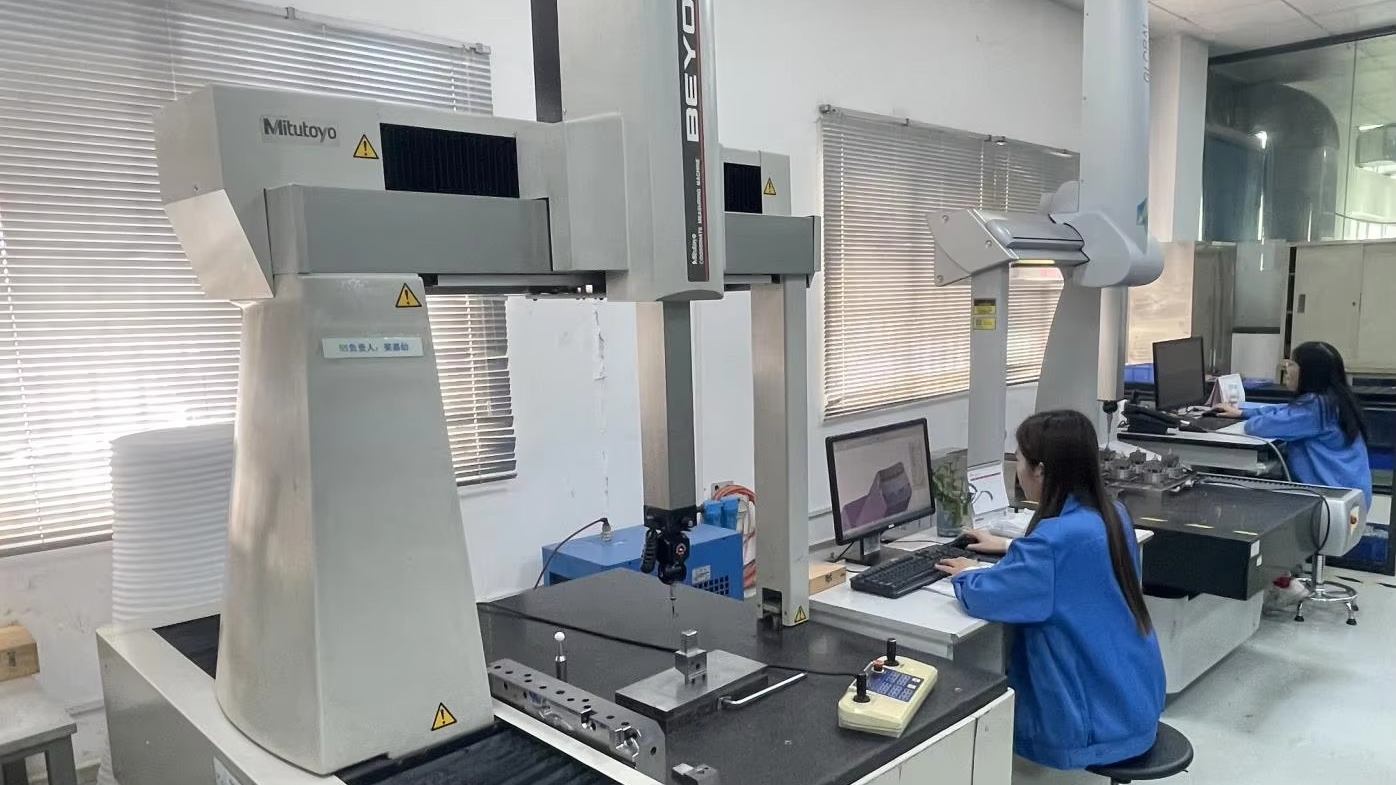
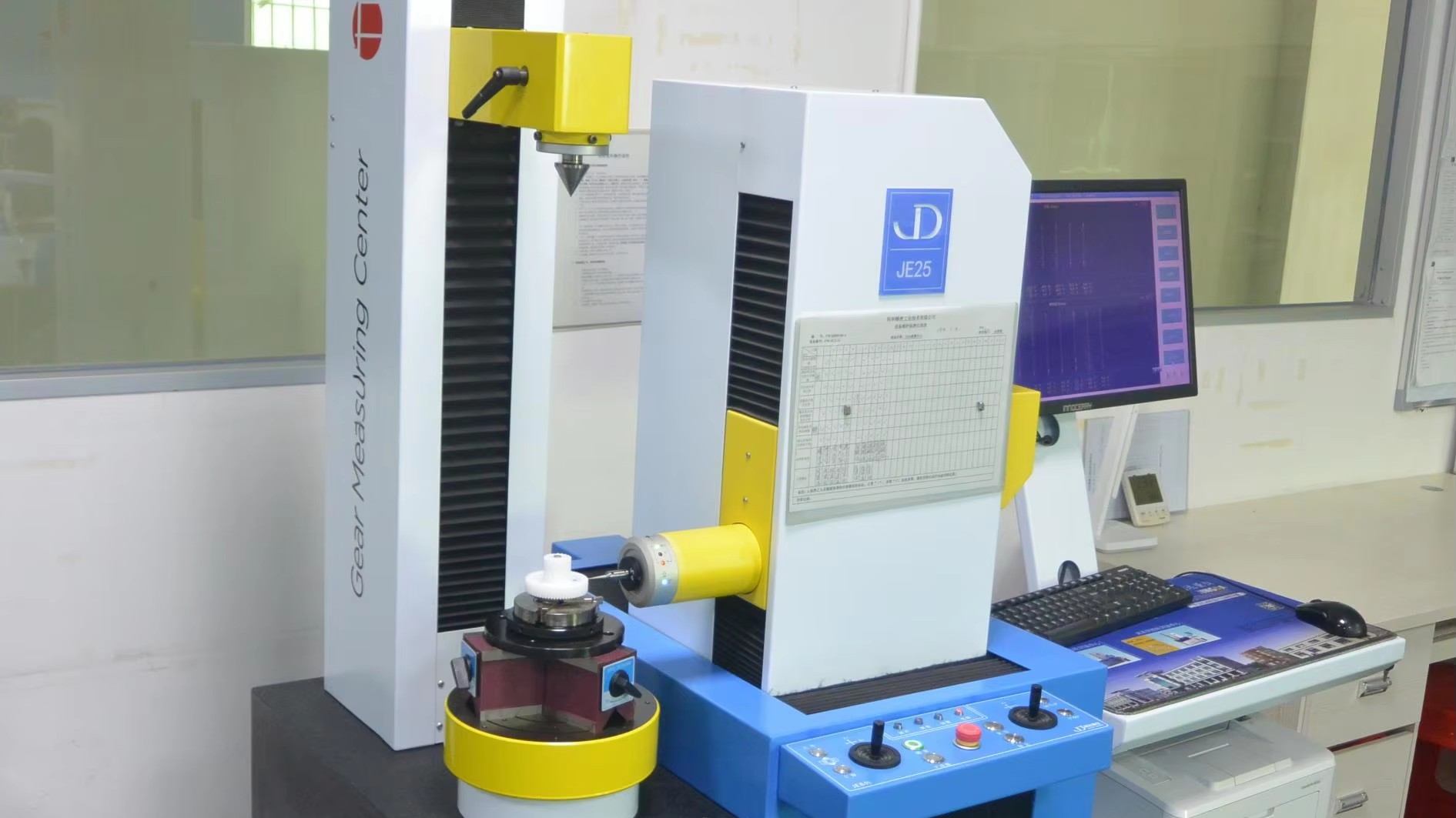
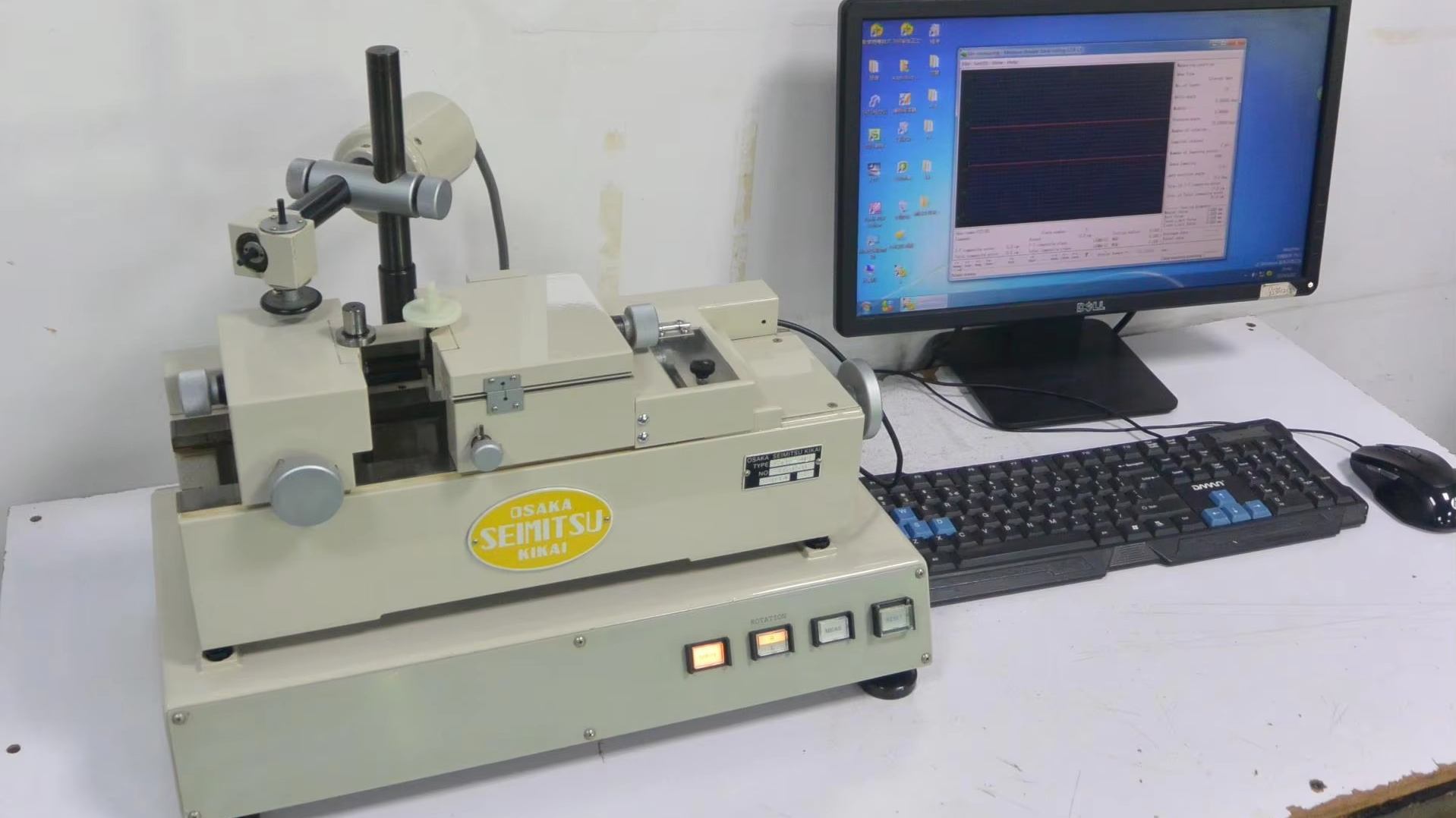
For Austrian OEMs, quality certification is non-negotiable. TQC maintains a dedicated QC division equipped with high-precision metrology centers to assure alignment, pitch reliability, and profile concentricity:
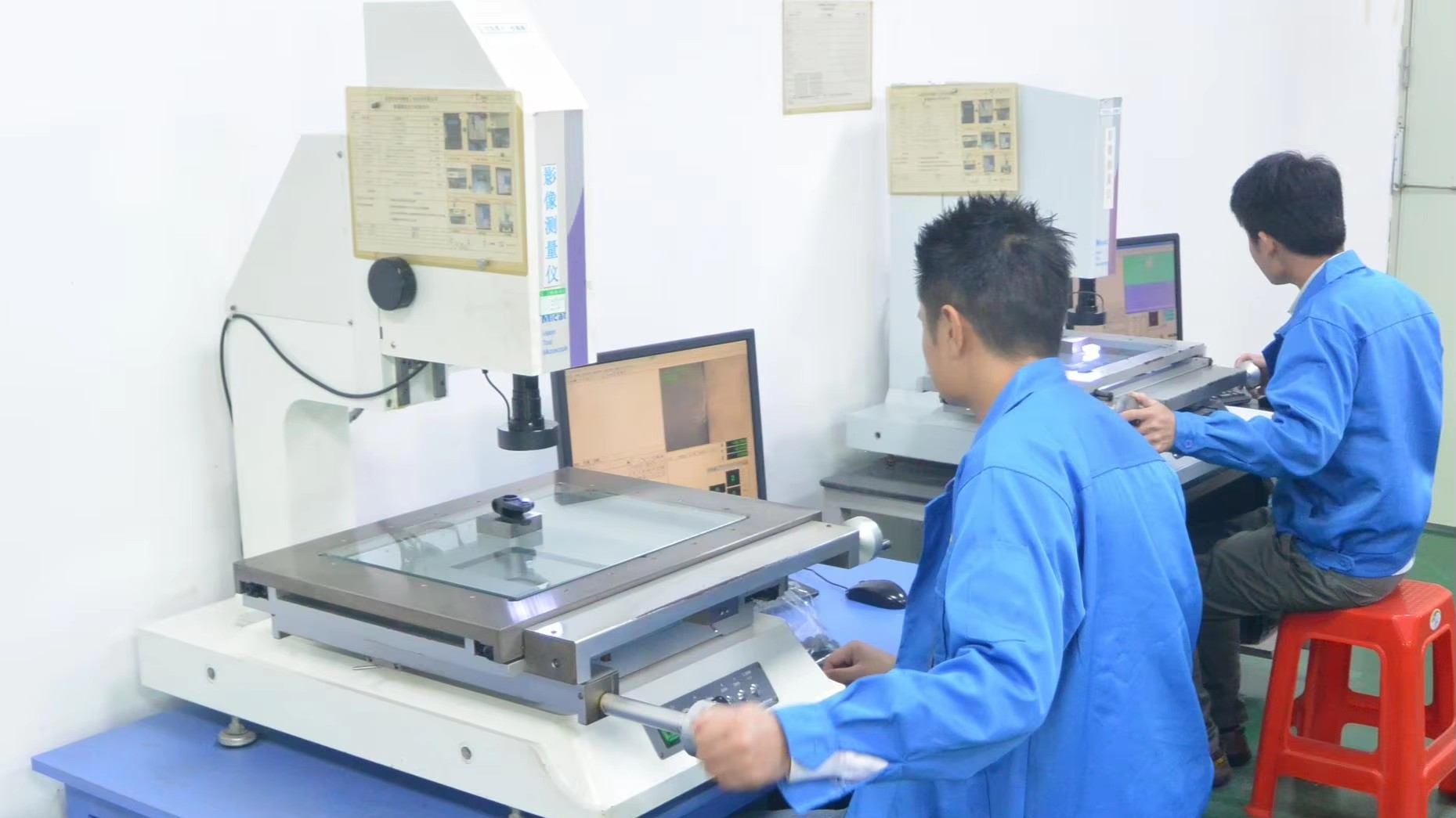
Our micro-drive systems are designed and built to comply with EU safety, health, and environmental policies. We guarantee full alignment with the following regulatory frameworks:
To support Austrian manufacturing pipelines, TQC Micromotor offers flexible logistics models, including air-freight express for prototyping phases and sea/rail shipping routes (New Silk Road) for cost-effective mass production deliveries to hubs in Vienna, Graz, or Linz.
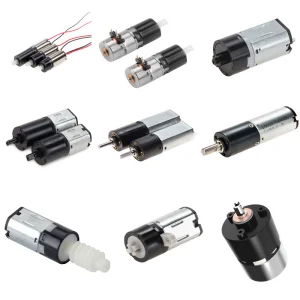
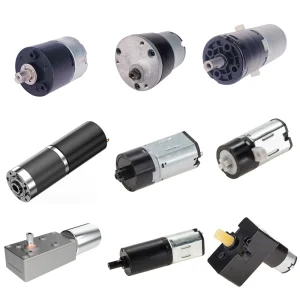
 Stepper Motor