Engineered for low noise, lightweight structural stability, and reliable long-life operation under aggressive thermal and dynamic conditions.
An expert analysis of why advanced polymers are replacing legacy metal assemblies in Berlin's high-tech manufacturing ecosystems.
Berlin has transitioned from its classic heavy-industrial past into one of Europe's premier hubs for deep-tech engineering, automotive systems, biomedical electronics, and smart automation. From the specialized laboratory and medical device developers in Berlin-Buch to the high-tech robotics and hardware startups operating in the Adlershof Science and Technology Park, precision engineering demands are shifting. This industrial evolution is marked by a clear preference for component optimization: parts must be lighter, quieter, chemically resistant, and capable of operating without maintenance over extended cycles.
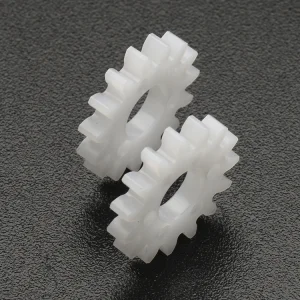
Here, the engineering advantages of advanced plastic gears become indispensable. Key sectors in Berlin driving the adoption of custom thermoplastic gears include:
Selecting the correct polymer compound is critical when designing micro-gears for high-performance applications. The choice dictates mechanical limits, wear rates under load, and moisture absorption characteristics. Below is an engineering comparison compiled by TQC Micromotor's structural team:
| Polymer Type | Key Properties | Tensile Strength (MPa) | Ideal Berlin Industry Applications |
|---|---|---|---|
| POM-C / Delrin (Acetal) | Excellent dimensional stability, high stiffness, low friction, minimal water absorption. | 65 - 75 | High-load spur gears, medical actuators, precision micromotors. |
| Nylon (PA66 / PA12) | Outstanding wear resistance, high impact strength; self-lubricating, moderate absorption. | 70 - 85 | Robotic arms, power transmission, high-cycle industrial automation. |
| PEEK | Exceptional thermal resistance, high load capacities, resistance to aggressive chemicals. | 95 - 100+ | Automotive engine bay actuators, aerospace devices, sterilizable medical pumps. |
| ABS | High impact resistance, cost-efficient, easily molded to tight tolerances. | 40 - 50 | Consumer electronics, smart appliances, non-load structural gearing. |
By blending structural polymers with performance additives—such as glass fibers (typically 10% to 30% for tensile strength), carbon fibers (for electrical conductivity and structural stiffness), or polytetrafluoroethylene (PTFE/Silicone for self-lubricating operations)—TQC Micromotor provides custom structural compounds that eliminate the need for external grease, preventing component failure caused by lubrication drying or contamination.
E-E-A-T Technical Insight: Shrinkage and Tooth Profile Correction
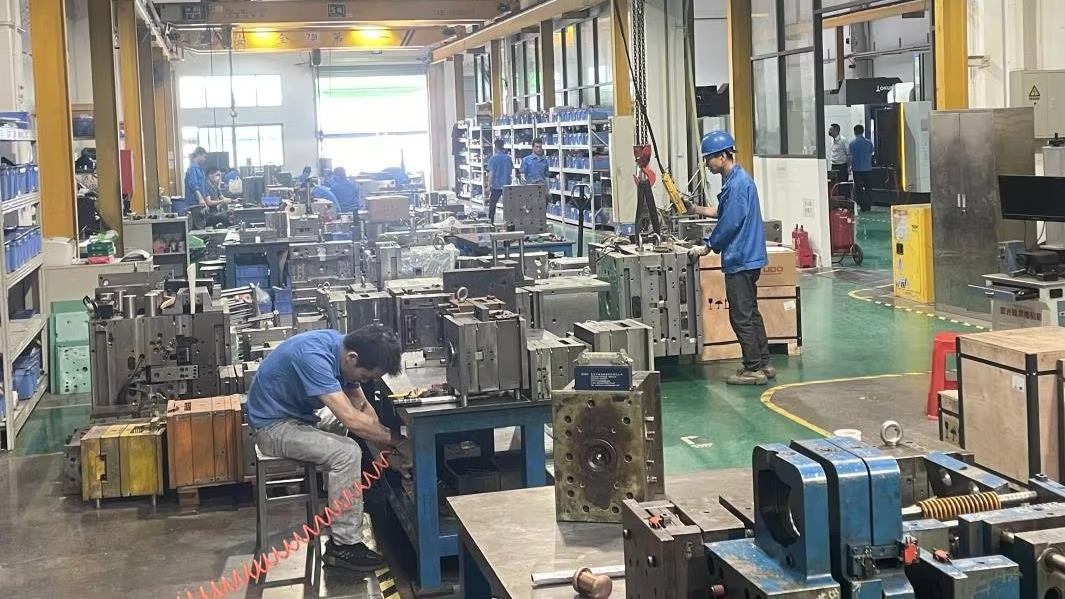
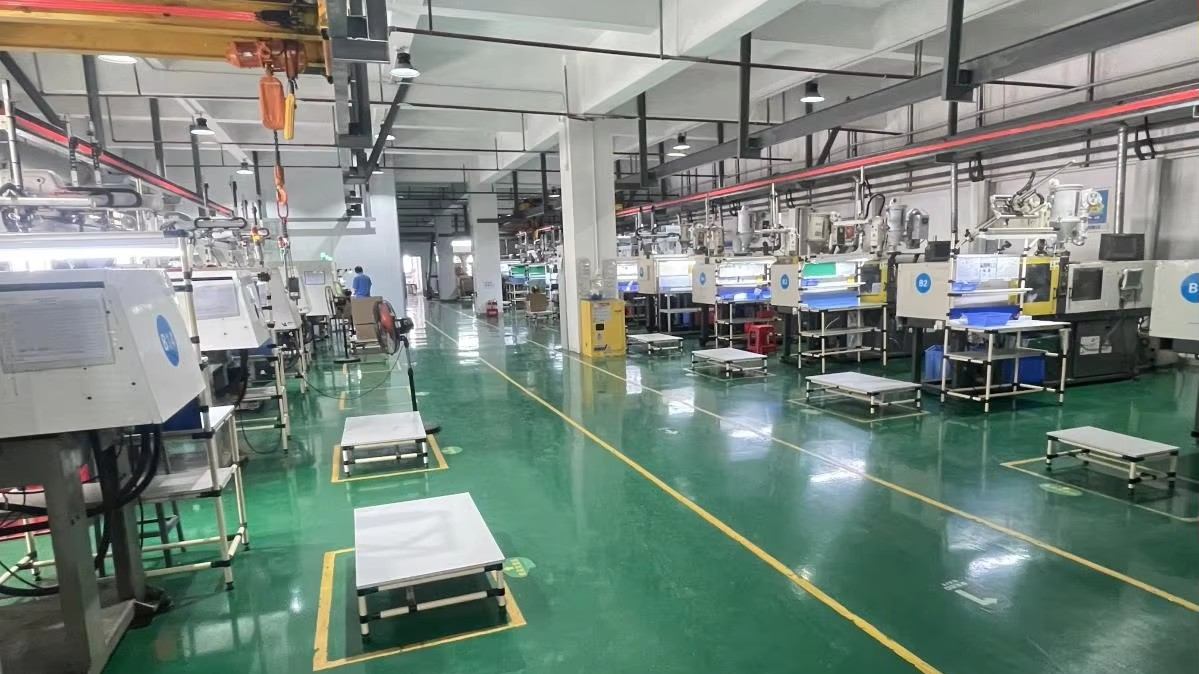
In micro-injection molding, mold shrinkage can distort tooth involutes. TQC Micromotor employs advanced 3D mold cavity simulation tools to adjust mold parameters. By pre-compensating for shrinkage profiles, we achieve AGMA 9+ (American Gear Manufacturers Association) and DIN 8 tolerance classes right out of the mold, eliminating post-machining operations.
How TQC Micromotor combines manufacturing scale, tooling expertise, and multi-layered testing protocols to deliver absolute consistency.
TQC Micromotor is a forward-thinking Chinese manufacturer redefining precision motion control in the micro-drive industry. We design and build high-efficiency micro DC and BLDC motors that power next-generation technologies worldwide.
Driven by our core philosophy—Top Quality & Customization—we combine advanced manufacturing tech with flexible engineering to provide global B2B clients with the transparency of a local partner and the cost benefits of a premier Chinese factory. Built to last. Engineered to fit.
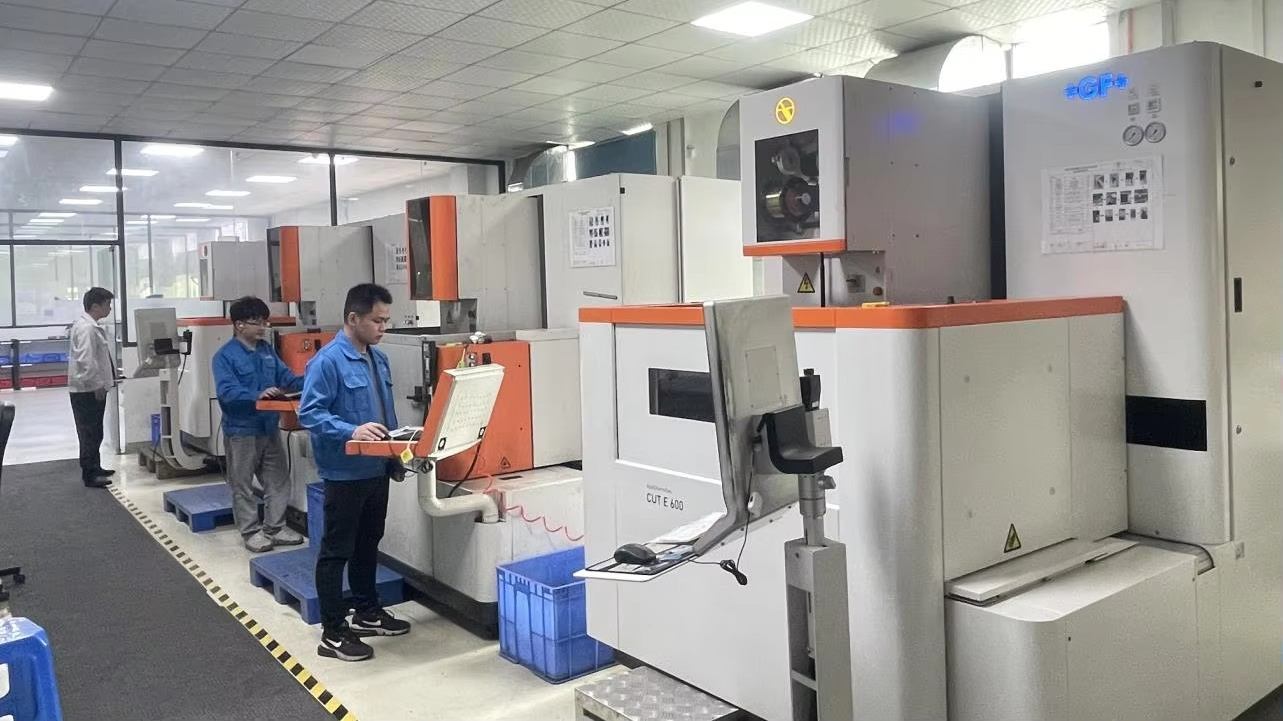


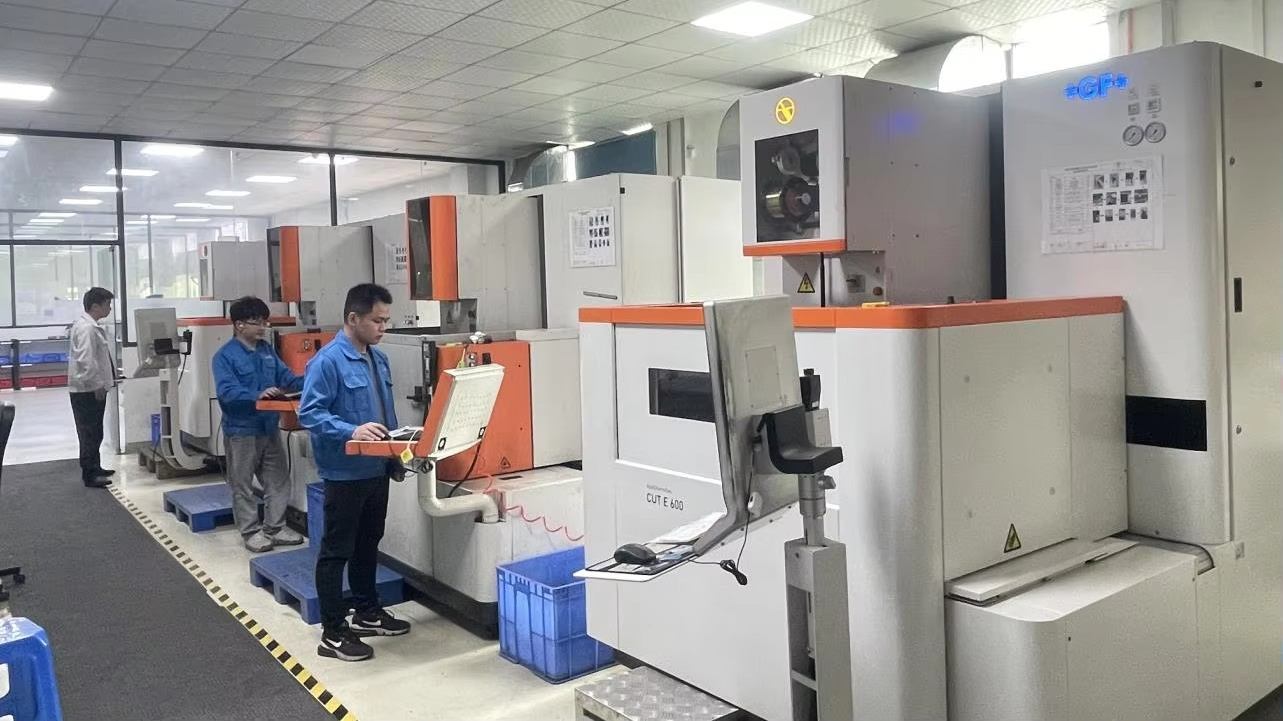
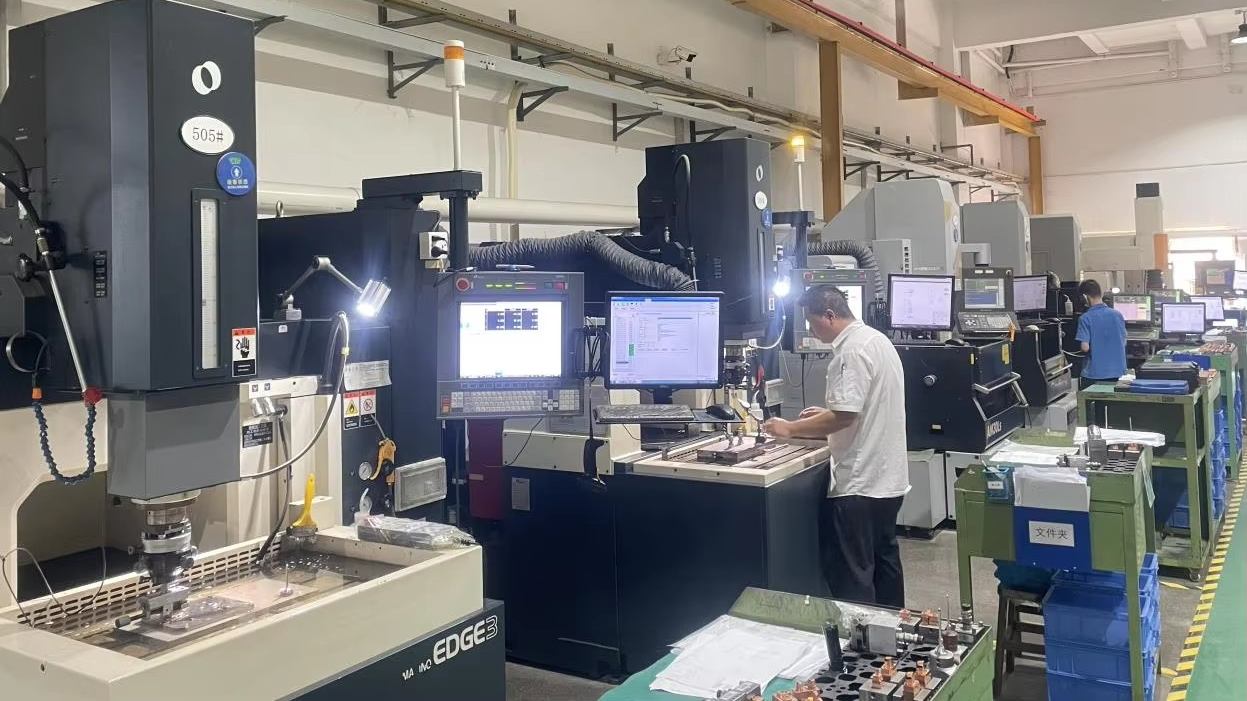
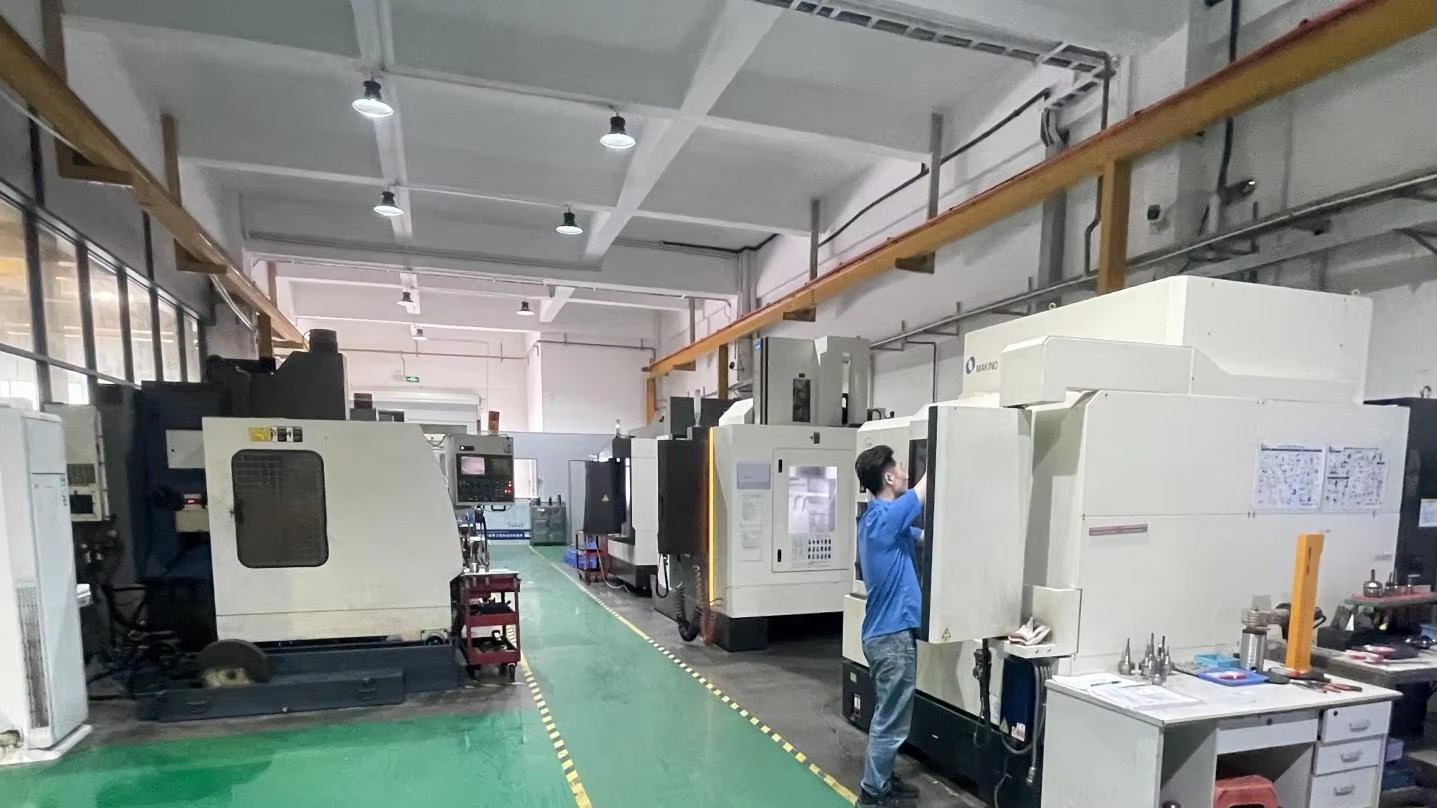
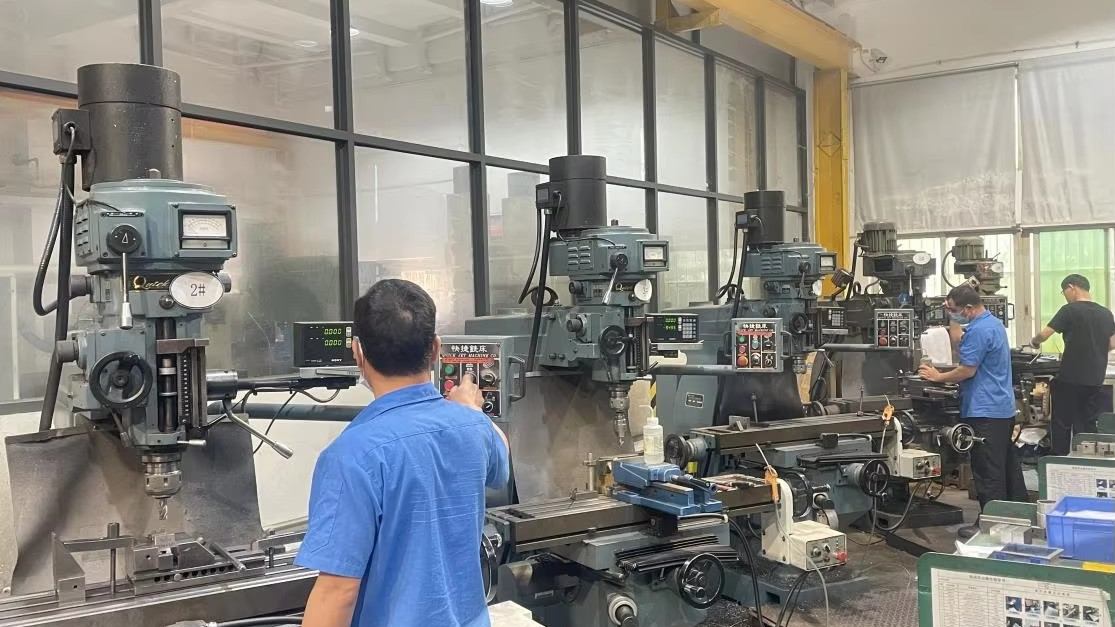
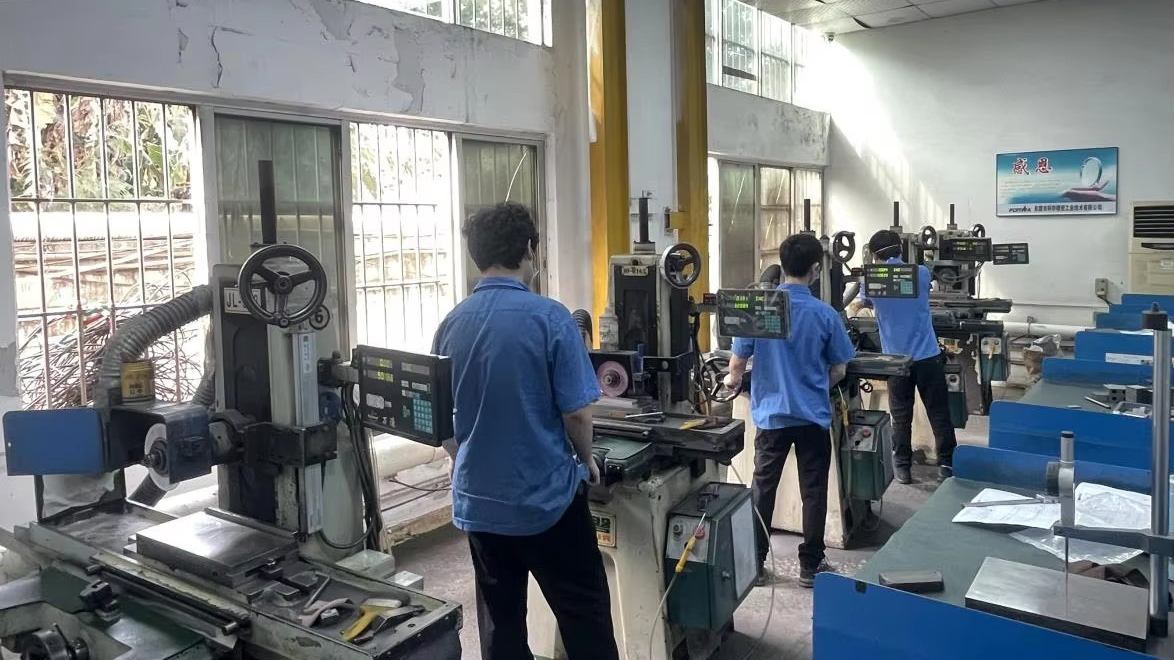
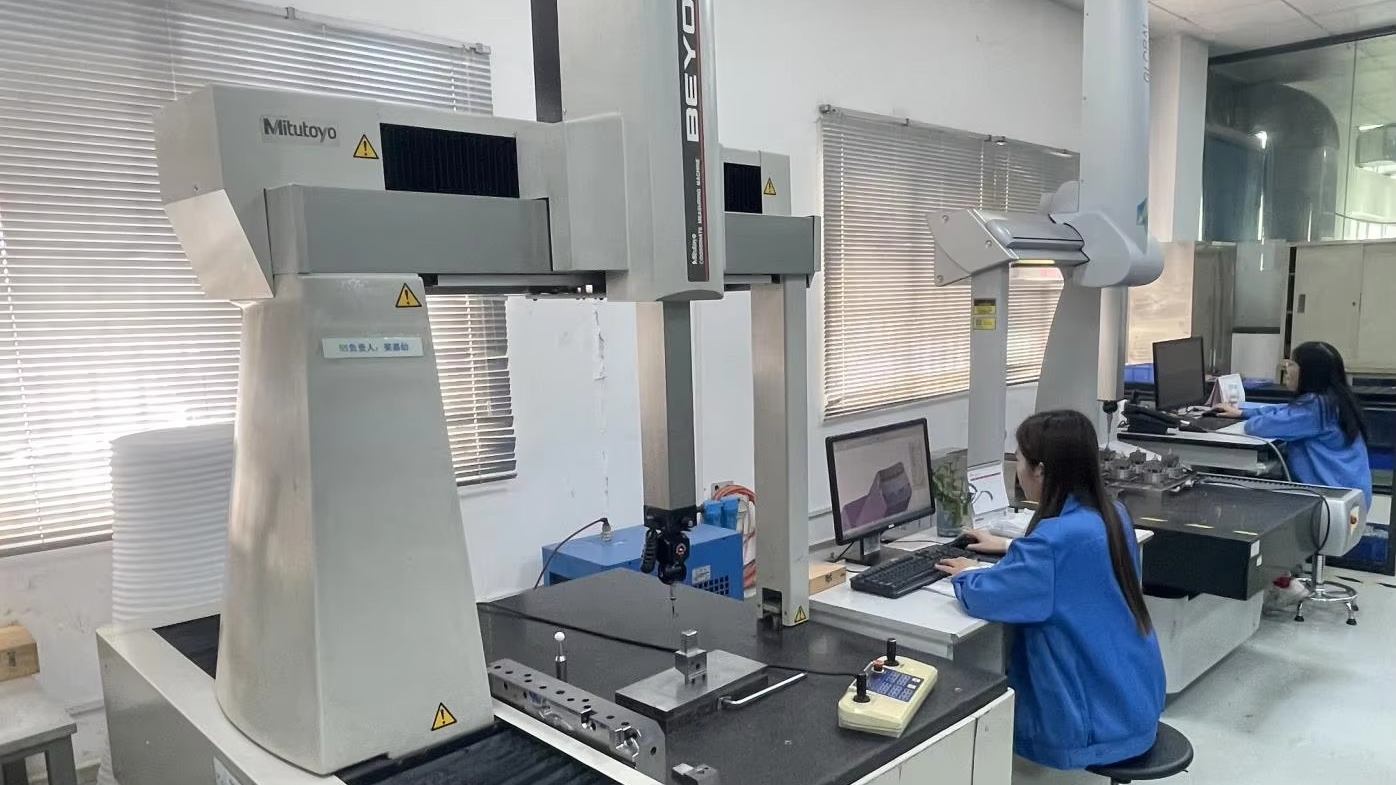
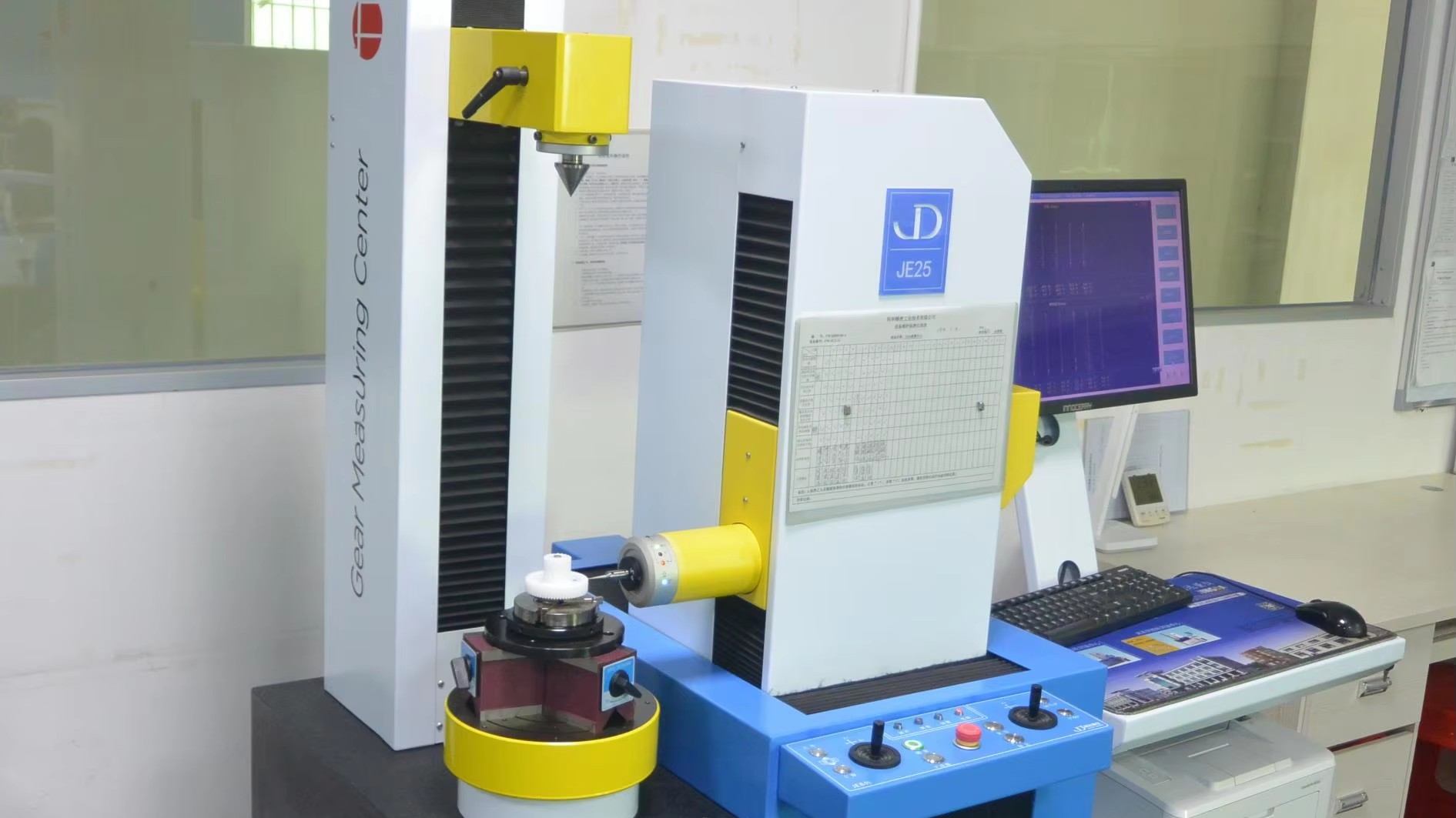
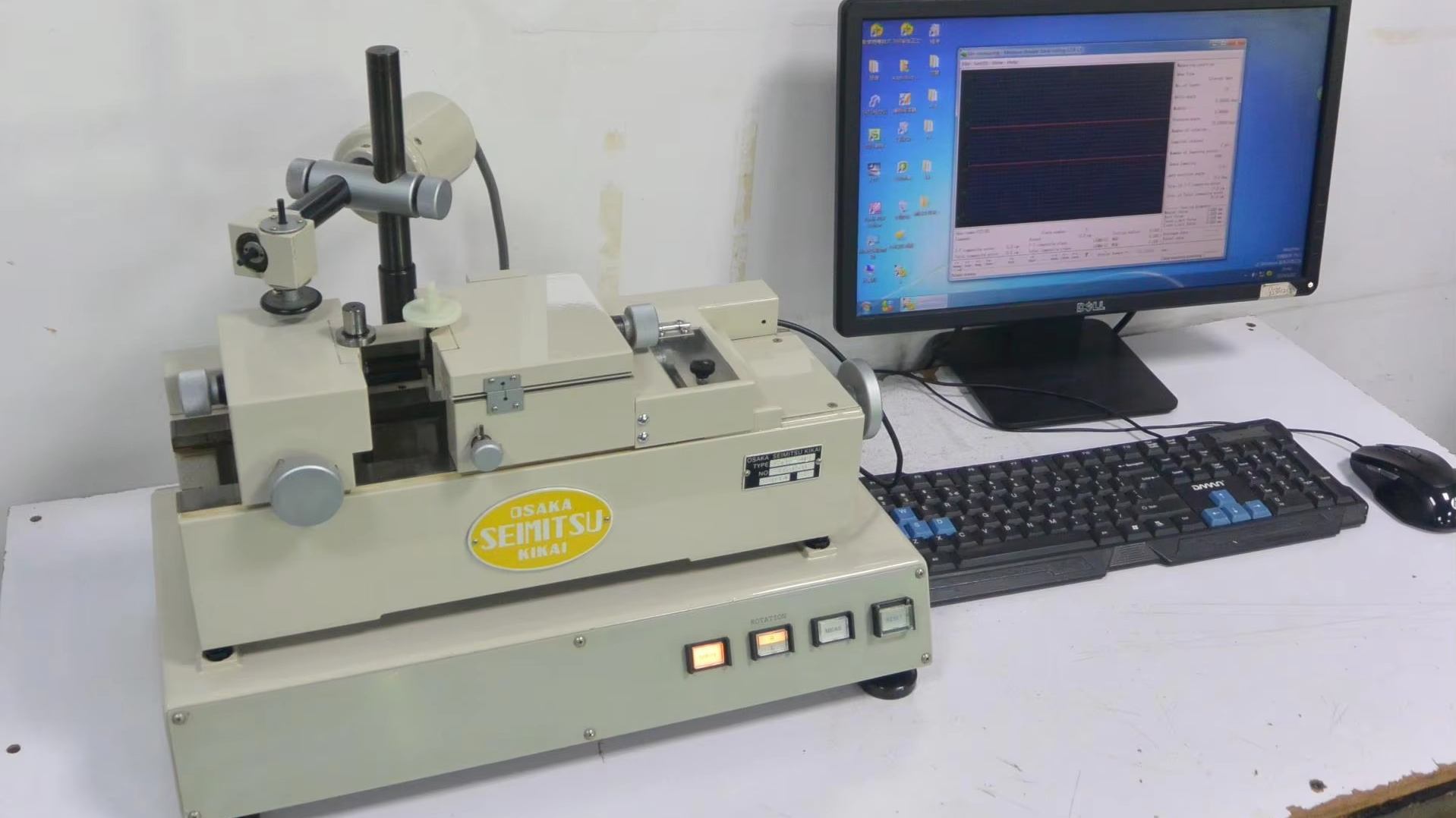
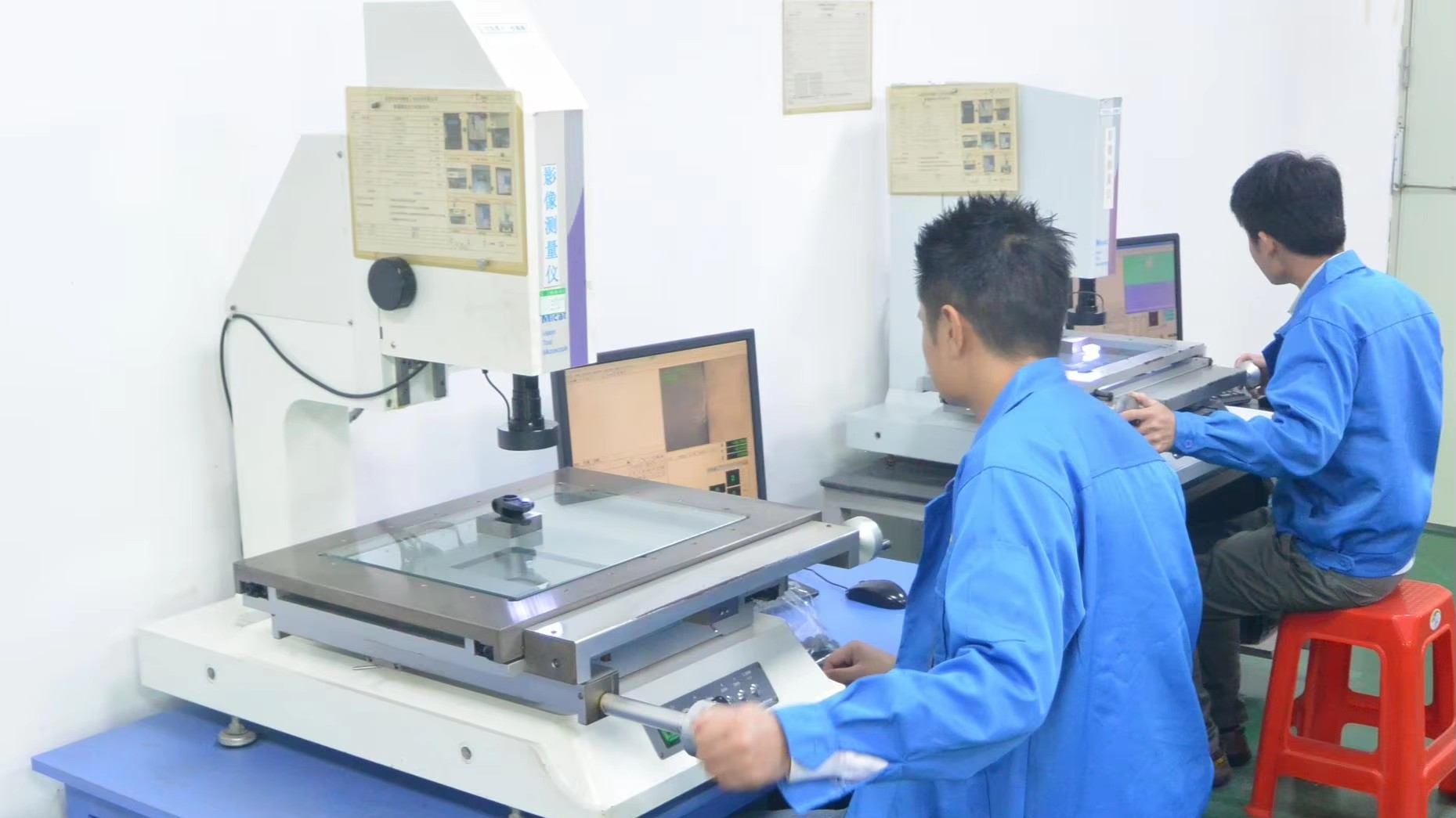
For B2B buyers and mechanical engineers in Berlin, trust in dimensional tolerances is non-negotiable. To comply with German quality mandates, TQC Micromotor has integrated a comprehensive metrology suite. Each batch of injection-molded components undergoes dimensional validation:
Working with an offshore manufacturer should not introduce supply chain vulnerability. TQC Micromotor ensures frictionless delivery and local regulatory compliance for our European partners:
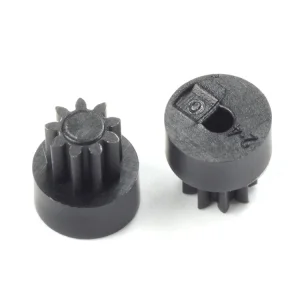
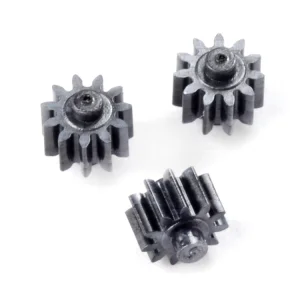
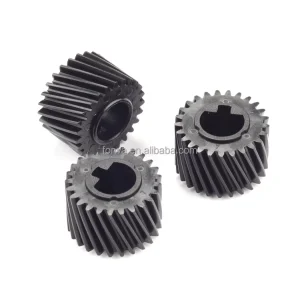
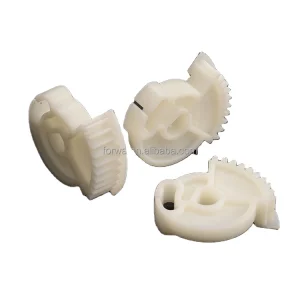
Browse our comprehensive selection of high-precision spur, helical, pinion, and rack sets designed for German engineering standards.
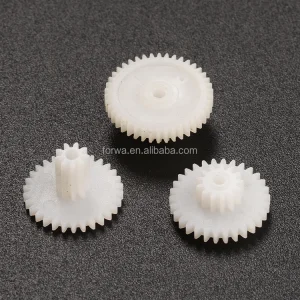
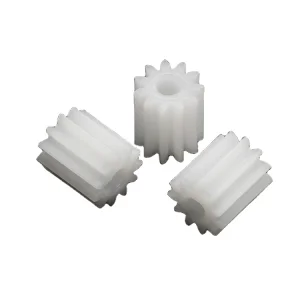
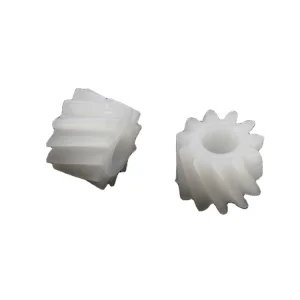
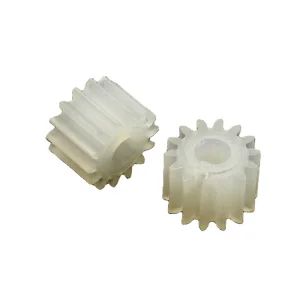
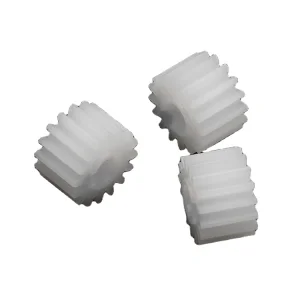
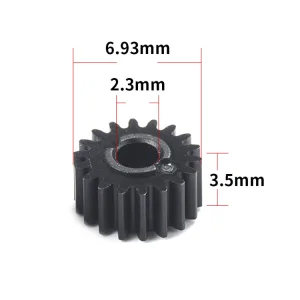
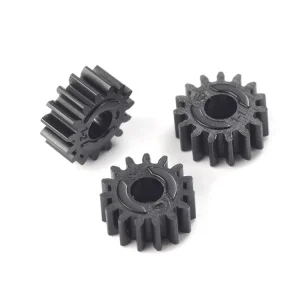
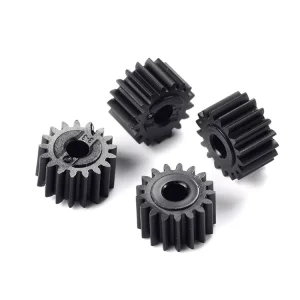
Technical clarifications regarding material choices, dimensional precision, logistics, and customizable mold pathways.
POM (Polyoxymethylene) exhibits exceptionally low water absorption (typically <0.2% at saturation), preserving its dimensions and mechanical properties under changing relative humidity. Nylon (PA66), while highly impact-resistant, absorbs humidity over time, which can lead to swelling and slight dimensional variation. For high-precision, tight-tolerance gearing in smart locks and diagnostics, POM is the industry standard.
Our China Factory 4.0 leverages an integrated metrology workflow. Tooling design involves FEA deformation analysis. Once molded, components are validated using three-dimensional coordinate measuring machines (CMM) and dynamic double-flank gear meshing tools to record radial composite deviations. This ensures each batch aligns with DIN 3967 and ISO Class 8 tolerances.
For existing designs or spot wholesale stock, processing and dispatch take 2-4 days. Custom injection molding starts with tooling fabrication, typically completed in 15-25 days, followed by sample verification. Bulk shipments are transported via air freight directly to Berlin-Brandenburg Airport (BER) within 5-7 days, or via rail shipping in 18-22 days, depending on your project budget and urgency.
Yes. All materials utilized in TQC Micromotor's production process are sourced from certified global plastic manufacturers (such as DuPont, BASF, Sabic). We supply full material declarations, RoHS compliance documentation, and REACH certificates to facilitate seamless integration into your final EU-compliant products.
Speak directly with TQC's tooling and material engineers. Receive 3D CAD analysis, material recommendations, and a transparent pricing quote within 24 hours.
Request Engineering Quote Stepper Motor