High-reliability custom drive components designed for Los Angeles automation systems, smart home technologies, and micro-precision equipment.
Los Angeles, California, has long been a global crucible for industrial innovation. Home to the legendary "Aerospace Coast" stretching from El Segundo through Hawthorne to Long Beach, the region demands high-precision component fabrication that meets tight aerospace tolerances. In parallel, Southern California's medical device industry—flourishing in Irvine, Carlsbad, and the broader Los Angeles basin—calls for components that satisfy strict biological compatibility, operational cleanliness, and high reliability.
In these modern micro-motion systems, traditional heavy metallic gears are increasingly being replaced by advanced engineered polymers. Plastic gears made from POM (Polyoxymethylene), Acetal, Delrin, and Nylon (PA66/PA46) offer unique tribological properties: they are inherently self-lubricating, significantly reduce noise, resist corrosion, and lower weight. For Los Angeles-based startups and established OEMs working on smart home IoT, medical pumps, defense robotics, and camera stabilization gimbals, sourcing these micro components requires deep coordination between domestic engineering teams and agile global manufacturers.
When design engineers in Pasadena or Santa Monica design a new micro-planetary gearbox, they often start with local prototyping services (3D printing or local CNC machining). However, once production scales past thousands of units, injection molding becomes the only viable path to achieve both cost-efficiency and mechanical consistency. This is where the supply chain divide becomes clear.
US-based tooling costs can be cost-prohibitive for growing companies. By leveraging a hybrid development model—where engineering requirements are defined locally in Southern California and manufacturing is executed by high-precision, vertically integrated Chinese factories like TQC Micromotor—firms achieve rapid iteration times and reduce their capital expenditure on injection molding tooling by up to 60%. This geographic synergy keeps Los Angeles hardware companies globally competitive.
TQC Micromotor is a forward-thinking Chinese manufacturer redefining precision motion control in the micro-drive industry. We design and build high-efficiency micro DC and BLDC motors that power next-generation technologies worldwide.
Driven by our core philosophy—Top Quality & Customization—we combine advanced manufacturing tech with flexible engineering to provide global B2B clients with the transparency of a local partner and the cost benefits of a premier Chinese factory. Built to last. Engineered to fit.
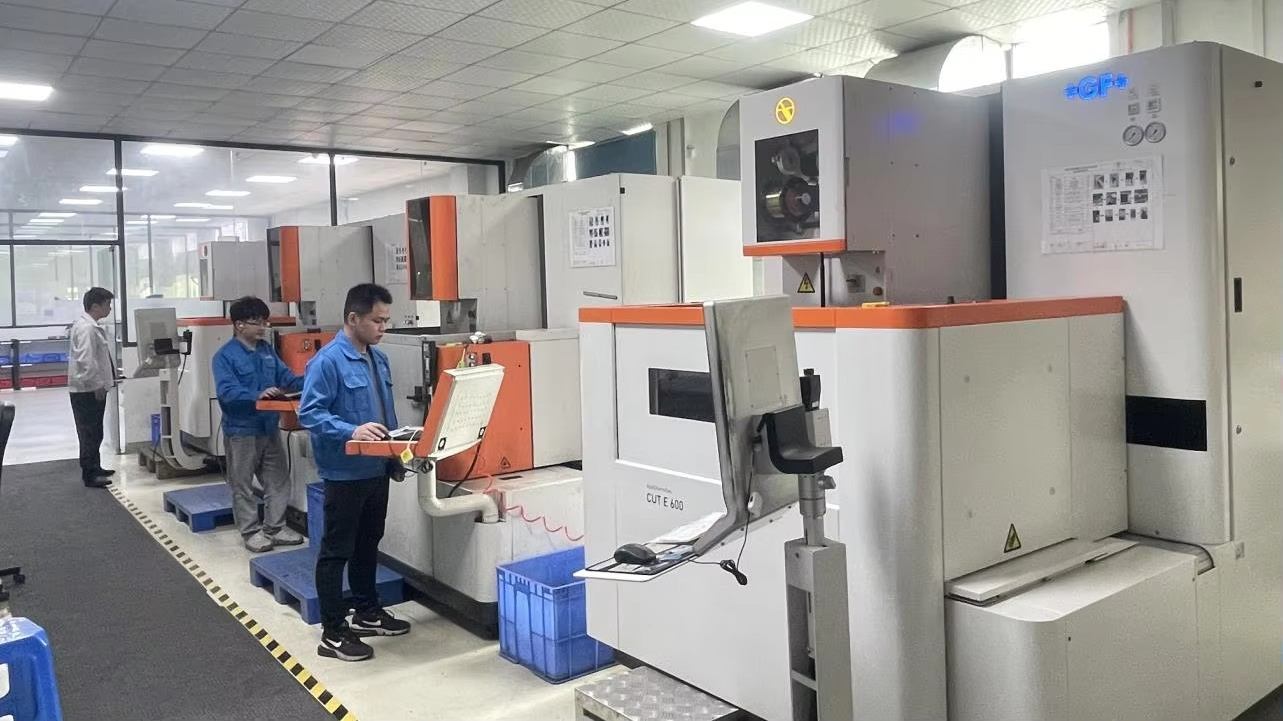
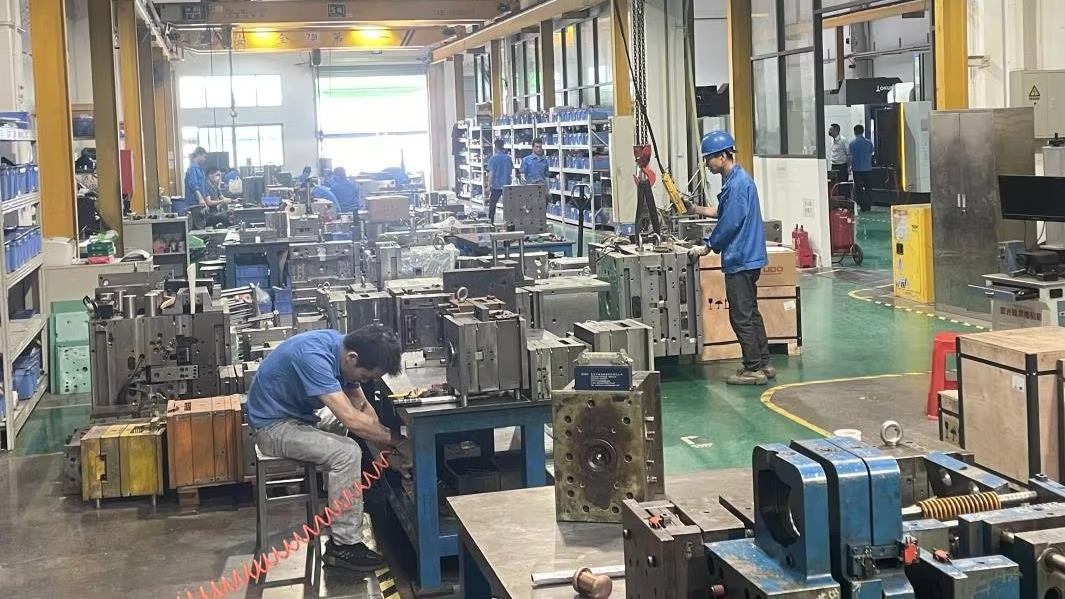
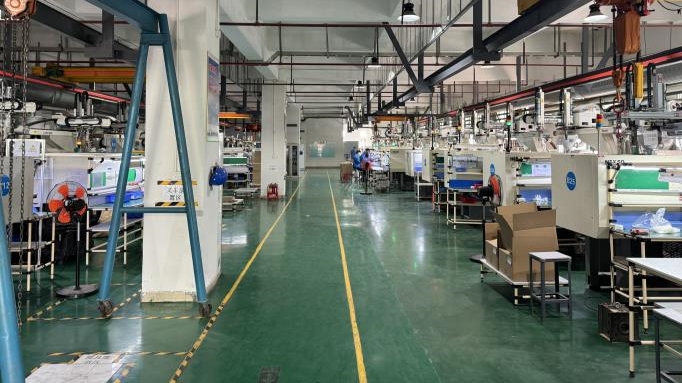
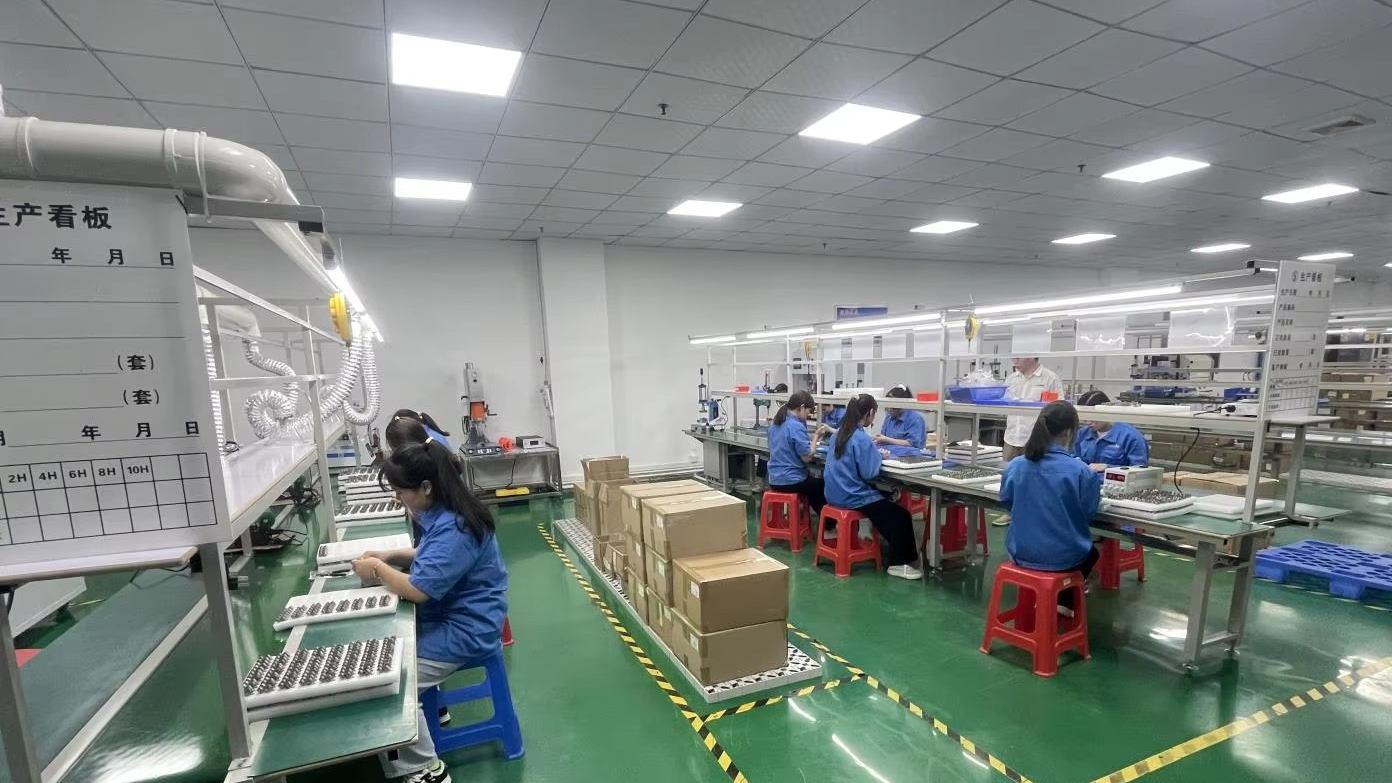
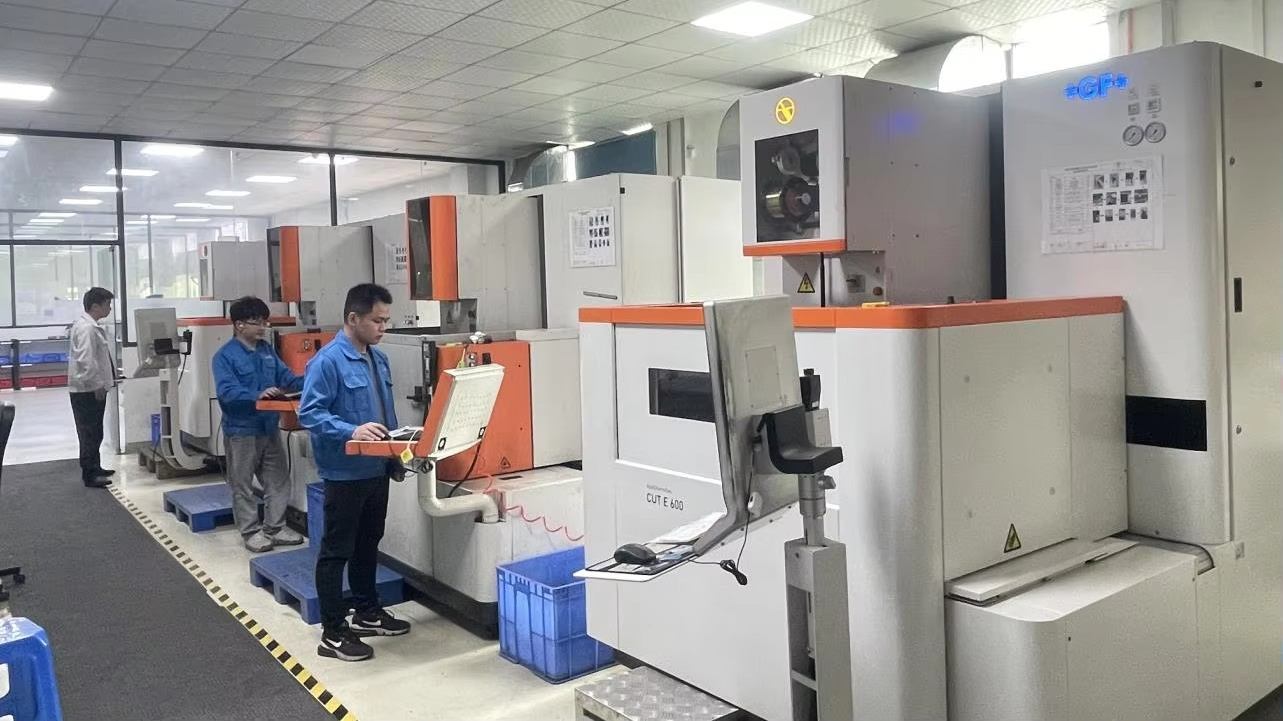
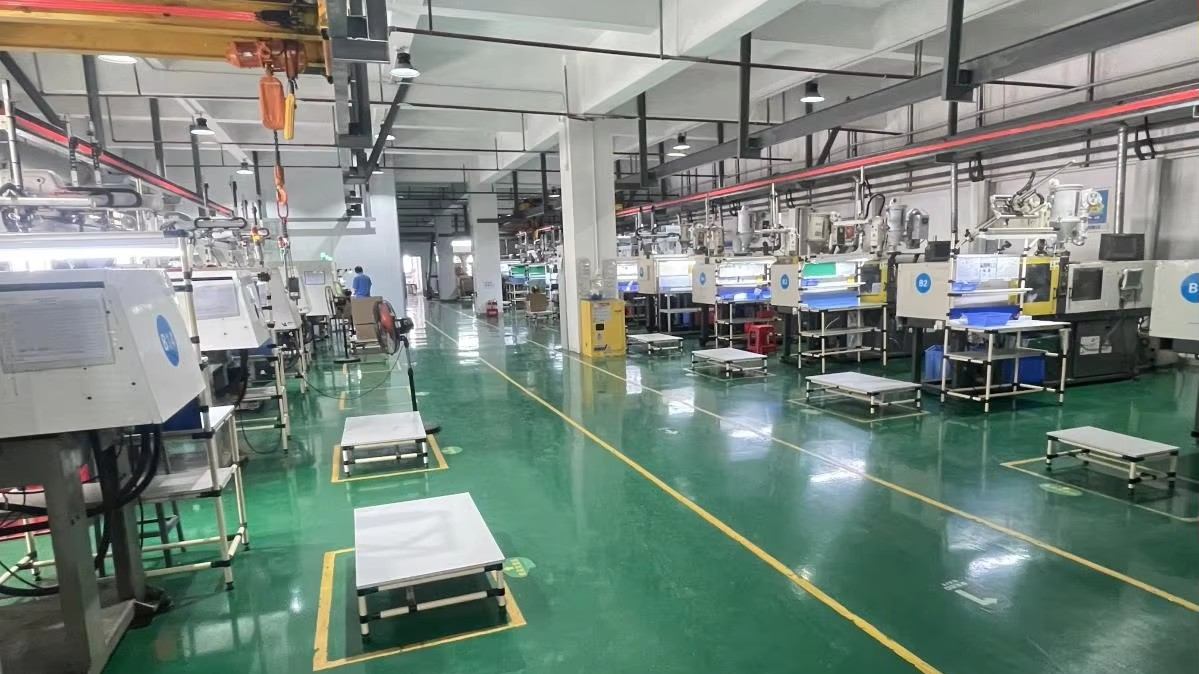
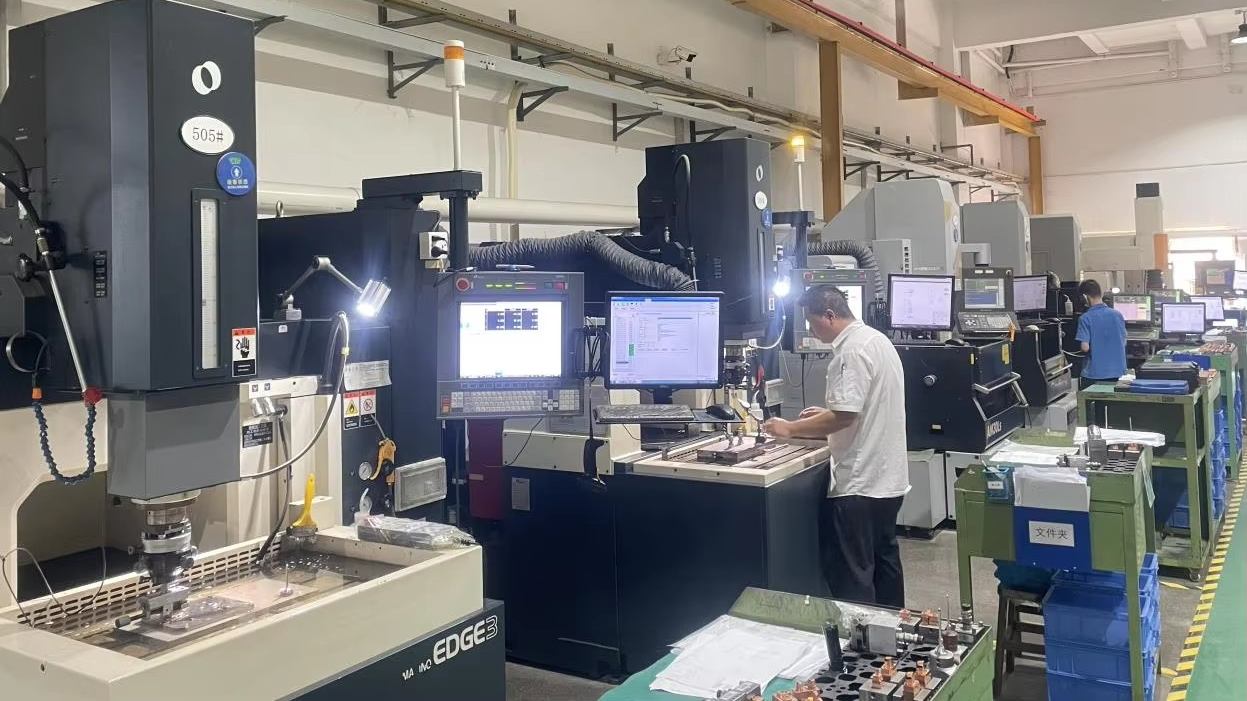
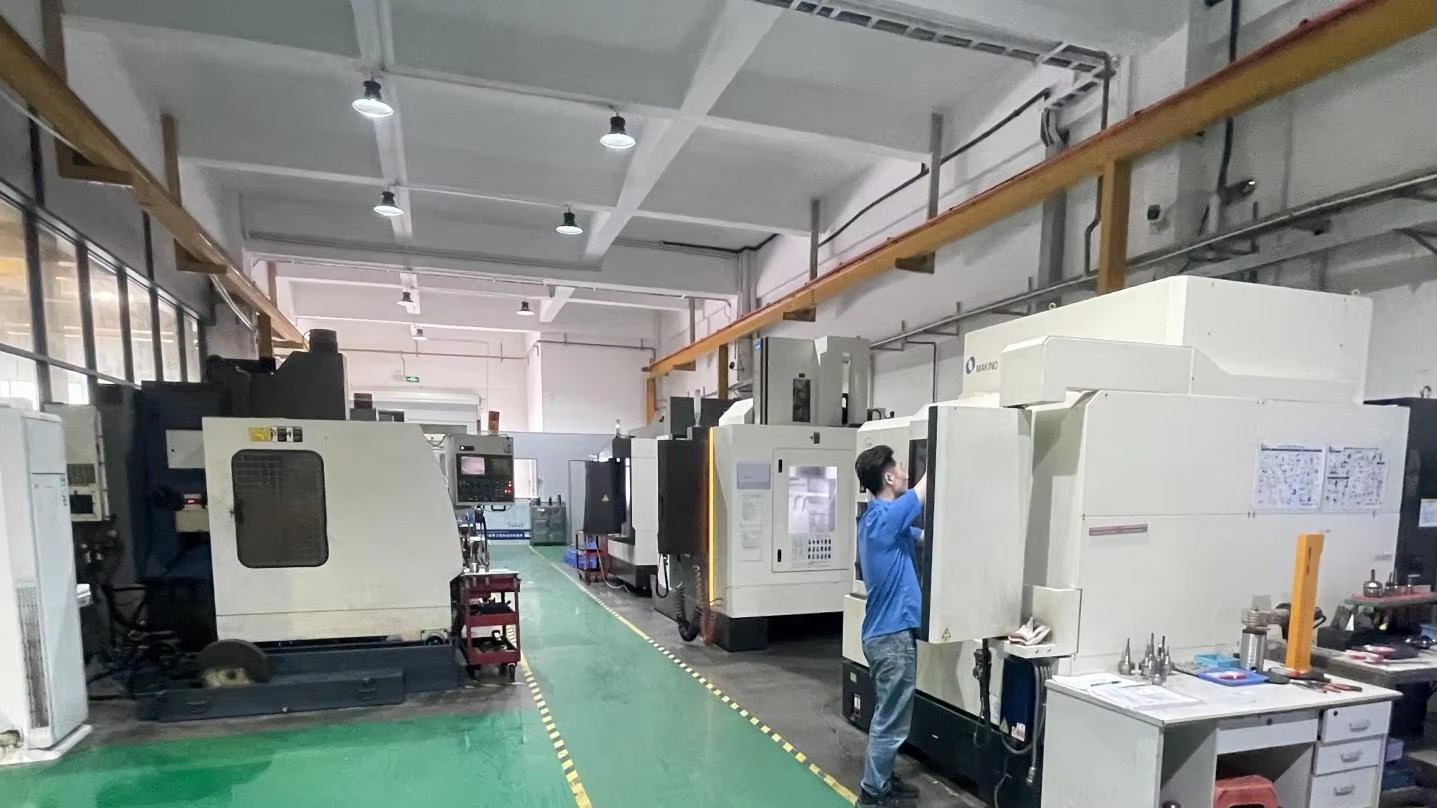
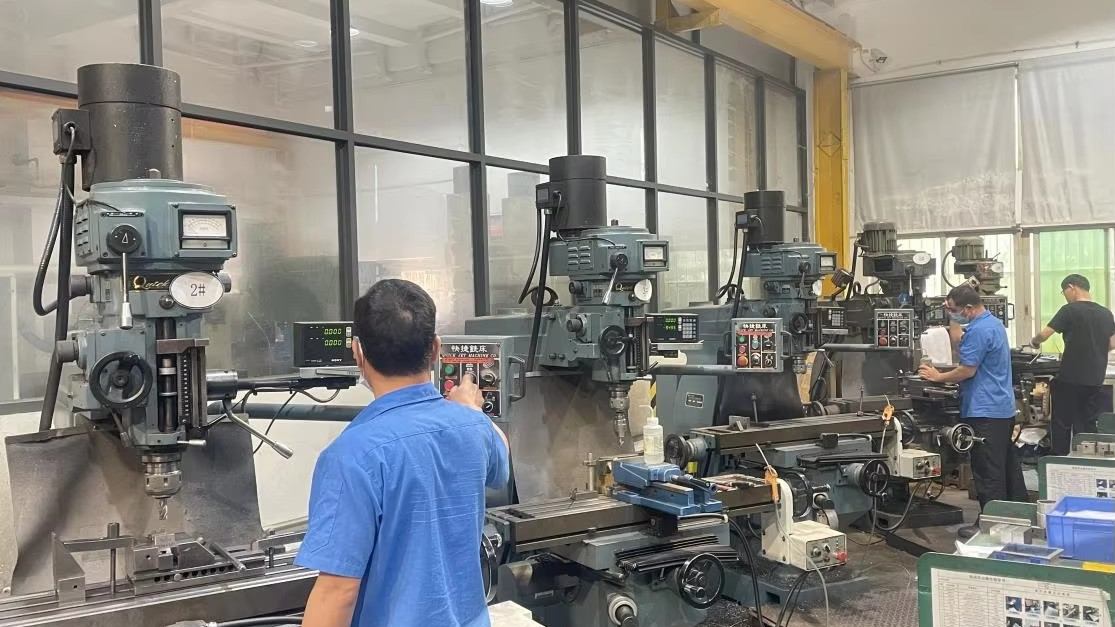
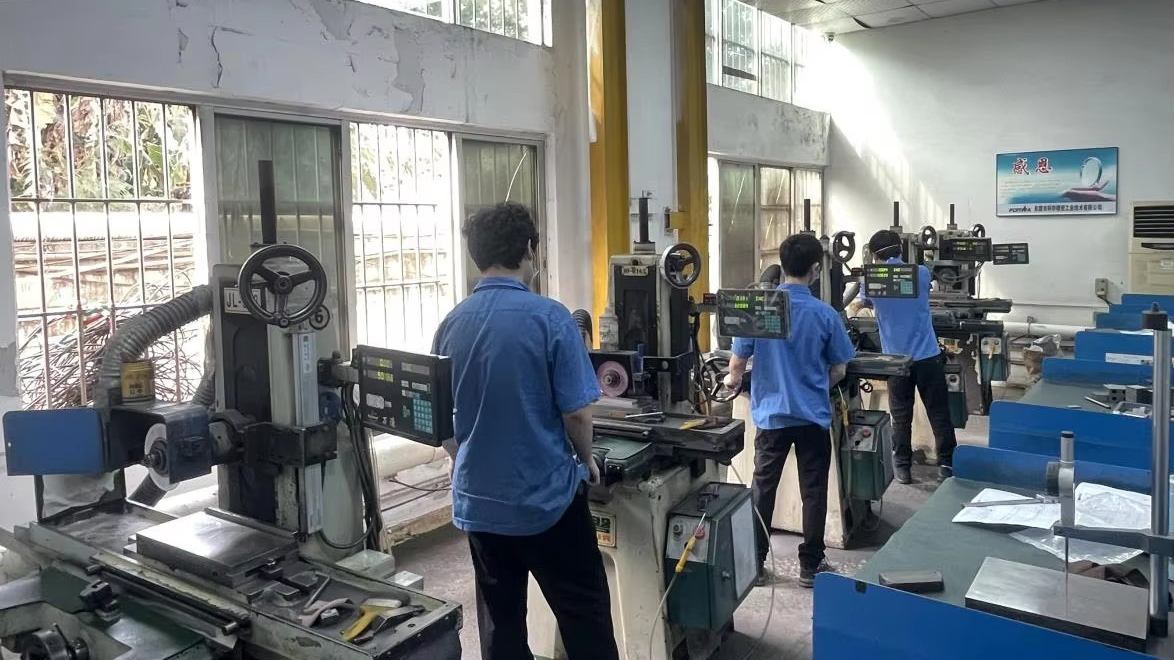
From die parts processing and mold making through micro injection molding and final testing, our processes ensure strict compliance with international precision standards.
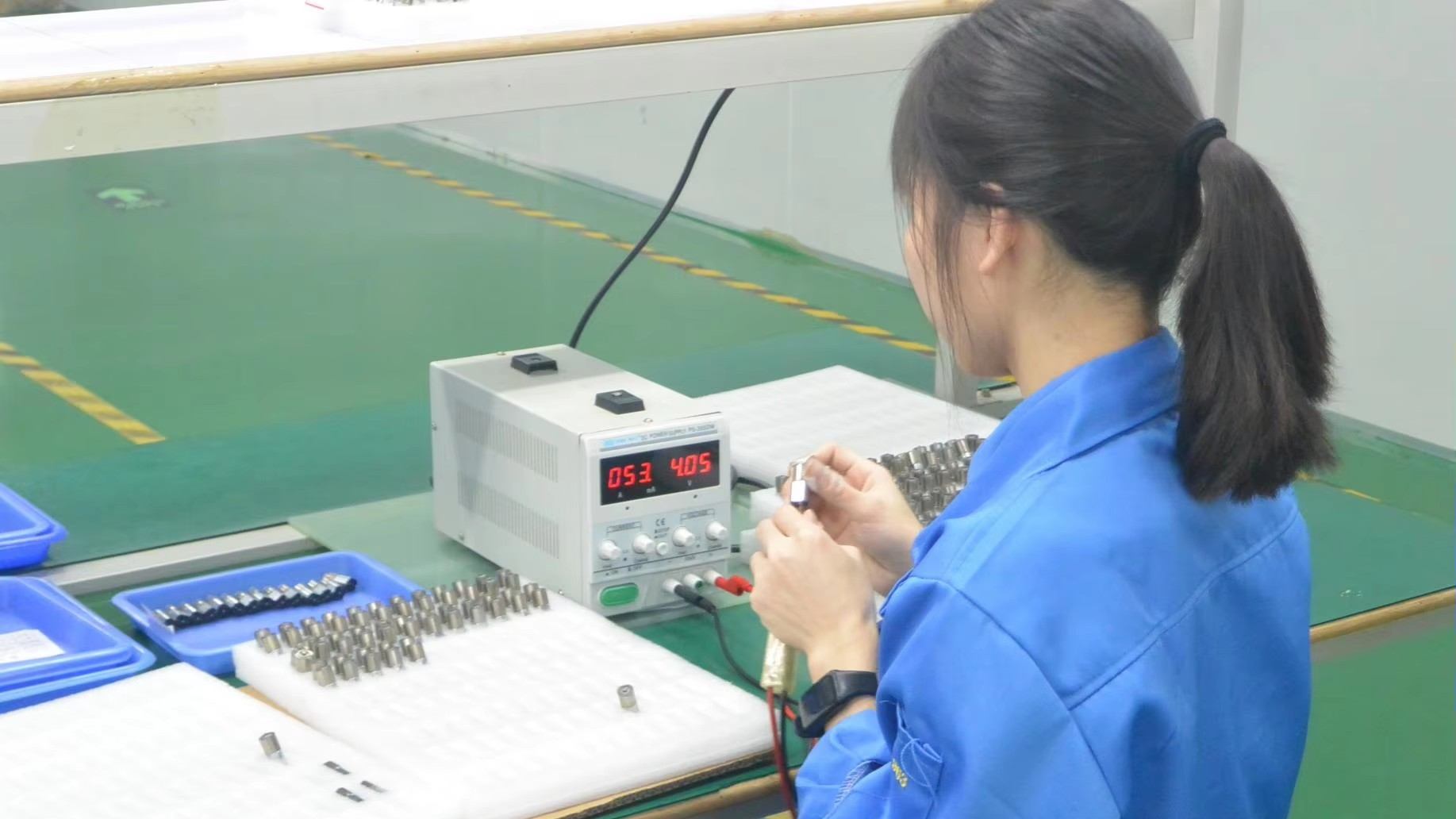
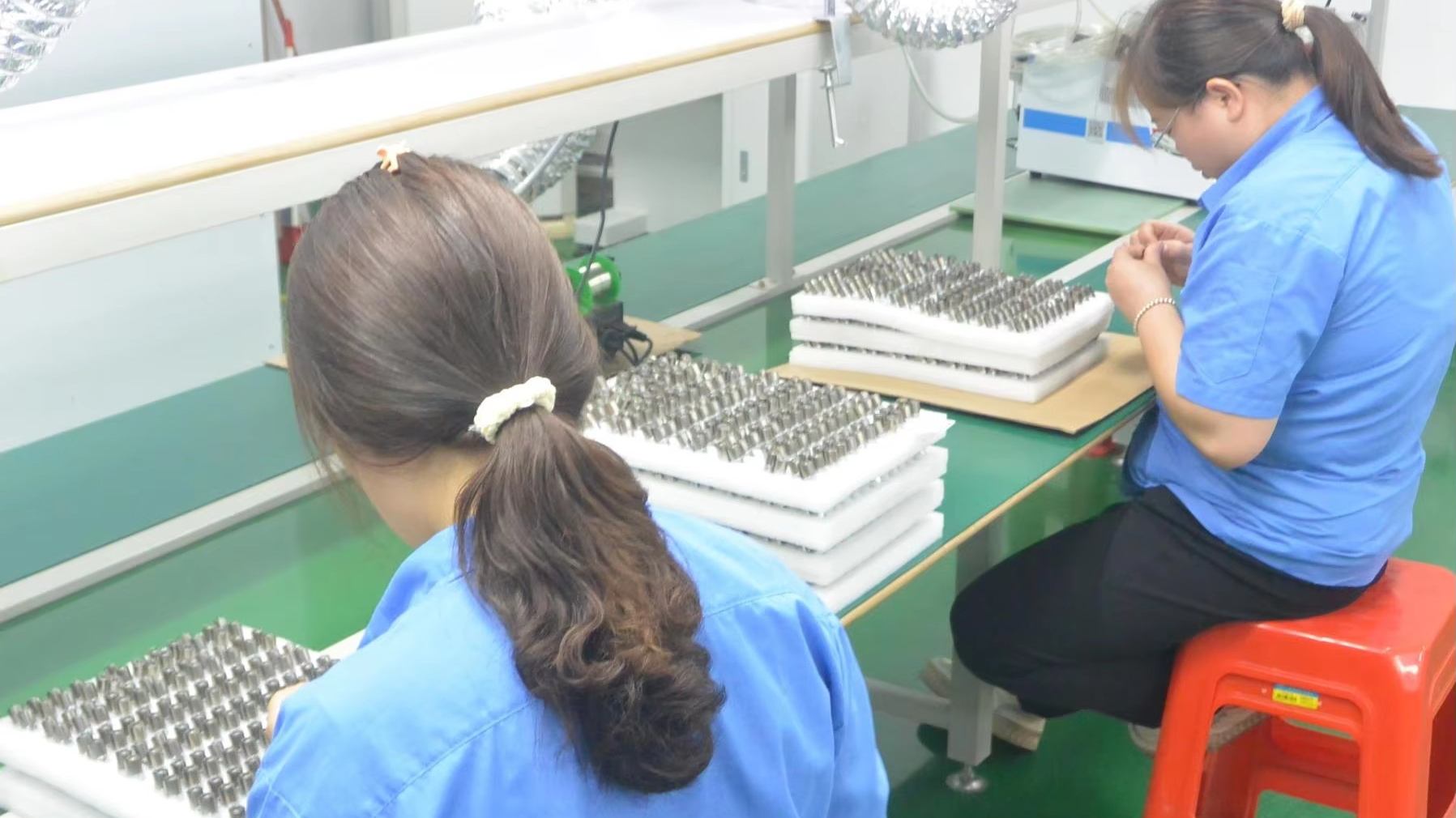
Micron-level gear geometry verification to eliminate tooth profile deviations, composite runout, and high-frequency noise signature issues.
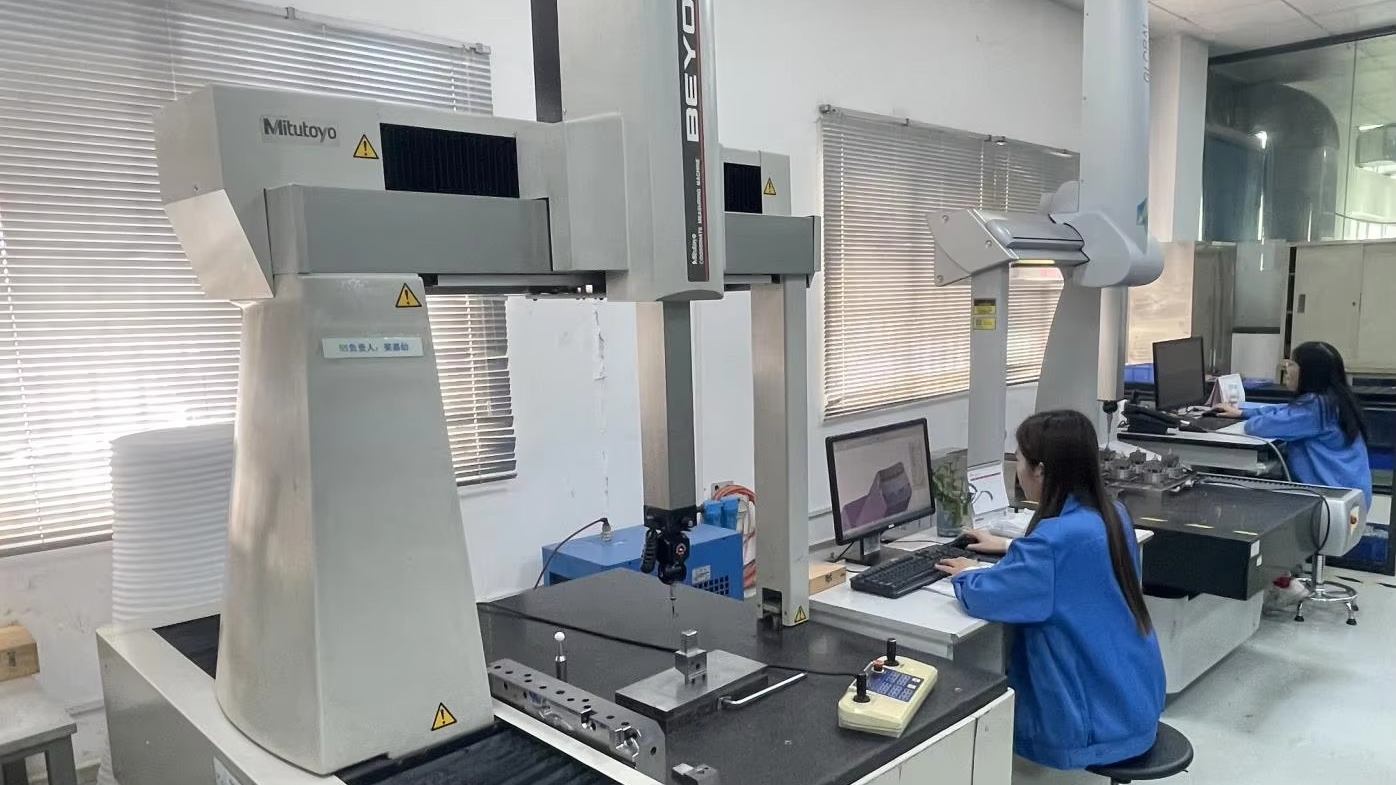
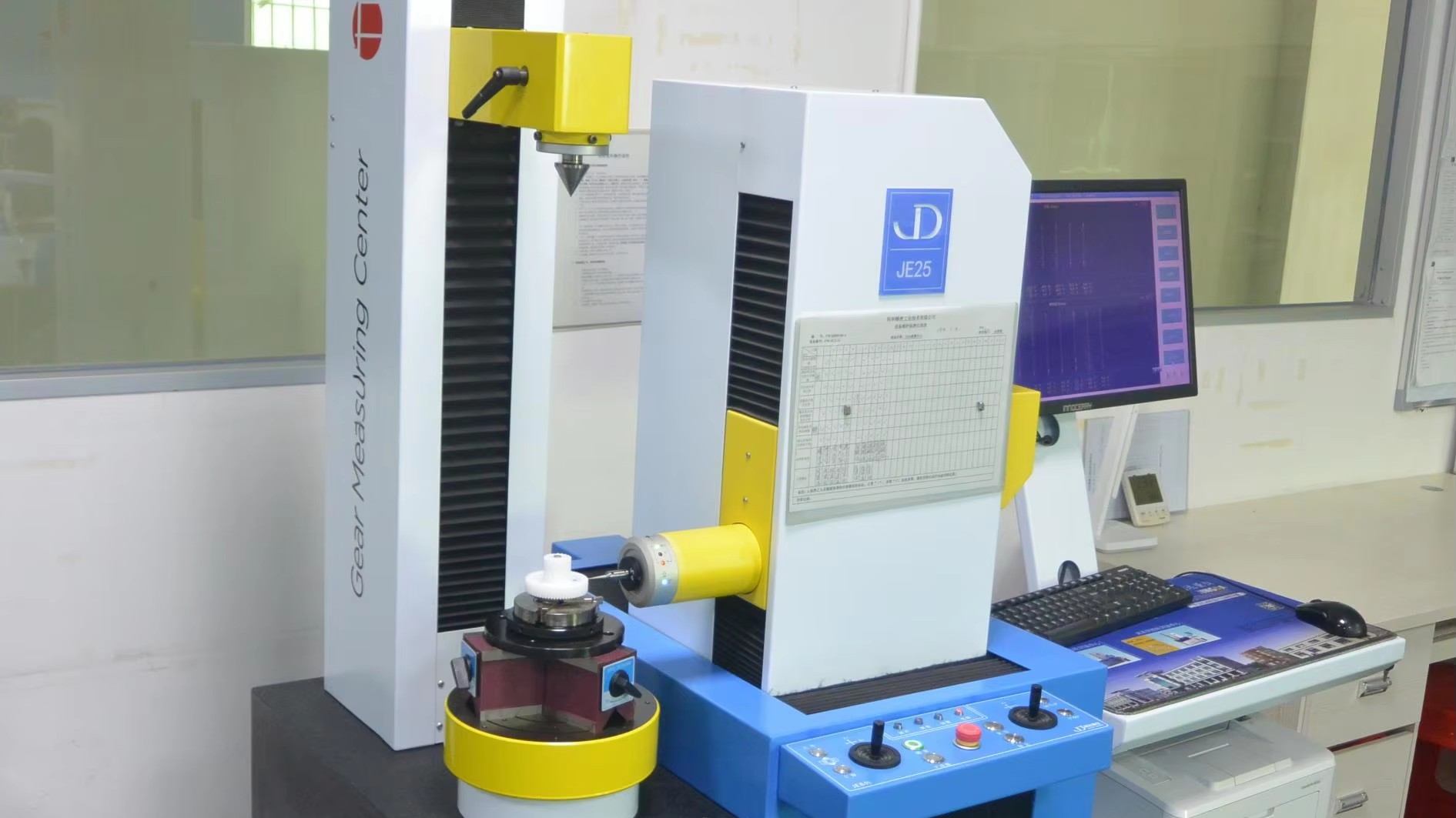
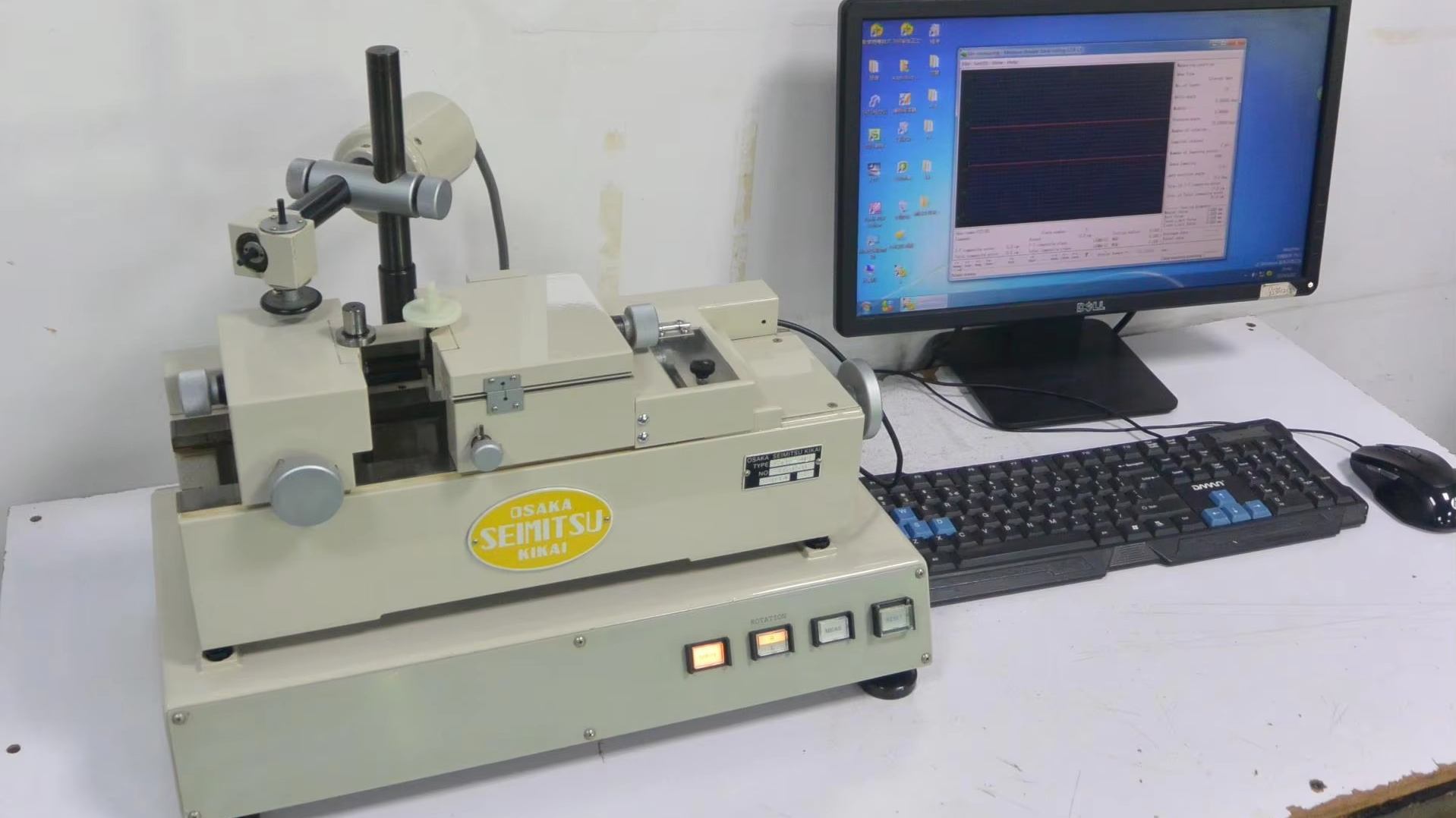
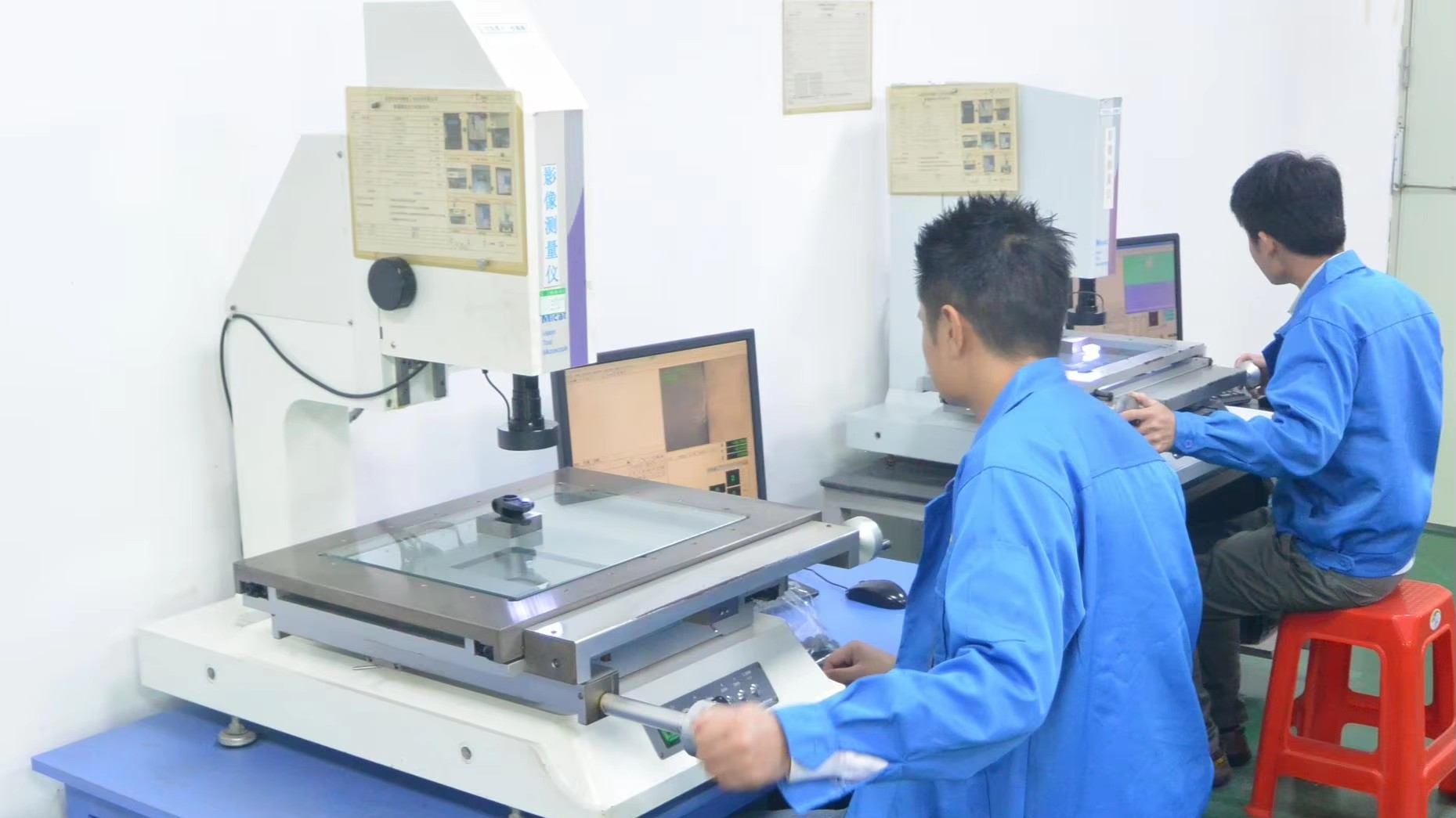
A plastic gear's performance is governed by its geometry. In micro-molding, small fluctuations in temperature or injection pressure can lead to out-of-round conditions, variations in pitch, or profile errors. For applications such as micro planetary gearboxes used in camera stabilization or security smart locks, even a minor deviation of 10 microns can lead to high-frequency backlash, acoustic whine, or premature mechanical failure.
To prevent this, our facilities utilize a comprehensive verification sequence. Using a Coordinate Measuring Machine (CMM) and the specialized JE25 Measurement Center, we trace the involute profile of gear teeth to verify tooth thickness and pitch cylinder concentricity. The Gear Meshing Instrument conducts double-flank rolling tests to evaluate Total Composite Error (Fi") and Tooth-to-Tooth Composite Error (fi"). Finally, the non-contact Image Measuring Instrument verifies micro-molded gear teeth (modules as small as 0.15) without physically distorting the flexible polymer edges.
Developing high-performance gear trains for the demanding Los Angeles commercial sector requires an understanding of how polymer structures behave under load, temperature variations, and sliding velocities. Unlike metals, which exhibit isotropic properties and minimal thermal expansion under normal ranges, polymers require specific design considerations.
POM is the material of choice for high-precision, low-backlash gears. Its high crystallinity provides excellent dimensional stability, low moisture absorption, and high fatigue resistance. Under cyclic loading, POM retains its tooth shape better than most plastics, making it ideal for the spur and pinion components found in smart lock systems and camera actuators.
Nylon, conversely, offers superior impact strength and wear resistance, especially when running against metal pinions. However, nylon is hygroscopic—it absorbs atmospheric moisture, which causes volumetric expansion and a minor drop in mechanical strength. During our DFM phase, we calculate this expansion based on the typical humidity profiles of Southern California to adjust the mold cavity dimensions accordingly, preventing tight meshing and binding in field operations.
When plastic is injected into a mold cavity, it shrinks as it cools. For spur gears with a modulus of 0.2 to 0.65, shrinkage is not uniform. The polymer molecules align along the flow path, creating anisotropy (varying shrinkage rates in radial vs. tangential directions). This can warp the gear wheel, converting a perfect circle into an ellipse.
TQC Micromotor resolves this through advanced Mold Flow Analysis. By optimizing the gate location (often using a balanced multi-point diaphragm gate or a sub-gate at the center of the gear), we ensure uniform radial filling. Our EDM and slow-wire cutting processes prepare the tool steel with high precision, pre-compensating for shrinkage rates to produce molded components that meet ISO Class 8 gear standards right out of the machine.
From our interactions with tech firms and supply chain managers in the Los Angeles metro area, we have optimized our micro planetary gear motors and custom spur gears for three critical local industries:
Miniature unmanned aerial vehicles (UAVs), remote sensor positioning arrays, and satellite solar panel tracking systems require lightweight actuator packages. Heavy steel or brass gearboxes add unnecessary weight. Our high-precision 12mm and 6mm micro planetary gearboxes utilize carbon-fiber-reinforced POM gears, providing the necessary torque density while reducing weight by up to 75% compared to all-metal gearboxes.
Medical fluid pumps, automated analyzers, and robotic surgical tools require ultra-smooth motion without the risk of contamination from traditional greases. Our self-lubricating nylon gears (infused with PTFE or silicone lubricants) run dry while maintaining low friction and minimal heat generation. This design prevents chemical outgassing and fluid contamination in sterile environments.
Smart home locks demand high torque in a compact form factor to actuate deadbolts, combined with long battery life. This requires efficient micro-motors and low-loss gear trains. Our 3V 6mm and 12mm micro planetary motors feature coreless motor windings integrated with multi-stage plastic gearboxes, ensuring low current draw and a long operating life cycle.
Common questions from design engineers, purchasing agents, and quality control specialists regarding polymer selection, tolerances, and supply chain logistics.
Select from our standard module gears or request custom modifications. All gearboxes and micro gears can be modified to your application's mechanical and load profiles.
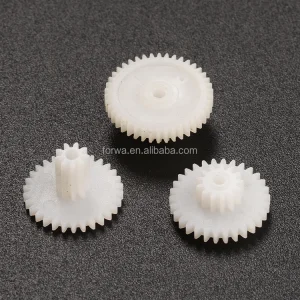
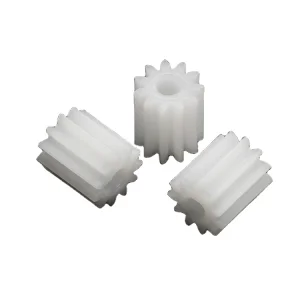
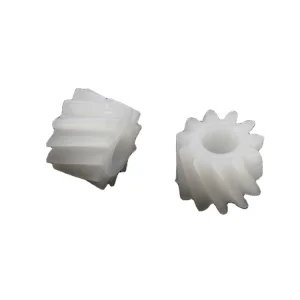
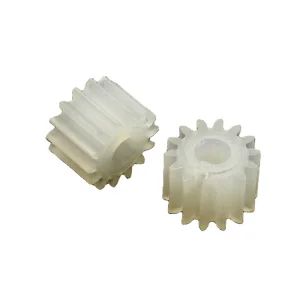
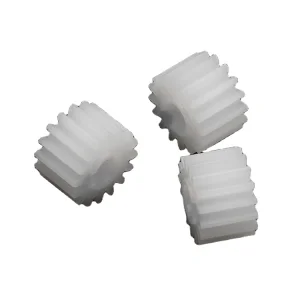
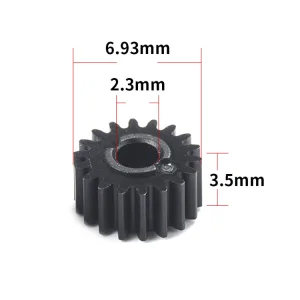
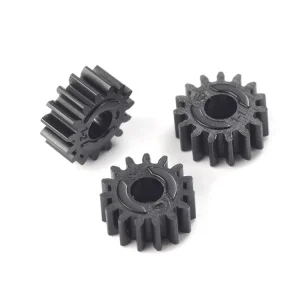
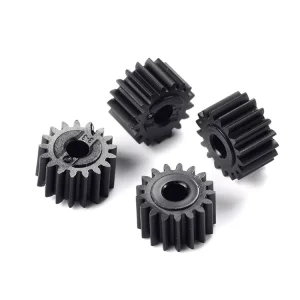
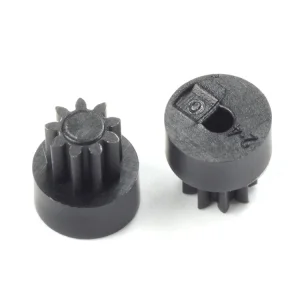
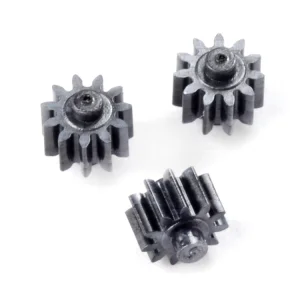
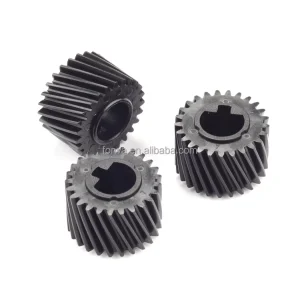
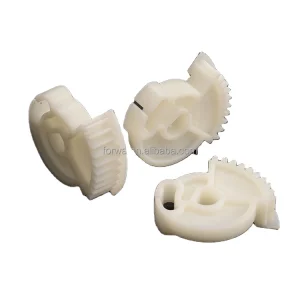
Contact our engineering and sales department today to request a comprehensive DFM review, obtain customized tooling quotations, or receive material qualification samples.
 Stepper Motor