Our micro planetary gearboxes and precision gear molds represent the bleeding edge of polymer engineering. Optimized specifically to handle high humidity, elevated operating temperatures, and demanding duty cycles in Southeast Asian manufacturing hubs, these components represent the pinnacle of reliability.
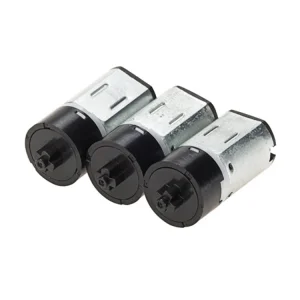
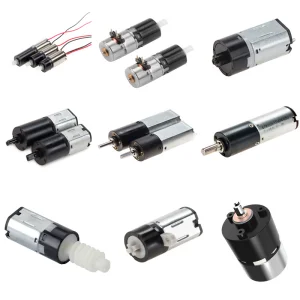
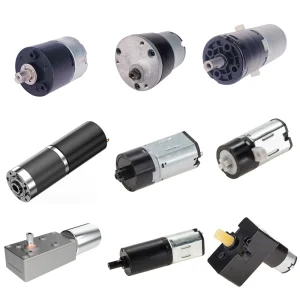
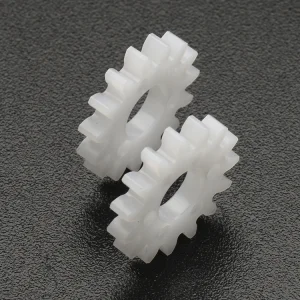
Thailand's industrial sectors are shifting dynamically towards higher value-added manufacturing. Driven by the government's Thailand 4.0 blueprint and the rapid development of the Eastern Economic Corridor (EEC), sectors such as smart electronics, medical device manufacturing, automotive sub-assemblies, and precision robotics are demanding higher reliability from micro-transmission units. Historically dependent on metal gears, OEMs in Thailand are rapidly switching to high-performance thermoplastic polymers like Polyoxymethylene (POM), Delrin, Nylon, and ABS to optimize mechanical efficiency, weight, and component longevity.
The unique tropical climate and high relative humidity in Thailand call for component materials that are immune to corrosion and structural expansion. Plastic gears do not rust, do not suffer from galvanic corrosion, and require zero external liquid lubricants when formulated with self-lubricating materials like POM or Nylon. Our customized gear designs are currently applied in:
TQC Micromotor is a forward-thinking Chinese manufacturer redefining precision motion control in the micro-drive industry. We design and build high-efficiency micro DC and BLDC motors, paired with complex, custom-engineered plastic planetary gearboxes, powering next-generation technologies worldwide.
Driven by our core philosophy—Top Quality & Customization—we combine advanced manufacturing tech with flexible engineering to provide global B2B clients with the transparency of a local partner and the cost benefits of a premier Chinese factory. Built to last. Engineered to fit.
By controlling the entire process in-house—from mold design using state-of-the-art software to high-volume injection molding, robotic assembly, and rigorous testing on advanced coordinate measuring machines (CMM)—we guarantee that every batch delivered to Thailand complies with the strictest quality thresholds.
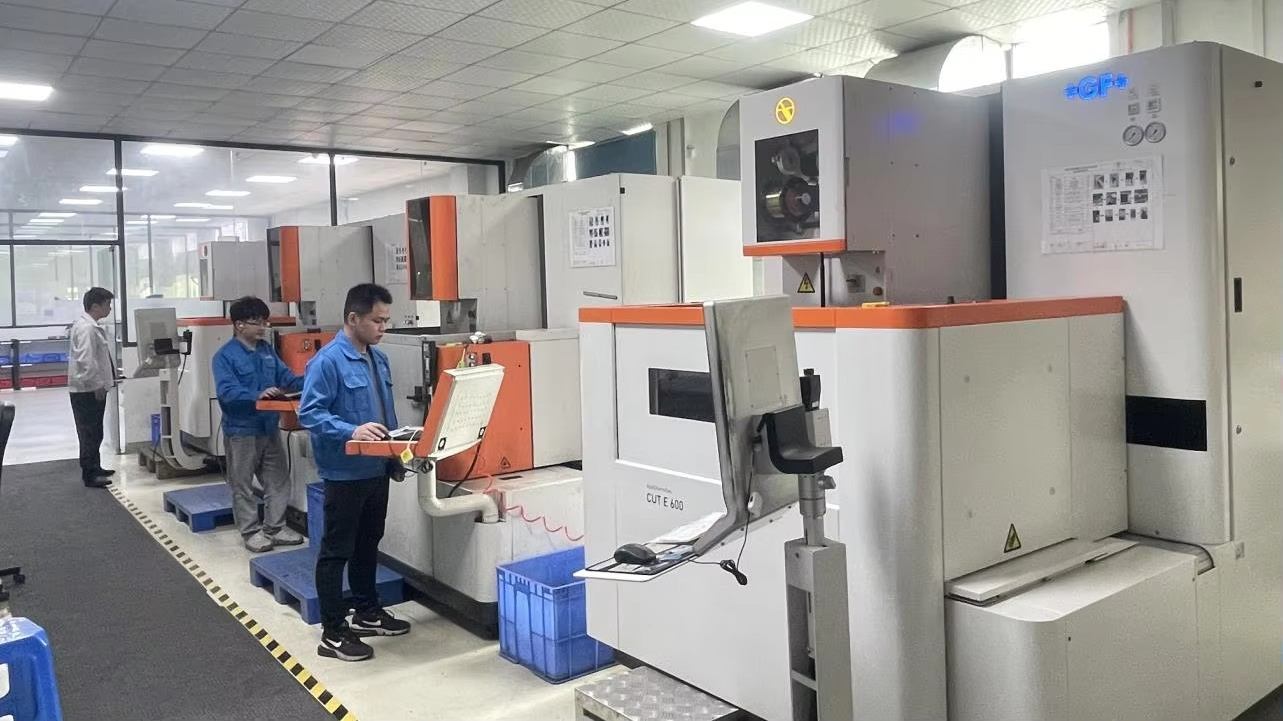
For industrial buyers in Thailand, importing precision plastic gears from TQC in China offers a unique competitive edge. The benefits run deeper than labor arbitrage. Our factory leverage resides in the cluster of tooling suppliers, massive economies of scale in polymer raw-material sourcing (POM, Nylon, LCP), and automated continuous production cycles. While local Thai injection molders often focus on large automotive body parts or structural plastics, TQC specializes in micro-module gearing (modules ranging from 0.15 to 0.8), which requires specialized Swiss and Japanese tooling centers (EDM, CNC, Grinding) that are scarce in SEA.
| Specification Parameters | Standard Plastic Injection Molder | TQC Precision Gear Factory |
|---|---|---|
| Minimum Modulus Cap | 0.5 Module | 0.15 Module (Micro-gears) |
| Dimension Tolerance | ±0.03 mm | Within ±0.005 mm |
| Material Engineering | General ABS, PP, Nylon | Carbon fiber filled POM, PEEK, High-temp Nylon |
| Testing Infrastructure | Basic calipers & profile projectors | Coordinate Measuring Machine (CMM), JE25 Center, Gear Meshing Instruments |
Quality isn't checked at the end; it is designed into every stage of the manufacturing chain. Our integrated facility executes all critical processes internally, maintaining extreme consistency for bulk shipments headed to Southeast Asia.
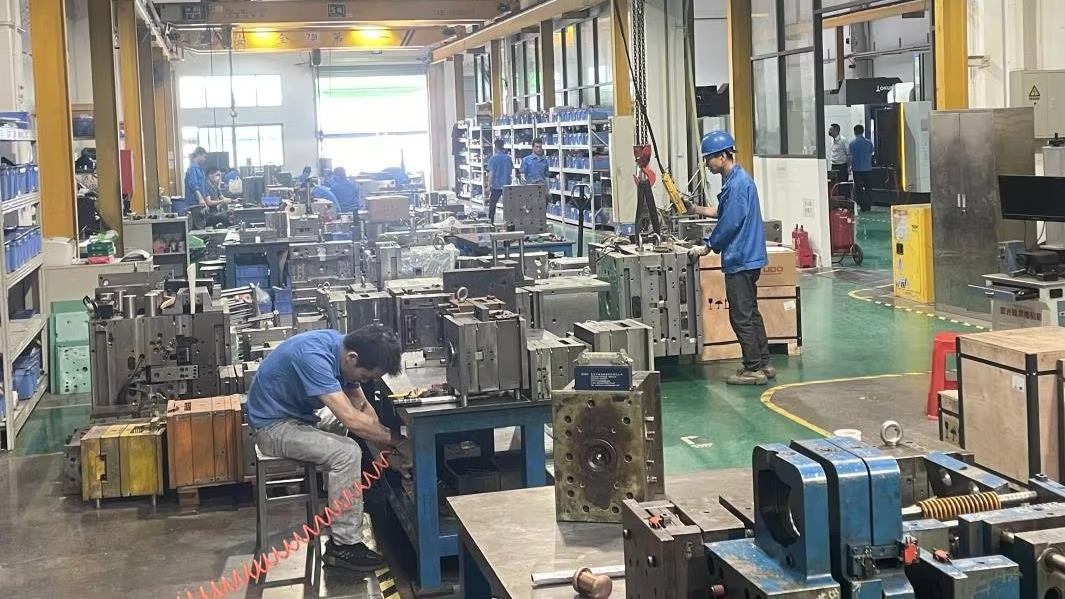
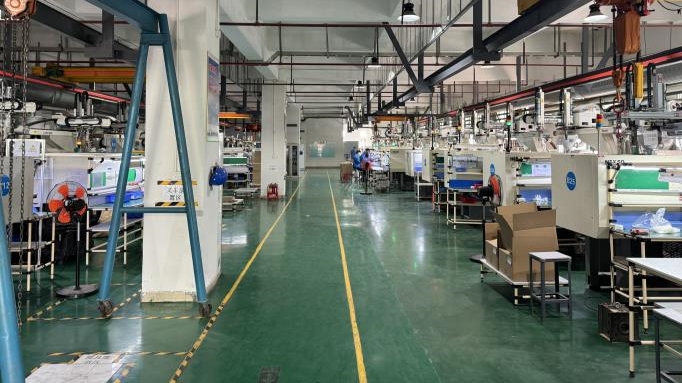
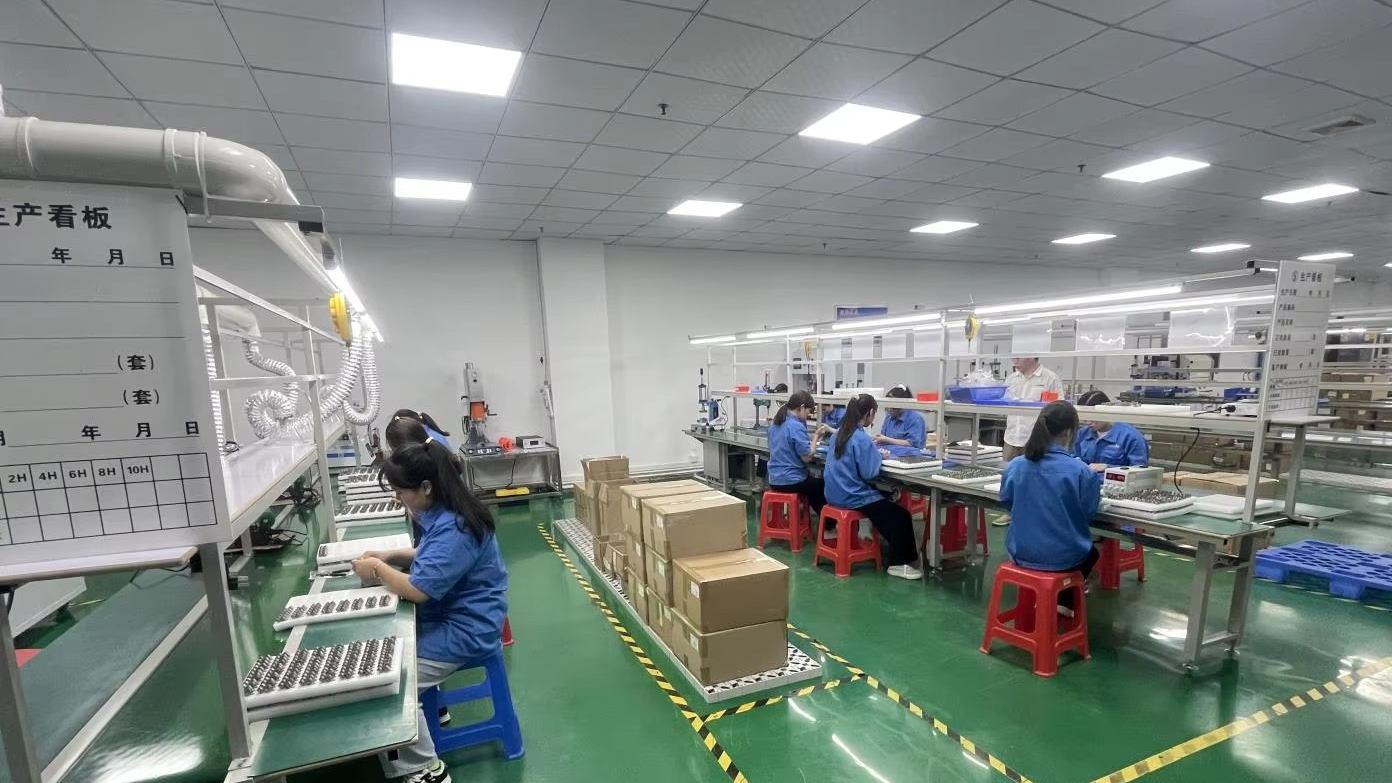
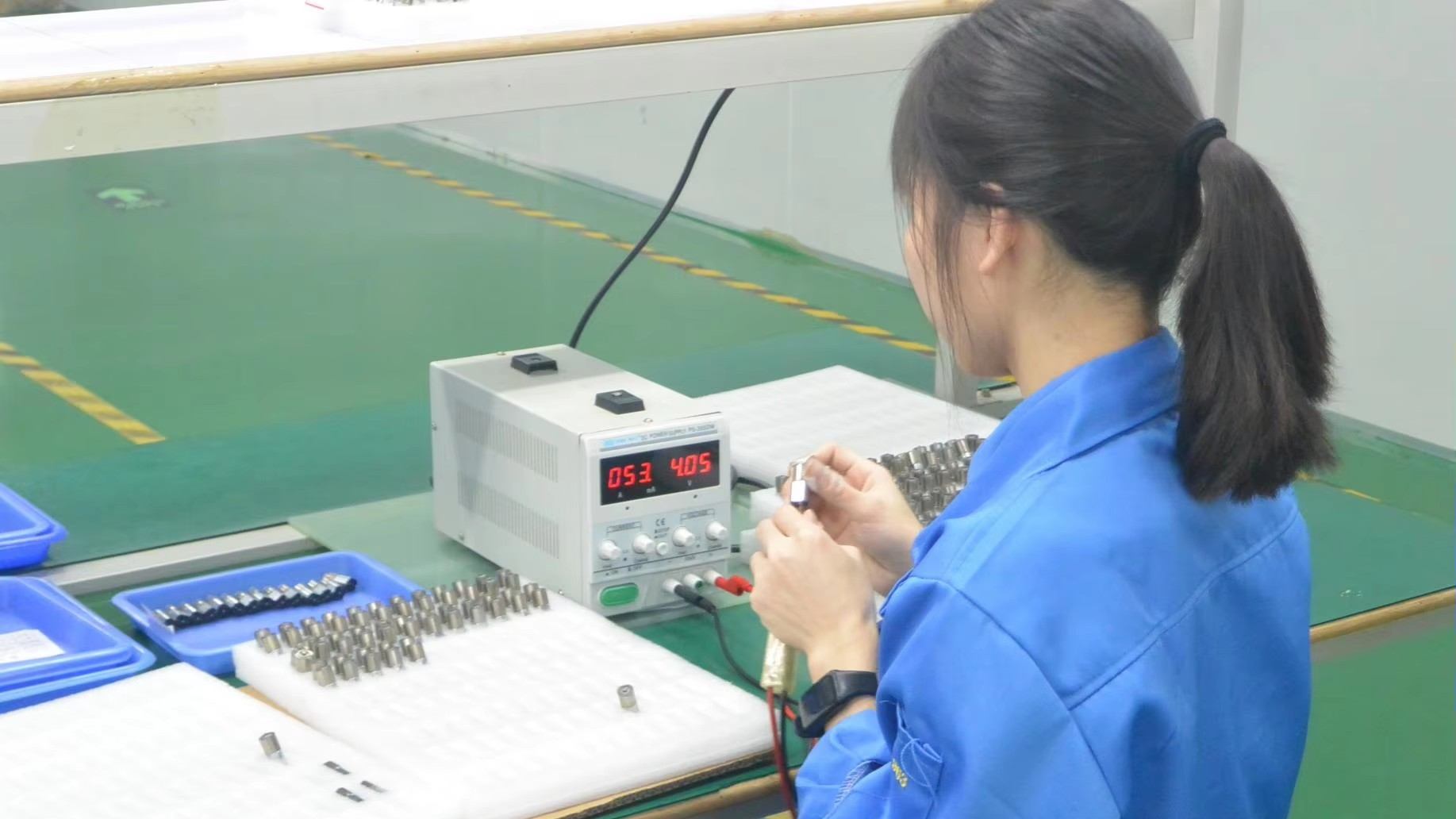
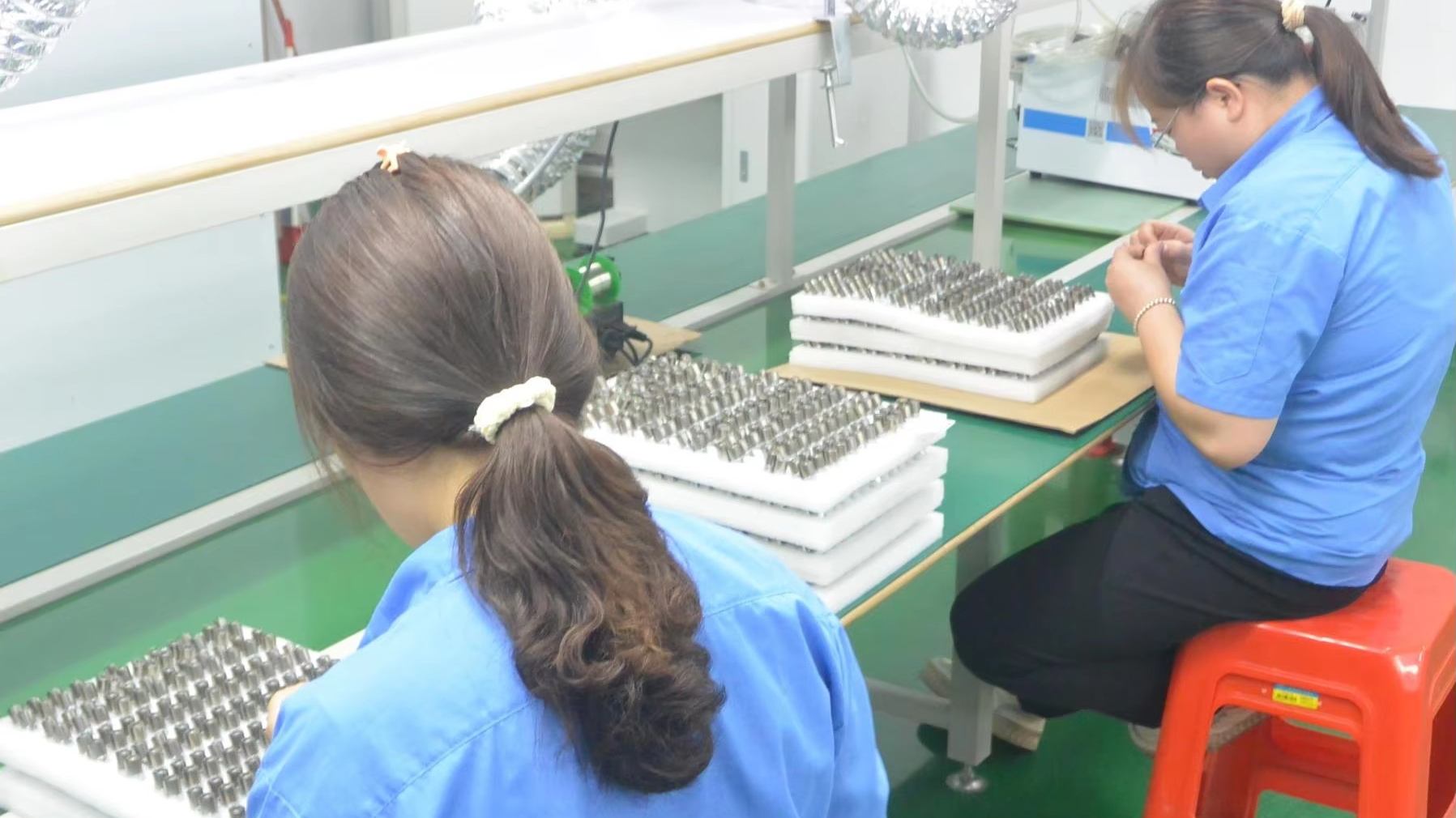
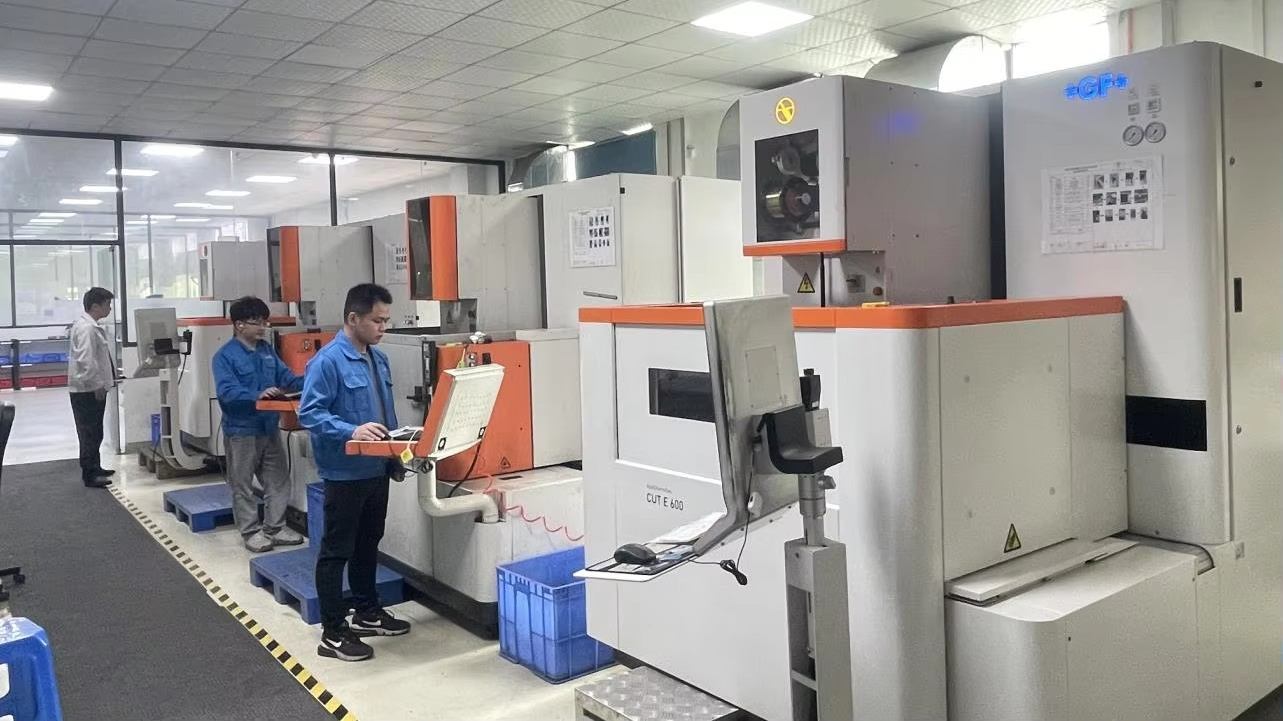
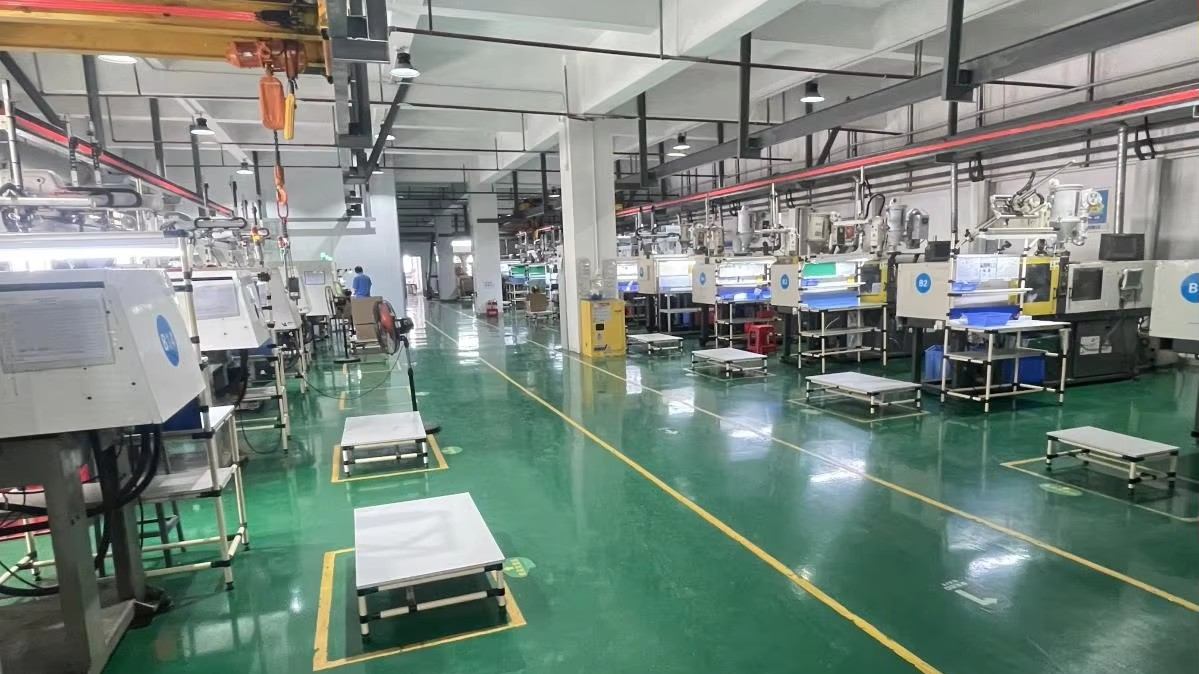
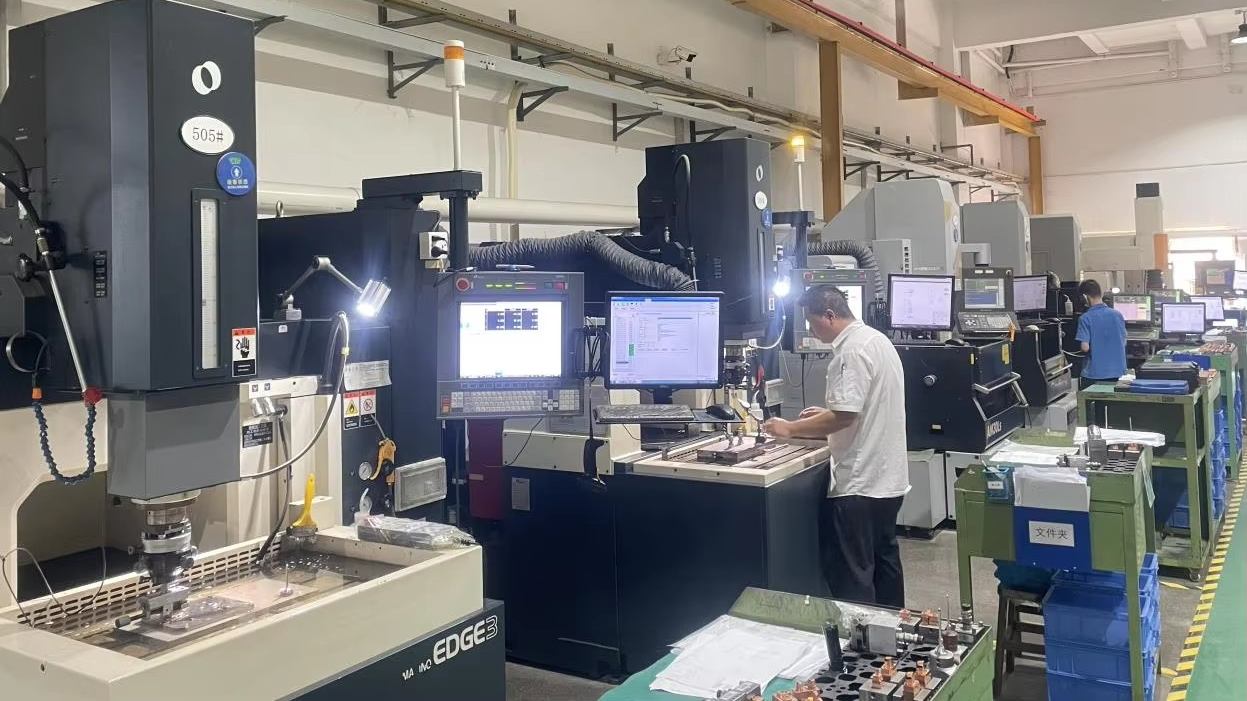
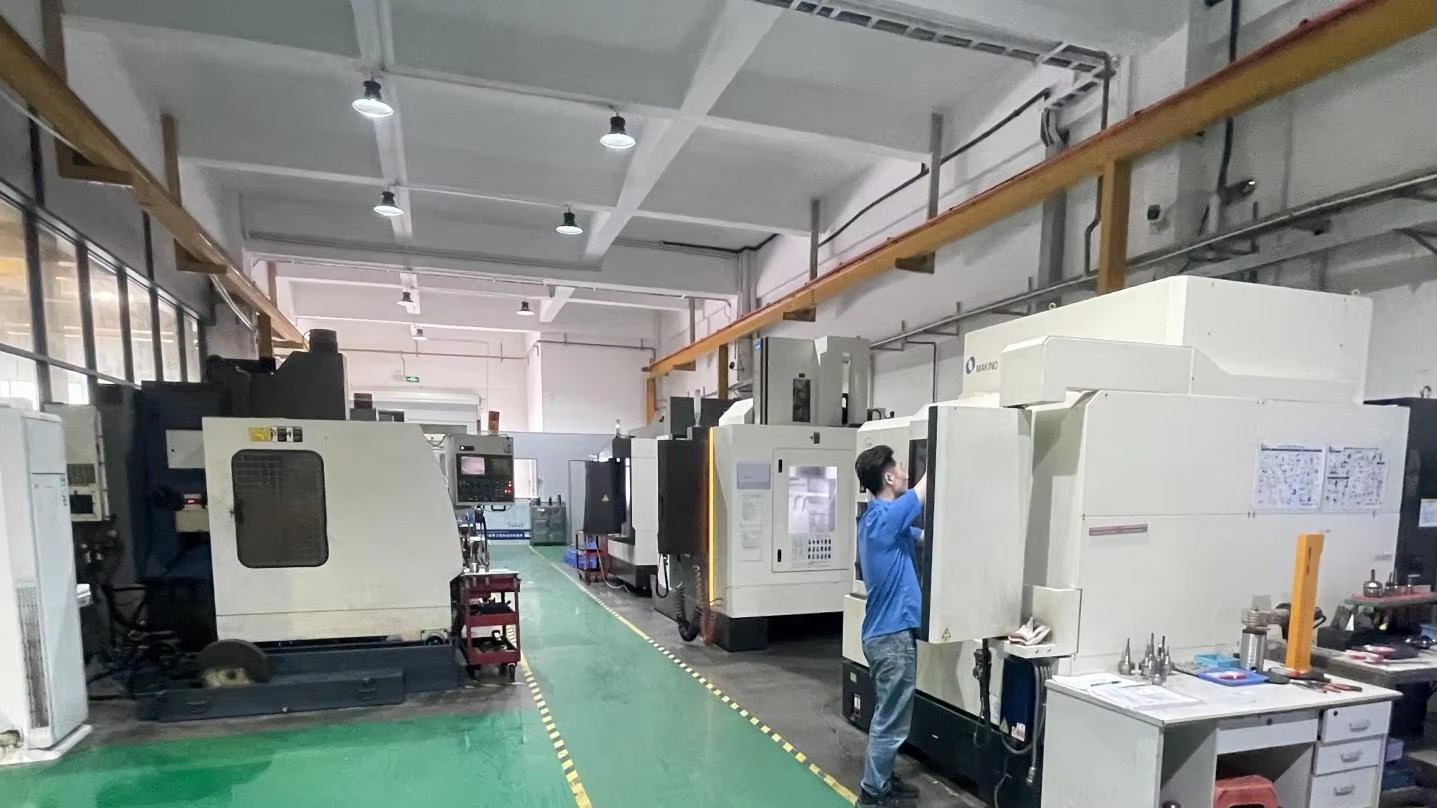
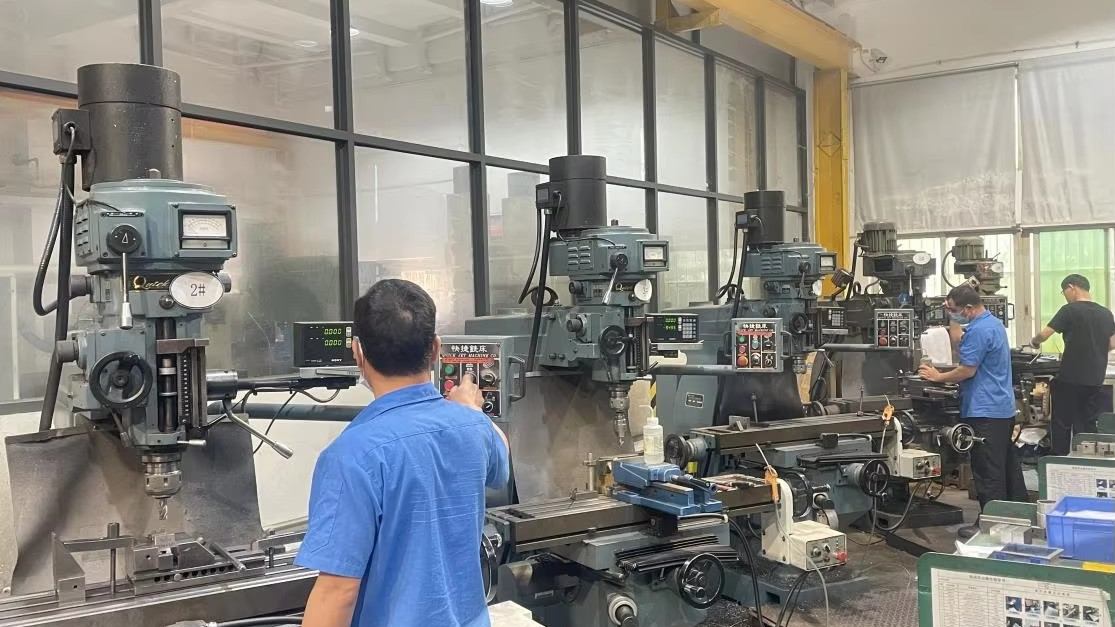
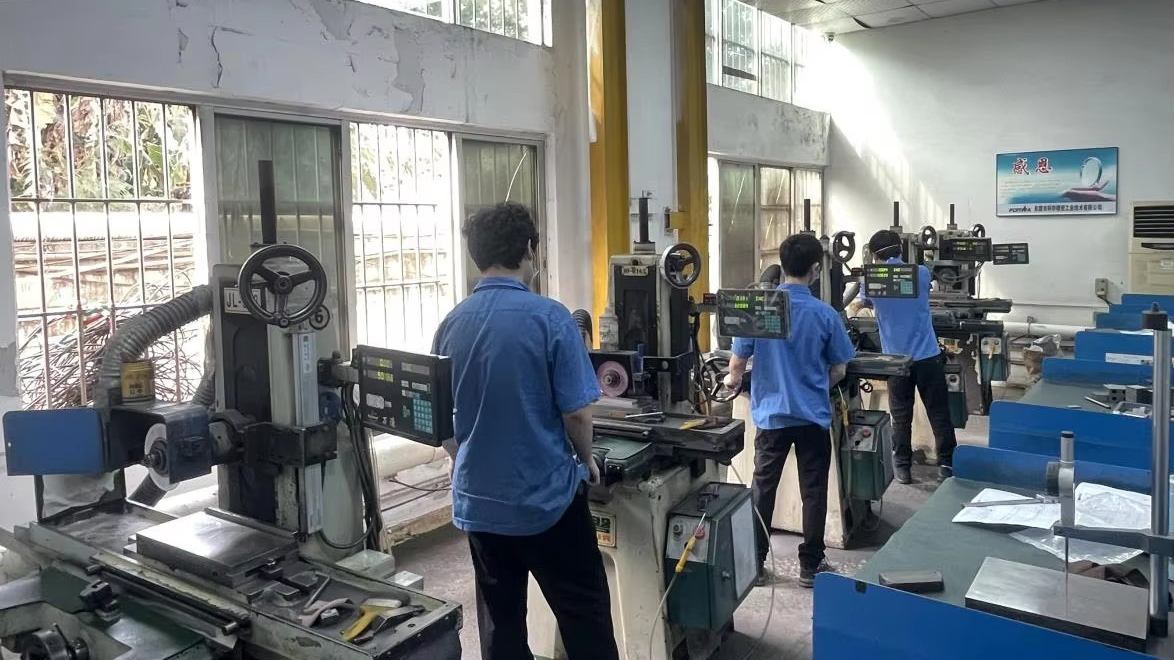
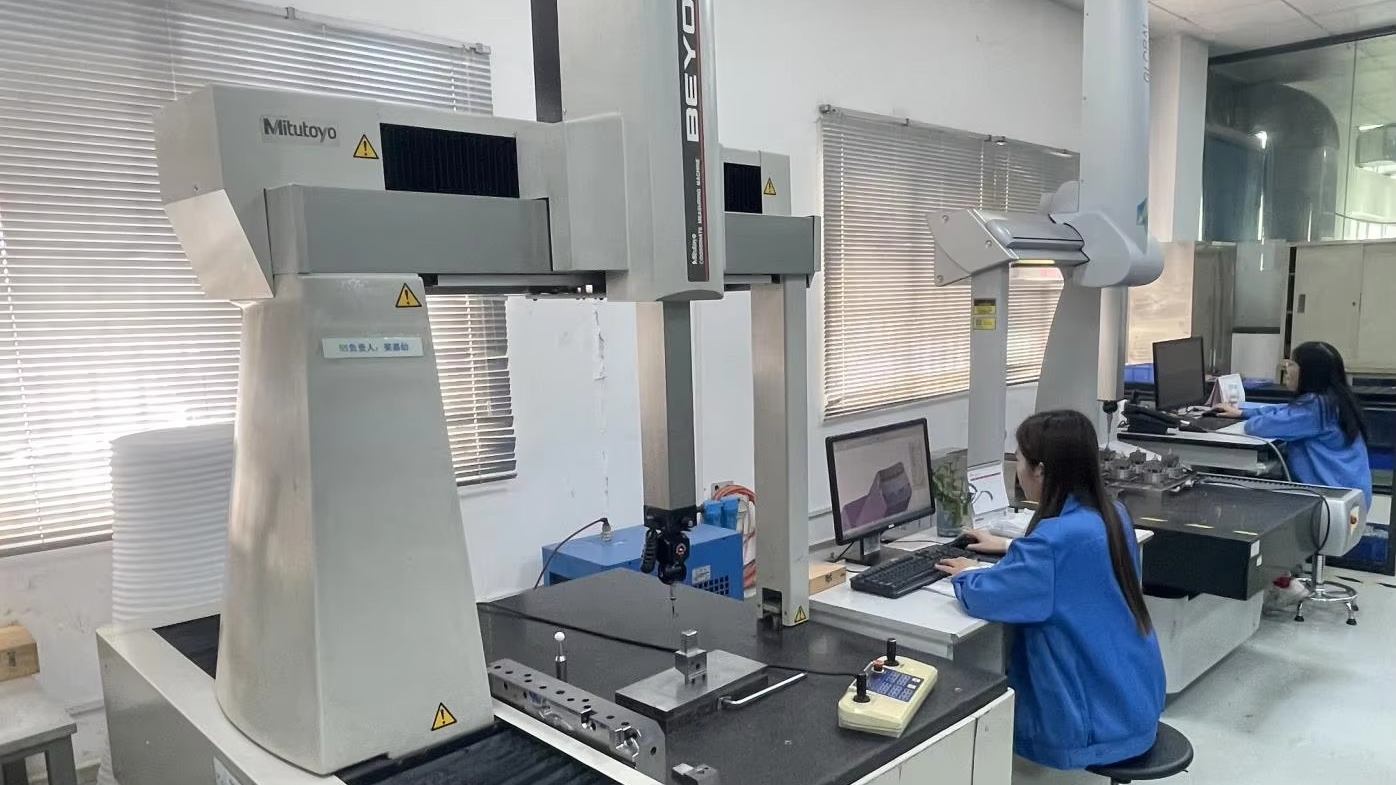
Our commitment to high reliability is backed by a fully equipped measurement and verification facility. Standard tactile verification tools are insufficient for micro-gears with module specs below 0.3. Here are the core technologies we leverage to guarantee dimensional accuracy and concentricity:
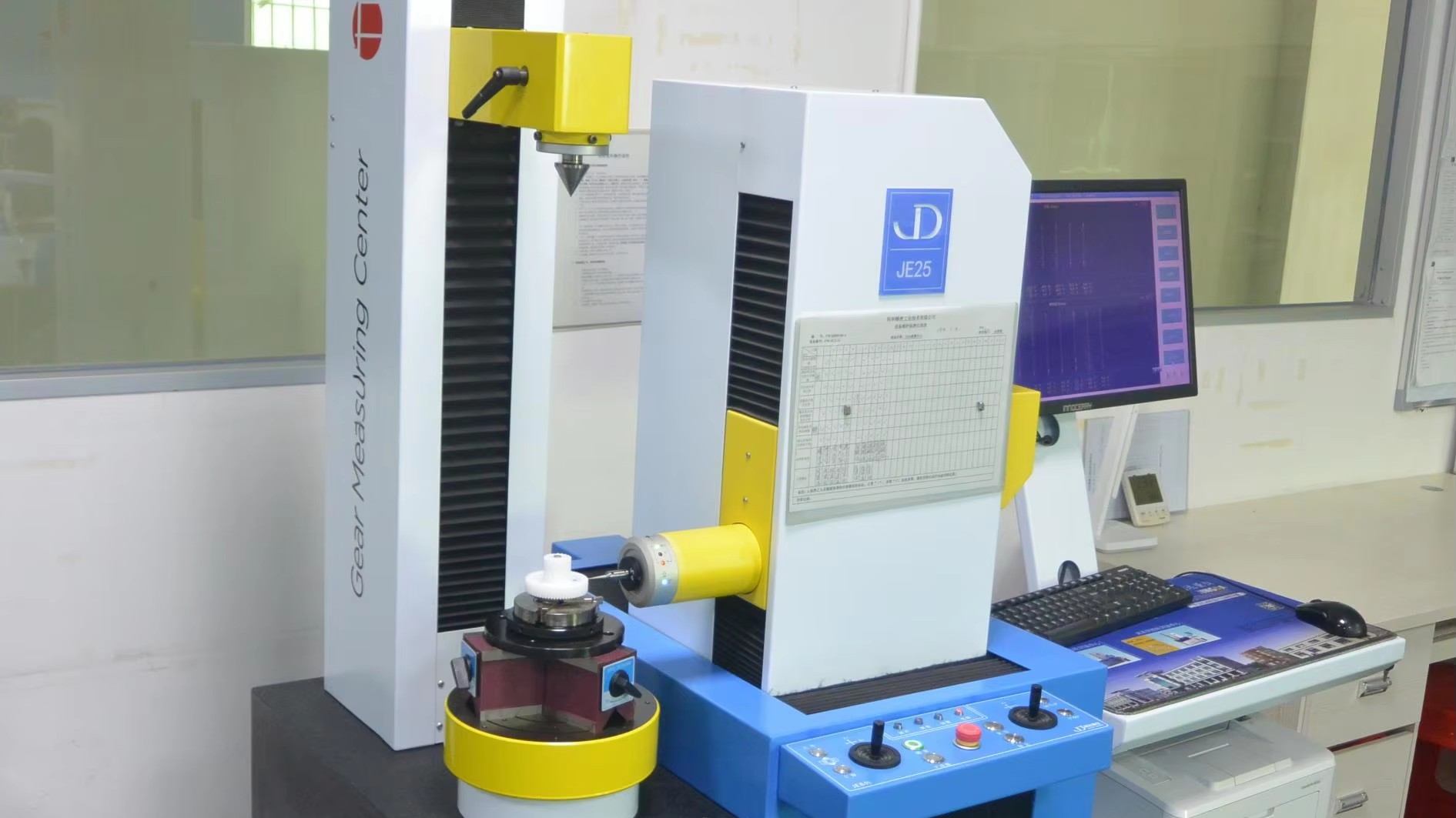
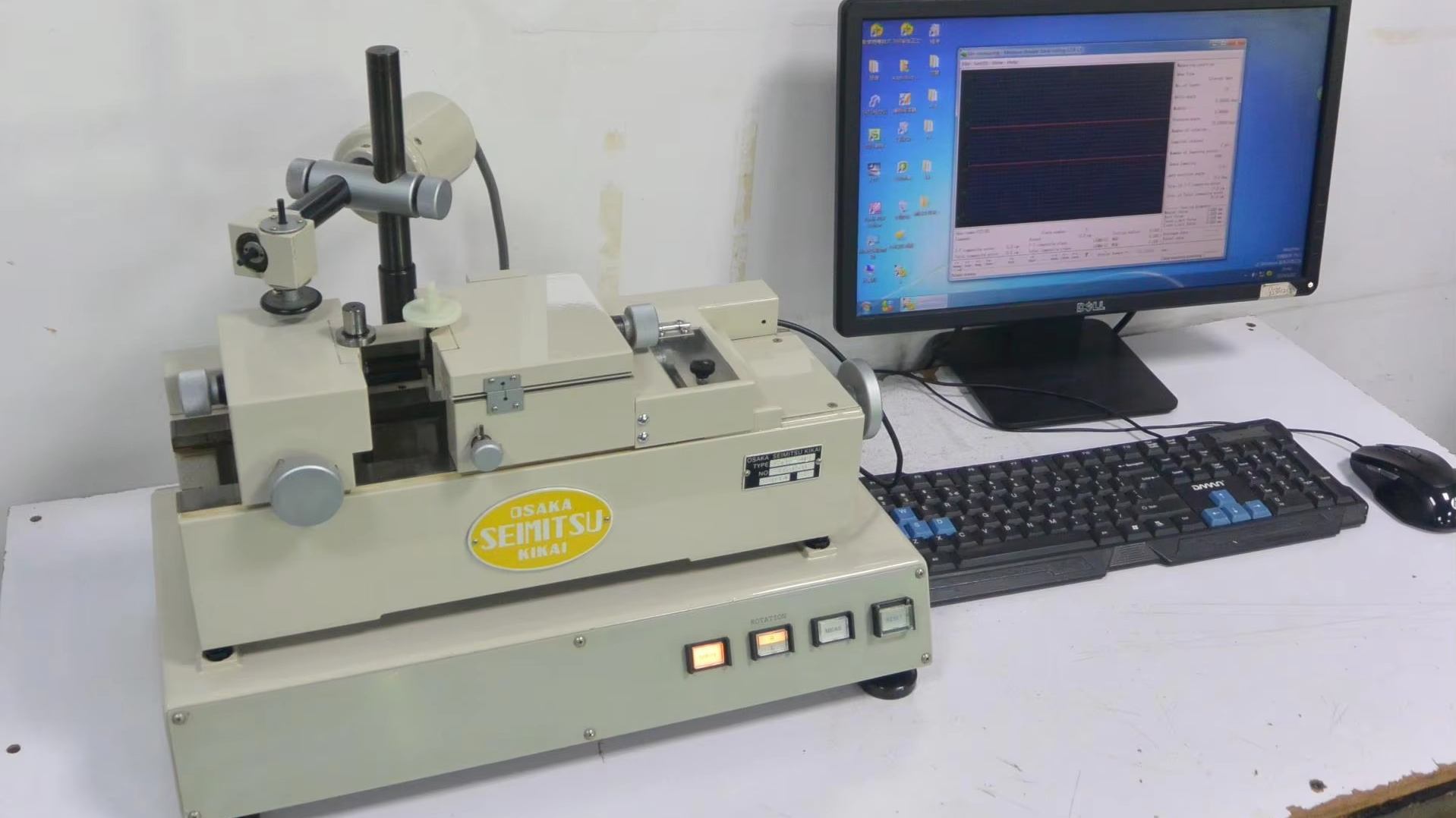
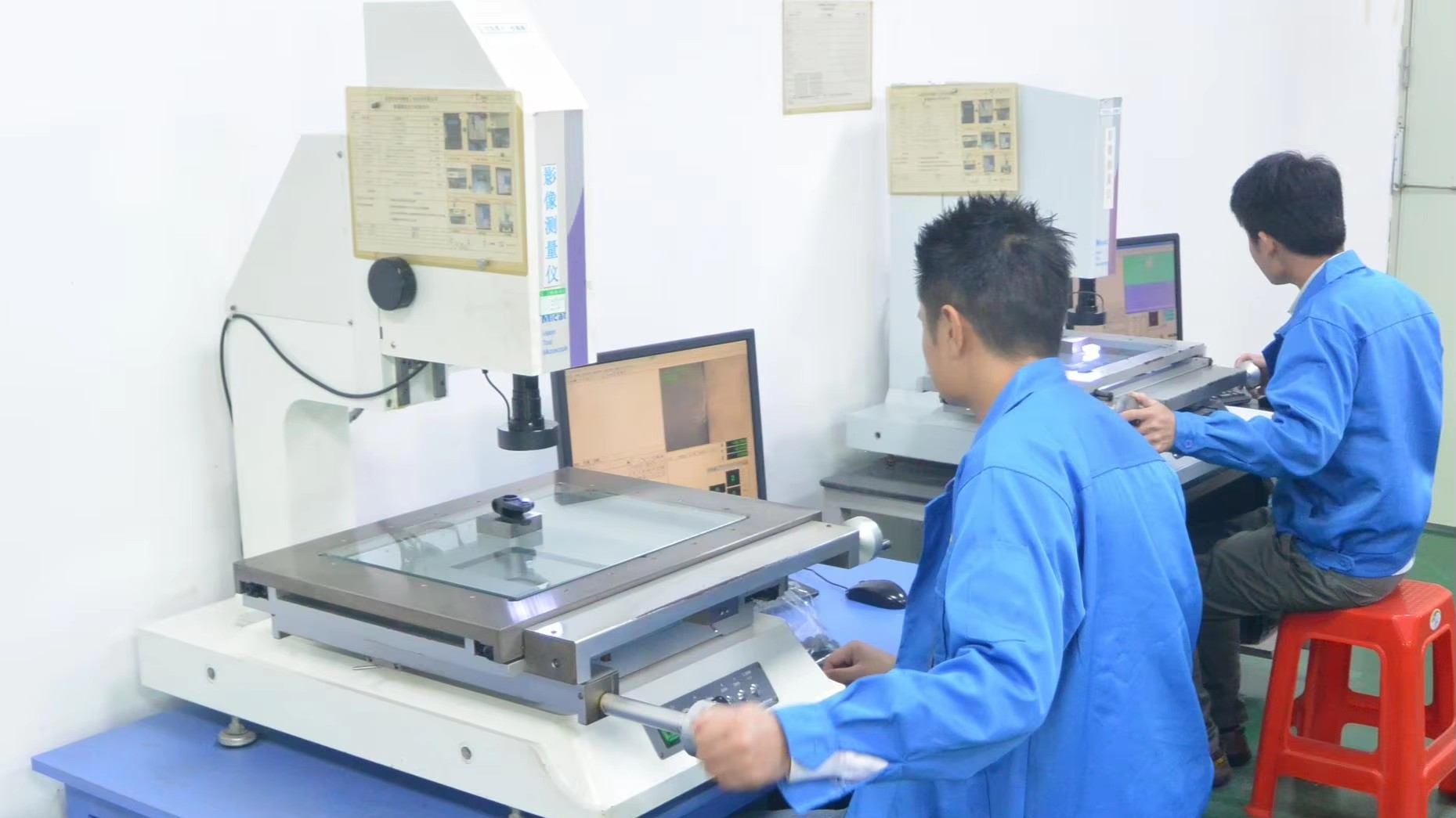
From a global standpoint, the market for plastic gear systems is growing faster than that of traditional steel and brass gears. In past decades, metal was preferred due to its raw strength. However, material science breakthroughs have introduced reinforced engineering resins that close the performance gap. Thermoplastic compounds filled with carbon fiber, glass beads, or PTFE lubricants allow plastic gears to operate in high-torque setups without excessive wear.
Select from our standard module gears or request customized dimensions. All items below are optimized for Southeast Asian industrial clients and are ready for bulk dispatch.
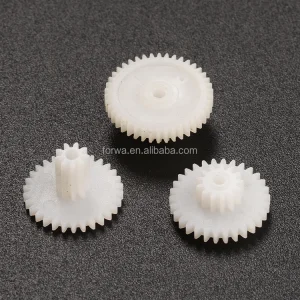
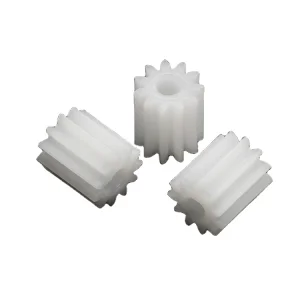
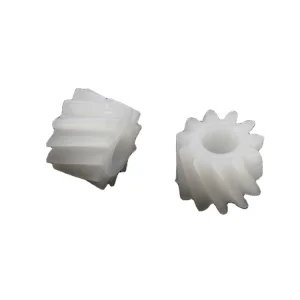
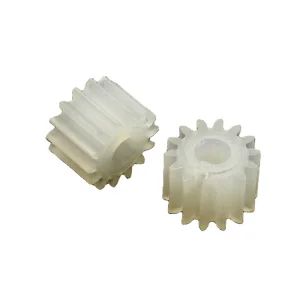
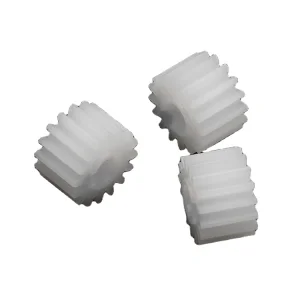
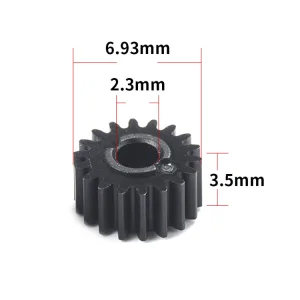
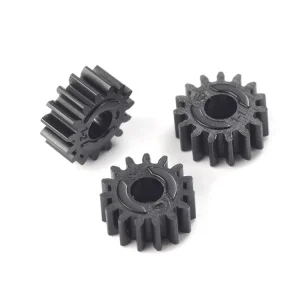
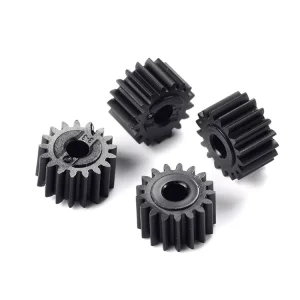
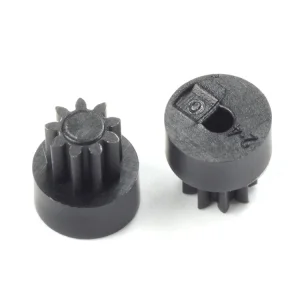
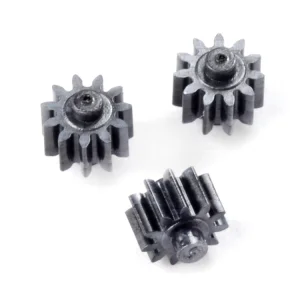
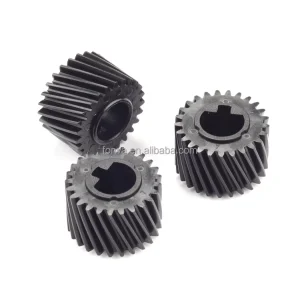
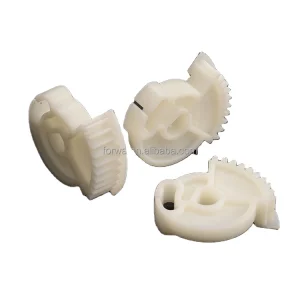
For new custom molds, design and prototyping require 25 to 30 days. Once the tooling is approved, mass production yields up to 100,000 components daily. Shipments to major industrial hubs like Chonburi or Bangkok take only 5 to 7 days via sea freight (from Shenzhen/Guangzhou ports) or 2 to 3 days via air freight.
We formulate our plastics specifically for stable physical properties under tropical environmental conditions. By using engineering polymers like POM-C (Polyoxymethylene Copolymer) and specialized carbon-filled variants, our gears maintain negligible moisture absorption (less than 0.2% at saturation), preventing thermal expansion and swelling that typically causes metal-to-plastic gear setups to lock up.
For custom-tooled plastic gears, our starting MOQ is typically 5,000 to 10,000 units per batch, depending on the module complexity and physical sizing. This ensures that the custom tooling setup costs are amortized effectively, yielding the lowest possible unit cost for your project.
Yes, we routinely manufacture gears to AGMA 9 to 11 specifications and ISO Grade 6 equivalent tolerances. We monitor our processes in-house using automated gear meshing testing machines and precision Coordinate Measuring Machines (CMM) to verify total profile deviation and tooth pitch error.
For high structural stiffness and low creep, POM (Polyoxymethylene/Acetal) is highly recommended. However, if the application experiences sudden impact shocks, Nylon (PA66) reinforced with glass fibers is often preferred due to its higher toughness and elasticity. We work closely with your design team to specify the correct polymer alloy.
No, many of our gears are molded from self-lubricating compounds. By blending base materials like POM or Nylon with silicone, PTFE, or graphite additives during compounding, we create components that run completely dry. This is especially useful in cleanroom medical devices and smart home electronics where lubricant contamination must be avoided.
To provide an accurate quote, please submit your 3D CAD models (STEP, IGES, or SolidWorks format), along with specifications regarding the material choice, gear module (modulus), tooth counts, helix angle (if helical), expected annual purchase volumes, and target tolerances.
Our factories are fully certified under ISO 9001:2015 and IATF 16949 for automotive-grade supply chains. We maintain continuous material traceability and provide standard Quality Inspections Reports (such as PPAP) with every shipment.
 Stepper Motor