Optimized for Nagoya's smart appliances, home integration systems, and high-performance camera actuators.
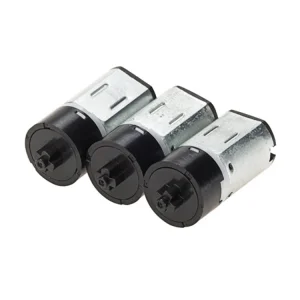
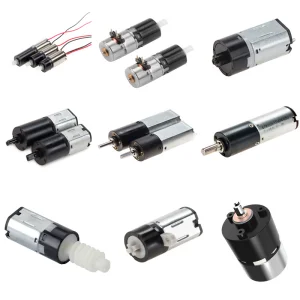
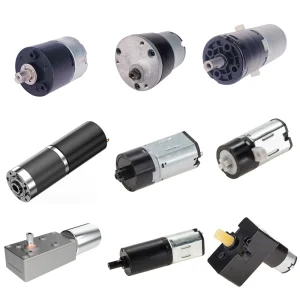
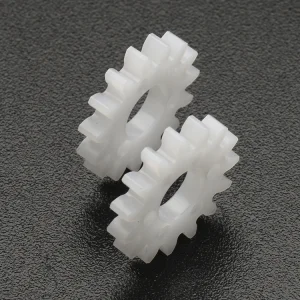
As the capital of Aichi Prefecture, Nagoya represents the heartbeat of Japanese manufacturing (Monozukuri). Historically dominated by heavy aerospace, automotive assembly, and machinery production, Nagoya's industrial players are undergoing a rapid paradigm shift. The integration of collaborative robotics (cobots), electric vehicles (EV), advanced office automation, and smart medical appliances has generated unprecedented demand for precision micro-motion drives.
In this ecosystem, traditional metal gears are increasingly replaced by engineering plastics (POM, PA66, PEEK, and ABS). High-precision polymer gears offer critical functional advantages that metallic counterparts cannot match: inherent self-lubricating properties, ultra-low operating noise, high vibration damping capacity, and extreme weight reduction.
For Nagoya's tier-1 automotive suppliers and electronics manufacturers, finding a reliable plastic gear manufacturer is no longer just a purchasing decision; it is a collaborative engineering challenge. Sub-millimeter gears require extreme dimensional stability, microscopic module accuracy (down to Modulus 0.15), and zero-defect quality standards (PPM levels) to satisfy the rigorous expectations of Nagoya's premium industrial sectors.
A deep technical dive into engineering thermoplastic compounds and tooth profile optimization.
POM is the gold standard for precision gearing. Boasting high crystalline density, low friction coefficients, and exceptional dimensional stability, POM minimizes dynamic deformation under load. It resists creep and moisture absorption, making it the perfect candidate for micro gearboxes in smart locks and HVAC dampers.
Nylon (PA66 / PA46) provides superior impact strength and toughness. By reinforcing these resins with glass or carbon fibers, manufacturers drastically elevate the tensile strength and heat deflection temperature (HDT). These materials are highly suited for power transmission components like robot joint actuators and power tool gears.
Used predominantly in low-torque, highly structural, and cost-sensitive applications, ABS offers excellent impact resistance and moldability. When coupled with advanced compounding agents, ABS provides stable performance in consumer electronics and domestic smart appliances operating in standard environments.
| Material Type | Tensile Strength (MPa) | Flexural Modulus (GPa) | Water Absorption (%) | Optimal Nagoya Market Application |
|---|---|---|---|---|
| POM (Delrin/Acetal) | 65 - 75 | 2.8 - 3.2 | 0.22 | Precision Micro-gearboxes, Optical Actuators, Smart Lock Assemblies |
| PA66 + 30% Glass Fiber | 160 - 185 | 8.0 - 9.5 | 1.20 | Robotic Joint Reducers, High-Torque Industrial Power Drives |
| ABS Engineering Grade | 40 - 50 | 2.1 - 2.5 | 0.45 | Smart Trash Cans, Toy Gears, Secondary Mechanical Linkages |
| PEEK (High Performance) | 95 - 110 | 3.8 - 4.2 | 0.10 | Aerospace Actuators, Nagoya EV Motor Control Units (MCU) |
Combining China's world-class injection molding speed with elite Japanese engineering standards.
TQC Micromotor is a forward-thinking Chinese manufacturer redefining precision motion control in the micro-drive industry. We design and build high-efficiency micro DC and BLDC motors that power next-generation technologies worldwide.
Driven by our core philosophy—Top Quality & Customization—we combine advanced manufacturing tech with flexible engineering to provide global B2B clients with the transparency of a local partner and the cost benefits of a premier Chinese factory. Built to last. Engineered to fit.
How our advanced facility in China delivers Japanese-grade gear quality, from tooling to dimensional certification.
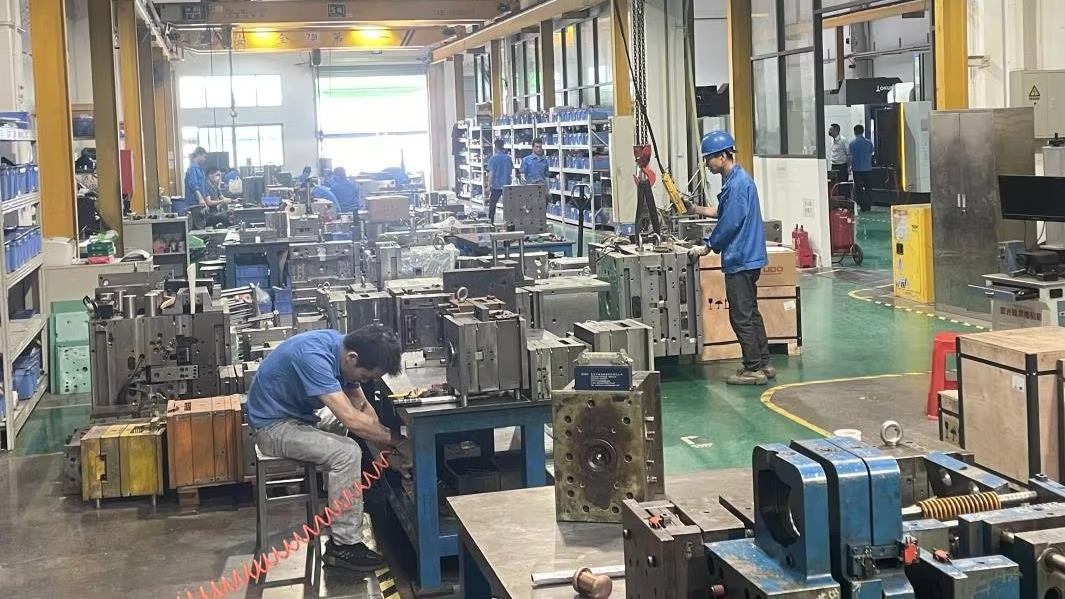
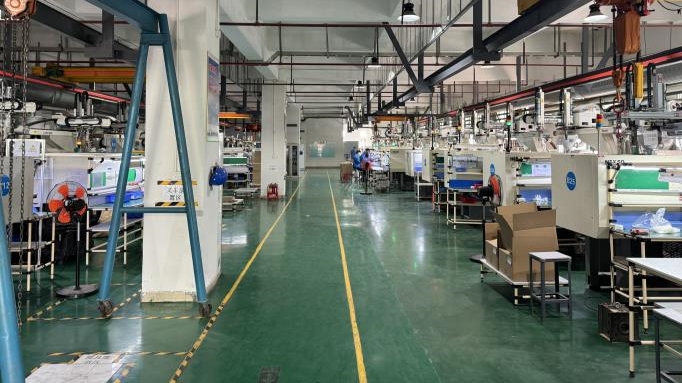
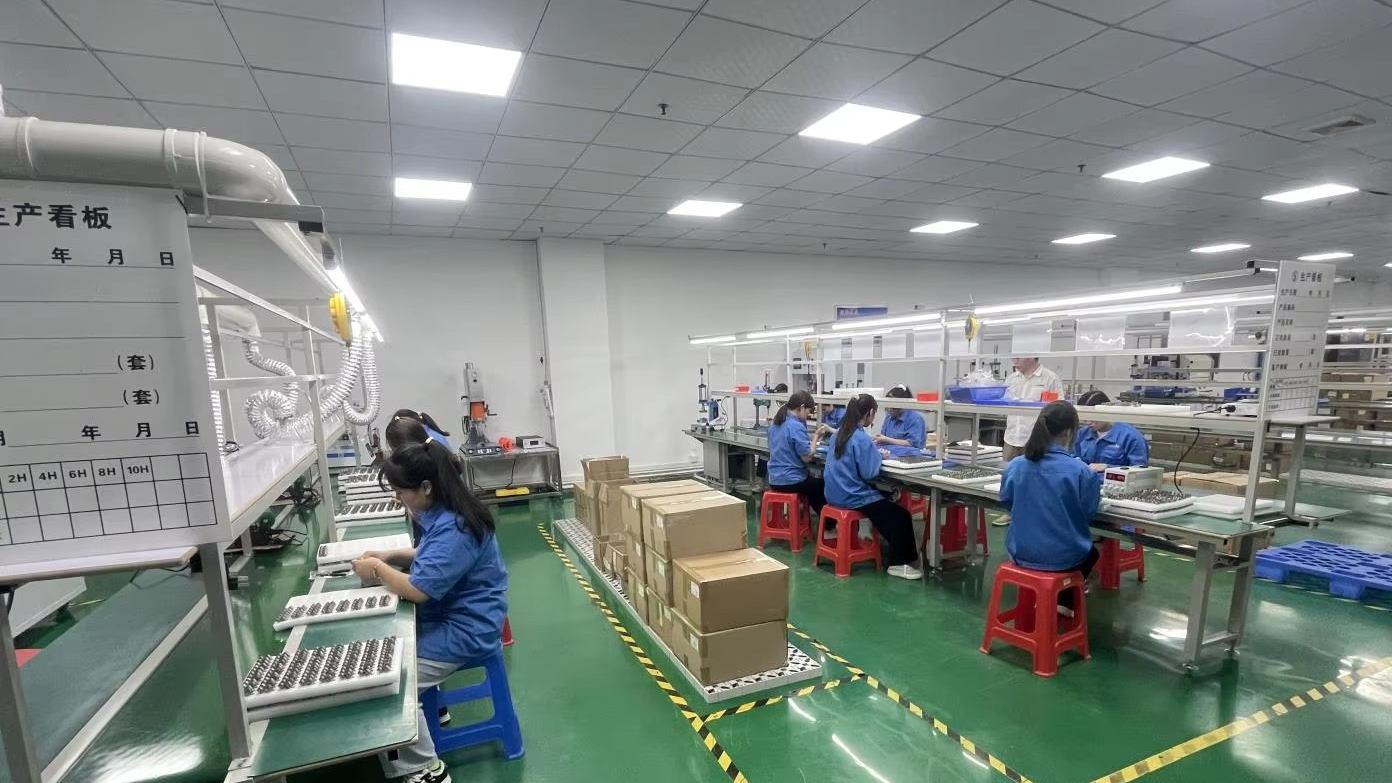
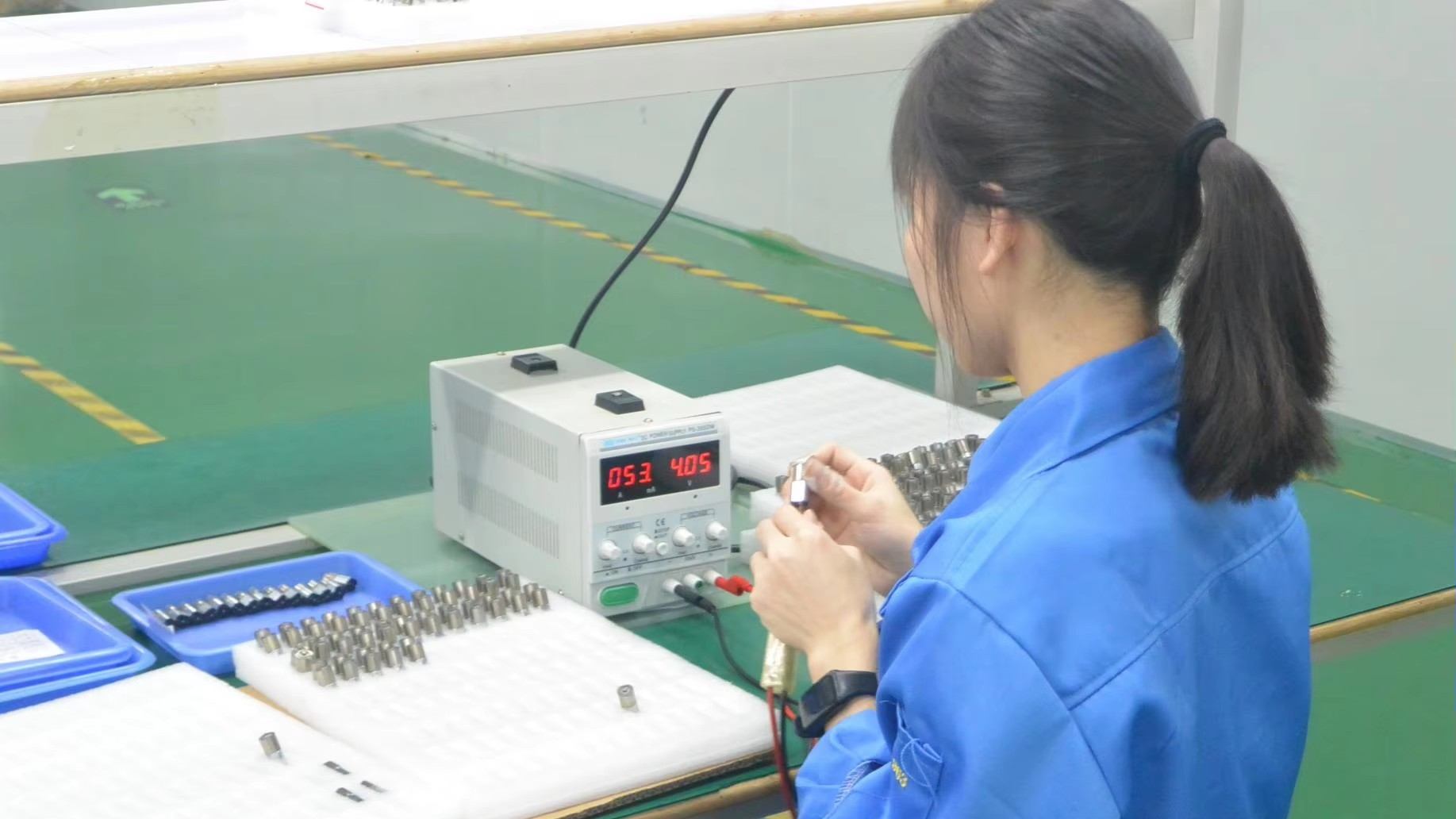
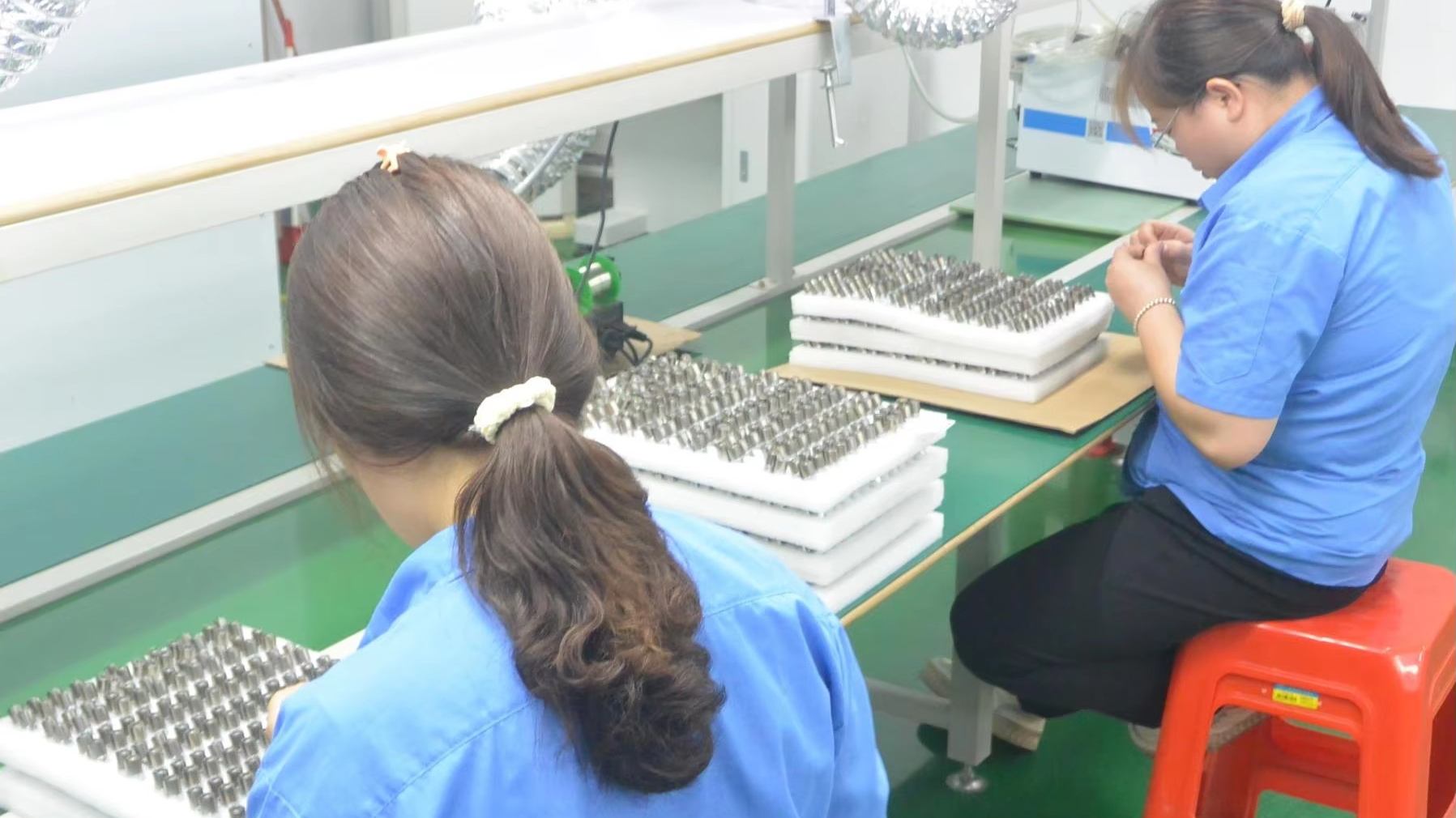
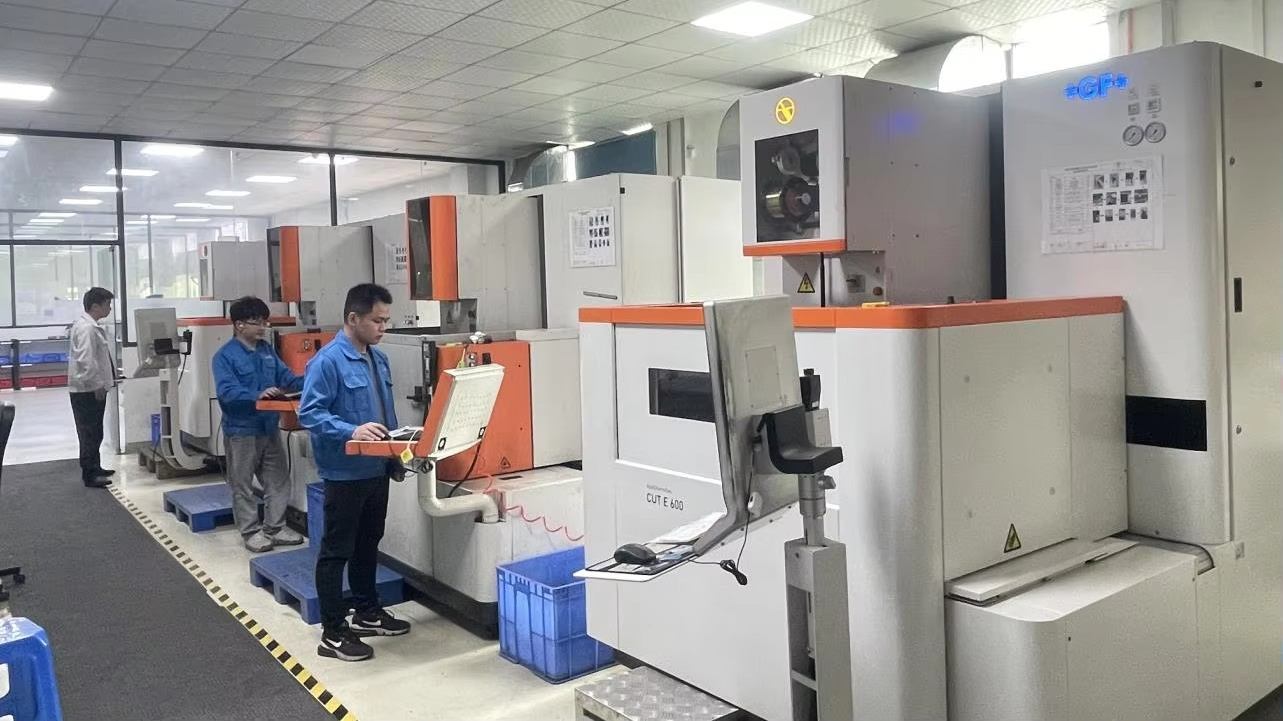
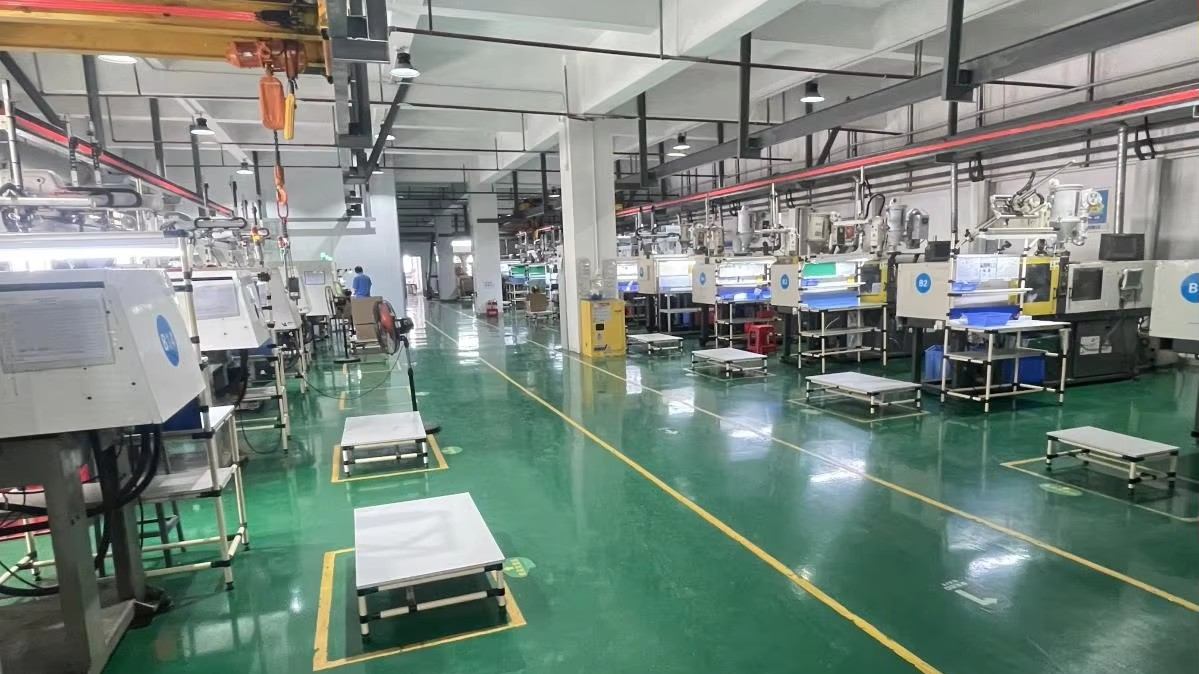
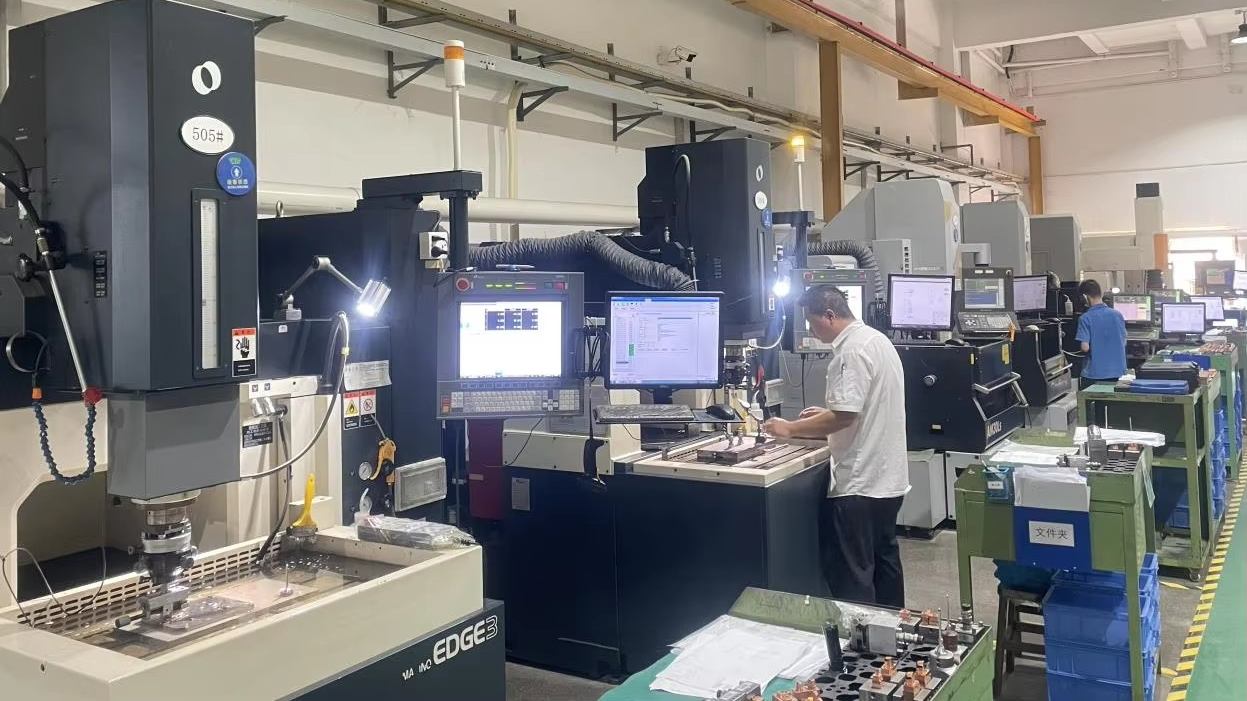
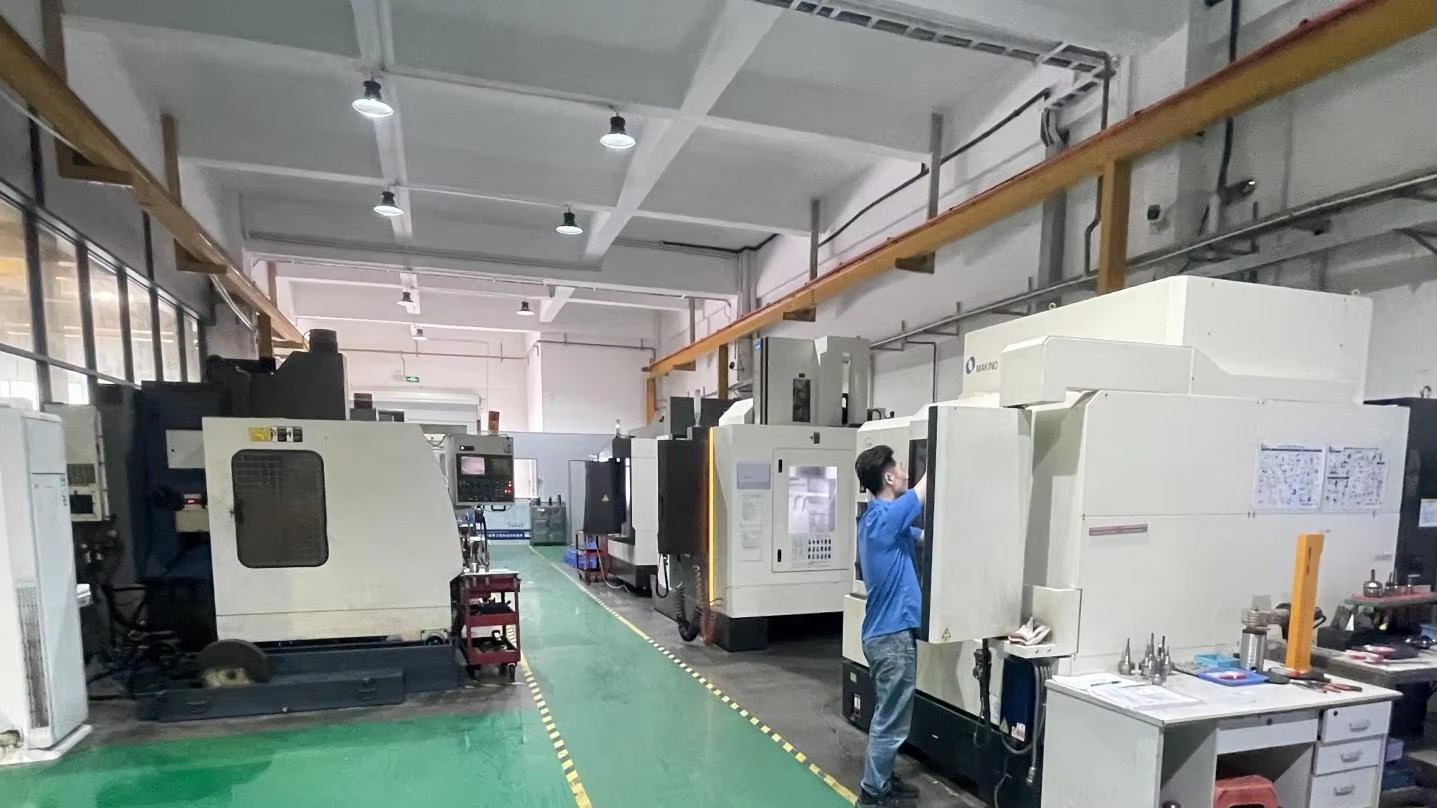
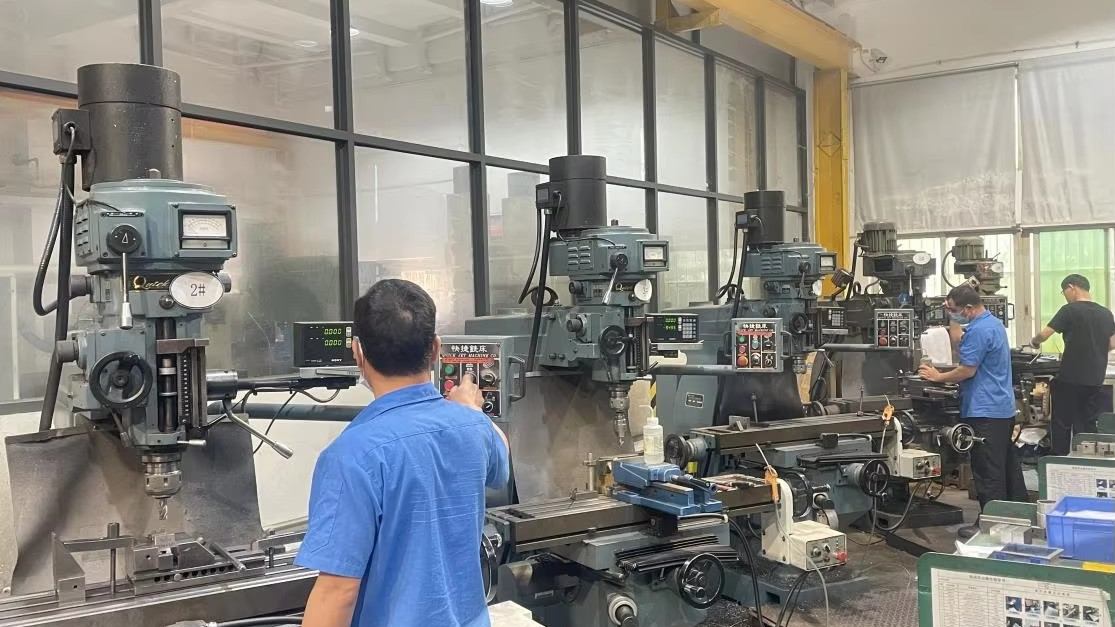
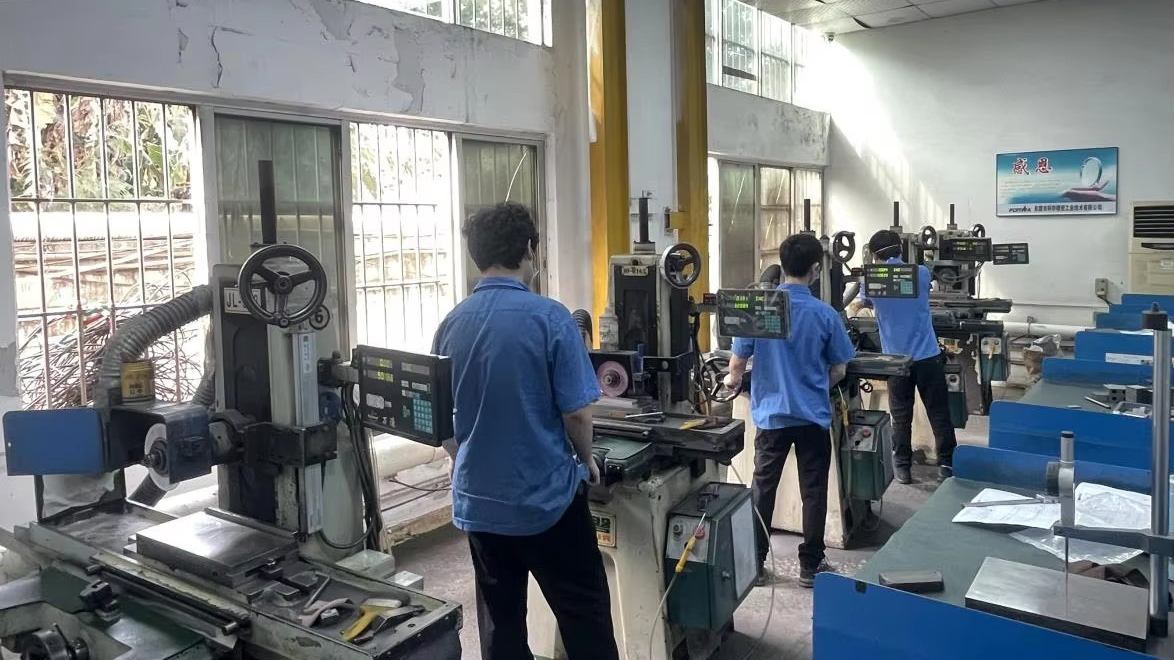
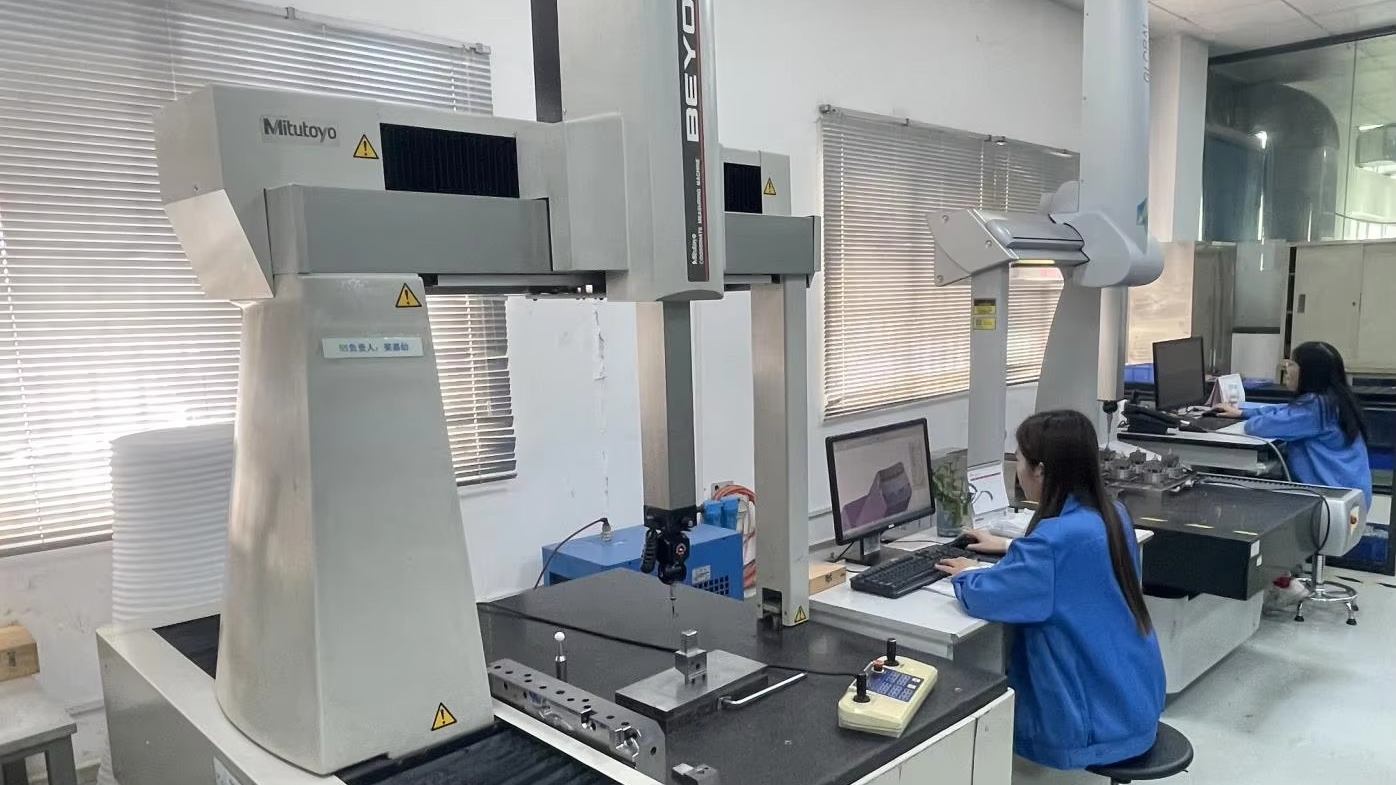
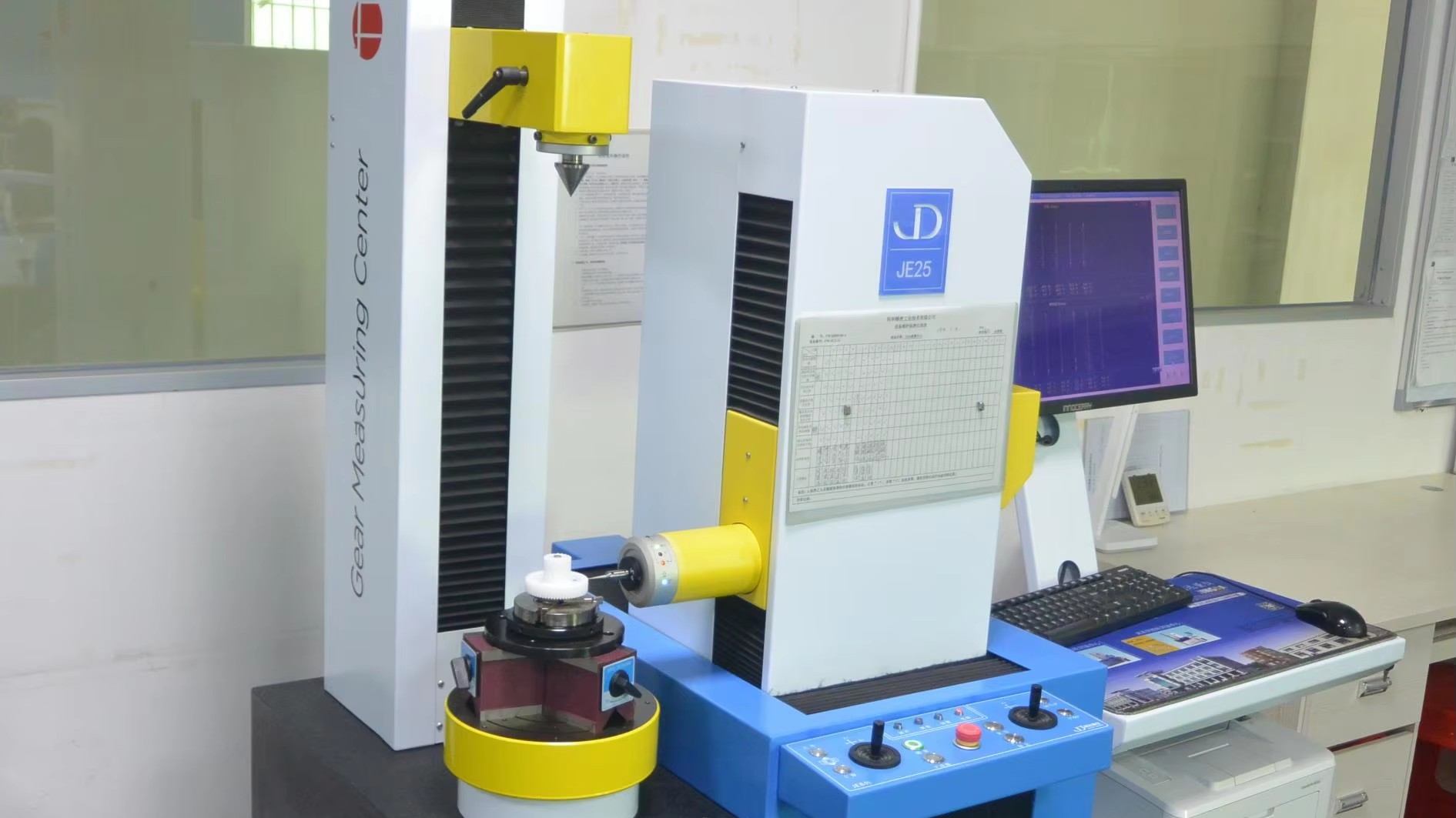
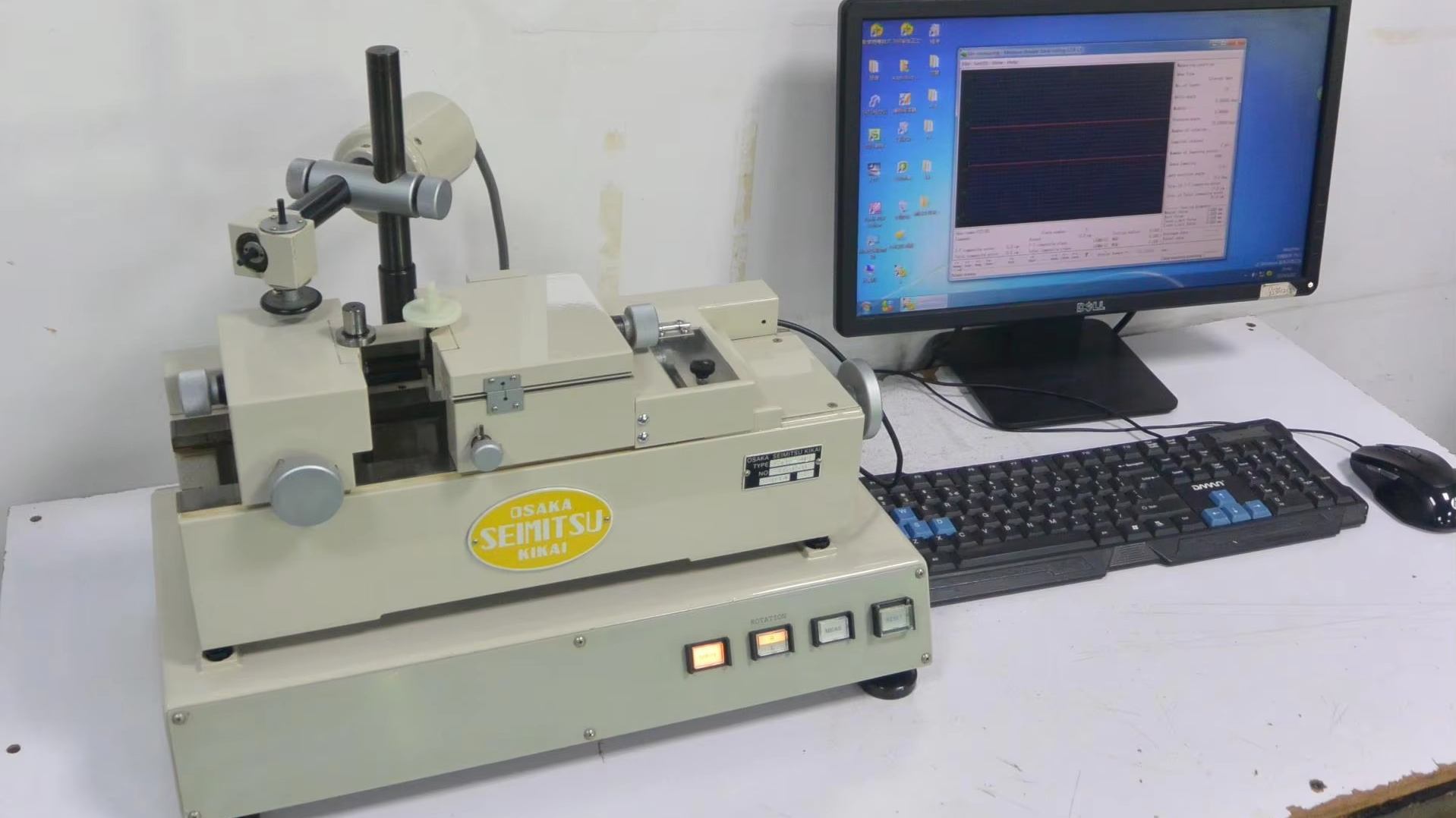
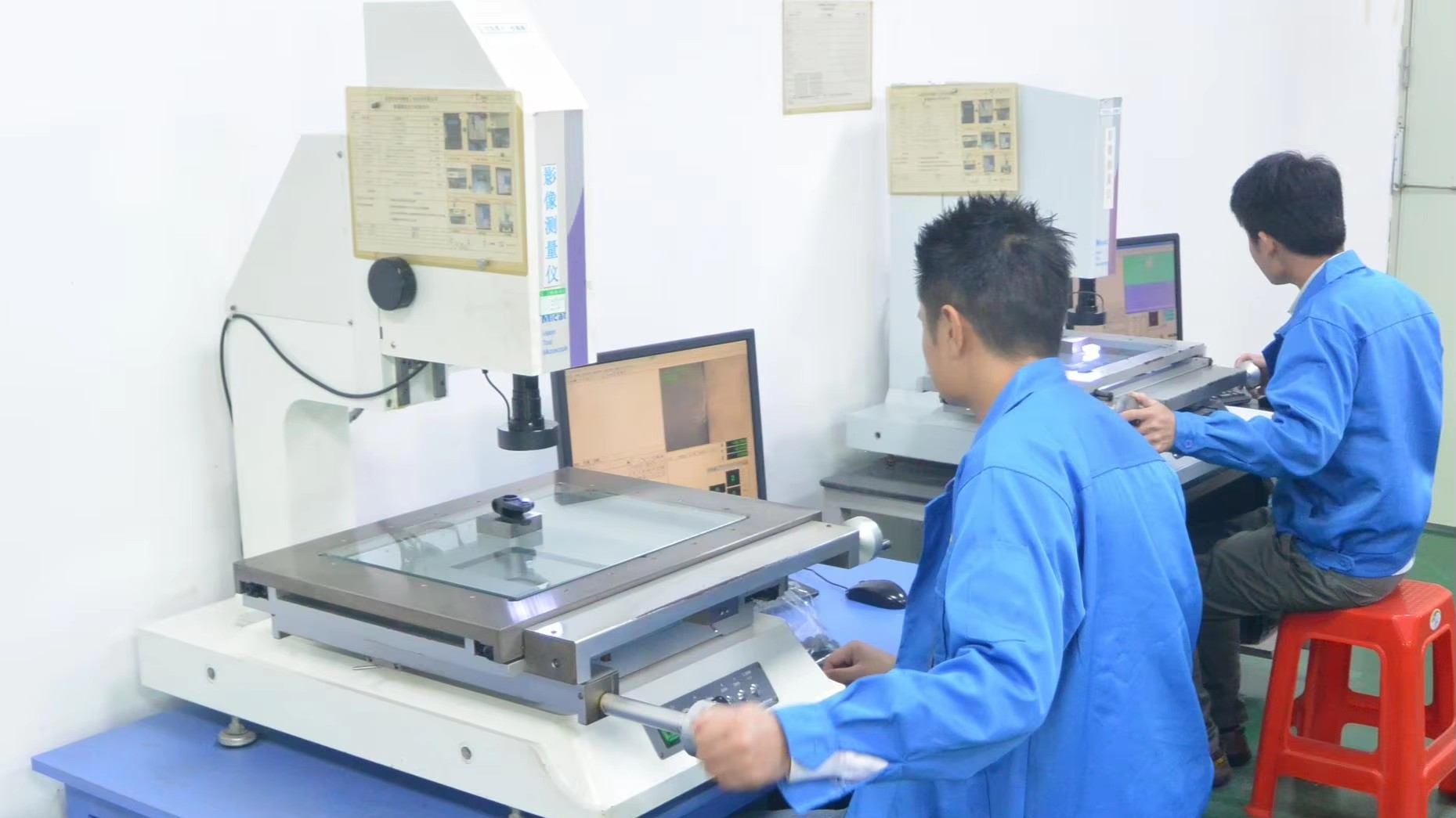
For purchasing managers in Nagoya, sourcing precision plastic components from overseas requires balancing initial tooling overheads against component accuracy and delivery risk. Selecting TQC Micromotor as your Chinese supply partner offers unmatched competitive advantages:
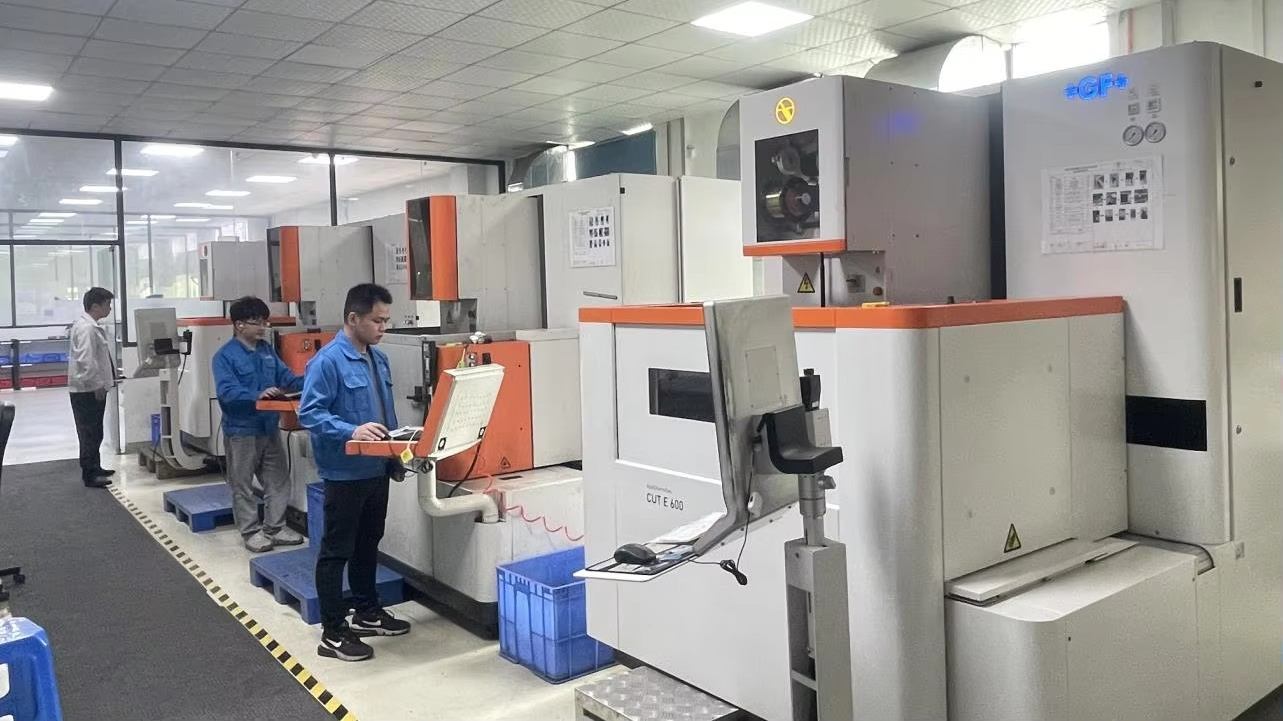
We employ slow-wire EDM and high-speed CNC centers to construct custom injection molds. This ensures that shrinkage properties of materials like POM (typically 2.0%) are precisely counterbalanced during the tooling design phase. Tooling costs are optimized by up to 50% compared to local Japanese die shops while matching identical JIS mold standards.
Every batch of micro planetary gears is put through mechanical profiling. Our JE25 gear measuring system and dual-flank gear meshing tools detect slight circular pitch errors, radial runout, and profiles errors. This data is logged and shipped along with product certifications to guarantee flawless assembly line integration in Nagoya plants.
Standard plastic gears often fail under harsh industrial environmental conditions. We specialize in custom compounding, integrating PTFE (Teflon), silicone, molybdenum disulfide, or carbon fibers into POM and Nylon matrices. This alters wear resistance, eliminates the need for manual greasing, and extends gear operating lifespans.
With established maritime freight routes linking major Chinese ports directly to Nagoya Port and Chubu Centrair International Airport, our delivery channels support lean inventory models. Urgent product iterations are designed, prototyped via high-accuracy CNC machining, molded, and delivered inside 3-4 weeks.
Get in touch with our micro-motion engineers to discuss your CAD files, material requirements, and target torque metrics.
Send Inquiry NowCrucial engineering answers for procurement managers and design engineers.
POM is highly crystalline, meaning it undergoes volumetric shrinkage during the solidification phase. Our engineering team resolves this by executing mold thermal modeling using advanced simulation software before committing to steel tooling. We construct precision mold inserts utilizing imported slow-wire EDM and control mold cavity temperatures within strict limits (typically between 80°C and 110°C) to yield consistent, uniform crystal structures. This restricts variations within 5 microns across consecutive production runs.
Yes, this is one of the premier reasons Nagoya manufacturers are switching away from metal gears. Engineering thermoplastics like POM and PA66 are self-lubricating. For high-velocity, high-load, or extended run-time applications, we compound base resins with internal lubricants such as PTFE (Teflon) or silicone oils. These compounds generate a micro-transfer film on mating tooth surfaces, which lowers coefficients of friction to <0.10 and eliminates the need for messy structural grease.
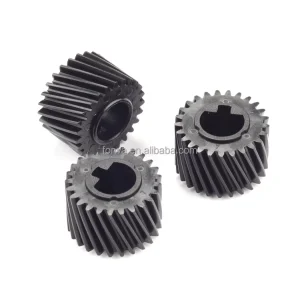
Helical gears feature teeth cut at an angle to the gear axis. Unlike spur gears where teeth engage all at once, helical gear teeth engage gradually. This progressive contact ratio distributes mechanical loads more evenly across teeth, resulting in higher torque capacity and significantly reduced NVH (Noise, Vibration, and Harshness). Helical gears are standard for optoelectronic devices, surveillance cameras, and cabin actuators in automotive assemblies where acoustic performance is paramount.
We adhere to a dual-tier quality assurance protocol. During the production process, automated inline optical sorting systems inspect 100% of injection molded parts for knit lines, air voids, or gate residue. Off-line, random samples undergo rigorous testing via our JE25 gear measurement centers, dynamic gear meshing instruments, and Coordinate Measuring Machines (CMM). Full reports (including dimensional profiling and certificate of compliance) accompany every dispatch.
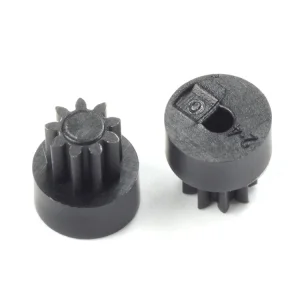
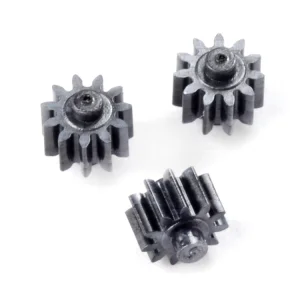
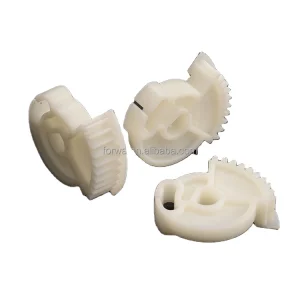
Explore our catalog of high-precision molded gears, cylindrical pinions, and custom polymer racks.
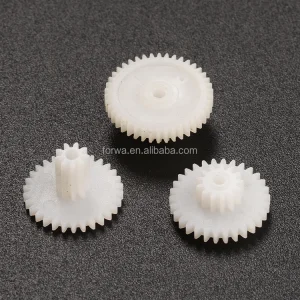
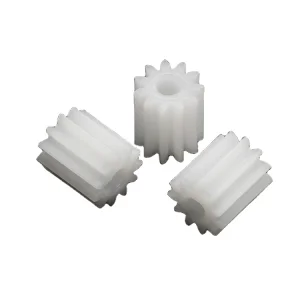
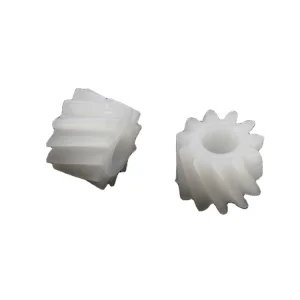
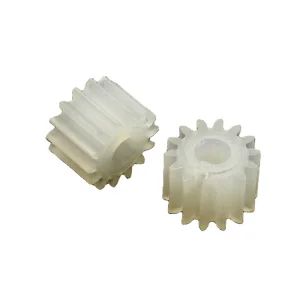
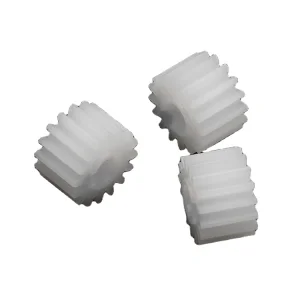
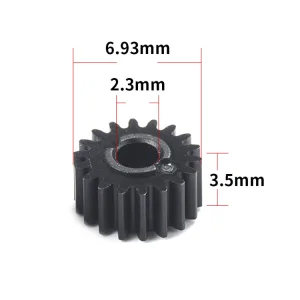
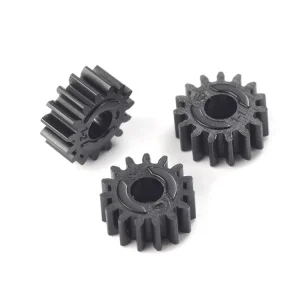
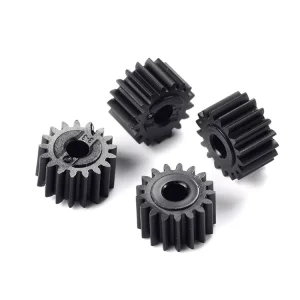
Optimized for high density integration and specialized micro drive robotics systems.
Partner with TQC Micromotor for high-precision components engineered to satisfy Nagoya's most demanding manufacturing criteria. Get in touch with our micro-gearing specialists today.
 Stepper Motor